What a Stone Crushing Conveyor Belt Does
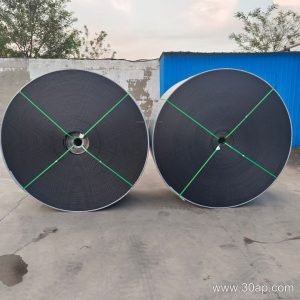
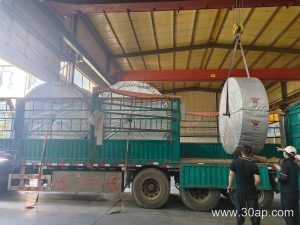
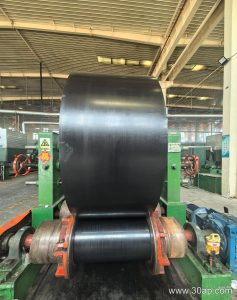
A stone crushing conveyor belt is the moving belt that carries blasted rock, crushed aggregate, and screened stone from a primary crusher toward screens, stockpiles, or secondary and tertiary crushing stages. In a quarry, sand and gravel plant, or cement works, this belt is the link between the crusher and everything downstream. It is often simply called a crusher conveyor belt, and it belongs to the wider family of heavy-duty mining conveyor belts used in mines, coal preparation, power plants, and aggregate operations.
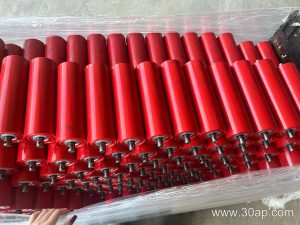
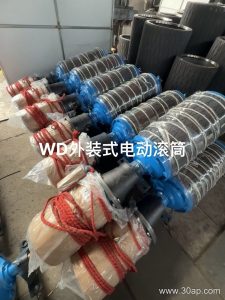
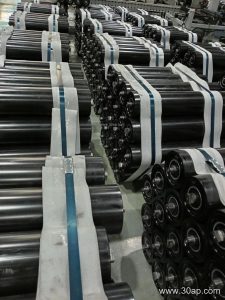
The duty is harsh. Material arrives in sharp, irregular lumps, often with fines and dust, and may be wet or hot. The belt has to resist cutting, gouging, and abrasion while running on idler rollers and being driven by conveyor pulleys at the head end. That is why belt selection matters as much as crusher selection.
How the Belt Is Built
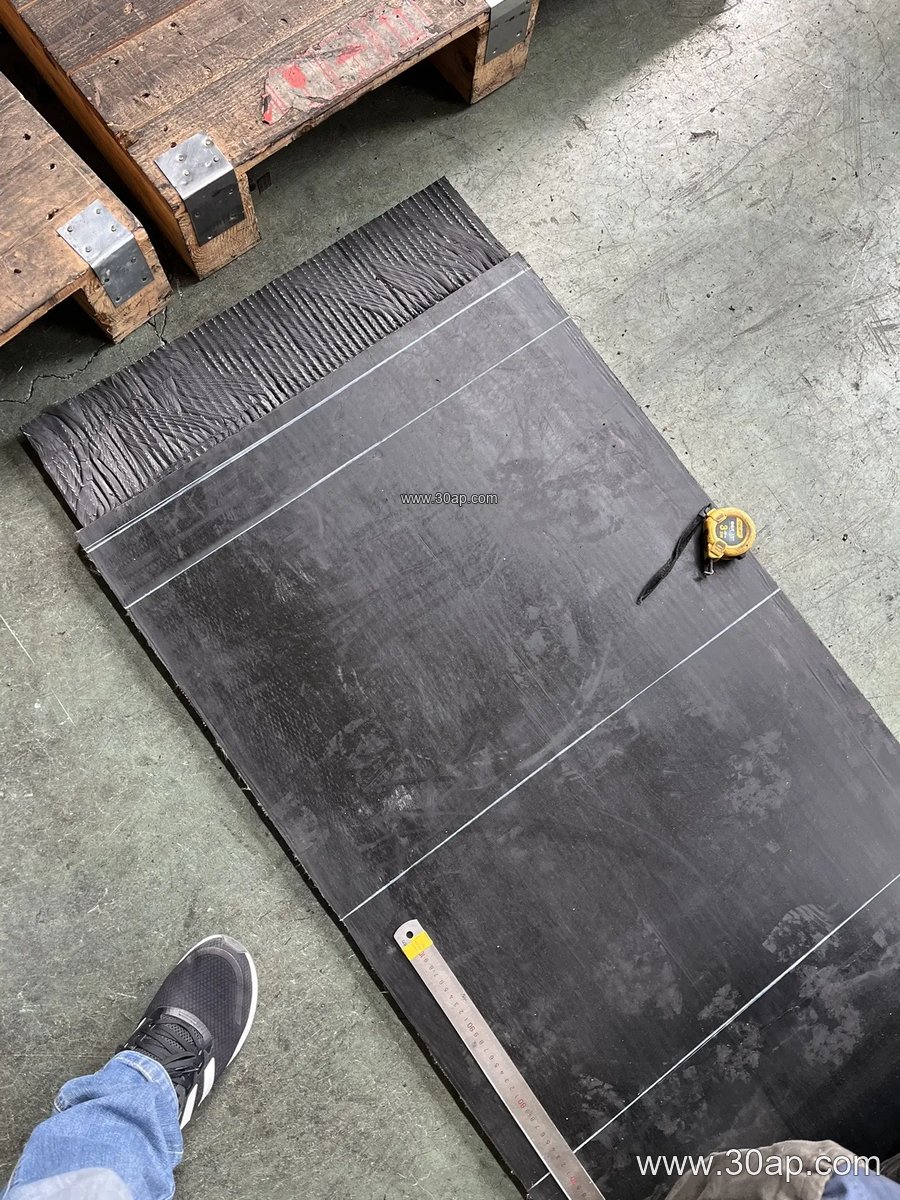
Most stone crushing belts are fabric core or steel cord constructions. A fabric core conveyor belt uses multiple plies of EP (polyester-nylon) or NN (nylon-nylon) fabric embedded in rubber. The top and bottom covers protect the carcass, and the cover thickness is written as a pair, for example 5+2 mm or 6+2 mm. Steel cord belts replace the fabric plies with steel wires and are chosen for long, high-tension runs.
- Carcass: EP or NN fabric, usually 2 to 6 plies in crushing service; steel cord for high strength and long distance.
- Top cover: abrasion resistant rubber for sharp stone impact and sliding wear.
- Bottom cover: usually thinner, sized to protect the carcass on the return side.
- Edges: cut or molded, depending on the splice method and pulley alignment.
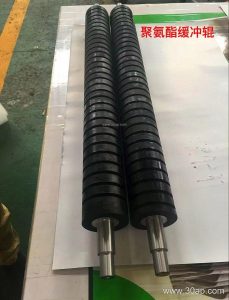
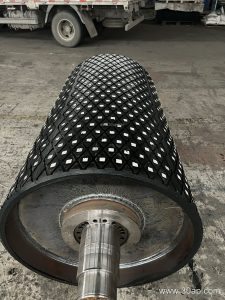
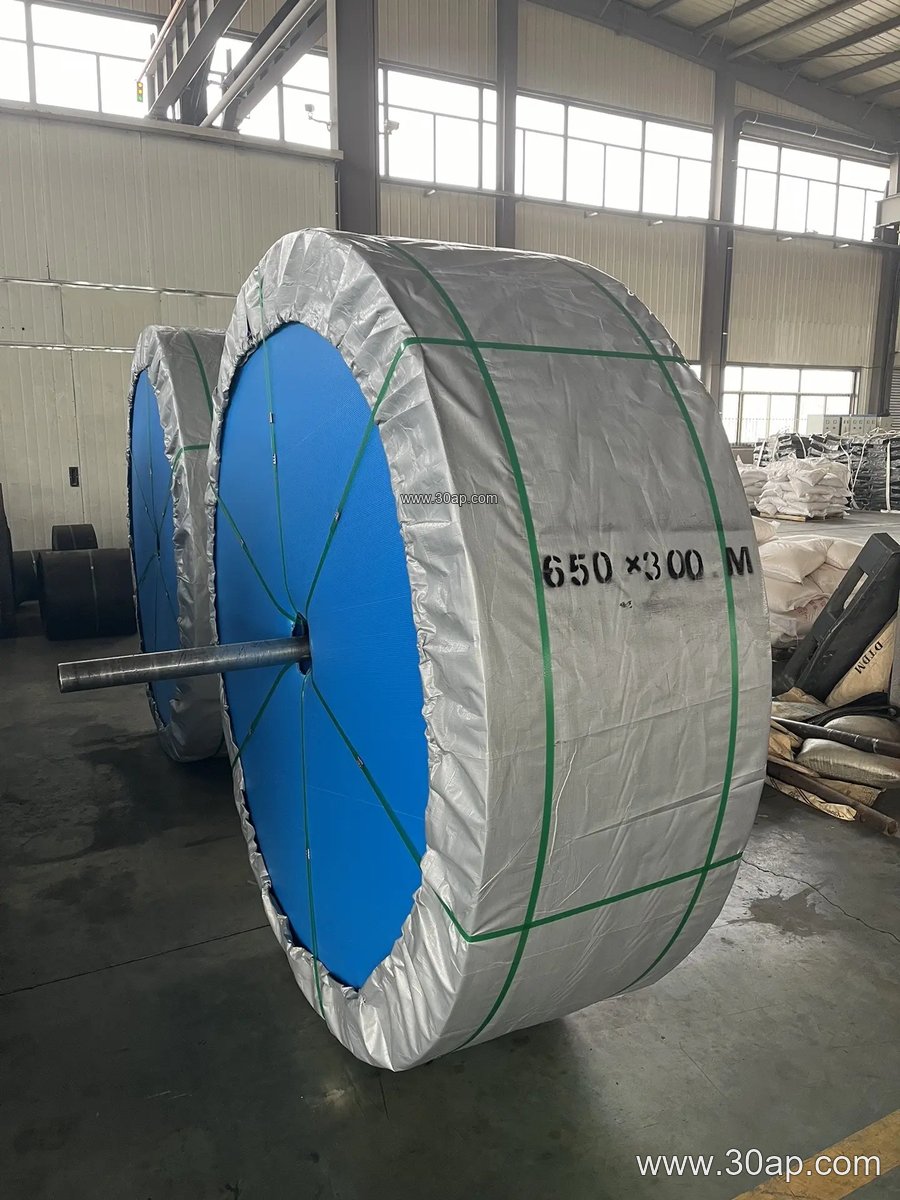
Belt width commonly ranges from B500 to B2000, with B800, B1000, and B1200 frequently seen in crushing circuits. Strength grades such as EP200, EP400, EP630, and EP1000 are common, but the correct grade depends on the conveyor design, not on the crusher alone. The belt, conveyor pulley, and idler roller set must be matched as a system; a wider belt does not automatically require a specific pulley diameter, and shaft sizes are set by the conveyor designer.
Where These Belts Are Used
Typical installations include quarry conveyor belts feeding screens, aggregate conveyor belts moving washed stone, and ore conveyor belts in iron ore, copper ore, and gold mining circuits. Coal mining conveyor belts and underground mining conveyor belts have their own flame retardant requirements, so the same physical belt shape may carry very different rubber compounds. Cement plants, power plants, and port ship loading systems also use heavy-duty bulk material conveyor belts where stone and clinker are moved continuously.
For steep inclines, a chevron conveyor belt or corrugated sidewall belt may be used to stop material from sliding back. Those are different designs from a flat stone crushing belt and should be specified only when the geometry requires them. In dusty or potentially explosive atmospheres, an anti-static belt and flame retardant belt are often requested together.
Cover Compounds and Special Conditions
The cover is the part that meets the stone. An abrasion resistant conveyor belt grade suits sharp granite and basalt, while a heat resistant conveyor belt is needed when clinker or hot sinter is carried. Oil resistant and chemical resistant covers appear in some processing plants. Cold resistant belts serve winter operations in northern mines and ports. Impact resistant covers or impact idler rollers under the crusher discharge chute help absorb lump energy.
Buyers should state the material type, lump size, drop height, belt speed, and operating temperature. These details decide the cover grade and carcass, far more than a single strength number.
Selection and Maintenance Notes
Check that the belt width, ply count, and cover thickness match the conveyor’s calculated tension. Verify pulley diameters and idler spacing with the conveyor designer, and keep the belt tracking straight to avoid edge damage. A skirted conveyor belt or a belt with sidewalls may be needed at transfer points to contain spillage. Store spare belts flat, splice with the correct method for the carcass, and inspect covers for cuts before they reach the fabric.
When replacing a belt, record the existing strength grade, cover thickness, and width rather than guessing. The same conveyor may accept a different brand, but not a different specification without a tension check.