What a Skirted Conveyor Belt Is
A skirted conveyor belt is a fabric- or steel-cord-reinforced rubber belt fitted with raised side walls, usually called skirts, that run along both edges of the carrying surface. The skirts form a shallow trough or channel that keeps bulk material centred on the belt, especially at transfer points, load zones and inclined sections. It is a practical upgrade from a standard flat belt when dust, spillage or material roll-back becomes a housekeeping problem. In many plants it is simply called a raised-edge belt or side-wall belt, but the working principle is the same: contain the load without a separate mechanical chute where space is tight.
How It Is Built
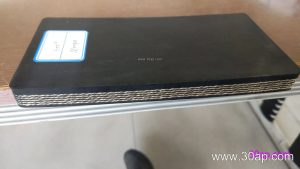
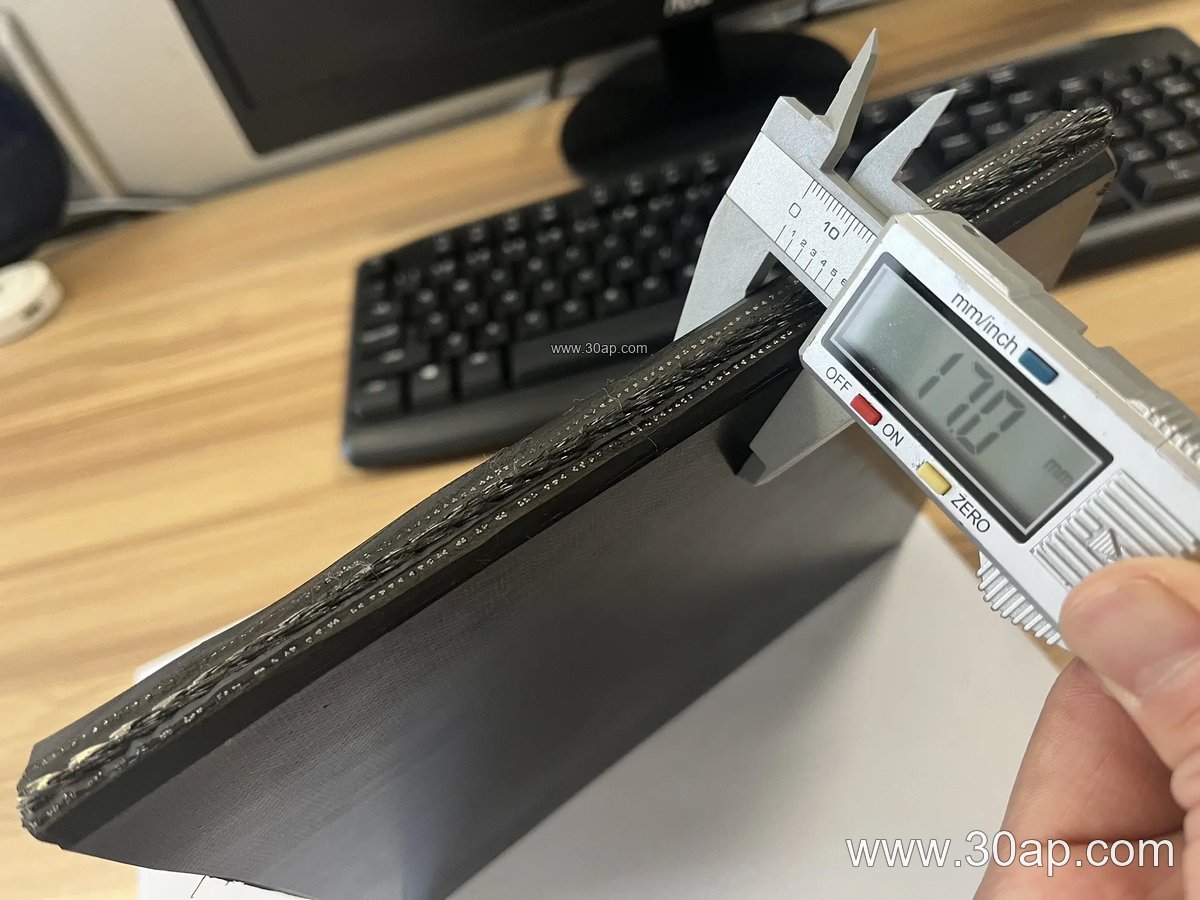
The base is a conventional conveyor belt carcass — often an EP conveyor belt or a multi-ply fabric core construction — with top and bottom rubber covers. The skirts are bonded or vulcanised to the top cover along the edges, and they may be straight, slightly angled or reinforced with a fabric insert to resist tearing. A skirted belt is not the same as a corrugated sidewall belt; the latter uses tall, folded sidewalls plus cleats for steep inclines, while a skirted belt focuses on edge containment on moderate slopes and horizontal runs.
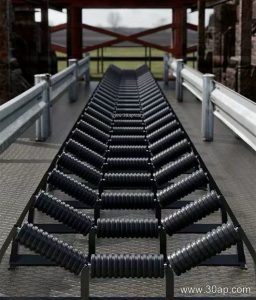
Because the skirt adds stiffness at the edges, the belt needs careful support. Carrying idlers should sit close enough to the skirt line to prevent sagging, and the conveyor pulley at the drive and tail ends must be sized so the skirt does not foul the pulley face or the conveyor bracket structure. Transition distances are normally longer than on a plain belt, and the skirt height is chosen so material does not overtop it at the design capacity.
Typical Service Conditions
These belts appear wherever fine or dusty bulk material is moved and containment matters. Common examples include:
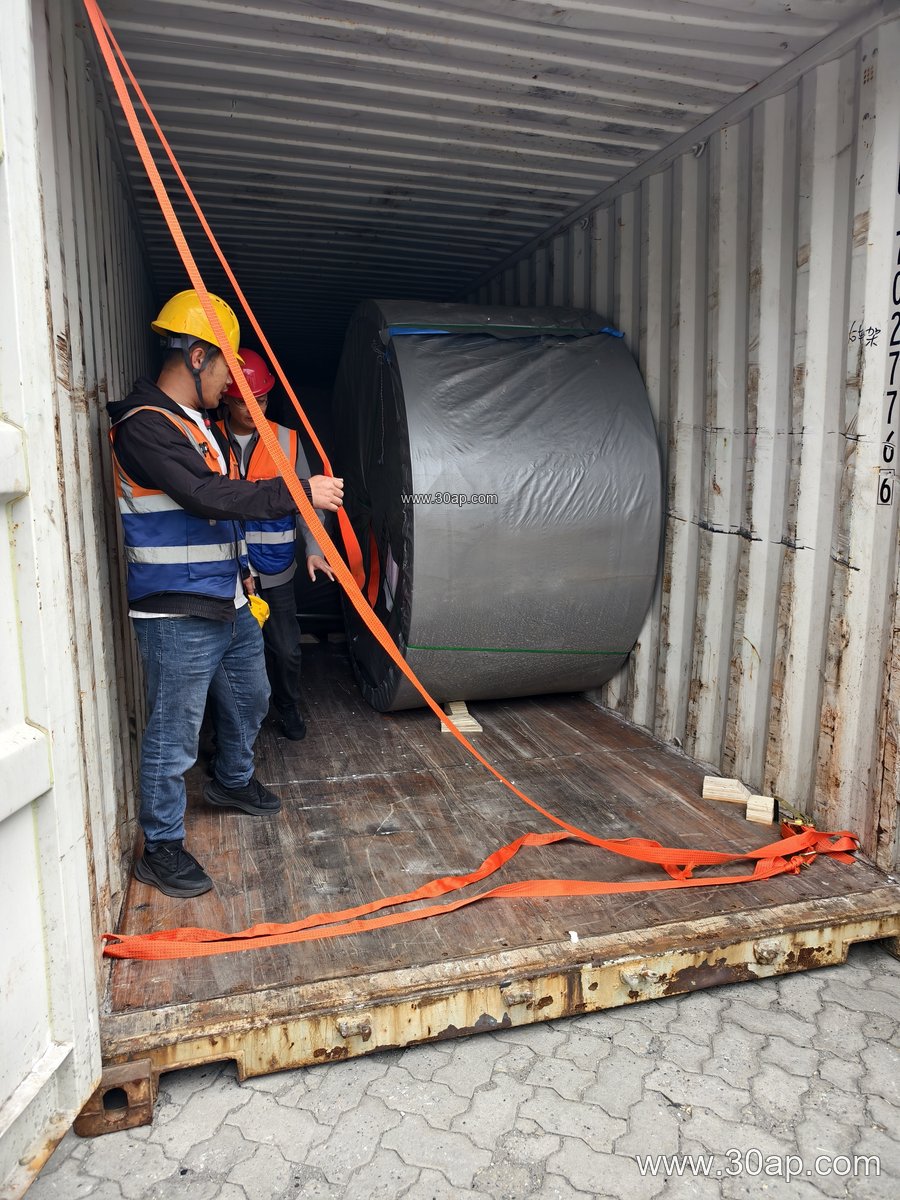
- Coal handling and preparation plants, where a flame retardant conveyor belt and anti-static properties are often requested;
- Cement plants and clinker lines, where an abrasion resistant conveyor belt reduces cover wear;
- Power plant fuel yards and limestone circuits;
- Quarries and sand and gravel operations feeding a crusher conveyor belt;
- Port and ship loading systems handling bulk material;
- Mines using a heavy-duty mining conveyor belt on inclined drifts.
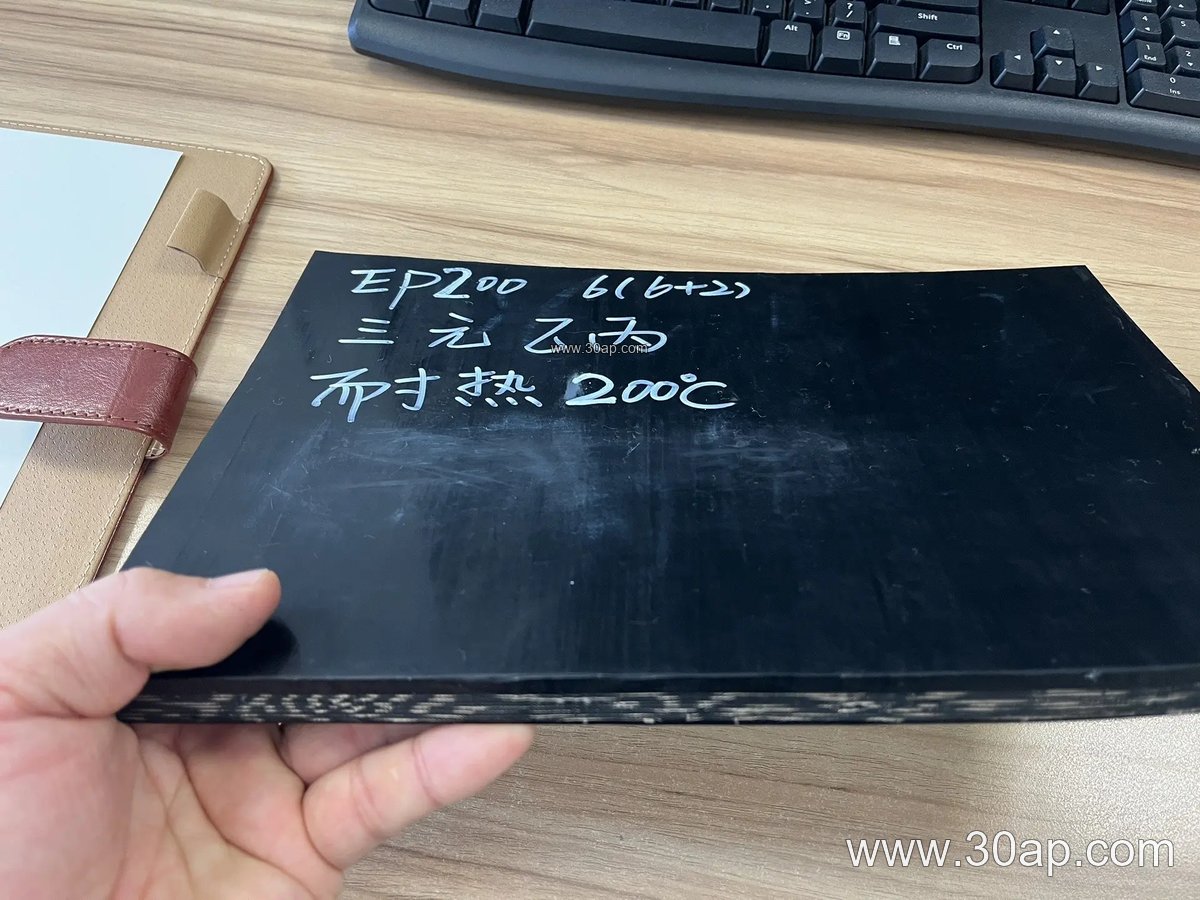
Where the material is hot, a heat resistant conveyor belt grade may be specified for the covers while the skirt compound is matched to the same temperature range. In cold climates a cold resistant conveyor belt compound helps keep the skirt flexible.
Specifications a Buyer Should Confirm
Sizes and grades are project-specific; the values below are common reference ranges, not universal rules. Final figures are set by the conveyor design and the belt maker.
| Parameter | Common reference range |
|---|---|
| Belt width | B500, B650, B800, B1000, B1200, B1400, B1600, B1800, B2000 |
| Carcass type | EP fabric, NN nylon, multi-ply fabric core, steel cord for long high-tension runs |
| Strength grade | EP200 to EP2000; ST1000 to ST3150 for steel cord constructions |
| Cover thickness | 3+1.5, 4+2, 5+2, 6+2, 8+3 mm |
| Ply count | Usually 2 to 6 layers, depending on tension |
| Skirt height | Selected from material depth and belt speed |
Note that belt width and pulley diameter are matched by the conveyor designer, not by a fixed rule; a wider belt does not automatically require one particular shaft size. Confirm skirt height, skirt hardness, cover grade and splice method together, because a skirt that is too stiff can crack at the joint.
Selection and Maintenance Notes
Check the load zone first. If material arrives with high impact, an impact resistant conveyor belt carcass and extra support idlers under the skirt line will extend service life. Keep the skirt edges clear of build-up; packed fines can wear through the skirt root quickly. Inspect the idler roller alignment so the belt trains centrally, since an off-centre belt presses one skirt against the structure. Splices deserve attention: skirted belts are usually joined with a vulcanised splice, and the skirt must be re-bonded or stepped across the joint to avoid a bump at each pulley.
For long overland or high-lift routes, compare the skirted option with a pipe conveyor belt or a corrugated sidewall belt before committing. Each solves containment differently, and the right choice depends on slope, capacity and transfer layout. Where a standard troughed belt already works well, a plain abrasion resistant conveyor belt may be the simpler and lower-maintenance answer.
Finally, match the rubber grade to the environment: oil resistant, acid resistant or chemical resistant covers where spillage is aggressive, and food grade conveyor belt compounds only for sanitary lines. Buyers should ask for the carcass data, cover grade and skirt specification in writing so the delivered belt matches the conveyor it will run on.