What a Skirted Conveyor Belt Is
A skirts conveyor belt is a rubber conveyor belt fitted with raised rubber walls, or skirts, along one or both edges. The skirts sit on top of the belt surface and form a shallow trough that holds material in place as it travels. This design is often used where a standard flat belt would let bulk material spill off the edges, especially on inclined sections or at transfer points. The product is also called a raised-edge belt or a belt with rubber side skirts. It should not be confused with a corrugated sidewall conveyor belt, which has taller, folded sidewalls and often cleats for steep inclines.
How the Belt Is Built
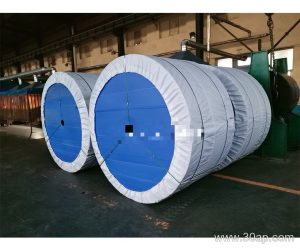
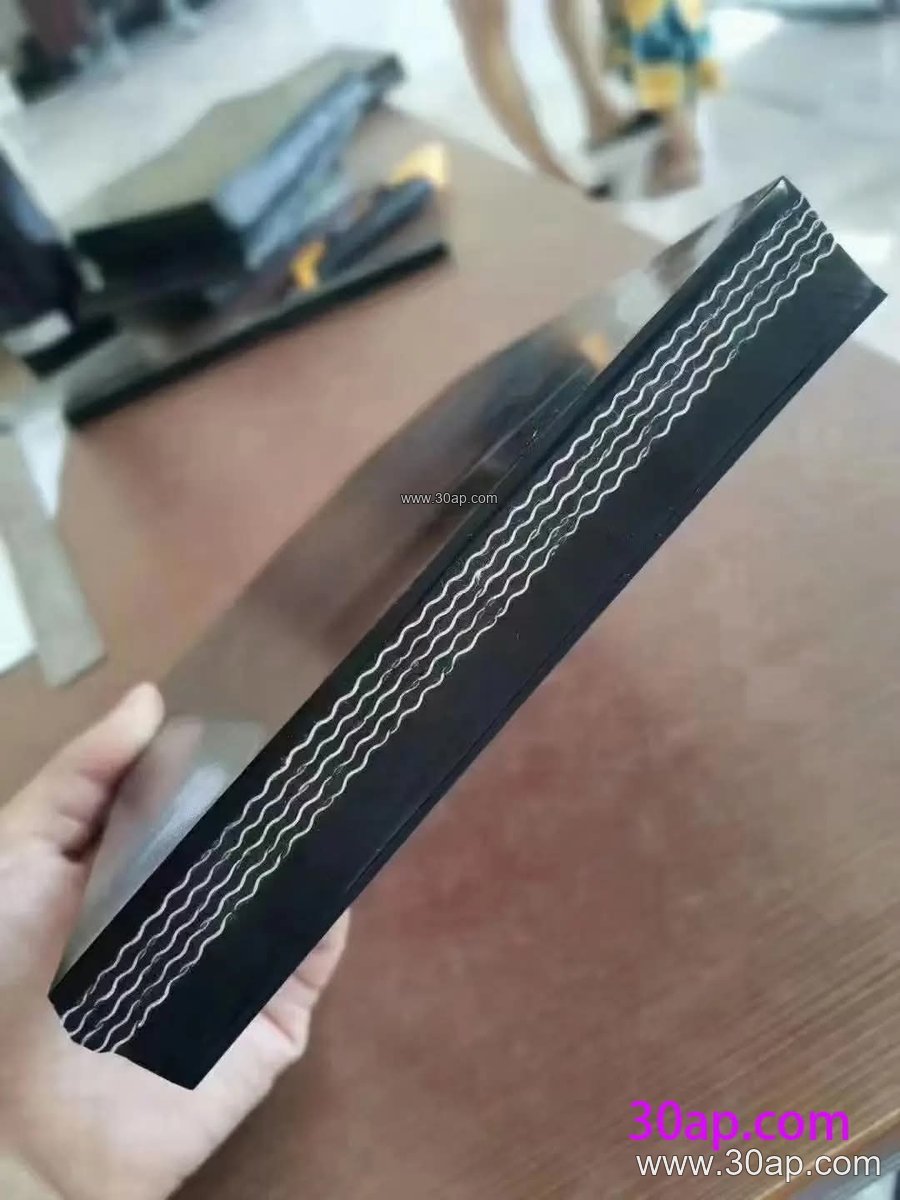
The base is usually a fabric-core construction, with EP conveyor belt or NN conveyor belt carcass options being common. The skirt is bonded to the top cover along the belt edge. A typical build includes:
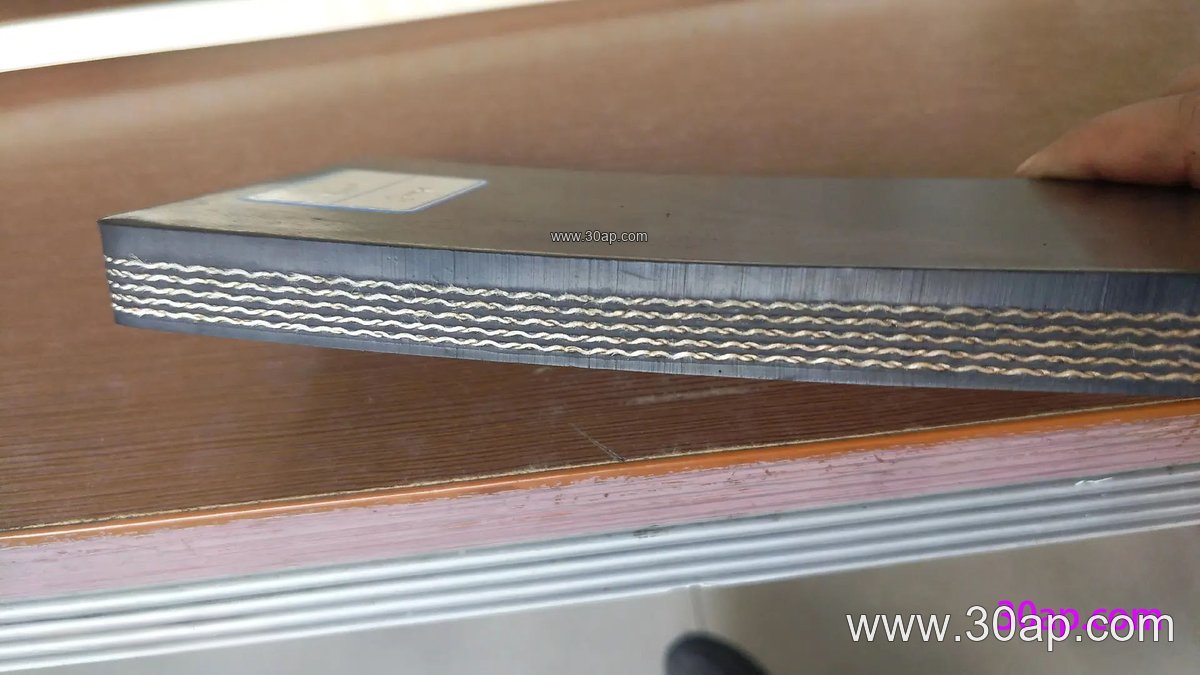
- Carcass: multi-ply fabric, such as EP100 or EP200, or a heavier EP conveyor belt grade for longer runs.
- Top cover: abrasion resistant rubber in common gauges like 4+2 mm or 6+2 mm.
- Skirt: molded rubber strip, usually 50 mm to 150 mm high, fixed with adhesive and sometimes mechanical fasteners.
- Edge reinforcement: extra rubber or fabric layers to resist peeling at the skirt base.
Belt width follows the conveyor frame. Common widths include 650mm conveyor belt, 800mm conveyor belt, 1000mm conveyor belt and 1200mm conveyor belt. Wider frames may use 1400mm or 1600mm belts. The skirt height and belt width are selected together, because a tall skirt on a narrow belt can reduce the usable load area.
Where It Fits in a Plant
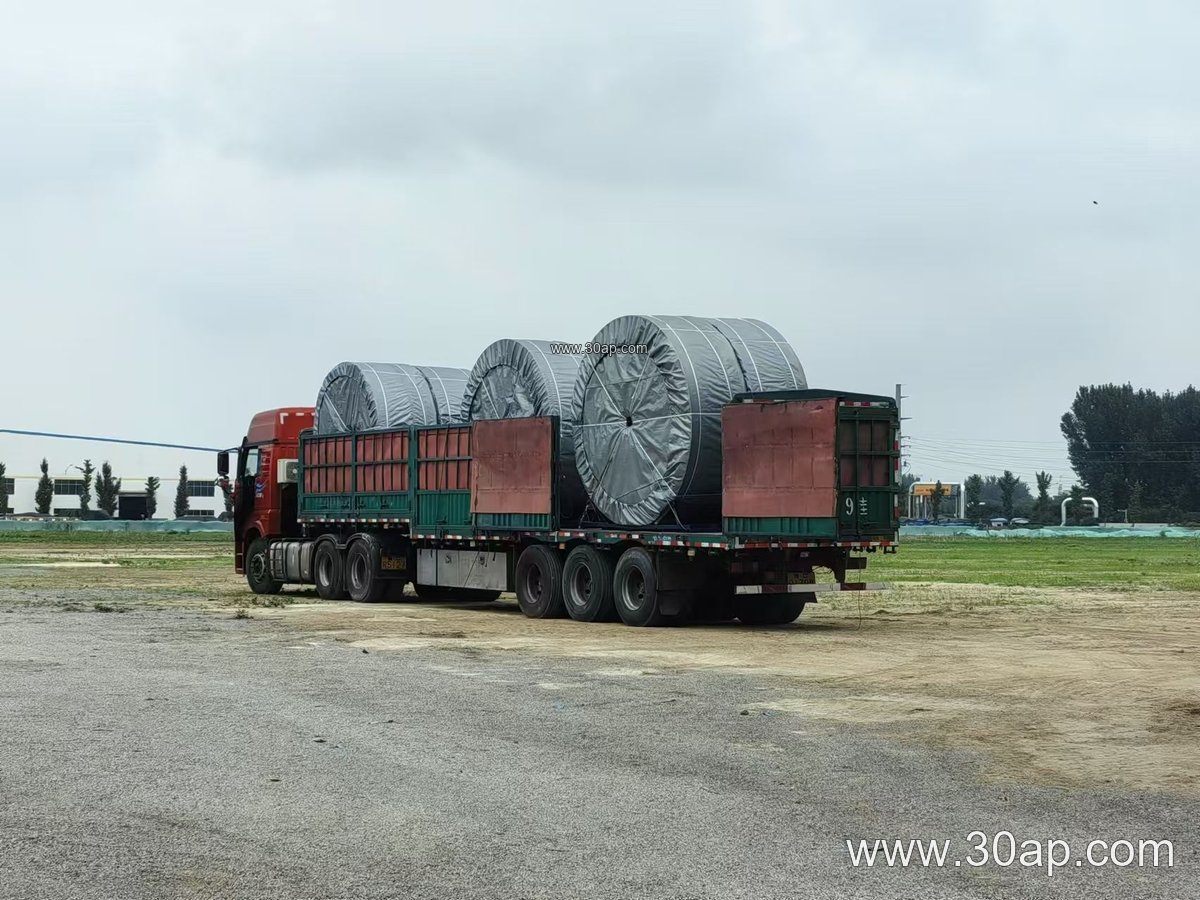
Skirted belts appear in mining conveyor belt systems, quarry conveyor belt lines, cement plant conveyor belt circuits, power plant conveyor belt handling, and sand and gravel operations. They are useful on:
- Inclined sections where loose aggregate would roll off a flat belt.
- Transfer points under a crusher conveyor belt or screen.
- Short feeder runs where a contained trough is preferred over a separate skirtboard.
- Mobile plants and batching systems that need a compact, self-contained belt path.
In coal mining conveyor belt service, flame retardant conveyor belt grades are often specified. In cement and clinker lines, heat resistant conveyor belt or abrasion resistant conveyor belt covers may be needed. The skirt itself is usually made from the same rubber compound family as the cover, so the edge and the skirt wear at a similar rate.
Skirted Belt vs Other Contained Designs
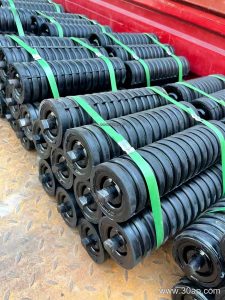
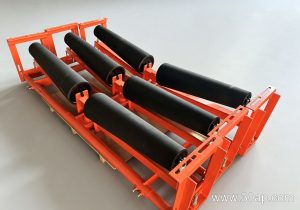
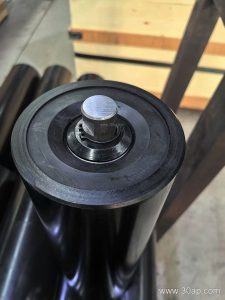
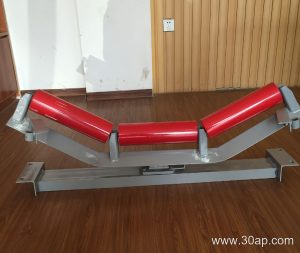
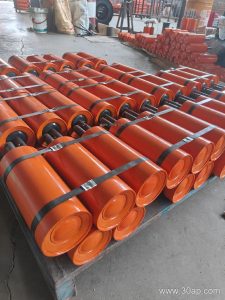
A corrugated sidewall conveyor belt is the closer relative for steep angles, with taller sidewalls and cross cleats. A pipe conveyor belt encloses the material completely and is chosen for long, curved routes. The skirted belt remains a simpler, lower-profile option for moderate inclines and open troughs. It works alongside standard conveyor pulley, idler roller and conveyor bracket hardware, so the frame does not need a special troughing arrangement beyond edge support.
Specifications Buyers Should Check
Data below are typical reference ranges, not fixed rules. Final values depend on the conveyor design and the supplier.
| Item | Common Options |
|---|---|
| Carcass type | EP, NN, multi-ply fabric |
| Strength grade | EP200, EP315, EP400, EP500, EP630 |
| Belt width | 500, 650, 800, 1000, 1200, 1400 mm |
| Cover gauge | 3+1.5, 4+2, 5+2, 6+2 mm |
| Skirt height | 50, 75, 100, 150 mm |
| Skirt position | one edge or both edges |
For high-abrasion stone crushing conveyor belt duty, a thicker top cover and a higher EP grade are common. For underground mining conveyor belt work, flame retardant and anti-static properties are usually required. Buyers should confirm the skirt bond method, the minimum pulley diameter for the belt thickness, and whether the skirt is vulcanized or cold-bonded. The drive pulley and tail pulley are not interchangeable, and the bend pulley layout affects how the skirt passes the transition zone.
Installation and Maintenance Notes
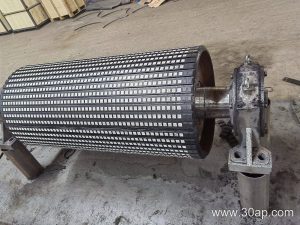
Keep the skirt clear of the idler roller faces and check that the belt runs centered. A misaligned belt can wear the skirt against the frame. Inspect the skirt base for cracking, especially after cold weather, and re-bond small lifts before they spread. Use a conveyor pulley with a suitable lagging and crown, and check conveyor bracket alignment at each section. Spare skirts should match the original rubber compound so the wear rate stays consistent.