What a Fire Resistant Conveyor Belt Is
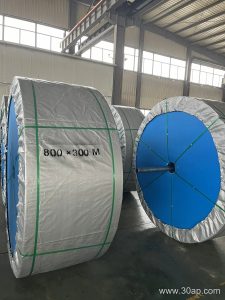
A fire resistant conveyor belt is a belt whose rubber compounds and construction are designed to resist ignition and limit flame spread when the belt is exposed to heat, friction or a nearby fire source. The product is also called a flame retardant conveyor belt, and the two names describe the same belt in most industrial purchasing contexts. It is not a heat resistant conveyor belt: heat resistance concerns retaining strength at elevated material temperatures, while fire resistance concerns ignition behavior and flame propagation. Some belts combine both properties, but a buyer should confirm which performance the specification actually covers.
These belts are common in coal mining conveyor systems, underground mining conveyor lines, power plant coal handling, cement plants and port coal terminals, where a stalled belt, a seized idler roller or an overheated conveyor pulley can create a local ignition risk.
Construction and Compound Design
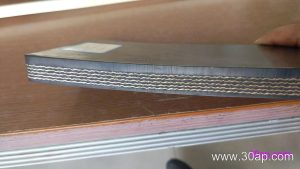
The carcass and the cover rubber both matter. A typical fire resistant belt uses a fabric core such as an EP conveyor belt or NN conveyor belt carcass, or a steel cord conveyor belt carcass for long, high-tension lines. Cover compounds usually include halogenated or other flame suppressant additives, and antistatic components are often added so static charge does not accumulate on the running surface.
Construction details vary by manufacturer and by the risk assessment of the plant:
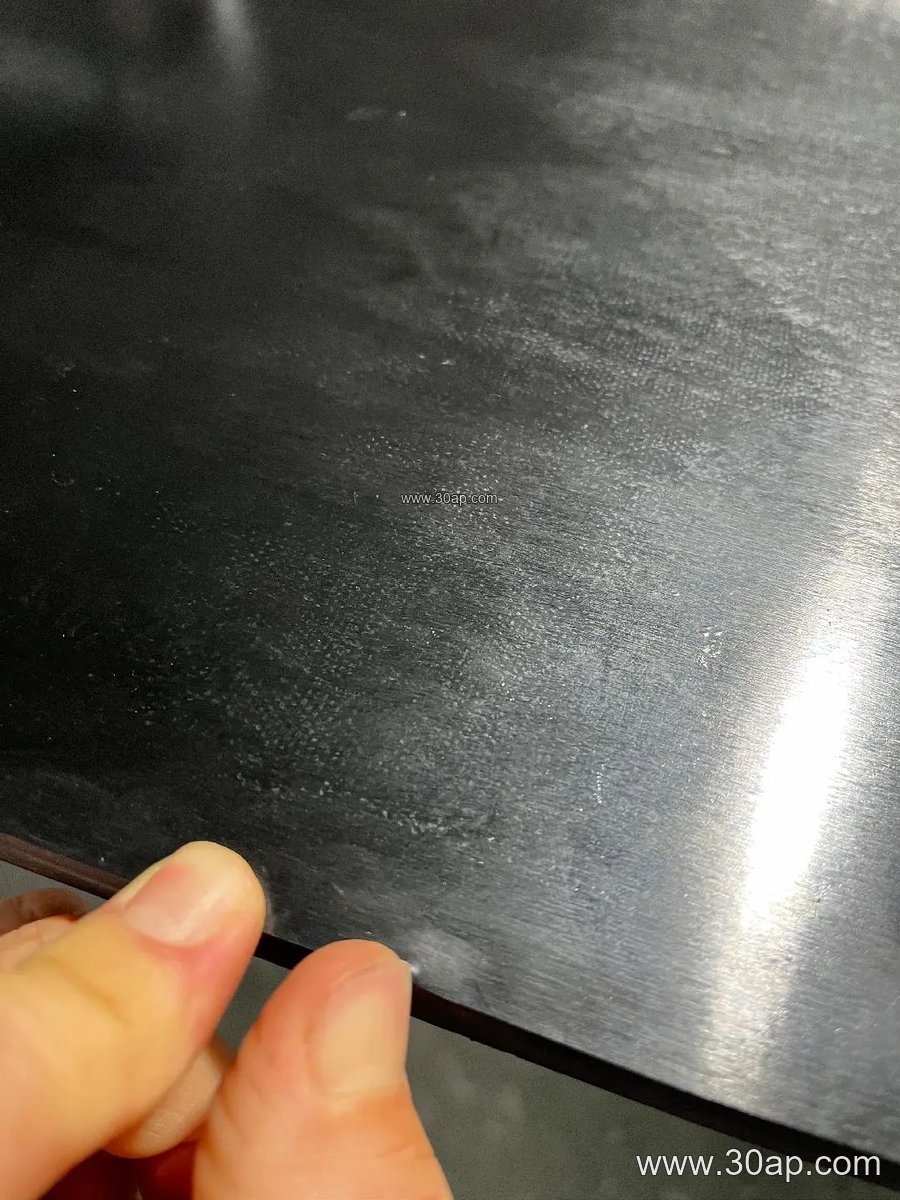
- Fabric core carcass: 2 to 6 plies are common, with EP or nylon fabric.
- Steel cord carcass: used where tensile strength and low elongation are required over long distances.
- Cover thickness: 3+1.5 mm, 4+2 mm, 5+2 mm, 6+2 mm and 8+3 mm are typical combinations of top and bottom cover.
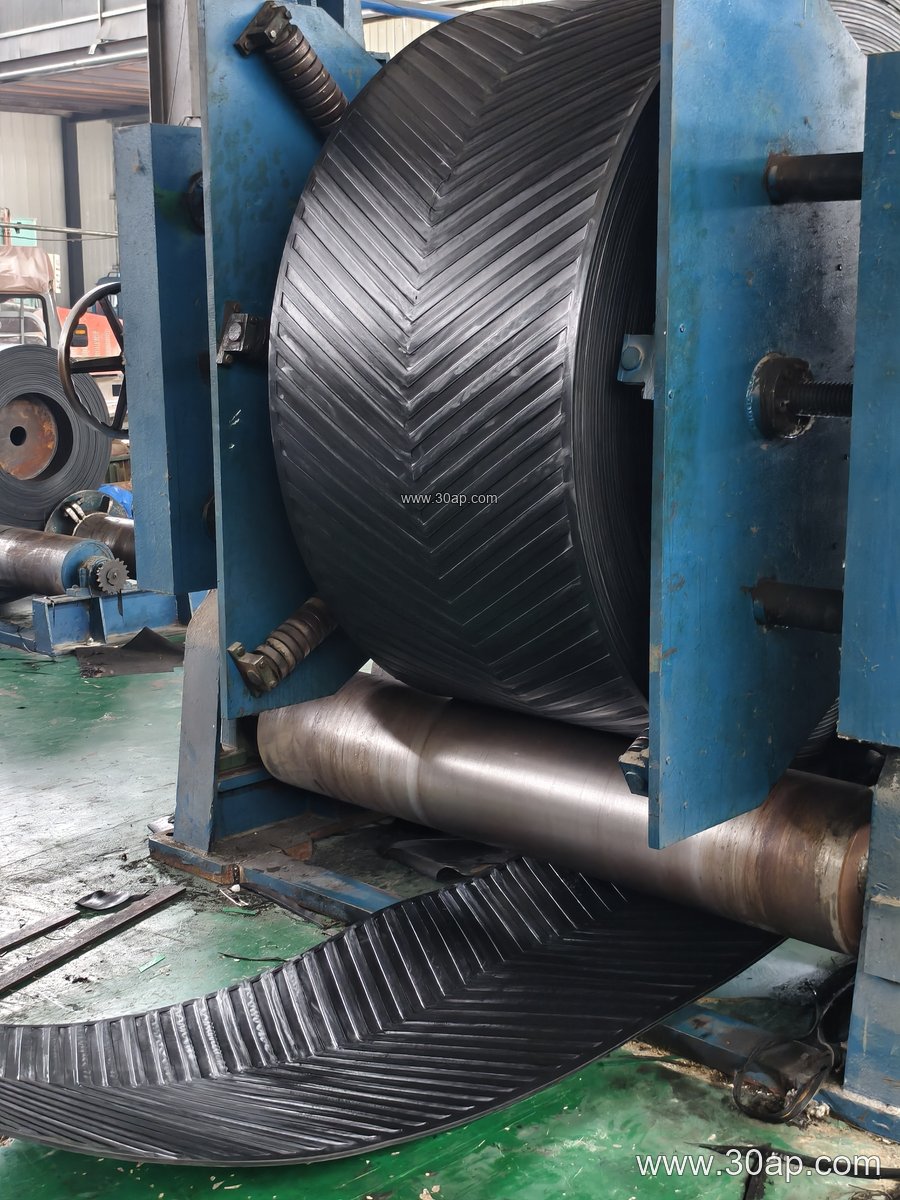
- Surface form: plain, chevron or corrugated sidewall designs are available when the route needs them.
Typical Strength and Width Ranges
The table below lists common reference values, not fixed supply commitments. Final values are determined by the conveyor design, the material carried and the manufacturer.
| Property | Common reference range |
|---|---|
| Fabric core strength | EP200, EP315, EP400, EP500, EP630, EP800, EP1000, EP1250, EP1600, EP2000 |
| Steel cord strength | ST1000 to ST3150 class belts |
| Belt width | B500, B650, B800, B1000, B1200, B1400, B1600, B1800, B2000 |
| Cover thickness | 3+1.5 mm up to 8+3 mm |
Width and pulley diameter are separate design decisions. A wider belt does not automatically dictate a particular pulley size, and shaft diameter should be calculated from the actual load case rather than assumed from belt width.
Where the Belt Fits in the Conveyor
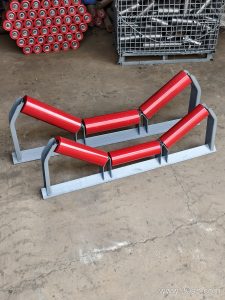
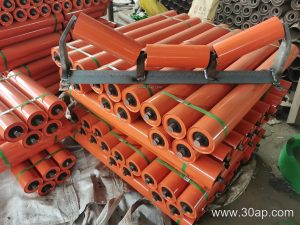
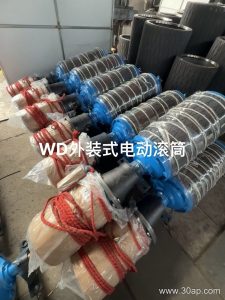
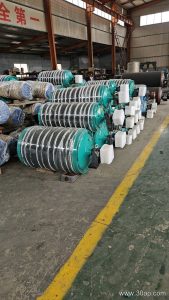
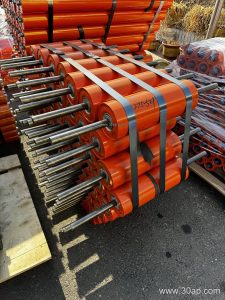
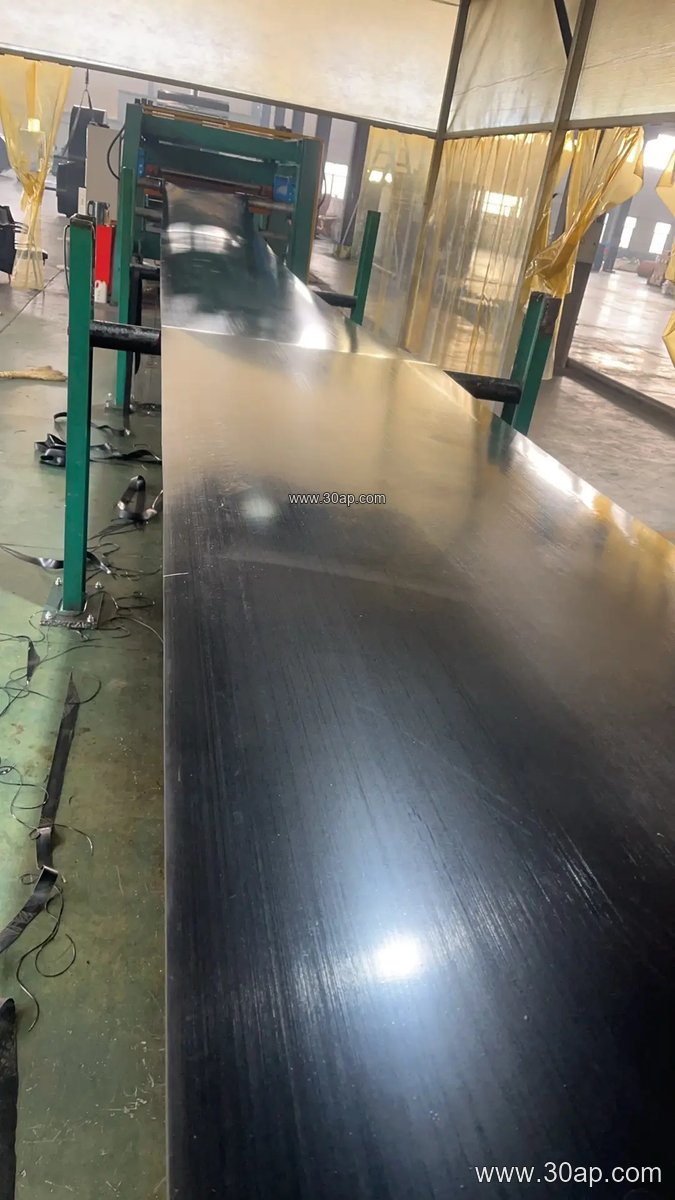
The belt runs over the drive pulley, tail pulley and bend pulleys, and is supported by idler rollers mounted on conveyor brackets along the carrying and return sides. A fire resistant belt does not remove the need for good housekeeping around these components. Spillage trapped against a return idler roller or a bend pulley can cause rubbing and heat buildup, which is exactly the condition a flame retardant belt is meant to tolerate rather than eliminate.
In coal mining conveyor and underground coal mining conveyor applications, the belt is often specified together with anti-static and flame retardant requirements. In cement plants, quarry conveyor lines and aggregate conveyor belts, the same belt may be chosen for dusty, enclosed galleries where ignition sources are present. A chevron conveyor belt or corrugated sidewall conveyor belt can be supplied in a fire resistant compound when an inclined route needs extra material retention.
Buyer Checklist
- Confirm the required fire performance class and whether anti-static behavior is also required.
- Match carcass type and strength to the conveyor tension calculation, not to a rule of thumb.
- State belt width, cover thickness and whether a plain, chevron or sidewall surface is needed.
- Check pulley and idler roller condition before installation, since worn components increase friction.
- Ask for the manufacturer’s test data for the specific compound and construction offered.
- Plan splicing and inspection so that joints do not become the weak point of the fire resistant belt.
For related equipment and belt options, see Rubber Conveyor Belt, Flame Retardant Conveyor Belt, EP Conveyor Belt and Mining Conveyor Belt. A correctly specified fire resistant belt, matched to the conveyor pulley layout and maintained idler rollers, supports safer material handling in mines, coal preparation plants and heavy bulk terminals.