What the ST1250 Conveyor Belt Is
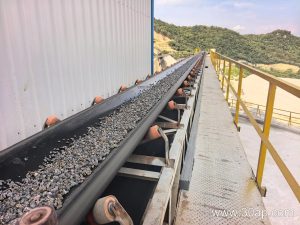
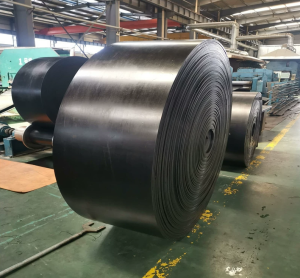
The ST1250 Conveyor Belt is a steel cord conveyor belt with a nominal tensile strength of 1250 N/mm. It belongs to the Steel Cord Conveyor Belt family, where the load-bearing skeleton is made of parallel steel cords rather than woven fabric plies. That construction gives the ST1250 its defining traits: very low elongation under tension, excellent longitudinal stability, and the ability to span long conveying distances with few transfer points. In mining, cement, and bulk terminal projects, engineers often specify this belt class when a single flight must carry large tonnages over hundreds of meters without excessive stretch.
Because the strength rating sits in the middle of the steel cord range, the ST1250 is a practical choice for main haulage lines that are heavier than fabric-reinforced belts can handle but do not yet require the very high tensions of ST2500 or ST3150 designs. It is frequently compared with high-strength EP Conveyor Belt grades such as EP1000 or EP1250, which use multi-ply fabric cores; the steel cord version offers lower elongation and better impact resistance at equivalent width, while the fabric version remains easier to splice in some workshops.
Construction and Cover Compounds
A typical ST1250 belt consists of galvanized steel cords embedded in a rubber core compound, protected on both faces by cover rubber. The cords run longitudinally and are spaced to distribute tension evenly across the width. Cover thickness is selected according to the abrasive and impact conditions of the duty, with common combinations such as 6+2 mm, 8+3 mm, or heavier gauges for primary crushing stations. The rubber grade can be tailored: abrasion resistant compounds for quarry and aggregate service, heat resistant grades for cement kiln feed lines, flame retardant and anti-static versions for underground coal mining, and oil resistant or cold resistant variants for special environments.
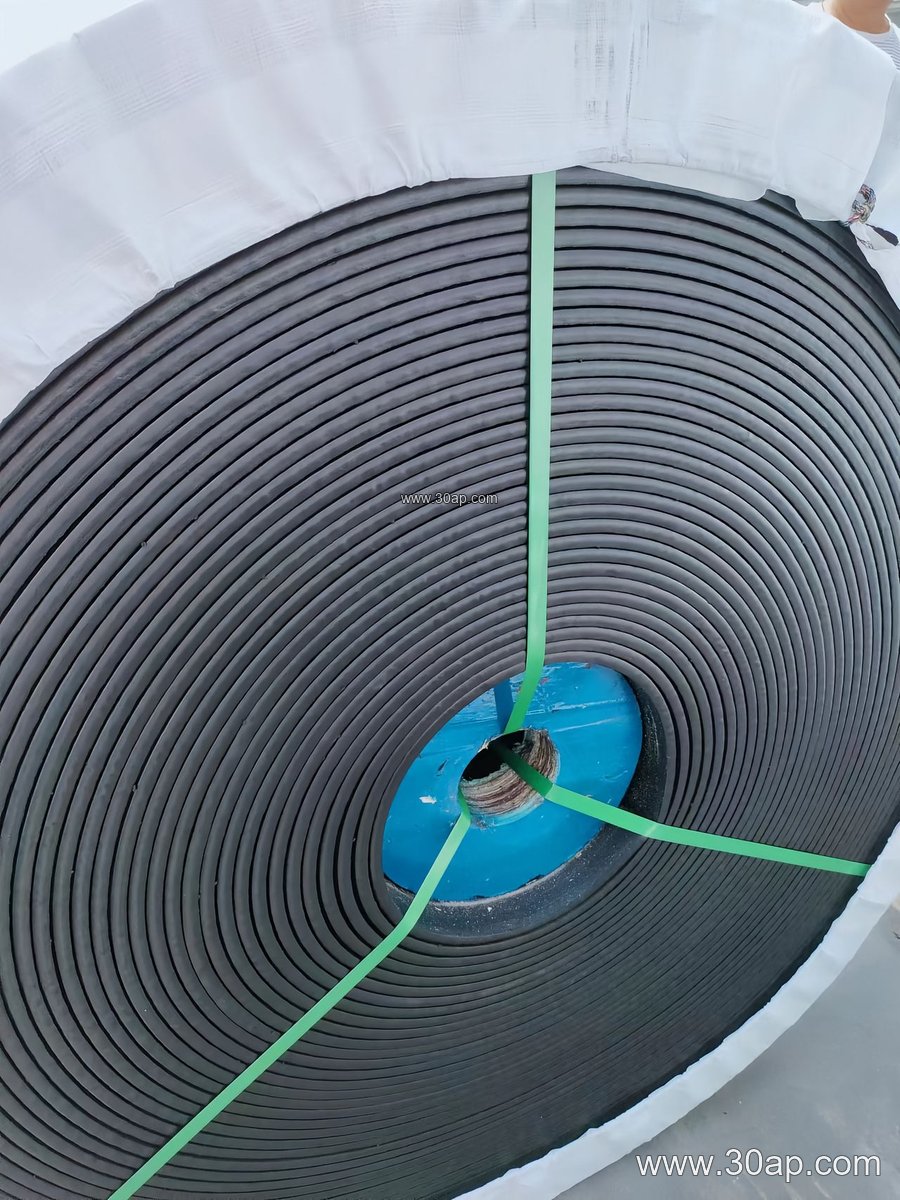
Belt edges are usually protected by a rubber edge strip or increased cover wrap to resist fraying at the pulley contact zones. The splice is a critical part of the system; steel cord belts are normally joined by vulcanized finger splices that restore cord-to-cord continuity, so the belt’s rated strength depends heavily on splice quality and field workmanship.
Where It Fits in the Conveyor System
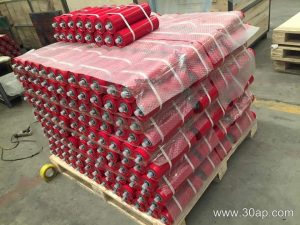
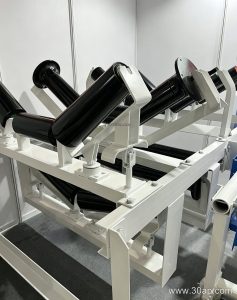
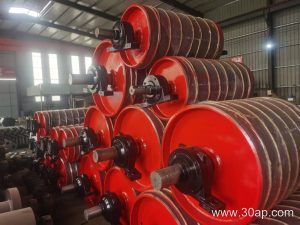
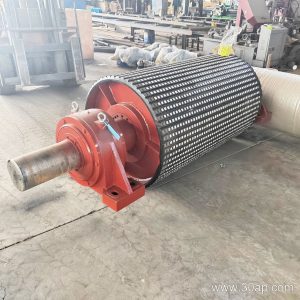
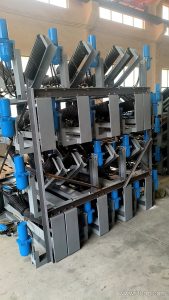
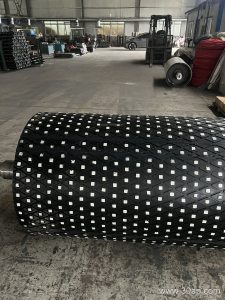
The ST1250 works together with the mechanical components of the conveyor: the drive pulley transmits motion, the tail pulley provides return tension, and bend pulleys route the belt through curves and take-up sections. These pulleys are distinct components and are selected by shaft load, belt tension, and wrap angle rather than by belt width alone. Idler rollers support the loaded strand, while conveyor brackets and frames hold the idlers and pulleys in alignment. A well-matched system keeps the belt tracking centrally and avoids edge damage.
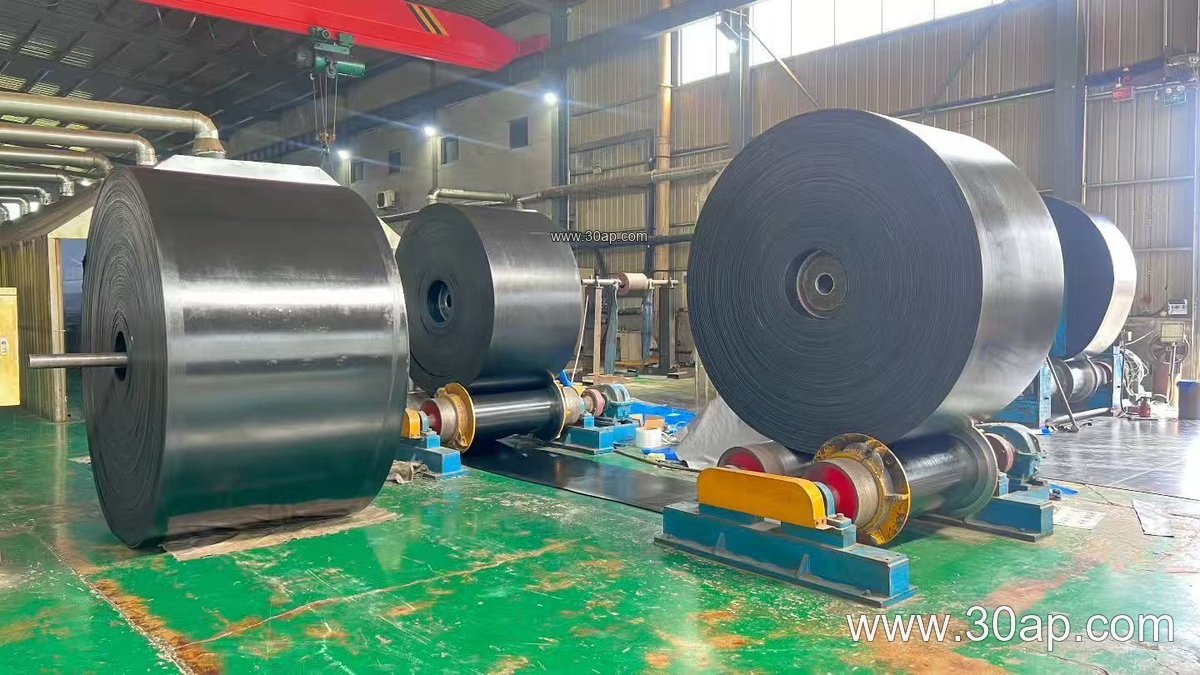
Typical applications include:
- Main haulage in underground coal mining and metal mines, where flame retardant and anti-static properties are often required
- Long overland lines at cement plants and power plants handling clinker, limestone, and coal
- Primary and secondary crusher discharge in quarry and aggregate operations
- Port and ship loading conveyors moving ore, fertilizer, and other bulk materials
In these duties, the belt may be paired with a Flame Retardant Conveyor Belt specification for enclosed galleries, or with heat resistant covers where material temperature is elevated.
Common Reference Dimensions
The table below shows typical reference values; actual supply is confirmed by the manufacturer and the conveyor design.
| Parameter | Common Reference Range |
|---|---|
| Nominal strength | ST1250 (1250 N/mm) |
| Belt width | B800, B1000, B1200, B1400, B1600, B1800, B2000 |
| Cover thickness | 4+2, 5+2, 6+2, 8+3 mm |
| Cover grades | Abrasion resistant, heat resistant, flame retardant, oil resistant, cold resistant |
| Core type | Parallel steel cords |
Widths such as 1200 mm and 1400 mm are common on main lines, while 1800 mm and 2000 mm appear in high-capacity port and mine systems. The belt width does not dictate a single pulley diameter; pulley sizing follows tension, cord diameter, and the manufacturer’s recommended ratio.
Selection and Maintenance Notes
Buyers should confirm the maximum operating tension, the duty cycle, material lump size, and the ambient and material temperatures before choosing covers. Impact at the loading point is a frequent cause of cover damage, so impact idlers or a cushioning chute design may be worthwhile. For underground coal service, flame retardant and anti-static performance should be specified together with the Coal Mining Conveyor Belt requirements of the site.
During operation, check belt tracking at the drive and tail pulleys, inspect the splice for cord exposure, and monitor idler rollers for seized bearings that can score the cover. Keeping the belt cleaner and the chute aligned reduces edge wear and extends service life. When replacement is planned, record the existing belt’s width, cover gauge, and splice length so the new ST1250 matches the conveyor’s tension and pulley geometry.