What a Conveyor Idler Bracket Does on the Belt Line
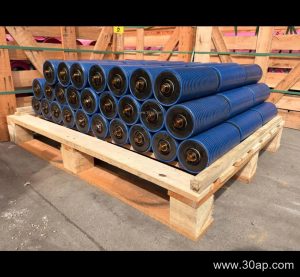
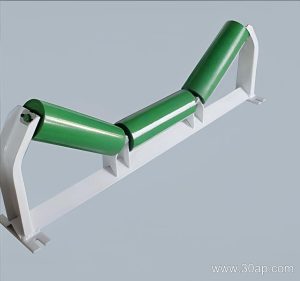
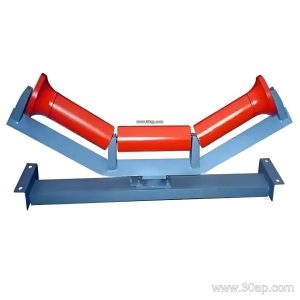
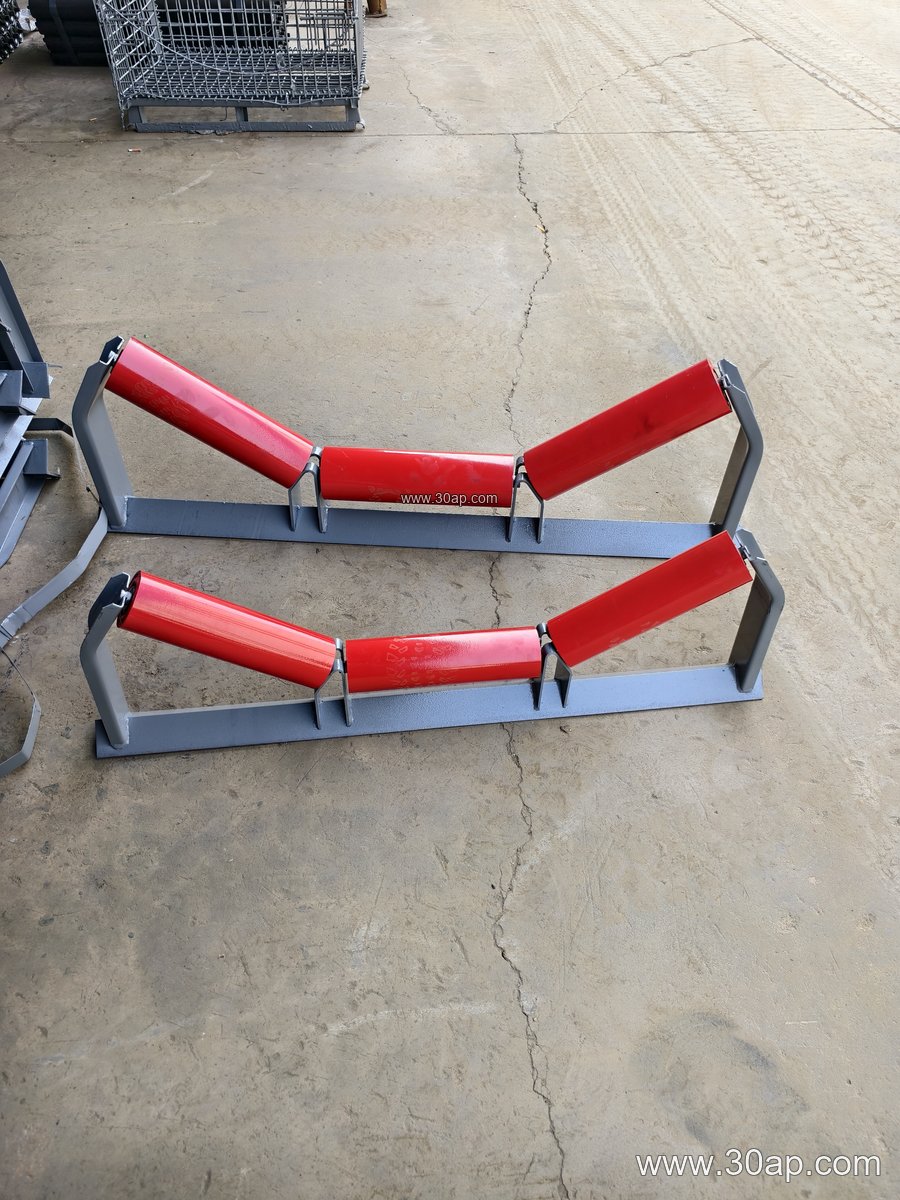
A conveyor idler bracket is the structural component that holds idler rollers in the correct position under or along the conveyor belt. It connects the rotating parts to the conveyor frame, sets the trough angle of the carrying side, and keeps spacing consistent so the belt runs smoothly. In a quarry, limestone mine, or sand and gravel line, a worn or misaligned bracket is often the real reason a belt starts to wander, spill material, or wear its edges.
The bracket is a simple product in principle but a critical one in practice. It carries the load transferred from the belt and the material being moved, so its material grade, weld quality, and hole alignment matter as much as the roller itself. A matching idler roller cannot compensate for a bracket that is twisted or set at the wrong angle.
Construction and Common Materials
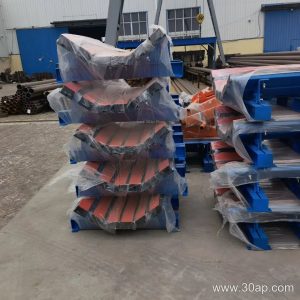
Most brackets are fabricated from angle steel, channel steel, or folded steel plate. The frame may be bolted or welded, and the mounting slots are punched or drilled to accept the idler shaft ends. Surface treatment is usually painting or galvanizing, chosen according to the dust, moisture, and corrosion conditions of the site.
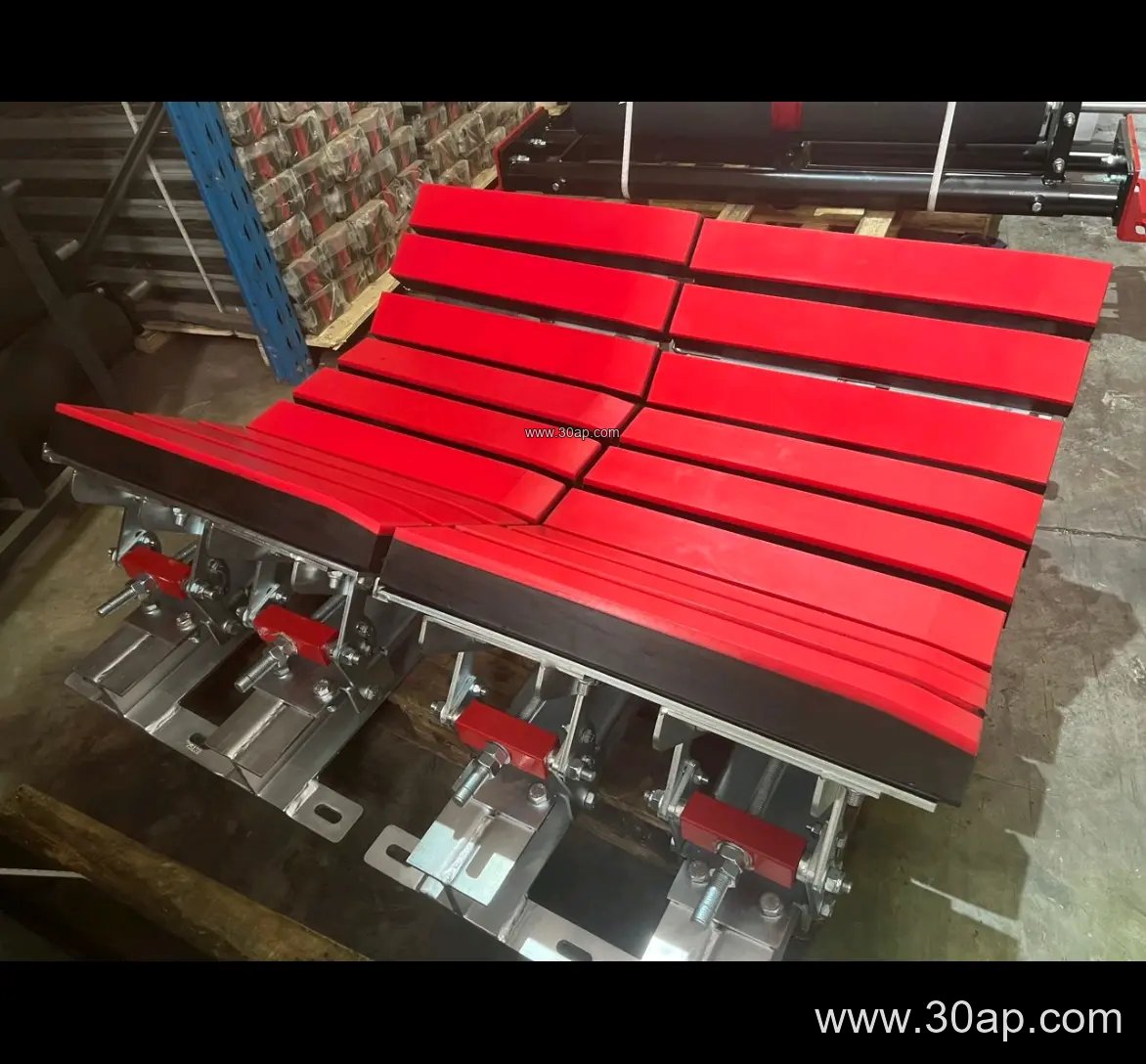
Typical forms include trough brackets for the carrying side, return brackets for the lower run, impact brackets at loading points, self-aligning brackets, and adjustable brackets. Each has a different role, so the bracket type should follow the conveyor design rather than be treated as a generic part.
How Trough Angle and Belt Width Work Together
Trough angle affects how well the belt contains material. Common angles are 20, 30, 35, and 45 degrees. A wider belt carrying coarse rock may use a deeper trough, while a flat or lightly troughed run suits certain transfer points. Adjustable brackets allow the angle to be set within a range on site, which is useful during commissioning.
Belt width and idler diameter are related design choices, not fixed pairs. A B800 conveyor might run 35 degrees with Ø108 idlers, while a B1200 line could use 45 degrees with Ø133, and a smaller B650 unit may use 30 degrees with Ø89. These are examples of common combinations, not mandatory matches. Mounting hole spacing and crossbeam length change with belt width and trough angle, so they should be confirmed against the drawing.
| Reference Item | Typical Range | Notes |
|---|---|---|
| Belt width | B500 to B2200 | Bracket length follows the frame design |
| Trough angle | 20°, 30°, 35°, 45° | Adjustable types cover a range |
| Idler diameter | Ø89, Ø108, Ø133, Ø159, Ø194 | Selected with load and belt speed |
| Forward tilt | About 1.5° to 2° | Used on forward-tilt brackets |
Where These Brackets Are Used
In a coal washing plant or power station coal yard, flame retardant and anti-static belt grades are common, and brackets must resist fine dust and occasional moisture. In a cement plant or crushing and screening circuit, impact brackets at the loading point protect both the roller and the belt from lump shock. The same principle applies on a heavy-duty mining conveyor belt running ore from the pit to the stockpile.
Bracket choice also interacts with belt construction. A steel cord conveyor belt is stiff and needs well-aligned idlers to avoid edge stress, while a multi-ply fabric core belt tolerates more flexibility but still depends on correct trough geometry. On a pipe conveyor belt or a corrugated sidewall conveyor belt, the bracket layout follows the special frame rather than a standard trough set.
What Buyers Should Check Before Ordering
- Confirm belt width, trough angle, and idler diameter as a set, not separately.
- Ask for the mounting hole spacing and crossbeam length against your frame drawing.
- State the environment: dust, moisture, corrosive splash, or high temperature.
- Decide between fixed and adjustable brackets based on commissioning needs.
- Check that the bracket material and finish suit the duty, especially at transfer points.
For a coal mining conveyor belt or an underground mining conveyor belt installation, flame retardant and fire resistant belt grades are often specified, and the bracket should be compatible with the frame and roller set used there. Buyers comparing suppliers should request dimensional drawings and material details rather than relying on a model number alone.
Maintenance and Long-Term Reliability
Inspect brackets during routine idler changes. Look for bent crossbeams, elongated holes, loose bolts, and corrosion at welds. A bracket that has shifted will load the belt unevenly and can shorten roller life. Keeping the frame square and the trough angle consistent helps the belt track straight and reduces spillage in aggregate, ore, and cement service.
Because the bracket is a low-cost item relative to the belt and pulleys, replacing damaged units early is usually cheaper than correcting belt edge damage later. Use the conveyor drawing as the reference for replacement, and match the new bracket to the existing roller diameter and frame holes.