What an Automatic Self-Aligning Idler Does
An automatic self-aligning idler is a carrying or return roller assembly that corrects belt drift without operator input. When a conveyor belt begins to wander off center, the idler reacts to the misalignment and steers the belt back toward the middle of the frame. This makes it a practical choice for long conveyors, uneven loading points, and structures that are difficult to adjust by hand. The same product is also known as a self-tracking idler or self-centering idler, and the two names describe the same function.
Tracking problems are common in quarry conveyor belt lines and in cement plant transfer houses, where material lands off center and side loads push the belt sideways. A self-aligning roller does not replace good pulley alignment or proper belt tension, but it reduces the need for frequent manual correction.
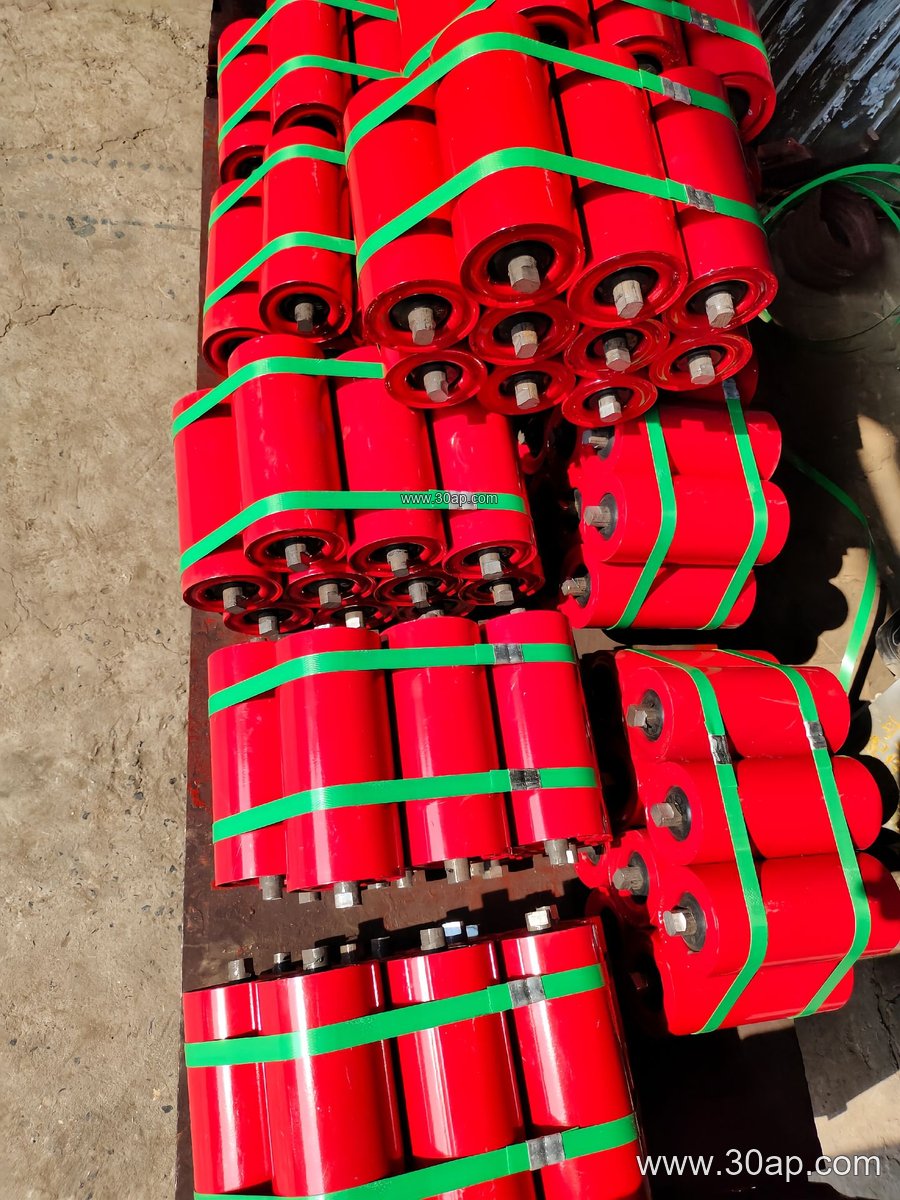
How the Assembly Is Built
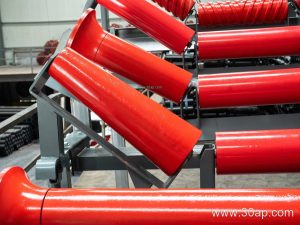
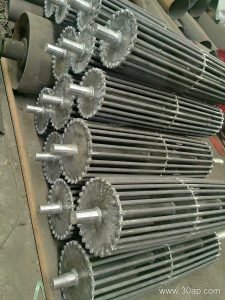
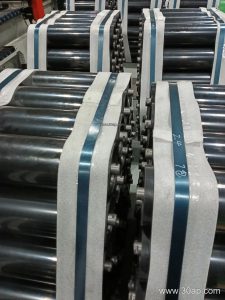
A typical unit combines a roller set, a pivoting frame, and a bracket that mounts to the conveyor stringer. The rollers sit in a cradle that can rotate slightly about a vertical or inclined axis. When the belt contacts the roller at an angle, friction and the resulting side force turn the cradle. The angled rollers then guide the belt back to the center line. Some designs add tapered roller ends or a small forward tilt of about 1.5 to 2 degrees to strengthen the correcting action.
- Roller shell in steel tube, nylon, ceramic, or rubber ring versions
- Bearing seats commonly using 6204, 6205, 6305, 6306, 6308, or 6310 bearings
- Pivot shaft and mounting bracket for fixed or adjustable installation
- Seals and grease points for dusty service conditions
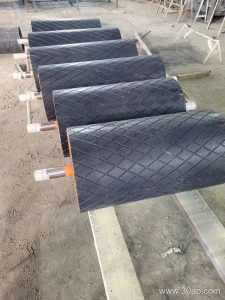
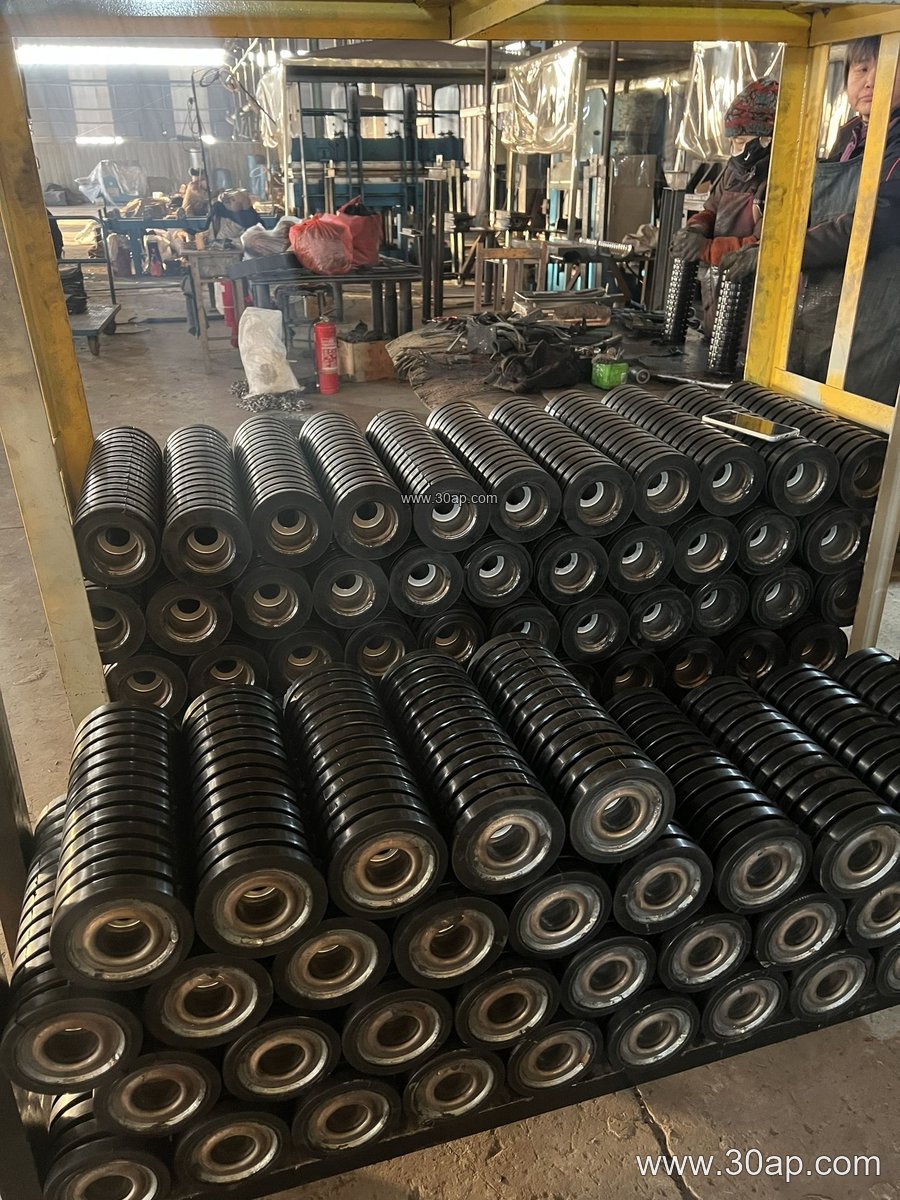
The idler roller surface matters in abrasive service. Rubber rings absorb impact at loading zones, while ceramic or nylon covers can reduce buildup and wear. The conveyor bracket must match the frame hole pattern and the belt line height, so buyers should confirm mounting dimensions before ordering.
Where It Fits on the Conveyor
Self-aligning idlers are usually installed at intervals along the carrying side, especially after curves, transfer points, and long straight runs. Return-side versions are placed under the belt to control the lower strand. They are common in coal handling, power plant coal conveying, iron ore and copper ore systems, sand and aggregate lines, and fertilizer plants. In a tunnel or underground mine, space is tight, so compact frames and easy lubrication points are valued.
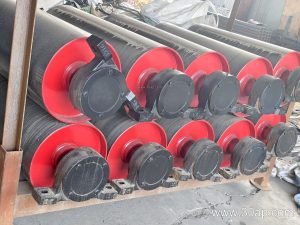
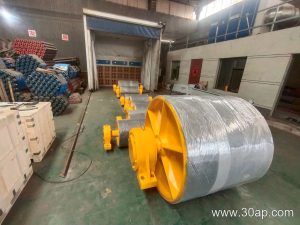
They are not a substitute for a drive pulley, tail pulley, or bend pulley. Those components set belt tension and direction, while the self-aligning idler only makes small steering corrections. A badly worn conveyor pulley or a build-up on the pulley face should be fixed first, because no tracking roller can compensate for a crowned or damaged pulley.
Common Sizes and Selection Points
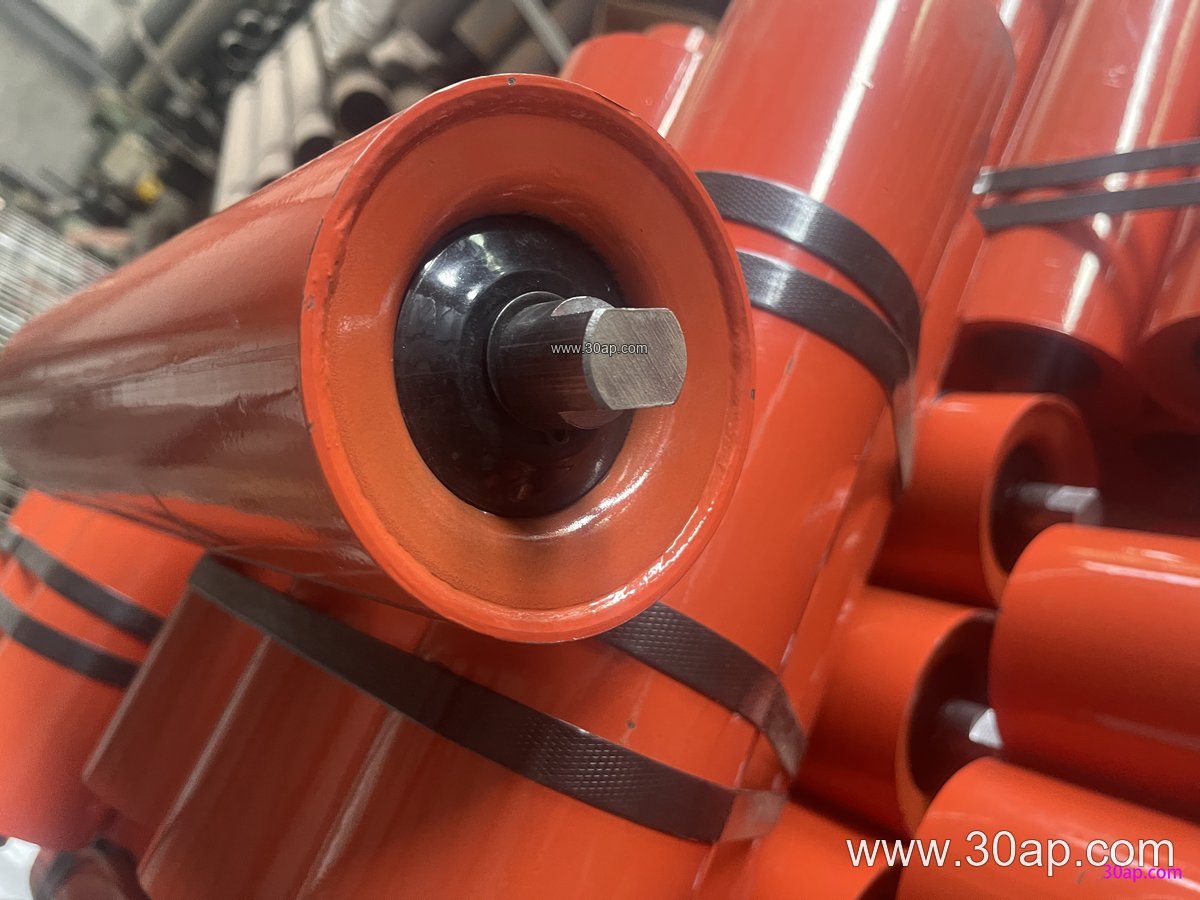
Selection starts with belt width, trough angle, and the load carried. The table below shows common reference values, not fixed combinations. Final roller length, shaft size, and bearing choice are set by the conveyor design.
| Belt width | Typical roller diameter | Typical trough angle | Example roller length for three-roll trough set |
|---|---|---|---|
| B500 | Ø76 to Ø89 | 20 to 35 degrees | about 200 mm |
| B650 | Ø89 to Ø108 | 20 to 35 degrees | about 250 mm |
| B800 | Ø89 to Ø127 | 30 to 35 degrees | about 315 mm |
| B1000 | Ø108 to Ø133 | 30 to 45 degrees | about 380 mm |
| B1200 | Ø108 to Ø159 | 30 to 45 degrees | about 465 mm |
| B1400 | Ø127 to Ø159 | 30 to 45 degrees | about 530 mm |
| B1600 | Ø133 to Ø178 | 35 to 45 degrees | about 600 mm |
| B1800 | Ø133 to Ø194 | 35 to 45 degrees | about 670 mm |
| B2000 | Ø159 to Ø219 | 35 to 45 degrees | about 750 mm |
For a heavy-duty mining conveyor belt carrying lump ore, a larger roller diameter and stronger bearing seat reduce deflection. For a light aggregate line, a smaller diameter may be sufficient. Buyers should also check whether the frame is a single-roll, two-roll, or three-roll trough arrangement, because side rollers and center rollers can differ in length.
Buyer Checklist
- Confirm belt width, trough angle, and whether the unit is for the carrying or return side.
- Match the bracket to the existing frame; ask for a dimension drawing.
- Check roller surface choice against dust, moisture, and impact conditions.
- Review bearing type and sealing for the site environment.
- Plan a inspection interval so worn rollers are replaced before they damage the belt edge.
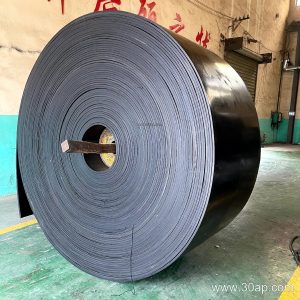
A well-chosen automatic self-aligning idler is a low-maintenance way to keep a rubber conveyor belt centered, provided the rest of the conveyor structure is in good order.