What a Head Pulley Assembly Is
A head pulley assembly is the drive end of a belt conveyor. It combines a large conveyor pulley, its shaft, bearings, bearing housings, and the supporting conveyor bracket or frame into one working unit. Because the head pulley is usually the drive pulley, it grips the conveyor belt and pulls the loaded strand toward the discharge point. In many plants the same assembly also acts as the unloading or discharge pulley, so the material leaves the belt as it wraps over the drum.
People often shorten the name to head pulley, drive drum, or head drum. All of these refer to the same component. They are not the same as a tail pulley, which sits at the return end, or a bend pulley, which only changes belt direction. Those parts do different jobs and should not be ordered as substitutes.
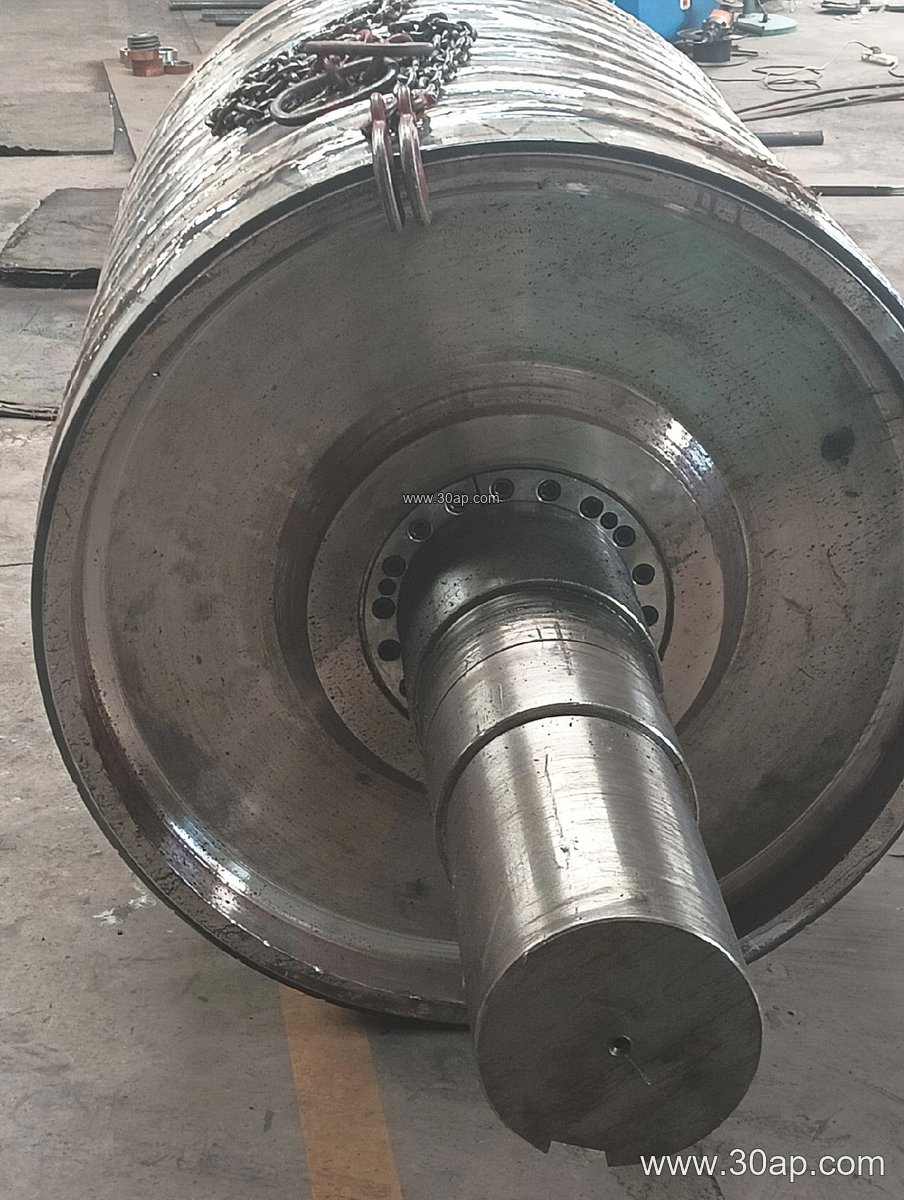
How the Assembly Is Built
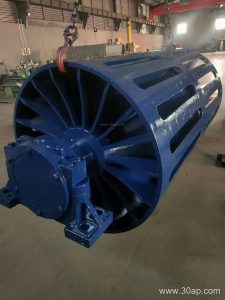
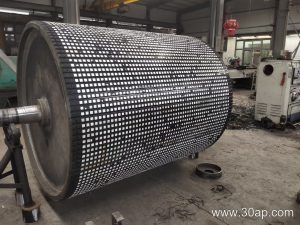
The core is a cylindrical shell, normally welded steel, with end discs and a hub. The shaft passes through the hub and carries the bearings. Larger units often use a locked hub or a shrink disc so the shaft can be removed without cutting the shell. The surface may stay plain or receive lagging for grip.
- Shell and end discs welded and machined for balance
- Shaft sized by torque and radial load, not by belt width alone
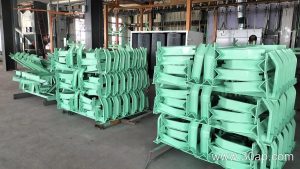
- Bearing housings bolted to the frame or to a tensioning slide
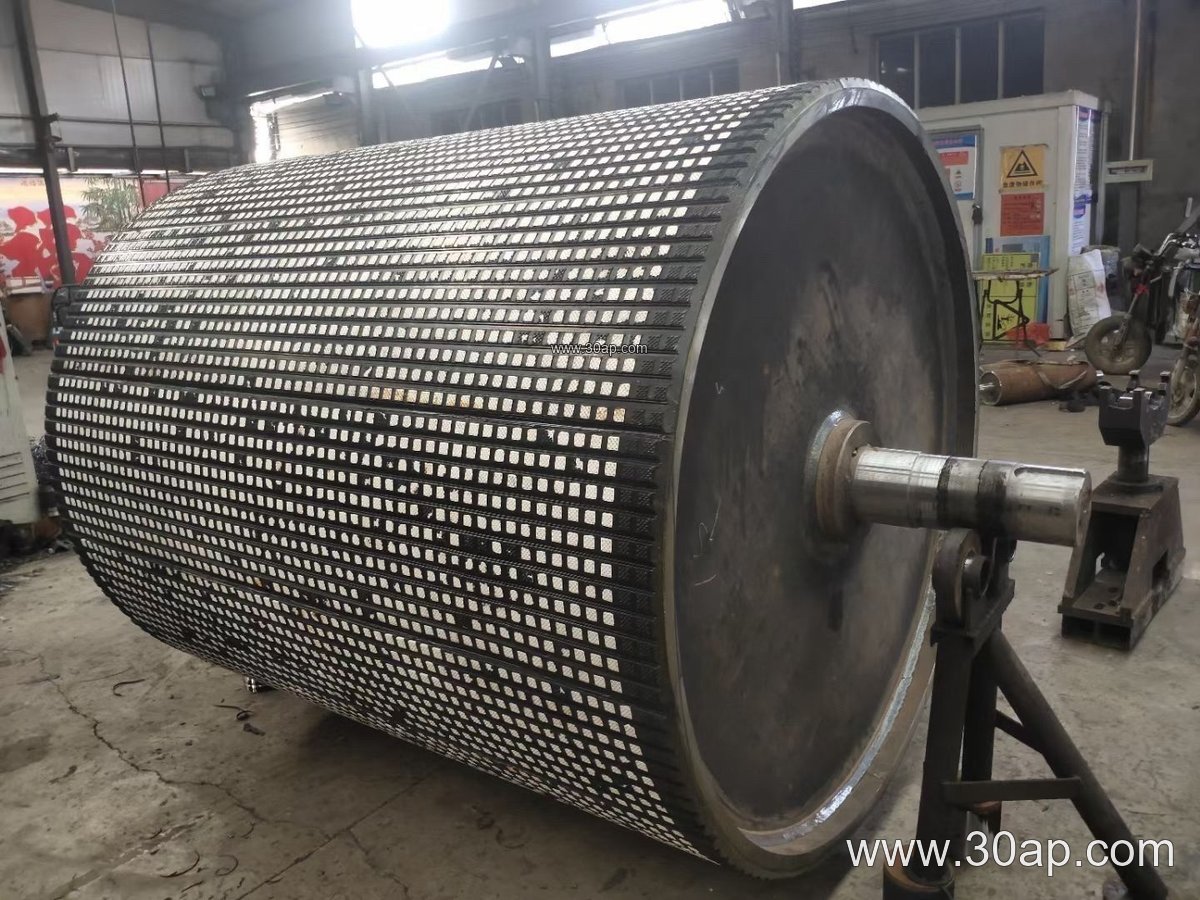
- Lagging in plain, diamond, herringbone, or ceramic form
- Drive coupling, gearbox, and motor on the drive side
Common surface options include plain, hot vulcanized rubber, cold bonded rubber, diamond lagging, herringbone lagging, and ceramic lagging. Lagging thickness is often 8, 10, 12, 15, or 20 mm, chosen for grip and wear rather than for appearance.
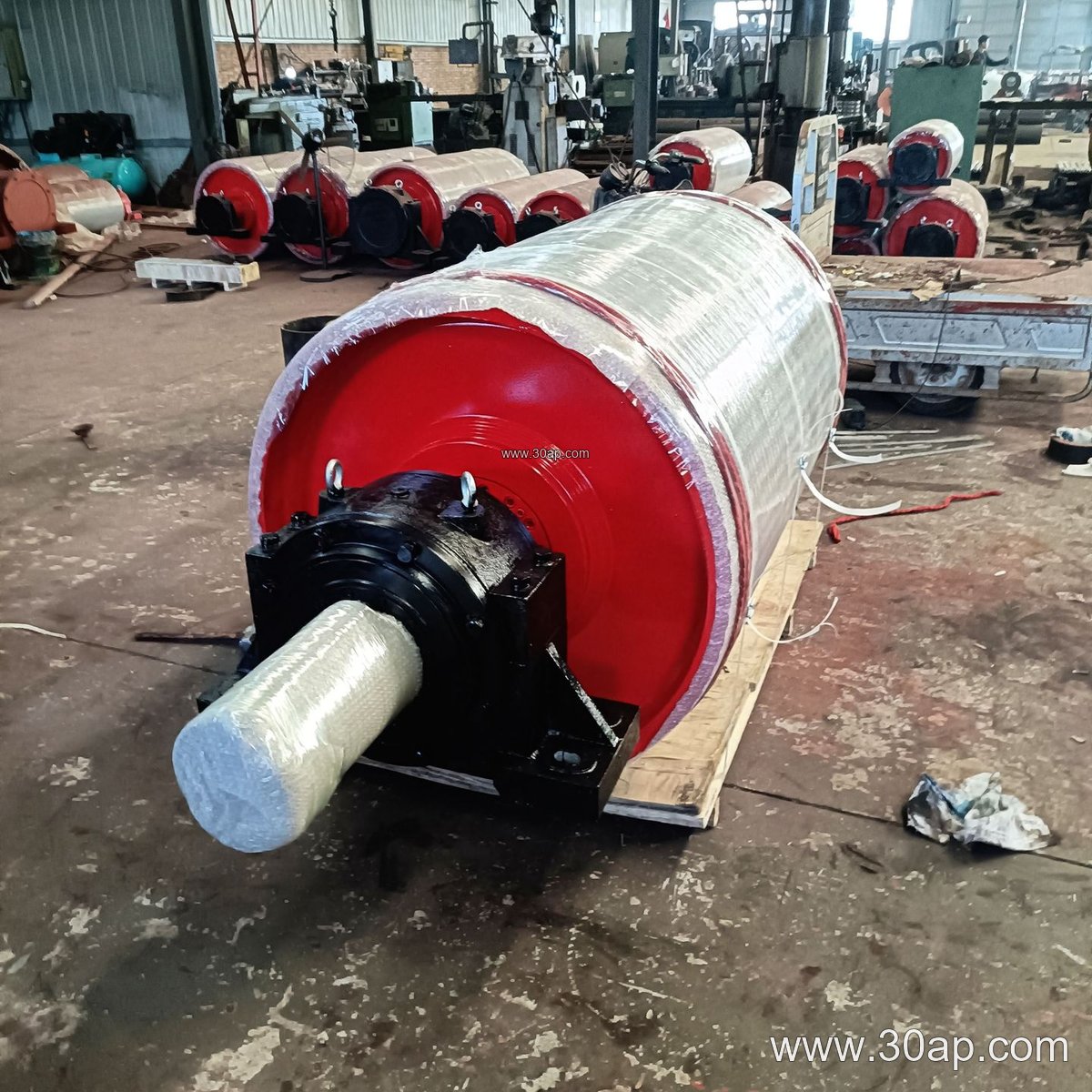
Where It Fits in a Conveyor Line
The assembly is found wherever a belt must be driven and discharged. In a quarry or aggregate line it sits at the end of a crusher discharge conveyor. In a cement plant it may handle clinker or raw meal. In a coal washing plant or a power plant coal yard it drives the main haulage belt. Port bulk terminals use large head pulleys on ship loading conveyors, while a tunnel muck line uses a compact unit at the transfer point.
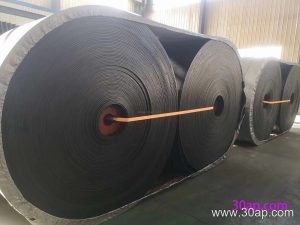
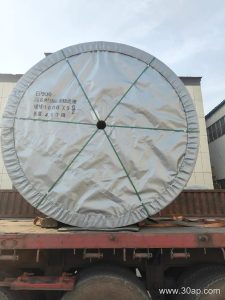
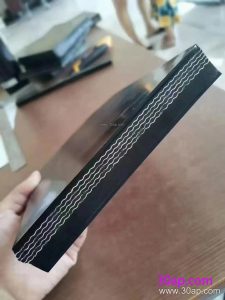
The belt itself matters here. A heavy-duty mining conveyor belt or a steel cord conveyor belt needs a drum with enough diameter and grip to avoid slip. A chevron conveyor belt or corrugated sidewall conveyor belt may need a larger drum to clear the profile. Abrasion resistant conveyor belt and heat resistant conveyor belt grades also affect lagging choice, because the surface must survive the same conditions as the belt.
Sizes and Common Combinations
Dimensions are stated as belt width times pulley diameter, and both are selected from the conveyor design. The table below shows typical reference values; they are examples, not fixed matches.
| Belt width | Typical pulley face width | Example diameter |
|---|---|---|
| B400 | about 500 mm | Ø200 to Ø315 |
| B650 | about 750 mm | Ø320 to Ø500 |
| B800 | about 950 mm | Ø400 to Ø630 |
| B1000 | about 1150 mm | Ø500 to Ø800 |
| B1200 | about 1400 mm | Ø630 to Ø1000 |
| B1400 | about 1600 mm | Ø800 to Ø1250 |
| B1600 | about 1800 mm | Ø1000 to Ø1400 |
Shaft diameters commonly range from Ø50 to Ø200, but the final size comes from torque and bearing load. A B1200 × Ø1000 unit and a B800 × Ø500 unit may both be correct on different conveyors. Never assume one belt width locks in one drum diameter.
What a Buyer Should Check
- Confirm the drive position and whether the unit is also the discharge pulley.
- Match lagging type to the belt and material, for example ceramic for wet abrasive ore.
- Check bearing type, lubrication method, and sealing against dust and water.
- Ask for the shaft and hub connection style so future removal is practical.
- Verify face width, diameter, and mounting hole spacing against the existing conveyor bracket.
- Confirm balance grade and runout for high speed belts.
Spare parts planning should include bearings, lagging sheets, and fasteners. A worn lagging surface reduces grip and can cause belt slip, so inspection intervals should follow operating hours and load. Pair the assembly with well chosen idler roller sets and a matched conveyor belt grade, whether that is an EP conveyor belt, an NN conveyor belt, or a flame retardant conveyor belt for underground work.