What a 1400mm Conveyor Belt Is
A 1400mm conveyor belt is a wide-format rubber belt with a nominal width of 1400 millimeters, matched to a belt conveyor whose frame and pulley faces are sized for that width. In practice, buyers often call it a 1.4m belt or a B1400 belt. It sits between the common 1200mm and 1600mm widths, so it is a practical choice when a 1200mm belt is slightly narrow but a 1600mm belt would overbuild the system. You will see this width in mines, coal preparation plants, cement works, power stations, quarries and sand and gravel yards, where a single line has to move a large tonnage without excessive belt speed.
Construction and Core Options
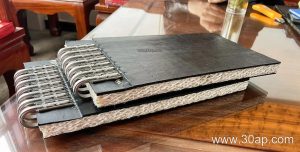
The belt is built from a tension-bearing carcass, top and bottom cover rubber, and edge protection. For a 1400mm width, the carcass choice drives most of the performance:
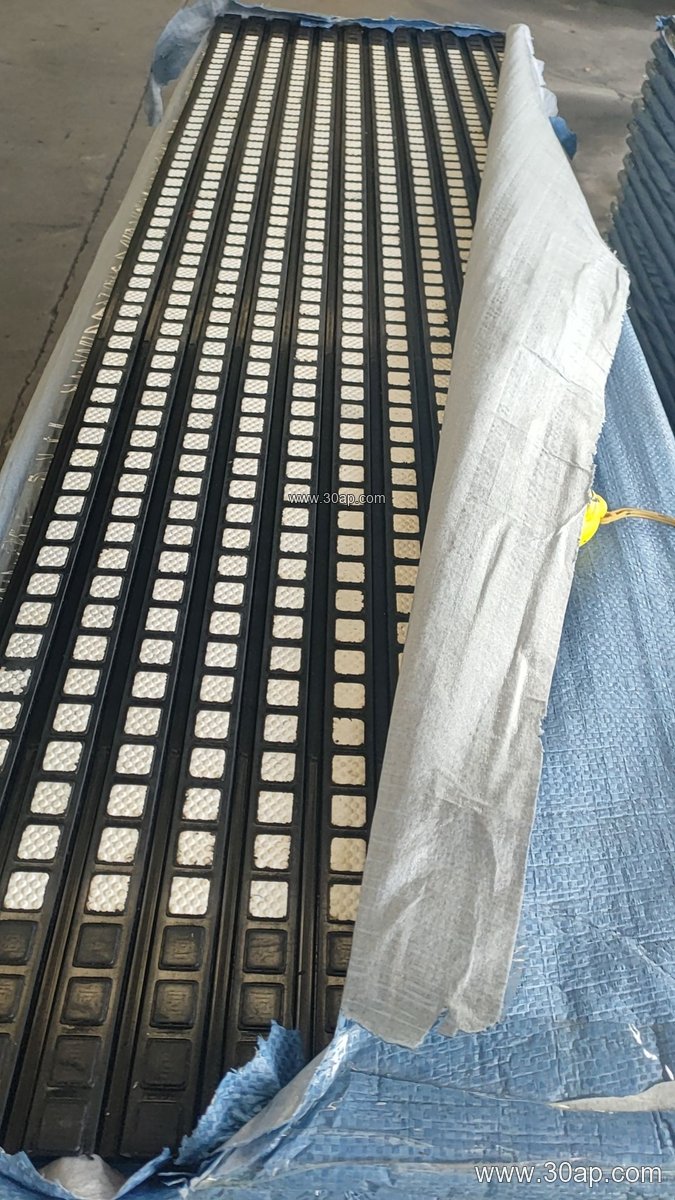
- EP conveyor belt with polyester-nylon fabric, commonly EP200 to EP630 for this width, offering good elongation balance and impact tolerance.
- NN conveyor belt with nylon-nylon fabric, often chosen where high flexibility and impact absorption matter.
- Steel cord conveyor belt such as ST1000 to ST2500 for long runs and high tension, where fabric plies would need too many layers.
- PVC or PVG belts for underground coal service where flame resistance is required.
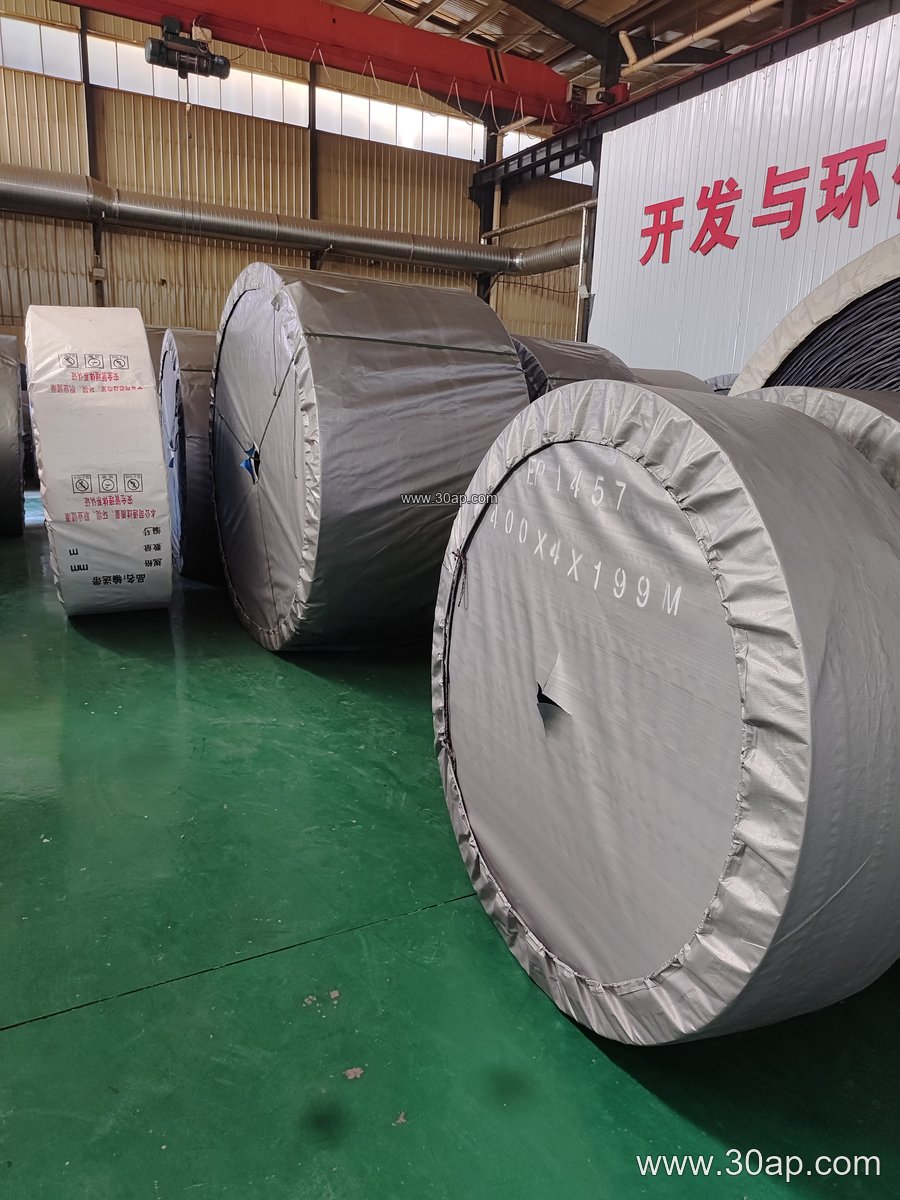
Cover thickness is usually stated as top plus bottom, for example 6+2 mm or 8+3 mm on heavy-duty mining belts. A 1400mm belt commonly carries 3 to 6 fabric plies, but the exact build is set by the conveyor design, not by width alone.
Typical Specification Reference
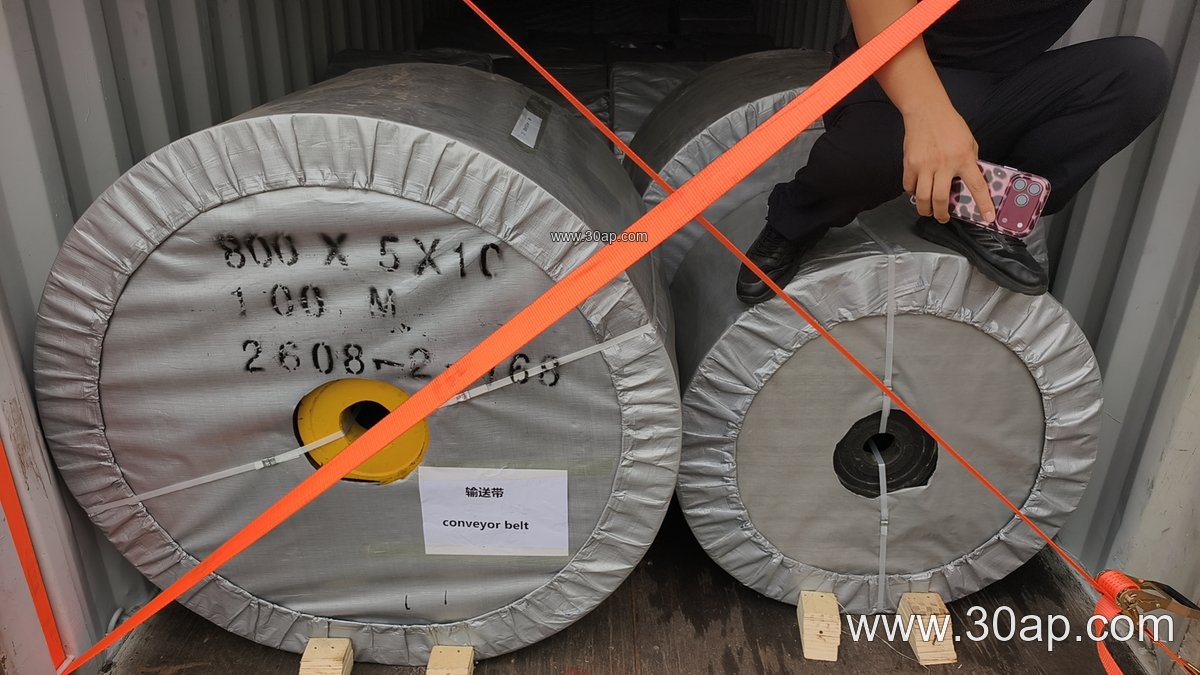
The values below are common reference points, not universal promises. Confirm every figure with the belt manufacturer and the conveyor designer.
| Parameter | Common reference values |
|---|---|
| Belt width | 1400 mm (B1400) |
| Fabric carcass grades | EP200, EP315, EP400, EP500, EP630, EP800 |
| Steel cord grades | ST1000, ST1250, ST1600, ST2000 |
| Number of plies | 3 to 6, by design |
| Cover thickness | 4+2, 5+2, 6+2, 8+3 mm |
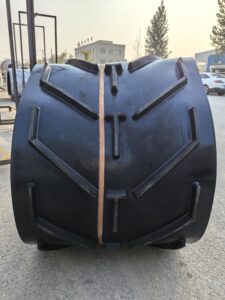
| Surface forms | Plain, chevron, skirted, corrugated sidewall |
Matching the Belt to the Conveyor
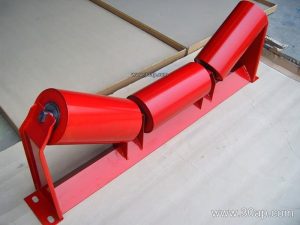
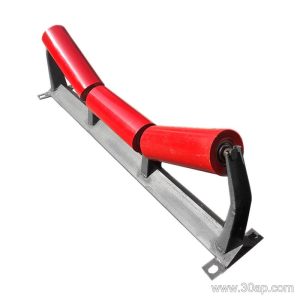
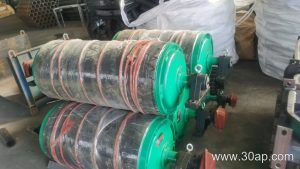
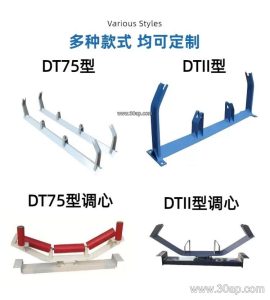
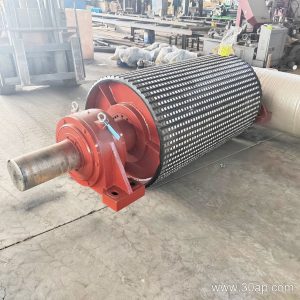
Width and pulley diameter are separate decisions. A 1400mm belt can run on different pulley sizes depending on tension, carcass type and wrap angle, so never assume a fixed shaft or pulley diameter from width alone. Drive pulleys, tail pulleys and bend pulleys each do a different job and are not interchangeable. The same applies to carrying idler rollers, impact idlers and return rollers. Belt speed, trough angle, load lump size and transition distance all influence how a 1400mm belt tracks and wears.
Where This Width Works Well
In a coal mining conveyor or underground coal mining conveyor, a 1400mm flame retardant conveyor belt can carry substantial tonnage at moderate speed. In a cement plant, a heat resistant conveyor belt of this width may feed clinker coolers or raw mills. A quarry conveyor belt or crusher conveyor belt at 1400mm handles mixed rock and aggregate with an abrasion resistant conveyor belt cover. Power plant conveyor belts moving coal or limestone, and port conveyor belts feeding ship loading systems, also use this width. Where material must be fully enclosed, a pipe conveyor belt is a different product form and should not be treated as a direct substitute.
Buyer Checklist
- State the duty: tonnage per hour, material, lump size, temperature and whether the environment is oily, wet or dusty.
- Confirm the required tensile grade and ply count with the conveyor designer, not from belt width alone.
- Choose cover rubber for the real condition, such as abrasion resistant, oil resistant, heat resistant or cold resistant compounds.
- For underground coal work, specify flame retardant and anti-static properties and ask for the relevant test documentation.
- Check that pulleys, idler rollers, brackets and frame clearances are rated for a 1400mm belt and its loaded weight.
- Plan splicing: an endless conveyor belt made at the factory reduces field joint risk on critical lines.
Finally, treat every model number and dimension as a starting point for discussion. A 1400mm conveyor belt is a system component, and the right carcass, cover and joint depend on the conveyor it runs on.