What a Coal Mine Conveyor Pulley Does Underground
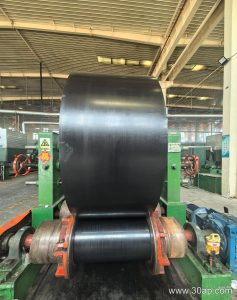
A coal mine conveyor pulley is the rotating drum that turns a belt loop, carries its tension, and keeps coal moving from the face to the surface. In an underground coal mining conveyor belt system, this component works in a damp, dusty, and often gassy environment, so flame retardant and anti-static properties matter as much as mechanical strength. The drum is not a passive roller; it transmits drive torque, sets belt tracking, and absorbs the load of the material being carried. In a typical layout, the drive pulley pulls the belt, the tail pulley returns it, and bend or snub pulleys guide it around corners and tension stations.
The keyword here is the coal mine conveyor pulley itself, also called a mining conveyor drum or belt pulley drum. It should not be confused with a drive pulley, tail pulley, or bend pulley, each of which is a distinct subtype with its own job. A conveyor pulley may look similar across these positions, but the load path and duty differ.
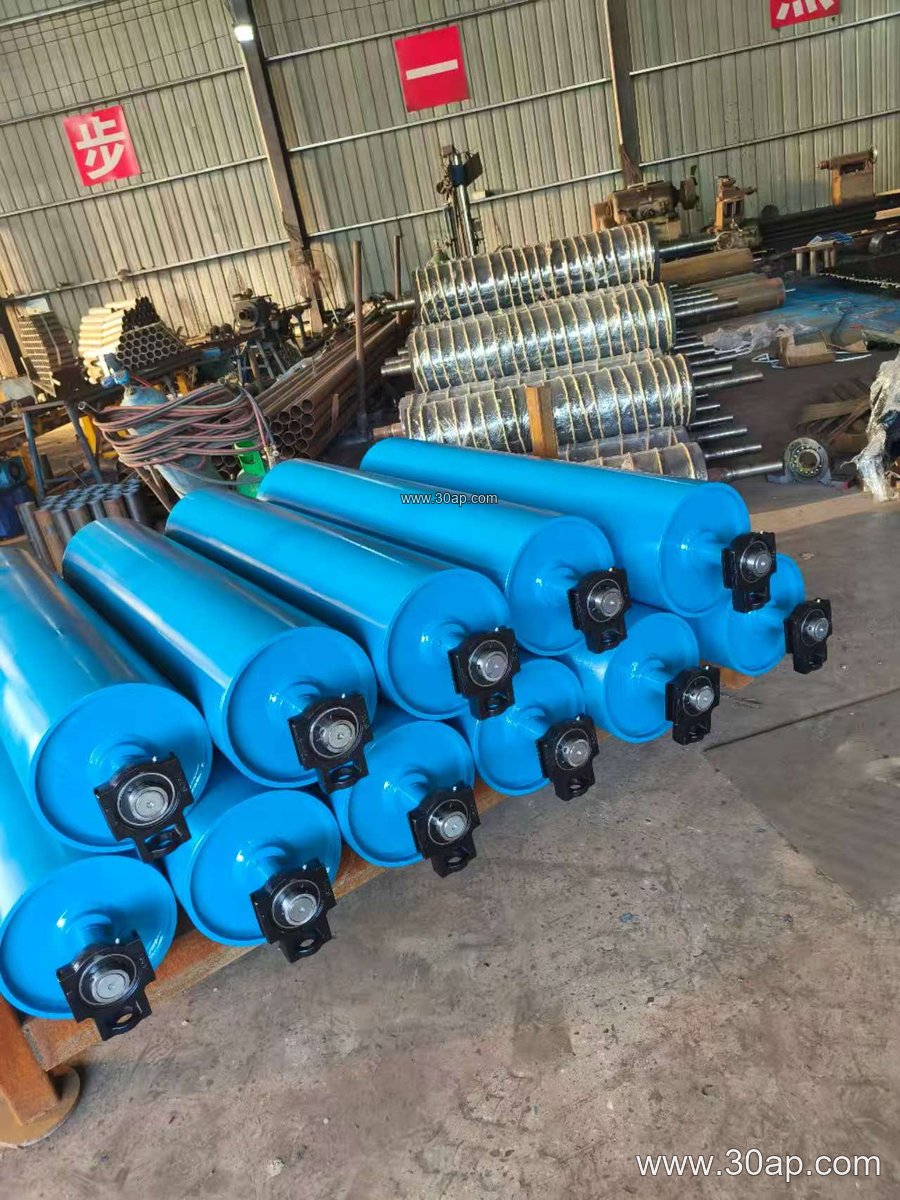
Construction and Surface Options
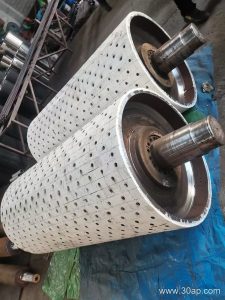
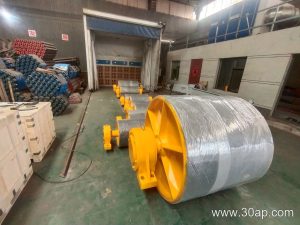
Most drums are built from a rolled steel shell, welded end discs, and a shaft that runs through the centre. The shell carries the belt, while the shaft transfers torque to the bearings and frame. Common surface forms include plain, hot-vulcanised rubber, cold-bonded rubber, diamond grooving, herringbone grooving, and ceramic lagging. Rubber lagging usually runs from 8 mm to 20 mm thick, with 10 mm and 12 mm common in coal handling. The right cover improves grip on the drive side and reduces slip where the belt is wet or muddy.
Shaft diameter is sized by torque and bearing load, not by belt width alone. Typical shaft sizes range from Ø50 to Ø200 mm, but a B1200 drum does not automatically take a fixed shaft. The pulley face width is normally a little wider than the belt, so a B800 belt often sits on a drum around 950 mm wide, and a B1400 belt on a drum near 1600 mm. A B1200 × Ø1000 or B800 × Ø500 combination is a design point, not a universal rule.
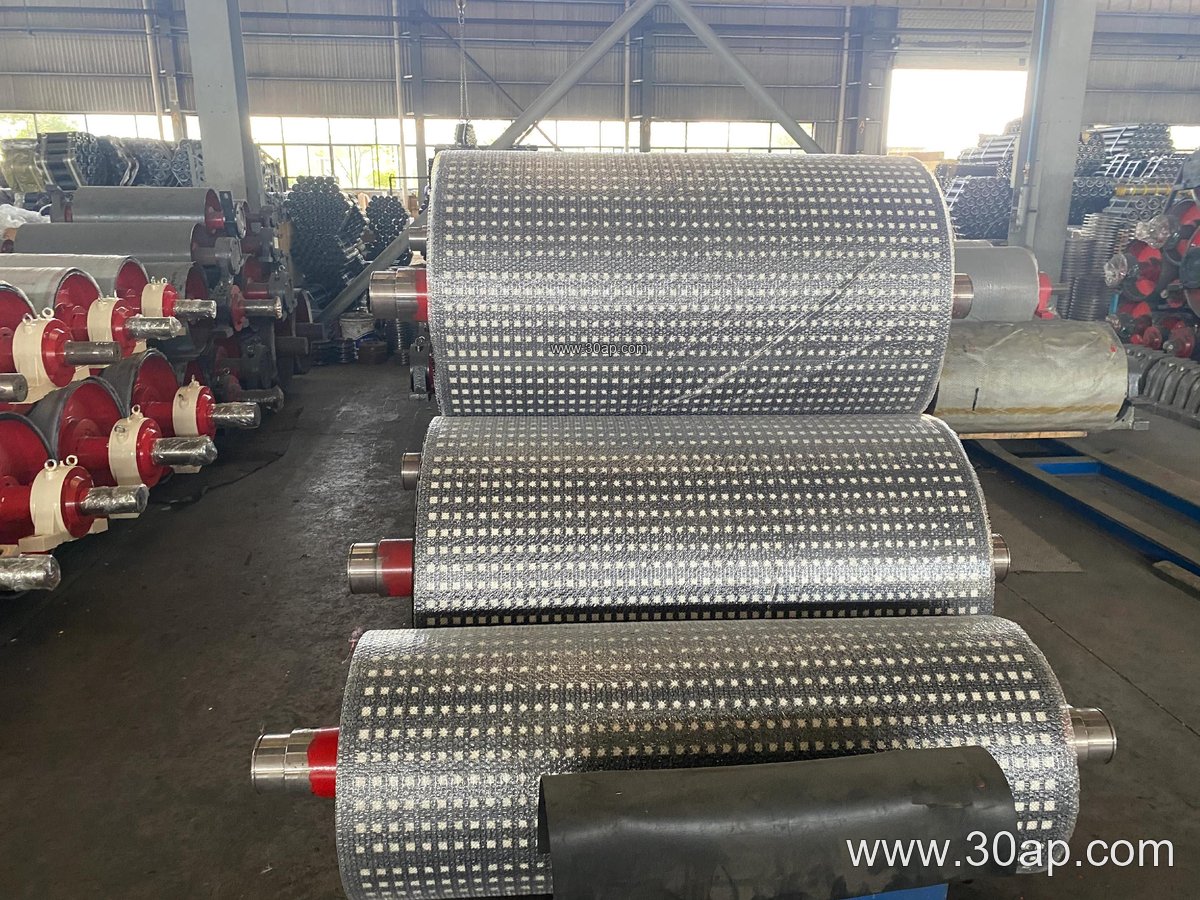
| Parameter | Common reference range |
|---|---|
| Belt width | B400 to B2400 |
| Pulley diameter | Ø200 to Ø1800 mm |
| Lagging thickness | 8, 10, 12, 15, 20 mm |
| Shaft diameter | Ø50 to Ø200 mm, by load |
| Surface | Plain, rubber, diamond, herringbone, ceramic |
Where It Fits in Coal Handling
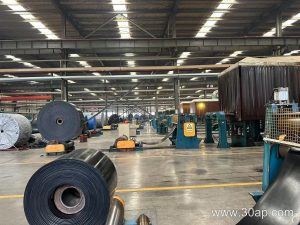
Underground coal mining conveyor belt lines use these drums at the head, tail, tension, and take-up points. In a washing plant, a coal conveyor pulley handles wet fines and needs good lagging grip. At a power plant coal yard, the same drum type may face abrasive dust and wide belts such as 1400 mm or 1600 mm. A quarry or aggregate line uses similar hardware, but the duty cycle and dust differ. Where the belt carries sharp rock, an abrasion resistant conveyor belt and a well-lagged drum work together; where heat is present, a heat resistant conveyor belt and a heat-tolerant lagging are chosen. The pulley must suit the belt, the load, and the environment, not the other way around.
Buyer Checklist for a Coal Mine Conveyor Pulley
- Confirm the position: drive, tail, bend, take-up, or snub. Each has a different duty and should not be swapped casually.
- Match face width to belt width, and confirm the drum diameter with the belt manufacturer’s minimum bend radius.
- Choose lagging by grip and wear: plain for light duty, rubber for general service, ceramic for high abrasion.
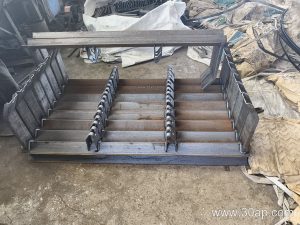
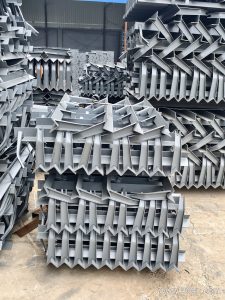
- Specify shaft size from torque and bearing load, with the frame and conveyor bracket checked together.
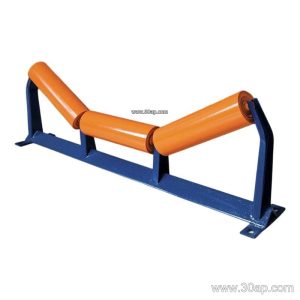
- Check balance, runout, and bearing fit, since vibration shortens drum and idler roller life.
- For underground work, confirm flame retardant and anti-static requirements with the belt supplier.
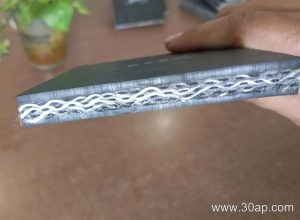
Maintenance is mostly about alignment. Keep the belt centred, inspect lagging wear, and re-torque fasteners on a schedule. A worn drive pulley can slip and polish the belt cover, while a misaligned tail pulley causes edge damage. When replacing a drum, record the diameter, face width, shaft size, and lagging type so the next unit matches the conveyor frame. Pairing the drum with the correct conveyor belt, whether a fabric core conveyor belt or a steel cord conveyor belt, keeps the whole line stable and reduces downtime in coal, cement, and power plant service.