What a Conveyor Belt Support Frame Does
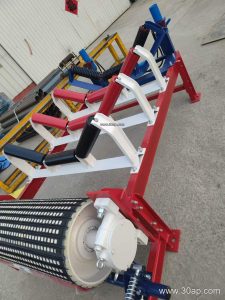
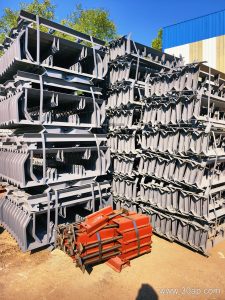
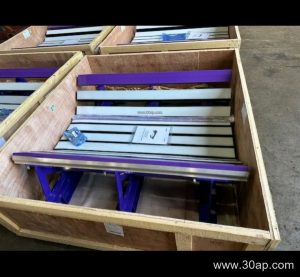
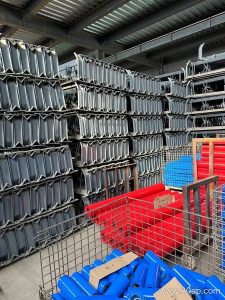
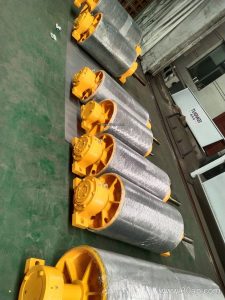
A conveyor belt support frame is the structural backbone that holds idler rollers at the correct angle and spacing so the belt can carry material smoothly. Sometimes called a conveyor idler frame or roller support bracket, this component keeps the belt profile stable from the loading point to the discharge. In a quarry, cement plant, or coal handling system, the frame must absorb vibration, resist dust, and maintain alignment without constant attention. The frame works together with the conveyor pulley at the head and tail, but it is not a substitute for drive, tail, or bend pulleys — those are separate assemblies with different duties.
How the Frame Is Built
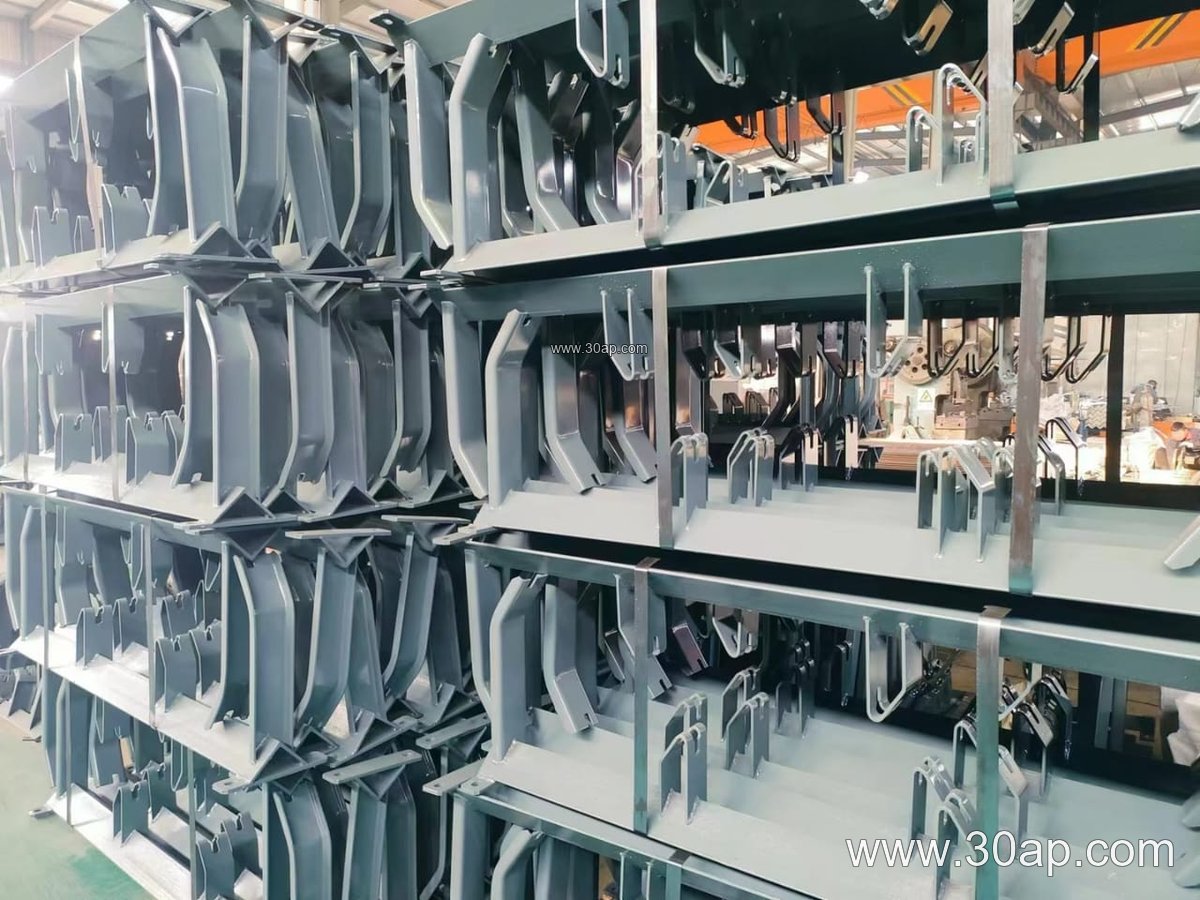
Most support frames are fabricated from angle steel, channel steel, or folded steel plate. The material choice depends on the load and the environment: a heavy-duty mining conveyor belt line may use thicker channel sections, while a lighter aggregate conveyor belt installation can use folded plate. The frame typically includes mounting slots or holes for the idler roller shafts, and the hole spacing changes with belt width and trough angle. A common configuration for a B800 frame with a 35-degree trough might pair with Ø108 idlers, while a B1200 line with a 45-degree trough often uses Ø133 rollers. These are examples, not fixed rules — the final combination is determined by the conveyor designer.
Main Frame Types
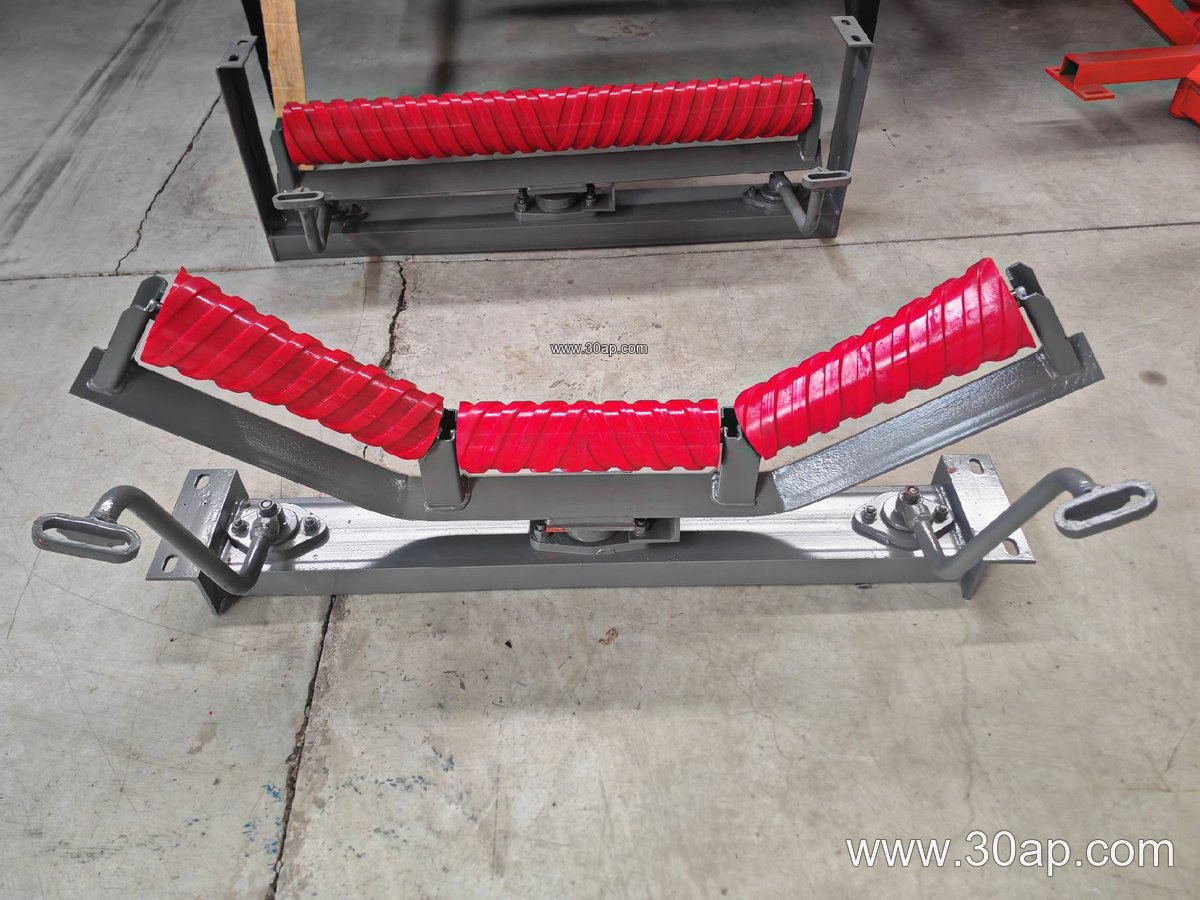
- Troughing frame (carrying side): supports three or five idlers to form a trough that keeps bulk material centered. Common trough angles are 20, 30, 35, and 45 degrees.
- Return frame (return side): holds flat or V-shaped idlers to support the empty belt. A V-return frame helps with belt tracking on long spans.
- Transition frame: placed near the head or tail pulley to guide the belt from flat to troughed shape gradually. This reduces stress on the belt edges and improves splice life.
- Impact frame: reinforced frame under the loading zone, often fitted with impact idlers or buffer rollers to absorb falling material energy.
- Adjustable frame: allows the trough angle or idler position to be changed on site, useful during commissioning or when material characteristics change.
Self-aligning frames and forward-leaning (about 1.5 to 2 degrees) designs are also available for belt training. A conveyor bracket that connects the frame to the main stringer must be matched to the frame type and belt width.
Where These Frames Are Used
In a limestone quarry or stone crushing plant, troughing frames carry coarse rock while return frames keep the belt on track. In a coal washing plant or power plant coal yard, flame retardant conveyor belt grades are common, and the frames must be spaced to handle surge loads. Cement plants use support frames on clinker and raw meal lines, where heat resistant conveyor belt properties may be needed near the kiln. Port bulk terminals and iron ore operations often run heavy-duty conveyor belt widths of 1400 mm to 2000 mm, requiring robust frames with Ø159 or Ø194 idlers. The same frame family also appears in fertilizer plants, grain silos, and tunnel muck removal — wherever a conveyor belt moves bulk material continuously.
Specifications Buyers Should Confirm
When specifying a support frame, confirm the belt width (B500 through B2200 are common), the trough angle, the idler diameter, and the mounting hole spacing. The table below shows representative combinations; actual values should follow the conveyor design.
| Belt Width | Trough Angle | Typical Idler Diameter | Frame Material Example |
|---|---|---|---|
| B500 | 20° / 30° | Ø89 | Angle steel |
| B650 | 30° / 35° | Ø89 / Ø108 | Angle steel |
| B800 | 35° | Ø108 | Channel steel |
| B1000 | 35° / 45° | Ø108 / Ø133 | Channel steel |
| B1200 | 35° / 45° | Ø133 | Folded plate |
| B1400 | 35° / 45° | Ø133 / Ø159 | Folded plate |
| B1600 | 35° / 45° | Ø159 | Channel steel |
| B1800 | 35° / 45° | Ø159 / Ø194 | Heavy channel |
| B2000 | 35° / 45° | Ø194 | Heavy channel |
Other points to check include the surface treatment (painted or galvanized), the frame length and crossbeam dimensions, and whether the design allows for future idler replacement without cutting the belt. For underground mining conveyor belt or coal mining conveyor belt applications, confirm that the frame is compatible with the fire resistant conveyor belt and anti-static requirements of the site.
Selection and Maintenance Notes
Choose a frame that matches the belt’s transition needs and the material’s impact energy. Keep spare conveyor brackets and mounting hardware on hand, and inspect for loose bolts or bent frames after heavy loading. A properly selected support frame extends idler life and protects the conveyor belt from edge damage — whether the line carries EP conveyor belt, steel cord conveyor belt, or a chevron conveyor belt profile.
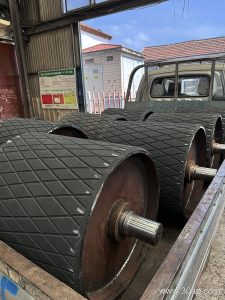
For related components such as conveyor pulley, idler roller, and conveyor belt, review the full assembly as a system rather than isolated parts.