What a Vertical Idler Bracket Does
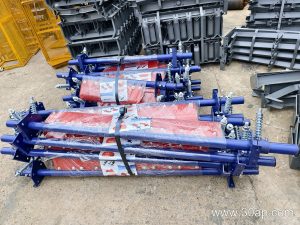
A vertical idler bracket is a fabricated steel support that holds an idler roller in a vertical or near-vertical working position along a conveyor frame. It is usually a short, sturdy assembly rather than a full crossbeam, and it is used where the belt needs side guidance, edge support, or a controlled transition between idler stations. In a stone crushing line or a cement plant, this small component often decides whether the belt tracks cleanly or rubs against the structure.
The bracket is not a universal substitute for a troughing frame or a return frame. It is a targeted support piece, and its geometry is chosen for the job it performs. When specified correctly, it works together with the conveyor bracket, the idler roller, and the belt to keep the load centered and the belt edge protected.
Construction and Common Materials
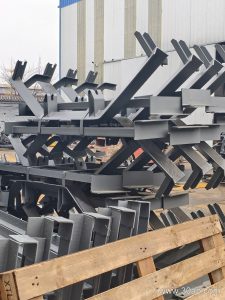
Most vertical idler brackets are built from angle steel, channel steel, or folded steel plate. The fabrication normally includes a mounting plate, one or two upright arms, and slotted or drilled holes for the idler shaft. A welded gusset is common where the arm meets the base, because the bracket carries both the weight of the roller and the lateral force from belt tracking.
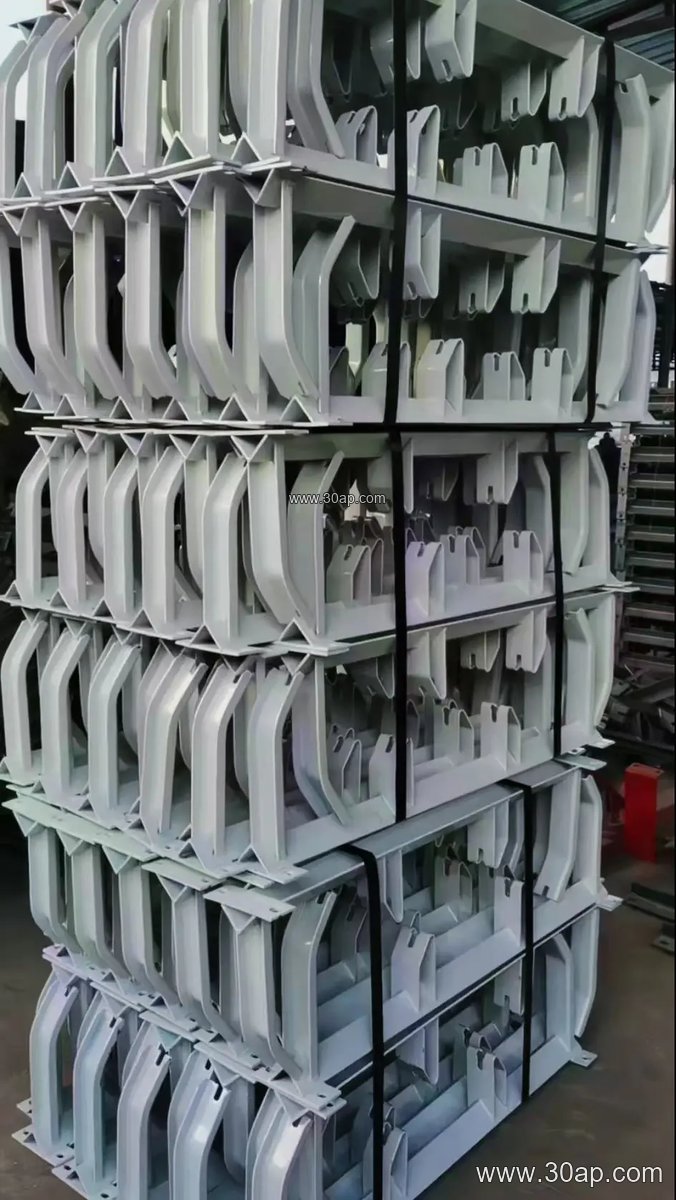
- Angle steel brackets: light and economical, often used on smaller frame sections.
- Channel steel brackets: stiffer, useful where vibration and shock loading are present.
- Folded plate brackets: compact shape, good for confined installation spaces.
- Adjustable versions: allow small changes in roller position or angle during alignment.
Surface treatment is usually painted or galvanized, and the choice should match the environment. A wash plant or a port terminal with salt air needs better corrosion protection than a dry aggregate yard.
Where It Fits on the Conveyor
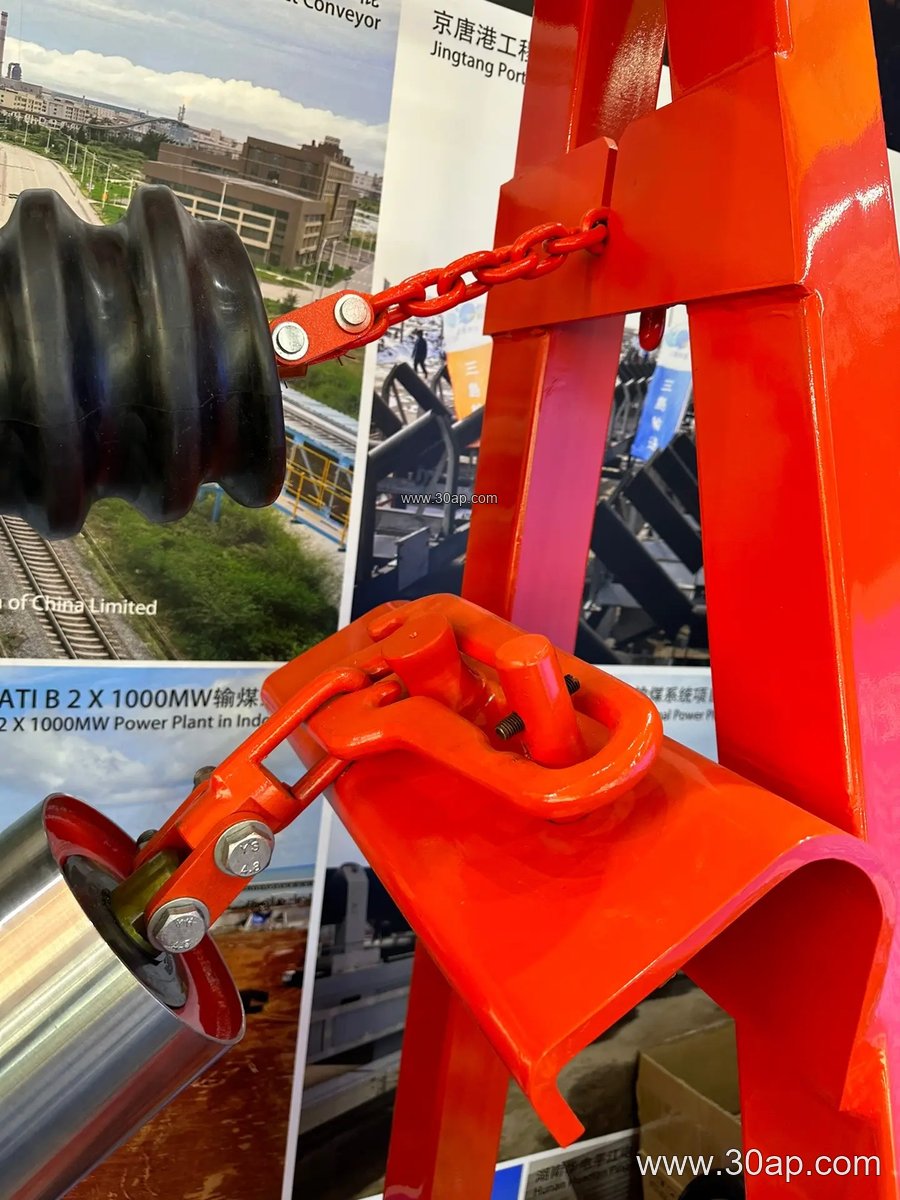
The bracket is typically mounted on the stringer or frame side, close to the belt edge, and it may appear at transition zones, loading points, or curves in the conveyor route. In a coal mining conveyor or an underground mining conveyor, vertical brackets are often used to guide the belt where space is tight and a conventional frame will not fit.
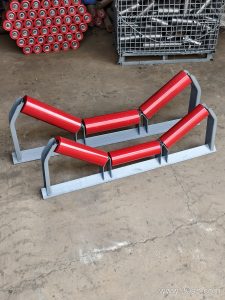
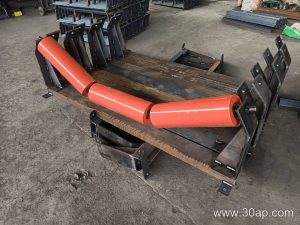
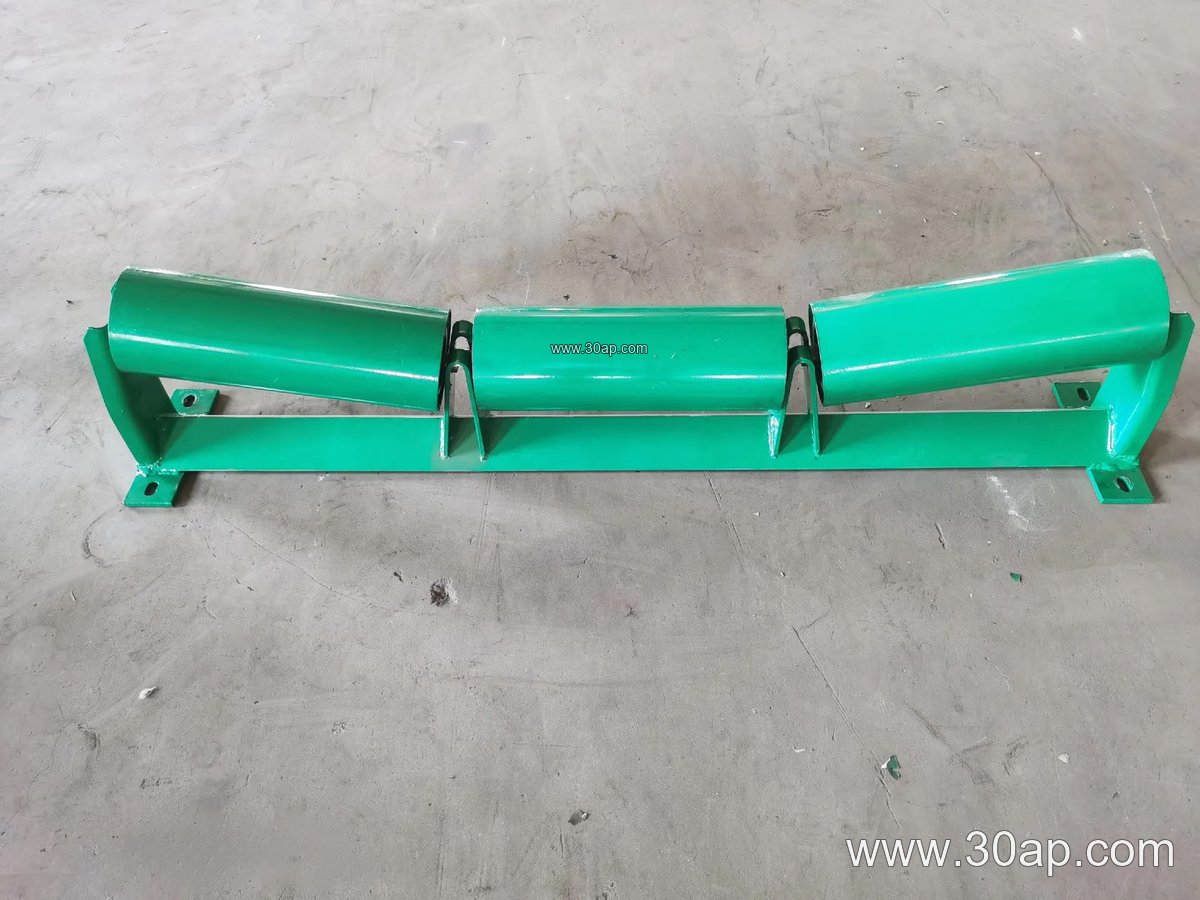
It is important to separate this part from other support types. A troughing idler bracket supports three rollers and sets the trough angle, while a return bracket supports the belt on the return run. A vertical idler bracket is a side or position support, and it should be selected for that purpose. Likewise, a drive pulley, tail pulley, and bend pulley are not interchangeable with each other or with any bracket; they are separate components with separate duties.
Matching the Bracket to Belt Width and Roller Size
Buyers should treat belt width, trough angle, and roller diameter as design inputs, not as a fixed catalog combination. A B800 belt may run with a 35 degree trough and a Ø108 roller on one conveyor, while a B1200 line may use a 45 degree trough and a Ø133 roller. Neither example is a rule, and the same belt width can be paired with different roller diameters depending on load, speed, and frame design.
The table below shows typical reference ranges only. Mounting hole spacing and crossbeam length change with belt width and trough angle, so they must be confirmed from the drawing for each project.
| Reference Item | Common Range | Notes |
|---|---|---|
| Belt width | B500 to B2200 | B650, B800, B1000, B1200, B1400, B1600 and B1800 are common in bulk handling |
| Trough angle | 20, 30, 35, 45 degrees | Adjustable brackets can move between these angles |
| Idler diameter | Ø89, Ø108, Ø133, Ø159, Ø194 | Selected by load and belt speed, not by belt width alone |
| Forward tilt | About 1.5 to 2 degrees | Used on forward-tilted idler arrangements for tracking |
| Material | Angle steel, channel steel, folded plate | Thickness and gusset design follow the load case |
When a conveyor carries a heavy-duty mining conveyor belt or a thick abrasion resistant conveyor belt, the bracket and its fasteners should be checked for the extra mass and impact. A lightweight bracket that suits a small sand line is not automatically right for an iron ore terminal.
Selection and Installation Checks
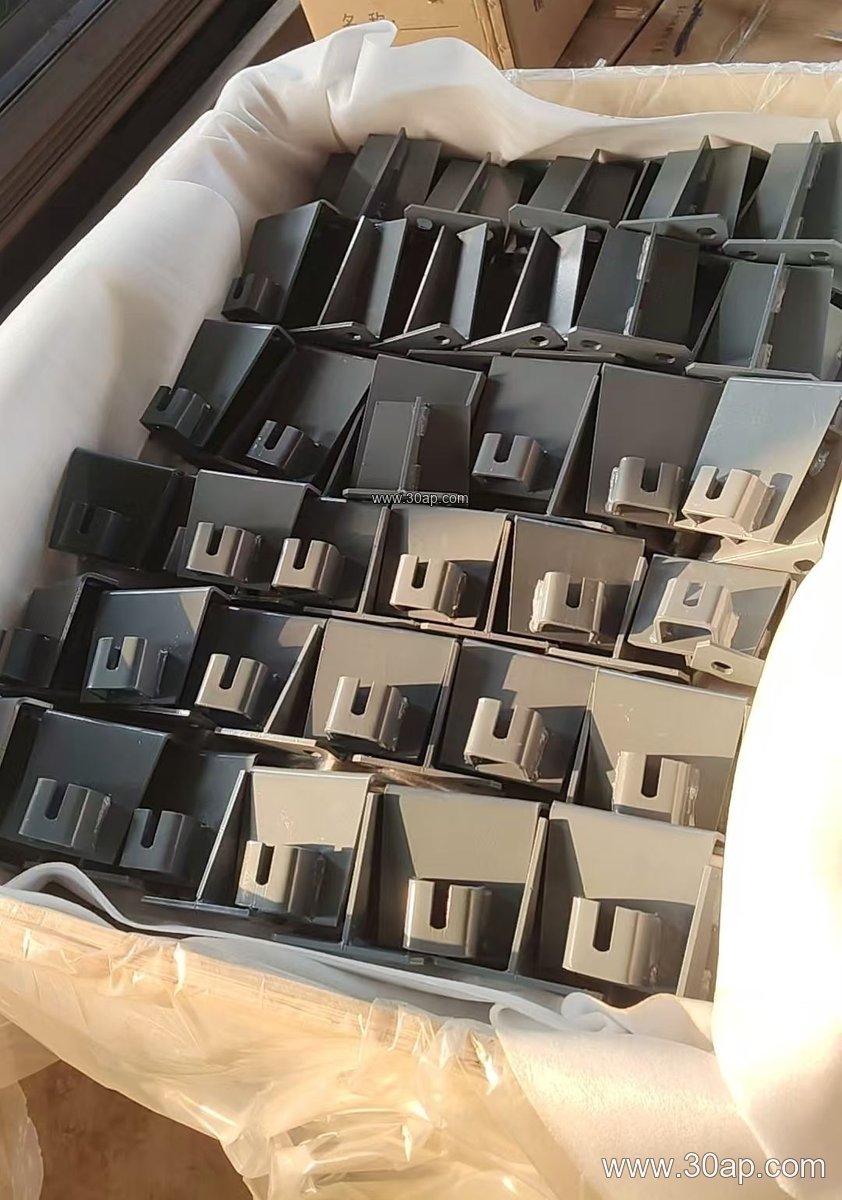
Before ordering, confirm the frame hole pattern, the idler shaft size, and the required working position. Check that the bracket does not foul the belt edge during normal running and during startup wander. On a pipe conveyor belt or a corrugated sidewall conveyor belt, the belt profile is different, so the bracket must be positioned to clear the cleats or the pipe forming zone.
During installation, align the bracket square to the frame and tighten fasteners to the specified torque. If the bracket is adjustable, set it after the belt is tensioned, then recheck tracking after the first few hours of running. Loose or misaligned brackets are a common cause of edge wear and roller vibration.
- Confirm belt width and frame drawing before drilling.
- Check roller shaft fit and locking method.
- Allow clearance for belt edge movement.
- Use corrosion protection suited to the site.
- Inspect fasteners during routine maintenance.
For a quarry conveyor belt, a coal mining conveyor belt, or a power plant coal handling line, a well-chosen vertical idler bracket is a low-cost part that protects the belt and keeps the conveyor running straight.