What Is a Cold Resistant Conveyor Belt
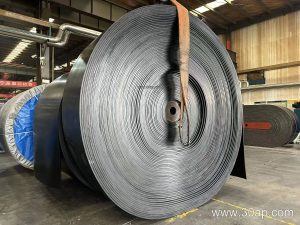
A cold resistant conveyor belt is a rubber conveyor belt engineered to remain flexible and function reliably in low-temperature environments. Standard rubber compounds can stiffen and crack when temperatures drop below freezing, leading to belt damage and operational downtime. This specialized belt uses a rubber formulation that retains elasticity even in harsh cold, making it suitable for outdoor mining operations, cold storage facilities, and winter construction sites. The product is also known as a low-temperature resistant conveyor belt, and both terms refer to the same essential product.
Construction and Materials
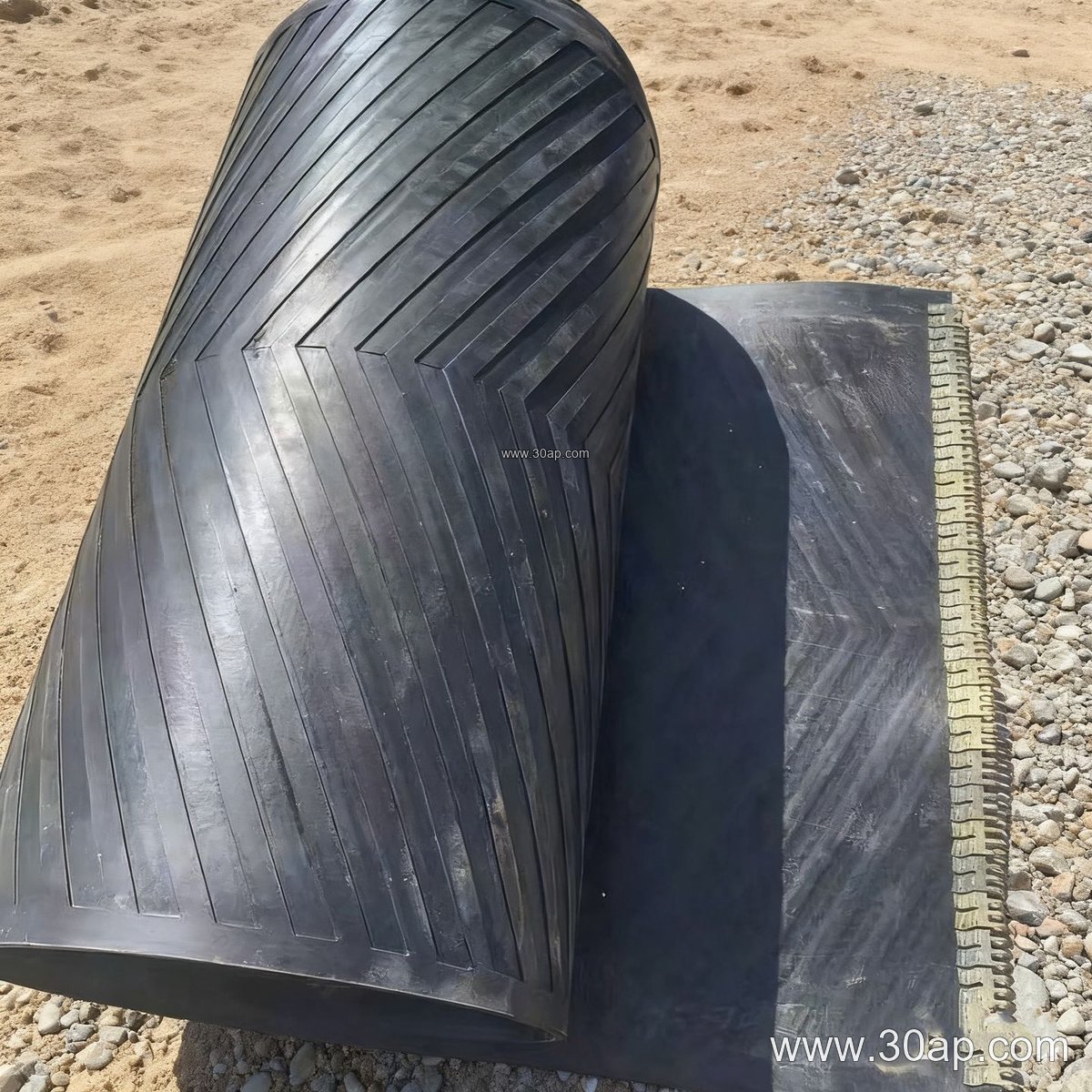
The cold resistant conveyor belt typically features a fabric core, such as EP (polyester-cotton) or NN (nylon) fabric, providing strength and flexibility. The cover rubber is specifically compounded with polymers that resist hardening at low temperatures. Common cover thicknesses include 3+1.5 mm, 4+2 mm, and 5+2 mm, though these can vary by manufacturer. The belt may also incorporate an anti-static or flame retardant layer for added safety in specific environments. For heavy-duty applications, multiple plies of fabric core (2 to 6 layers) are used to increase tensile strength. While steel cord and other specialized belts exist, this article focuses on the fabric-core cold resistant variant.
The belt construction ensures minimal flex fatigue and prevents cracking during repeated bending around pulleys and idlers. The rubber compound is tested to maintain performance at temperatures as low as -40°C to -50°C, depending on the grade. Buyers should consult the manufacturer’s specifications for exact temperature ratings, as these can differ between suppliers.
Key Applications
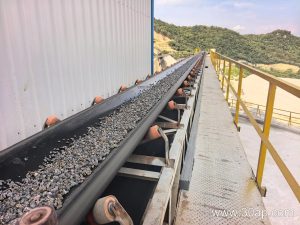
Cold resistant conveyor belts are widely used in industries where freezing conditions are common. In mining, especially open-pit mines in cold regions, these belts transport ore and overburden without failure. Coal mining operations in northern climates rely on them for continuous material flow. Cement plants and power plants located in cold areas use them for handling limestone, clinker, and coal. Aggregate and quarry operations benefit from their durability during winter months. Additionally, they are found in port facilities, ship loading systems, and construction sites where ambient temperatures drop below zero.
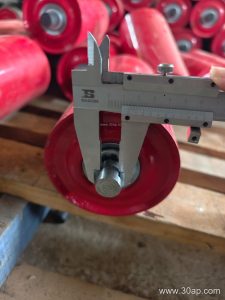
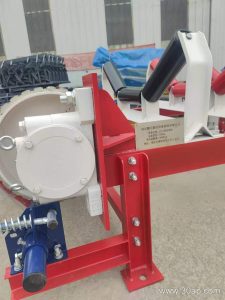
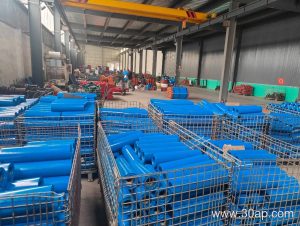
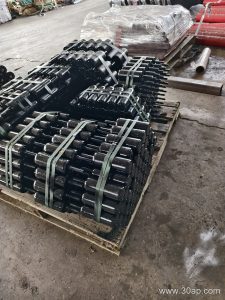
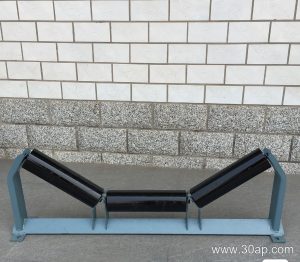
When selecting a belt for such environments, consider the entire conveyor system, including idler rollers, conveyor pulleys, and conveyor brackets. A cold resistant belt works best when all components are compatible with low temperatures; for example, idler rollers with low-temperature grease and pulleys designed to prevent belt slip are essential.
Specifications and Selection
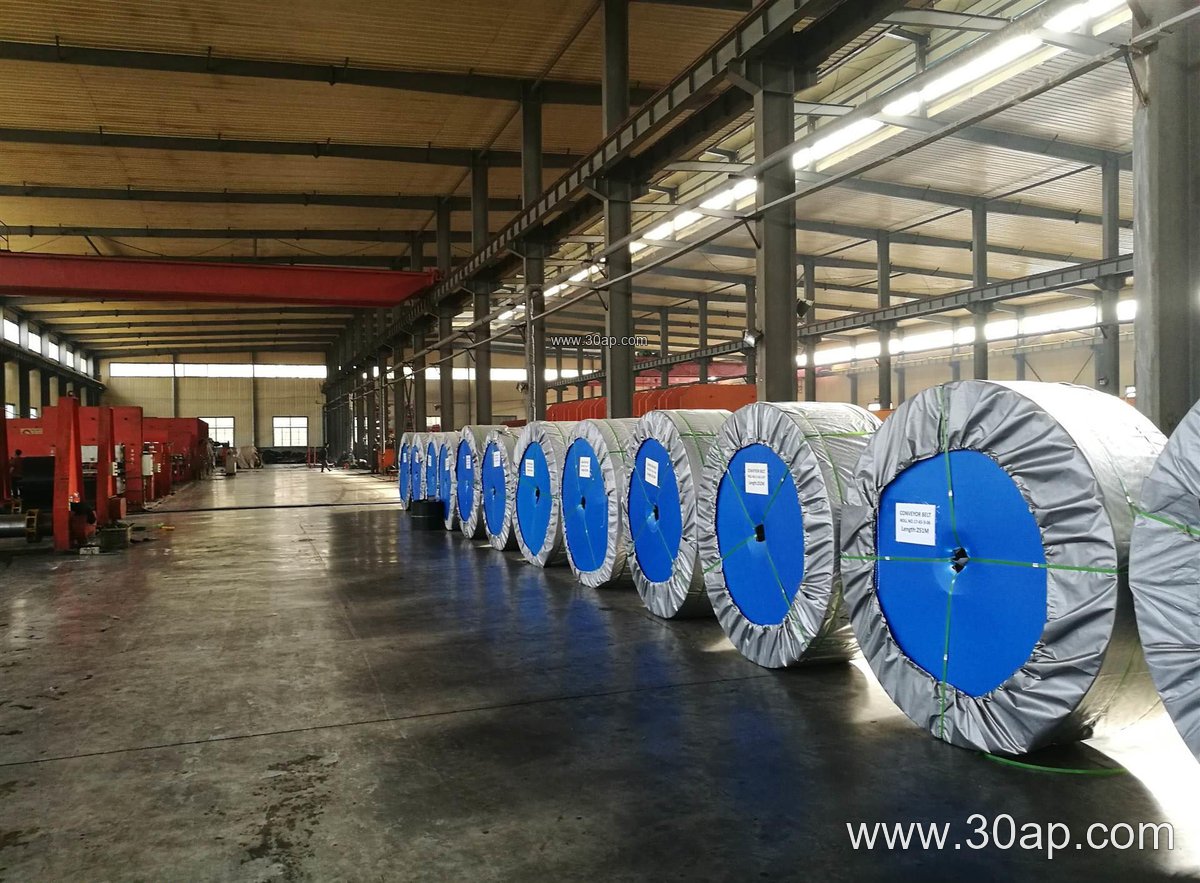
Cold resistant conveyor belts are available in various specifications to suit different load requirements. Common fabric core types include EP and NN, with strength grades such as EP200, EP315, EP400, EP500, EP630, and EP800. Belt widths typically range from B500 to B2000 mm, with wider belts like 1200mm or 1400mm used in high-capacity operations. The table below provides a reference for typical parameters; actual values should be confirmed with the supplier.
| Parameter | Common Range | Notes |
|---|---|---|
| Fabric Core Type | EP, NN | EP for general use, NN for high elasticity |
| Strength Grade | EP200 to EP800 | Higher grades for heavier loads |
| Belt Width | B500 to B2000 mm | Custom widths available on request |
| Cover Thickness | 3+1.5 mm to 8+3 mm | Top cover + bottom cover |
| Number of Plies | 2 to 6 | More plies for increased strength |
| Temperature Range | -40°C to -50°C | Depends on compound |
When choosing a cold resistant conveyor belt, consider the minimum operating temperature, material being conveyed, and the conveyor’s pulley diameters. It is not true that a specific belt width must match a particular pulley diameter; the conveyor designer determines the appropriate combination based on tension and load. Also, shaft diameter is not fixed by belt width alone. Always refer to the conveyor design manual and the belt manufacturer’s recommendations.
Buyer’s Checklist
- Verify the temperature rating of the belt compound for your site’s lowest recorded temperatures.
- Ensure the belt’s fabric core and cover thickness are suitable for the material’s abrasiveness and weight.
- Check compatibility with existing conveyor components, such as idler rollers and conveyor pulleys.
- Consider additional features like anti-static or flame retardant properties if required by the environment.
- Request test reports or samples to confirm cold flexibility before full-scale implementation.
For more information on cold resistant conveyor belts and related equipment, visit our conveyor belt selection guide. Proper selection and maintenance of your conveyor belt system, including idler roller and conveyor pulley components, will ensure reliable performance in even the harshest cold conditions.