What a Ø89 Trough Idler Does on a Conveyor
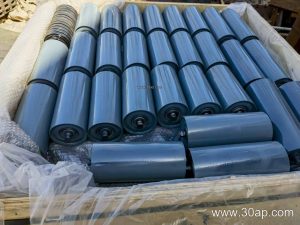
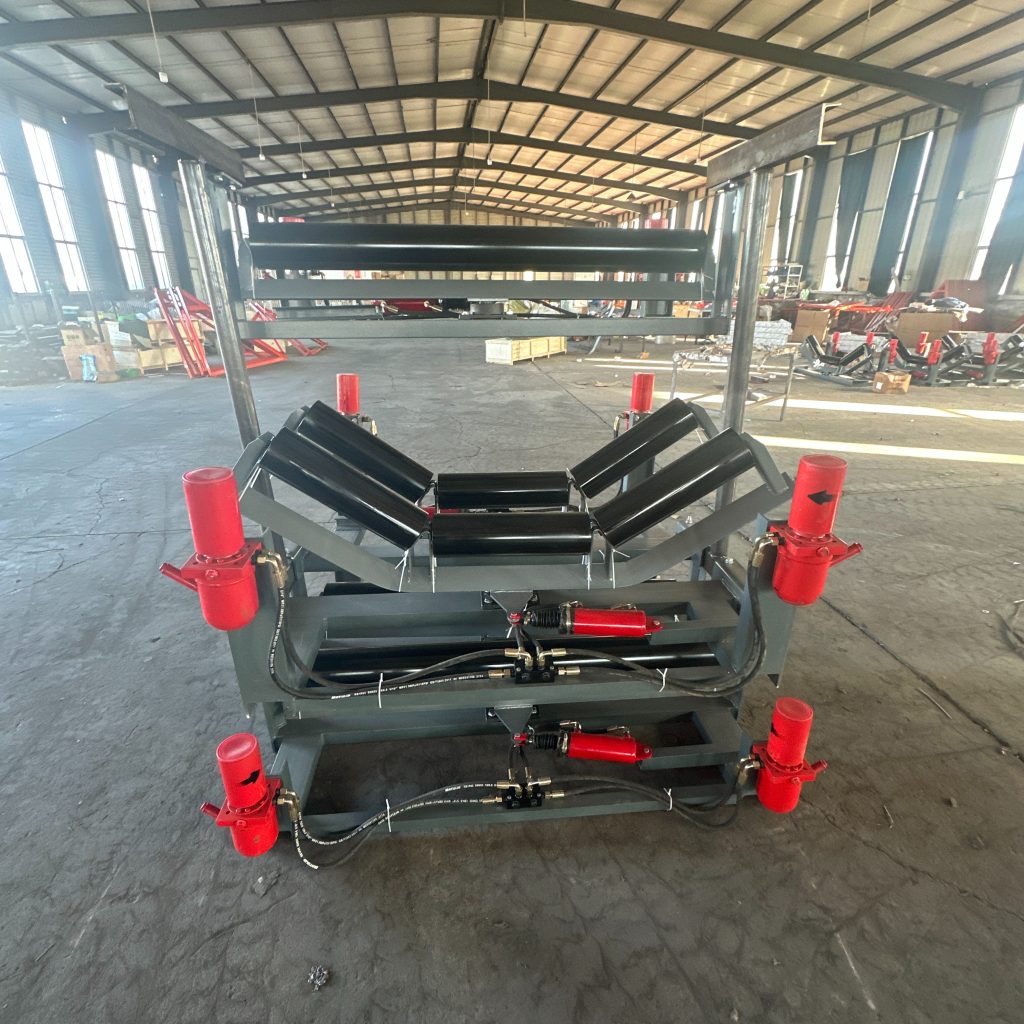
A Ø89 trough idler is a carrying idler with an 89 mm roller diameter, arranged in a trough set to support the loaded side of a conveyor belt. The trough shape keeps bulk material centered, reduces spillage, and helps the belt run smoothly between the tail and head pulleys. In quarry and cement plant circuits, this idler size is often chosen for medium-duty lines where the belt width and load profile call for a compact but sturdy roller. It is an idler roller, not a drive, tail, or bend pulley, and it should be selected as part of the trough idler assembly rather than as a substitute for any pulley.
Construction and Common Configurations
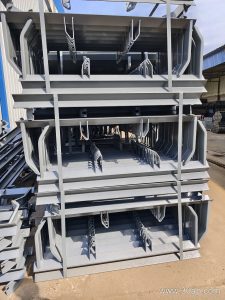
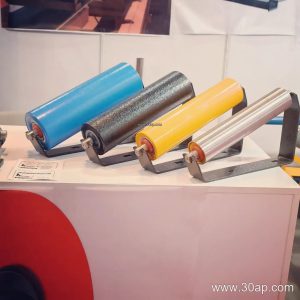
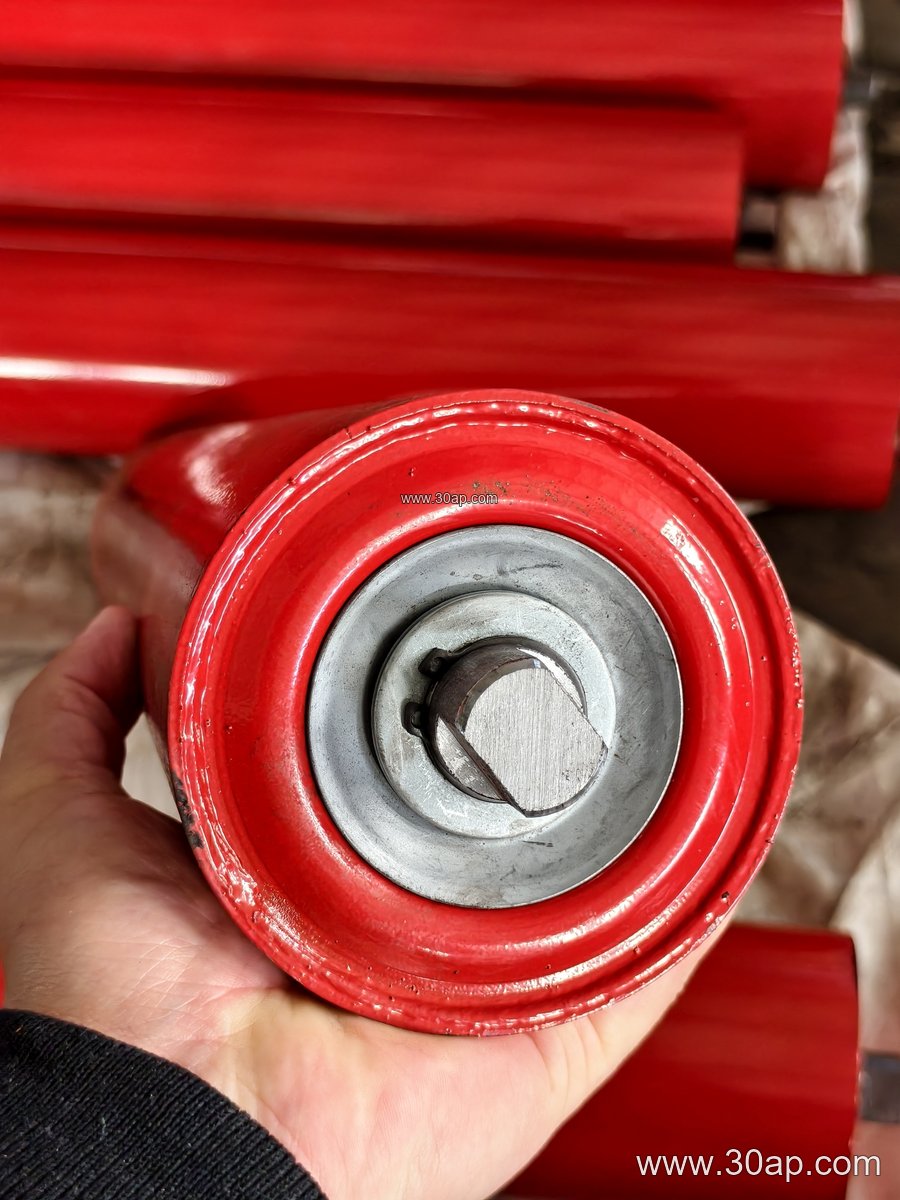
Most Ø89 trough idlers use a steel tube shell with pressed bearing housings, sealed ball bearings, and a fixed or interchangeable shaft. The roller surface may be plain steel, nylon, or fitted with rubber rings where impact and noise need attention. A trough set is usually built as two or three rolls; the three-roll form is common on wider belts, while two-roll sets appear in tighter spaces. Trough angles of 20, 30, 35, and 45 degrees are available, and the choice affects how the material sits on the belt. For transition zones near a conveyor pulley, a smaller trough angle or a transition idler can help avoid abrupt belt bending.
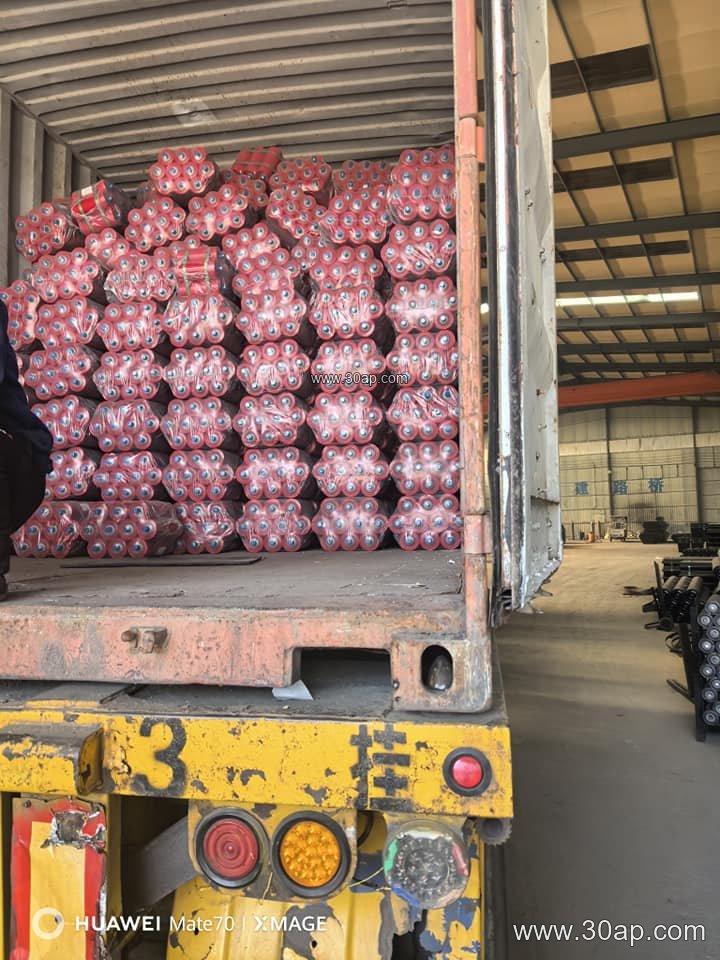
Typical reference dimensions
The figures below are common examples, not fixed matches. Roll length changes with belt width, trough angle, and roll position, and the center roll may differ from the side rolls.
| Belt width | Common roll length (three-roll trough) | Typical trough angle |
|---|---|---|
| B500 | about 200 mm | 20–35 degrees |
| B650 | about 250 mm | 20–35 degrees |
| B800 | about 315 mm | 30–35 degrees |
| B1000 | about 380 mm | 30–35 degrees |
| B1200 | about 465 mm | 30–45 degrees |
| B1400 | about 530 mm | 35–45 degrees |
Bearings such as 6204, 6205, 6305, and 6306 are common in this diameter class, but the bearing should be confirmed with the idler manufacturer rather than assumed from roller diameter alone. Shaft diameter is set by the bracket and load design, not by belt width alone.
Where Ø89 Trough Idlers Are Used
These idlers suit medium-capacity conveying in sand and gravel plants, limestone quarries, and cement plants. On a crusher discharge or screening feed line, a trough idler set helps contain abrasive aggregate and keeps the belt tracking. In a cement plant, the same size may appear on clinker or raw material belts where dust and heat are moderated by the belt cover. For heavier ore duties, a larger roller diameter may be more appropriate; the Ø89 size is not mandatory for every conveyor, and the final selection should follow the belt width, load, speed, and environment.
Buyer Checklist for Trough Idler Selection
- Confirm the belt width and the required trough angle before ordering rolls.
- Check the roll length and shaft end design against the existing conveyor bracket.
- Match the roller surface to the duty: plain steel for general service, rubber rings for impact zones.
- Ask for bearing and seal details, especially in dusty quarry or cement service.
- Verify that the idler is supplied as a trough set and not mixed with pulley components.
Maintenance is straightforward: inspect for seized rollers, worn shells, and material buildup, and replace damaged rolls before they affect belt tracking. A well-matched trough idler set supports the belt, protects the splice area, and keeps the line running between the conveyor pulleys.