What a Power Plant Conveyor Belt Does
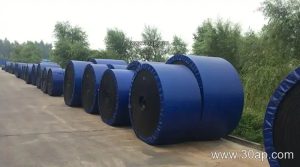
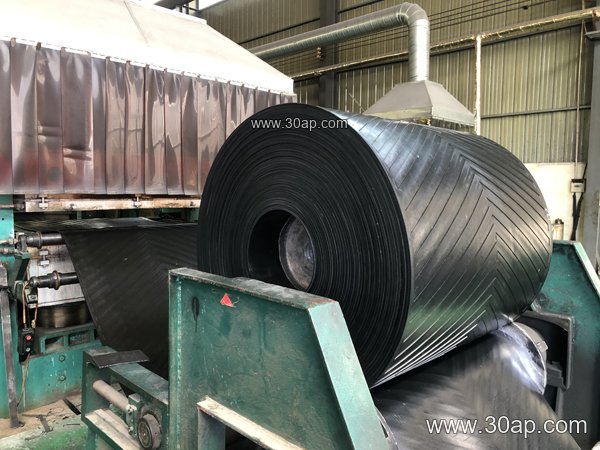
A power plant conveyor belt moves fuel and residual solids between stockpile, bunker, boiler and ash-handling areas. In coal-fired stations it usually carries crushed coal from the yard to the boiler house; in biomass and waste-to-energy plants it handles wood chips, pellets or refuse-derived fuel. The same belt family also appears in limestone preparation for flue gas desulfurization and in bottom-ash or fly-ash transfer lines. Because these duties differ so much, a single belt specification rarely suits every run in the plant.
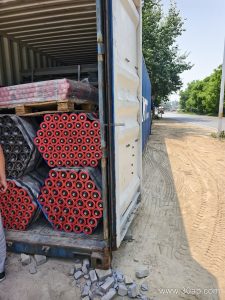
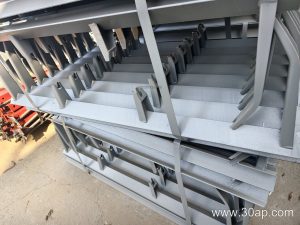
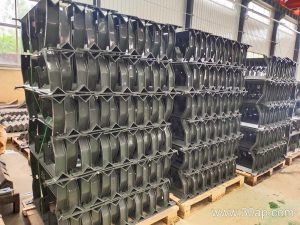
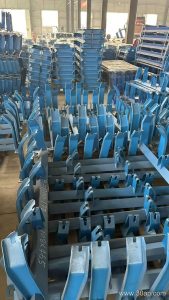
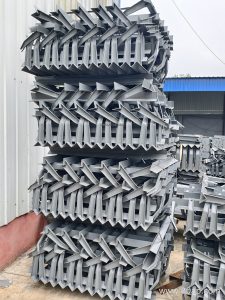
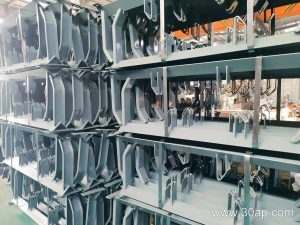
The equipment around the belt matters as much as the belt itself. A conveyor pulley at the drive end transmits tension, while the tail pulley returns the belt; bend pulleys and take-up pulleys manage wrap angles. Idler rollers support the loaded strand, and a conveyor bracket holds the idlers in alignment. None of these components is interchangeable with another, and none can be treated as a simple substitute for the belt specification.
Construction and Common Belt Types
Most power plant belts are fabric-reinforced or steel-reinforced rubber belts. The carcass provides tensile strength, the cover compounds protect against wear, heat and fire, and the adhesion system keeps the layers together. Fabric-core constructions include EP (polyester-nylon) and NN (nylon-nylon) belts, usually built with 2 to 6 plies; steel cord belts are chosen for long, high-tension runs.
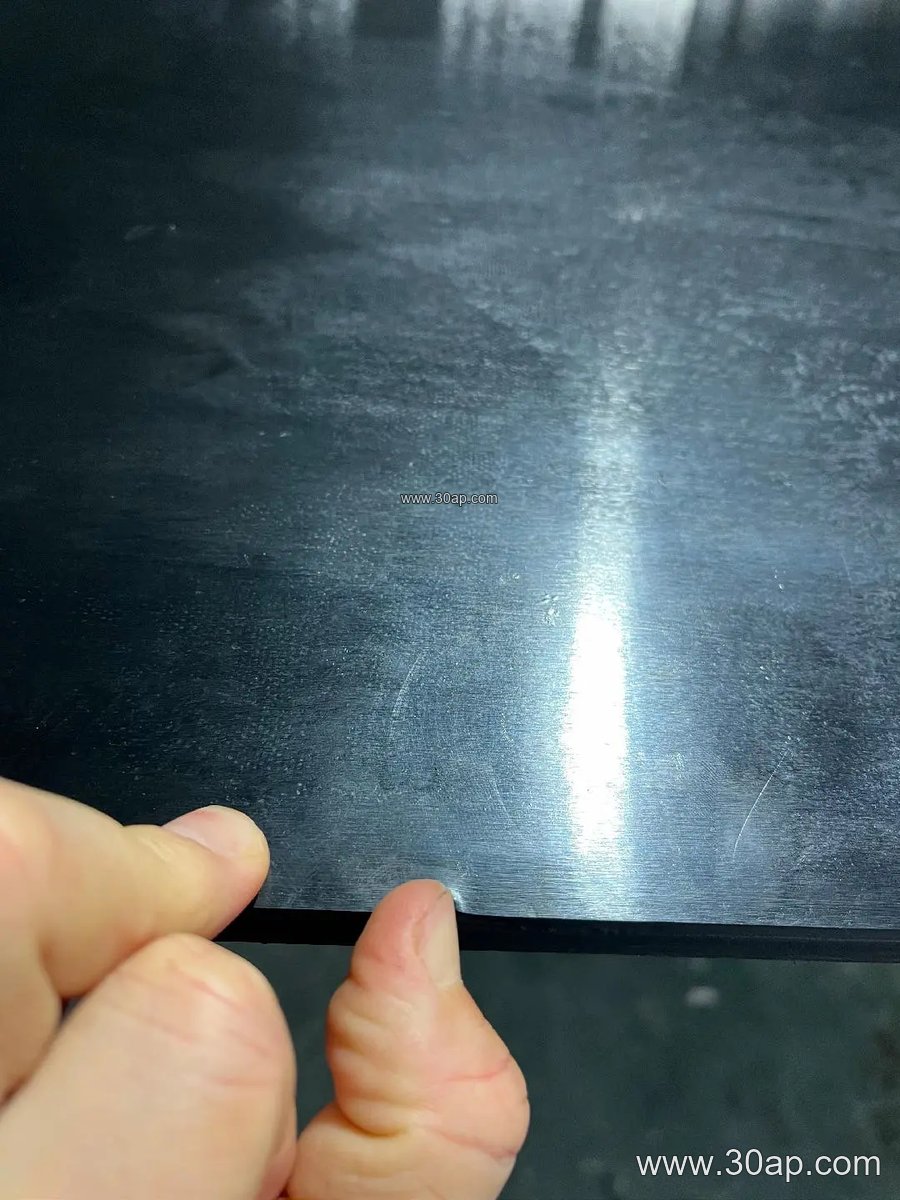
Typical carcass grades and cover thicknesses are shown below as common reference values. Actual selection depends on the conveyor design, the material carried and the local safety requirements.
| Item | Common range (reference) |
|---|---|
| EP carcass grades | EP200, EP315, EP400, EP500, EP630, EP800, EP1000, EP1250, EP1600, EP2000 |
| Steel cord grades | ST1000 to ST3150, chosen by design tension |
| Belt width | B500, B650, B800, B1000, B1200, B1400, B1600, B1800, B2000 |
| Cover thickness | 3+1.5, 4+2, 5+2, 6+2, 8+3 mm |
| Carcass plies (fabric) | 2 to 6 layers, commonly |
Cover compound selection is usually the decisive factor in a power plant. An abrasion resistant conveyor belt suits coal and ash with sharp particles; a heat resistant conveyor belt is needed near hot clinker or ash; a flame retardant conveyor belt and anti-static properties are typical requirements for underground or enclosed coal handling. Oil resistant grades appear where fuel oil or lubricant contamination is possible.
Where These Belts Are Used
Coal handling is the largest application. A coal conveyor belt links the wagon tippler or stacker-reclaimer to the crusher house and then to the bunkers. In mines feeding the plant, a mining conveyor belt or coal mining conveyor belt carries raw coal over long distances, while an underground coal mining conveyor belt must combine flame resistance with robust covers. Similar belts serve cement plants, quarries, steel works, ports and sand and gravel yards, but the duty cycle and material temperature differ.
Ash handling is another distinct duty. Bottom ash is coarse and hot; fly ash is fine and abrasive. A heavy-duty conveyor belt with thicker covers often makes sense here, and the pulley and idler selection must match the load. In limestone and gypsum circuits, a fabric core conveyor belt with moderate abrasion resistance is frequently adequate.
Buyer Checklist
- Confirm the design tension and belt width first; do not assume a given width dictates a particular pulley diameter.
- State the material, lump size, temperature and moisture so the cover compound can be matched.
- Confirm fire and anti-static requirements for coal or enclosed galleries.
- Check splice type and whether an endless conveyor belt is preferred for a critical run.
- Review pulley, idler roller and bracket details together with the belt, since misalignment shortens belt life.
- Ask for cover thickness and ply count in writing, and keep spare belt sections consistent with the installed specification.
Finally, plan maintenance around inspection of the belt edges, cover wear and splice condition. A well-matched power plant conveyor belt, supported by correctly aligned pulleys and idlers, usually gives the longest service interval in coal, biomass and ash service.