What a Galvanized Idler Is
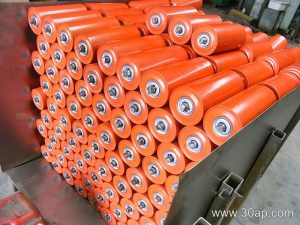
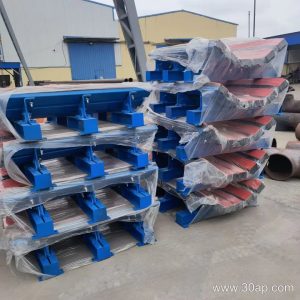
A galvanized idler is a conveyor idler roller whose steel shell and end structures are protected with a zinc coating. In many plants it is simply called a galvanized roller or galvanized carrying idler, but the product is the same: a rotating support that carries the conveyor belt and the material load between the head and tail of the conveyor. The zinc layer is the defining feature, because it slows corrosion when moisture, dust, and washdown water are part of daily operation.
Idlers are not the same as pulleys. A conveyor pulley drives or redirects the belt, while an idler roller supports it along the run. Drive pulleys, tail pulleys, and bend pulleys perform different jobs and are not interchangeable with idlers. A galvanized idler belongs in the supporting role, and that distinction matters when a buyer is assembling a parts list.
How the Roller Is Built
The typical unit starts with a steel tube shell, machined bearing housings at each end, a shaft, and sealed bearings. After fabrication, the shell and exposed steel parts receive galvanizing, which gives a dull gray finish and a zinc barrier against rust. Sealing quality often decides service life in dusty conditions, so the bearing cap and labyrinth arrangement deserve close attention during inspection.
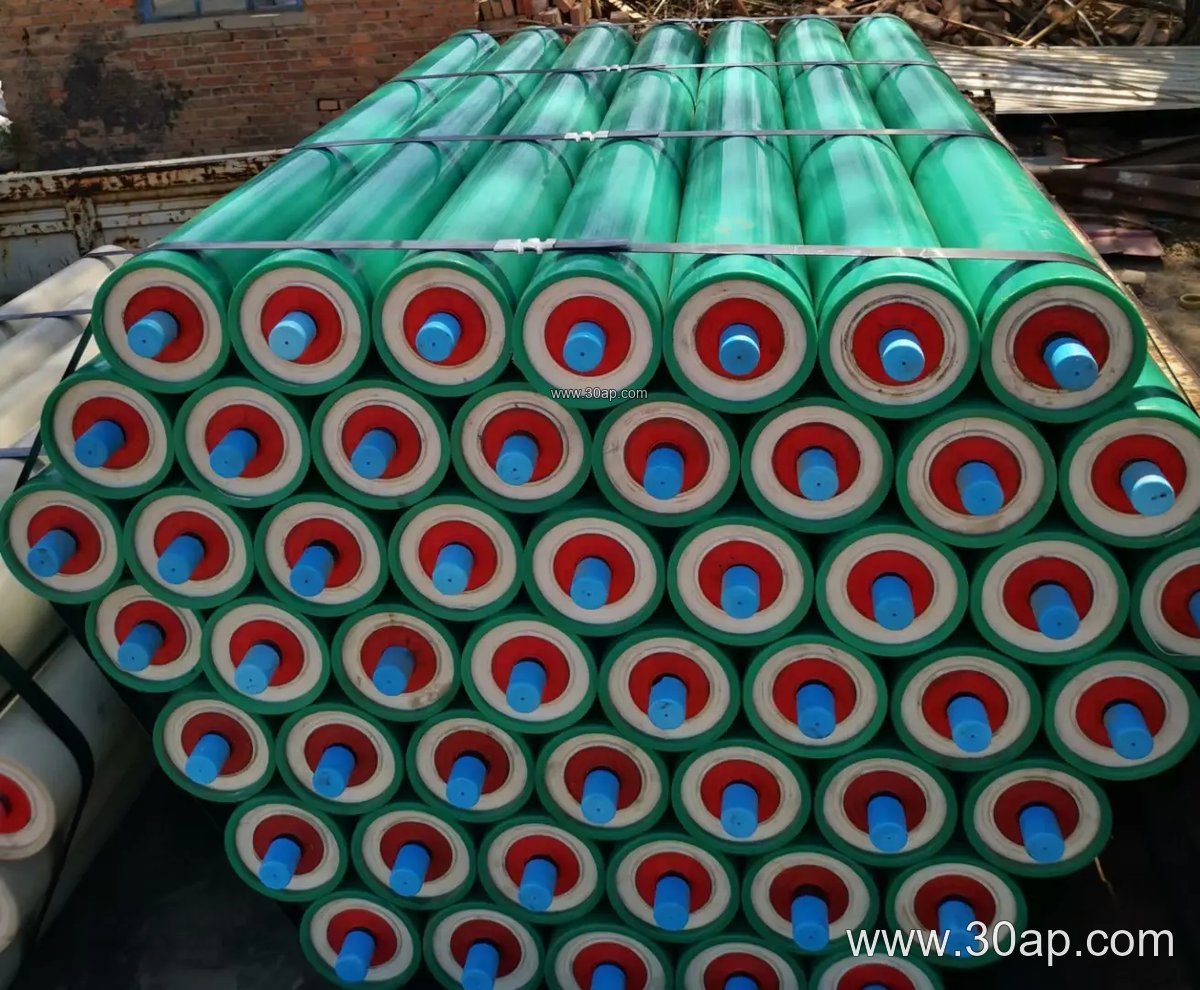
Shell surface can vary. Plain steel is common for general duty, while rubber rings are used on impact idlers at loading points, and nylon or ceramic covers appear where material buildup or wear is a concern. The table below shows reference dimensions that are often used in design, not fixed rules.
Common Reference Data
| Item | Typical Range or Example |
|---|---|
| Roller diameter | Ø63, Ø76, Ø89, Ø102, Ø108, Ø127, Ø133, Ø159, Ø178, Ø194, Ø219 mm |
| Belt width | B400, B500, B650, B800, B1000, B1200, B1400, B1600, B1800, B2000, B2200, B2400 |
| Trough angle | 20°, 30°, 35°, 45° |
| Roller length, three-roll trough (example) | B500 about 200 mm, B650 about 250 mm, B800 about 315 mm, B1000 about 380 mm, B1200 about 465 mm, B1400 about 530 mm, B1600 about 600 mm |
| Bearing reference | 6204, 6205, 6305, 6306, 6308, 6310 |
| Idler set form | Single roll, two-roll, three-roll trough |
These values are reference data. Side rollers and center rollers can differ, and roller length changes with belt width, trough angle, and set arrangement. A bearing number should be matched to the load and shaft design rather than tied to one roller diameter.
Where Galvanized Idlers Fit
Corrosion-prone locations benefit most. A sand and gravel line that washes its belt, a cement plant with alkaline dust, or a power plant coal yard exposed to weather are practical examples. In a quarry or crusher discharge area, impact idlers with rubber rings are often placed under the loading zone, while standard galvanized troughing idlers carry the belt through the main run. Return idlers support the empty strand underneath, and V-type return sets help keep the belt centered.
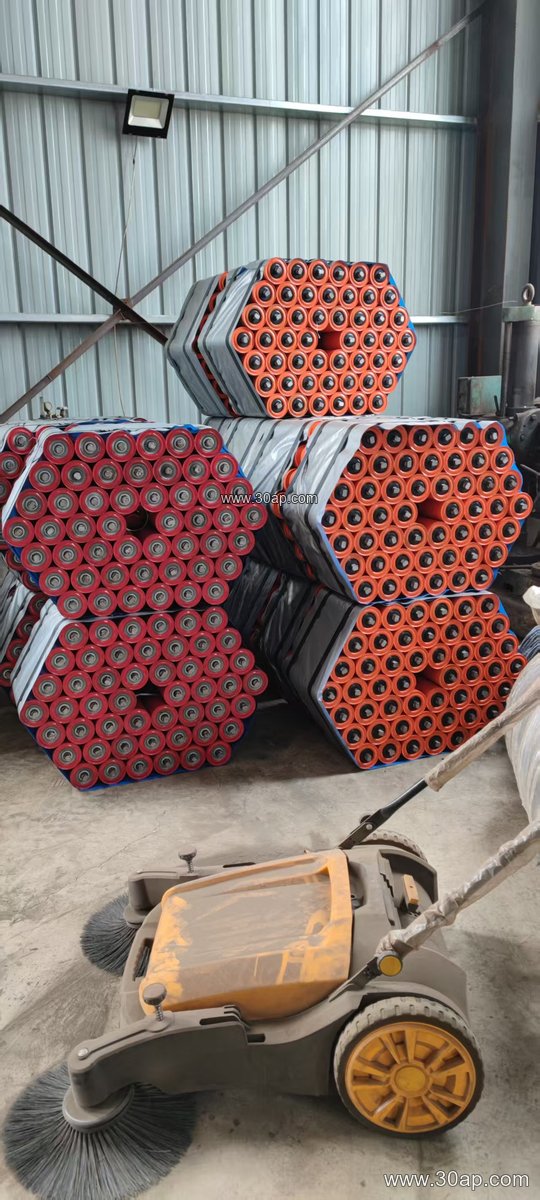
Selection also depends on the belt itself. A heavy-duty mining conveyor belt or a steel cord conveyor belt may call for larger roller diameters and stronger bearing arrangements than a light aggregate line. Where the belt is a flame retardant conveyor belt in an underground coal mine, the idler and its coating should suit the same environment and maintenance routine. For abrasive ore, an abrasion resistant conveyor belt paired with well-sealed rollers reduces both belt wear and roller failure.
Buyer Checklist
- Confirm belt width and trough angle before ordering, since roller length follows the set geometry.
- Match roller diameter and bearing class to load, belt speed, and ambient conditions.
- Check zinc coating thickness and finish consistency, especially at weld seams and shaft ends.
- Ask about seal type for dusty or wet service, and specify rubber rings where impact is heavy.
- Verify mounting dimensions against the conveyor bracket and frame before installation.
- Plan a spare ratio for high-wear positions such as loading points and transfer zones.
Installation matters as much as the part. Misaligned brackets, over-tightened belts, and damaged seals shorten idler life quickly. During commissioning, check that each roller turns freely and that the belt tracks centrally. A simple walk-down routine after startup catches most early problems.
Maintenance and Long-Term Value
Galvanized idlers are not maintenance-free, but the coating buys time in humid or dusty plants. Inspect for seized bearings, worn shells, and coating damage, and replace failed units promptly to avoid belt damage. Keep a small stock of common diameters so a failed roller does not stop a transfer line. When the conveyor moves from abrasive stone to wet material, review the idler specification again rather than assuming the original choice still fits.