What a Steel Plant Conveyor Belt Has to Handle
A steel plant conveyor belt is not asked to do one job. It may carry sinter, pellets, coke, limestone, mill scale, or hot clinker from one process step to the next. The same circuit can pass through dusty transfer points, hot zones near furnaces, and wash-down areas where oil and water are present. That mix explains why buyers rarely order a single belt specification for the whole site. Instead, they match the belt construction to each duty, then keep spares that fit the most critical runs.
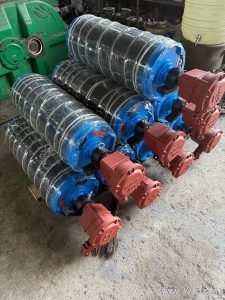
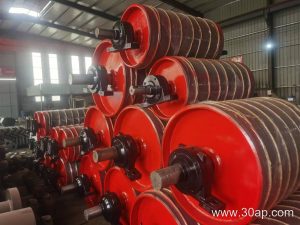
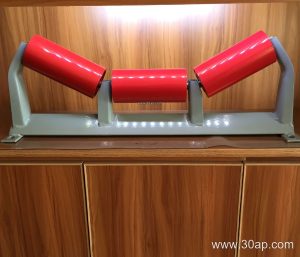
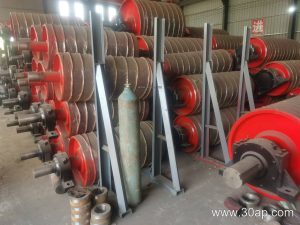
The belt is the load-bearing surface of a conveyor system that also includes the idler roller sets, conveyor pulley assemblies, and conveyor bracket supports. Drive, tail, and bend pulleys each do a different job and are not interchangeable, so belt tension and pulley layout should be reviewed together during selection.
Construction and Common Types
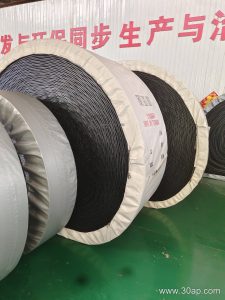
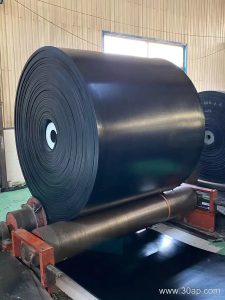
Most belts used in steel plants are fabric-cored or steel-cord reinforced. Fabric construction is flexible and suits moderate tension and shorter centres, while steel cord is chosen where long distances and high tension demand a stronger carcass. Cover compounds follow the environment: abrasion resistant grades for coke and sinter, heat resistant grades near hot material, oil resistant grades around lubricated equipment, and flame retardant grades for enclosed or underground sections. For extremely hot or sticky material, a heat resistant conveyor belt with a suitable cover grade is usually specified rather than a general-purpose belt.
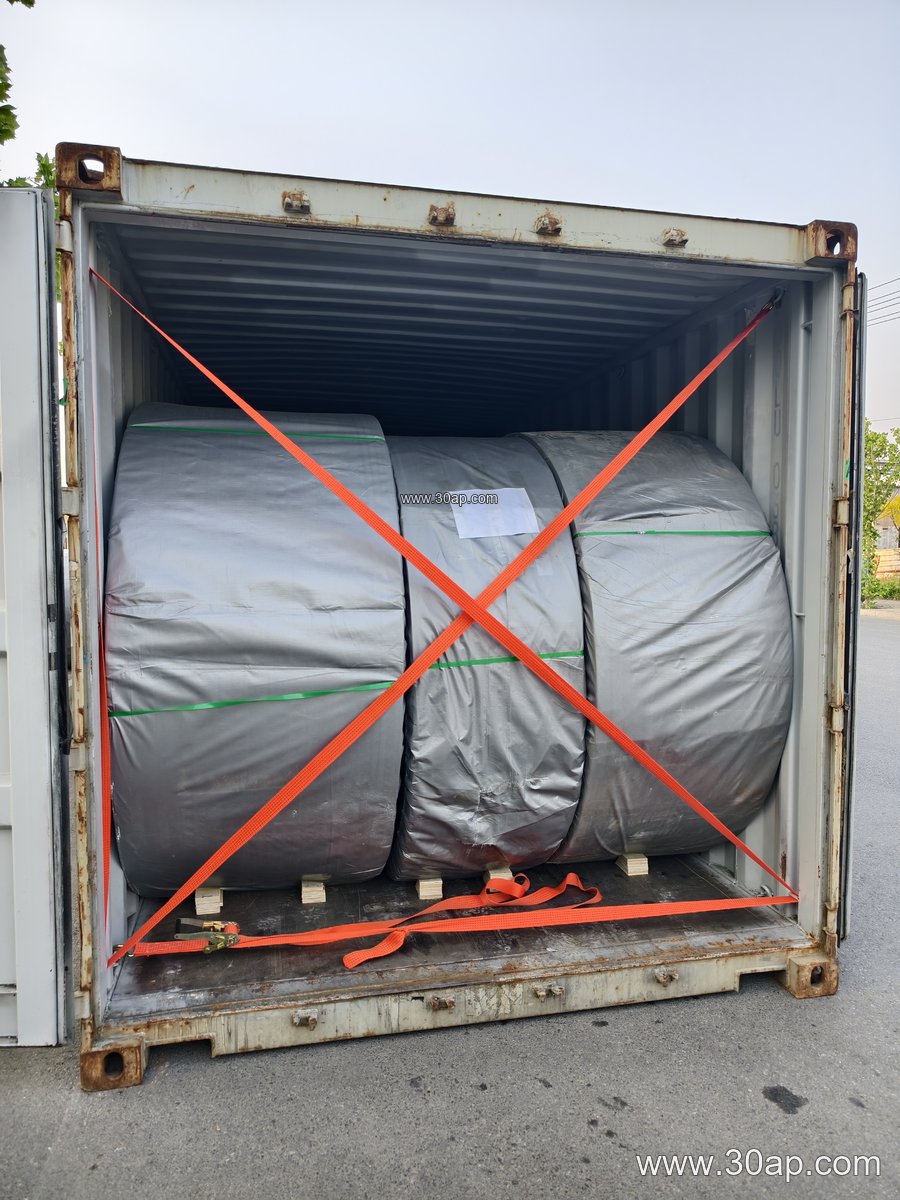
Typical reference data is shown below. Values are common ranges, not fixed supply commitments, and final figures are set by the conveyor design.
Fabric core reference values
- Strength grades often quoted: EP200, EP315, EP400, EP500, EP630, EP800, EP1000, EP1250, EP1600, EP2000
- Carcass layers: commonly 2 to 6 plies, depending on strength
- Cover thickness examples: 3+1.5, 4+2, 5+2, 6+2, 8+3 mm
Belt width and reinforcement guide
- Widths commonly seen: B500, B650, B800, B1000, B1200, B1400, B1600, B1800, B2000
- Reinforcement options: EP fabric, NN fabric, steel cord, PVC, PVG
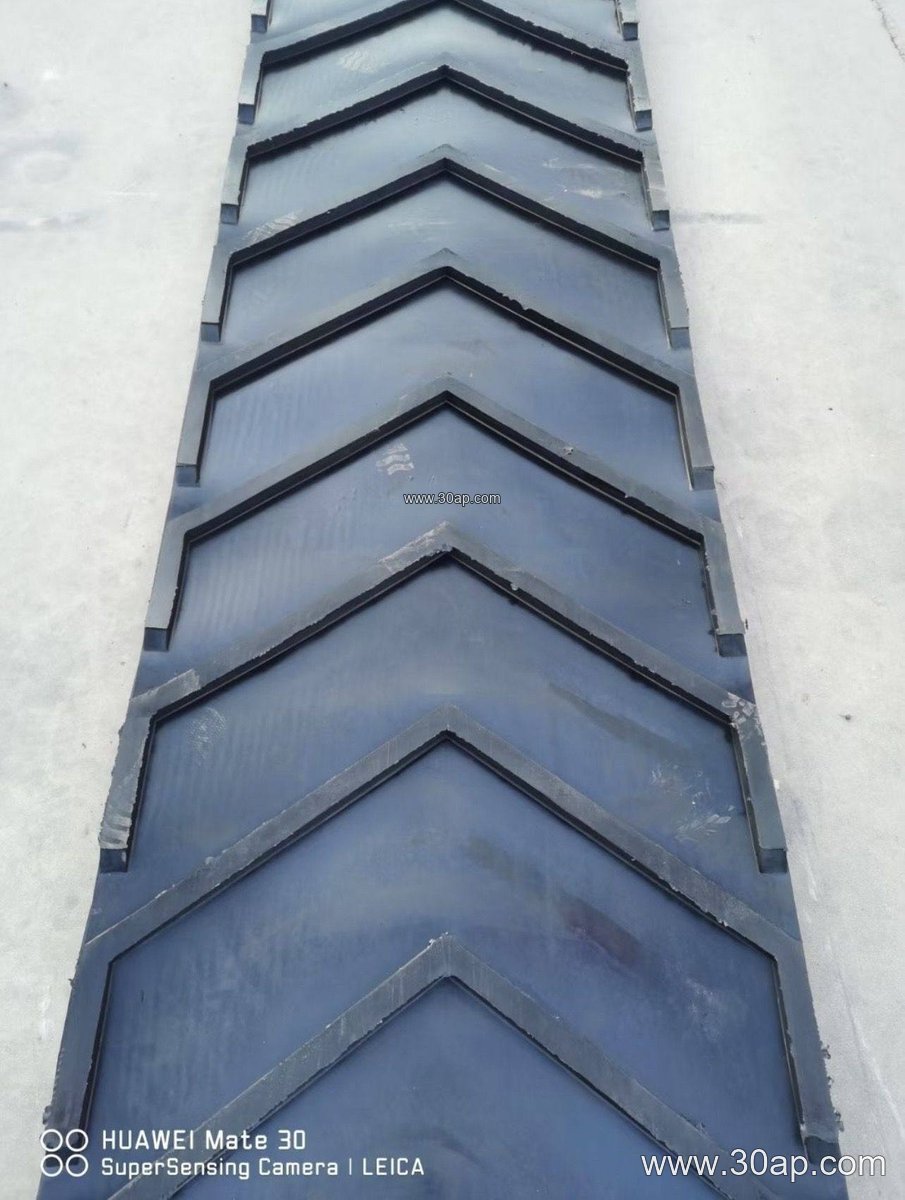
- Surface options: plain, chevron, corrugated sidewall, skirted edges
Width and pulley diameter are matched by calculation, not by a fixed rule. A 1200 mm wide belt may run on different pulley sizes at different tension levels, so shaft and pulley dimensions must come from the conveyor designer.
Where It Works in a Steel Plant
Raw material yards, sinter plants, coke ovens, blast furnace charging lines, and slag handling areas all rely on conveyors. A steel plant conveyor belt may also appear in the power plant section of the site, moving coal or limestone, and in the quarry conveyor belt that feeds the plant with ore and flux. In these positions the belt meets sharp edges, heavy lumps, and occasional spillage, so impact resistant and heavy-duty cover grades earn their place.
Where the route is long or the layout tight, a pipe conveyor belt or a corrugated sidewall conveyor belt can contain the material and reduce spillage. These are layout choices, not replacements for the main belt specification, and each has its own tension and pulley requirements.
Selection and Maintenance Points
Before ordering, confirm the material, lump size, temperature, moisture, and any oil or chemical exposure. Check the troughing angle, the transition distance, and the take-up arrangement. Inspect the idler roller condition, because a seized roller can damage a belt faster than normal wear. Keep the conveyor pulley surfaces clean and check lagging, and make sure conveyor bracket fixings remain tight so the frame stays aligned.
- Match cover grade to the dominant wear mode: abrasion, heat, oil, or flame risk.
- Confirm belt width against the chute opening and the largest lump.
- Review splice type and plan spare belt length for the critical circuits.
- Record belt thickness and cover wear at fixed intervals to plan replacement.
A steel plant conveyor belt that fits its duty, is tracked correctly, and is inspected on schedule will usually outlast a higher-grade belt that is misaligned or overloaded. Buyers who compare carcass type, cover grade, width, and pulley layout together make the most reliable choice.