What an EP Conveyor Belt, 10mm Thick Actually Is
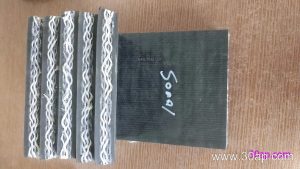
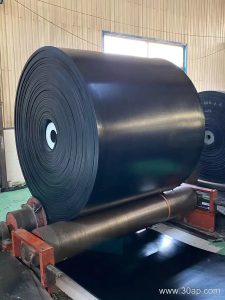
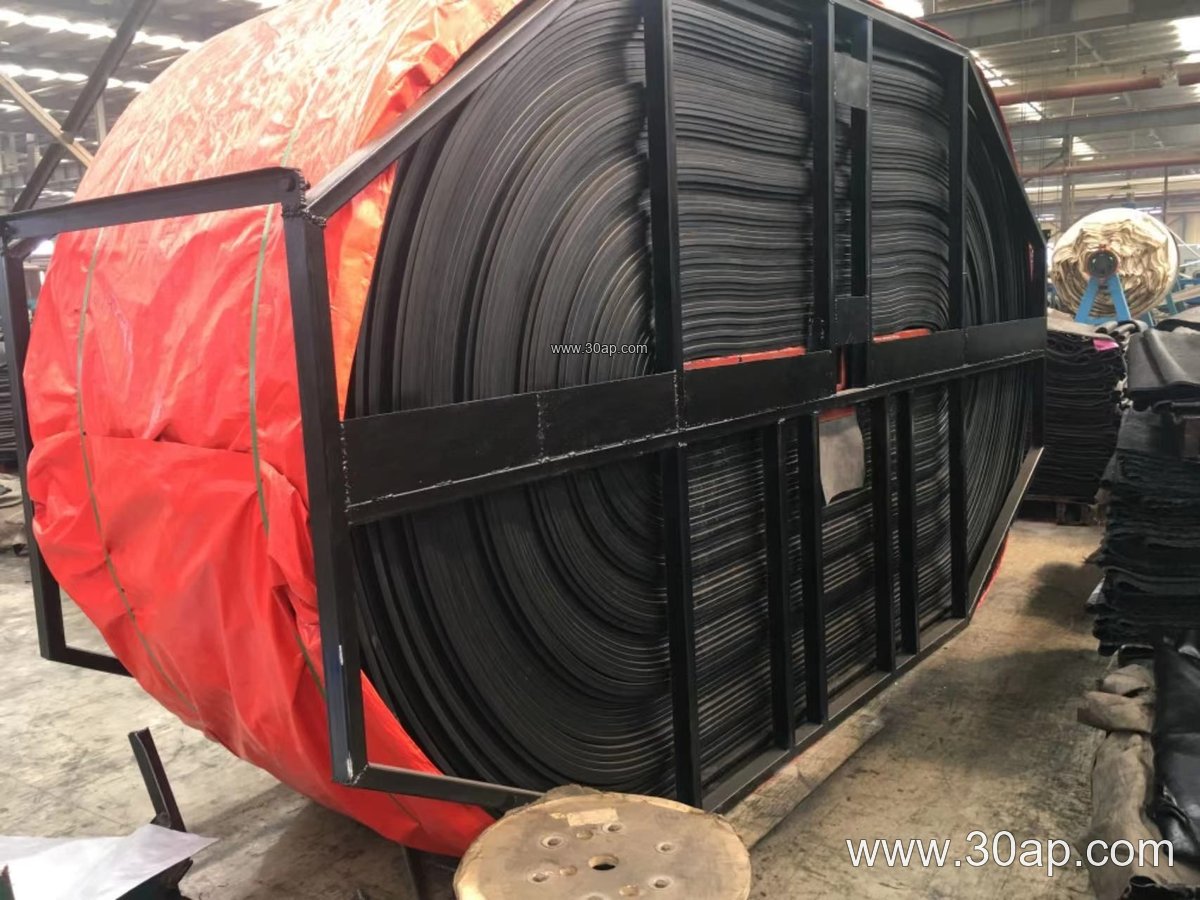
An EP Conveyor Belt, 10mm Thick is a fabric-core rubber belt built on polyester-polyamide (EP) carcass plies and finished with a total thickness of about 10 mm. The EP carcass gives the belt low stretch in service and good resistance to fatigue, while the rubber covers protect the plies from abrasion, moisture and impact. In practice, buyers often call this product an EP rubber conveyor belt or an EP fabric core conveyor belt; both refer to the same construction.
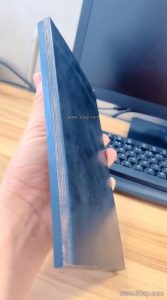
The 10 mm figure is a nominal overall thickness. It is made up of the top cover, the EP plies, the skim rubber between plies, and the bottom cover. Because cover thickness varies by design, two belts with the same total thickness can behave quite differently on the same conveyor.
How the Belt Is Built
The carcass is the load-bearing part. EP fabric plies are stacked and bonded with rubber skim, then covered on both faces. A typical 10 mm belt may use several plies depending on the required strength, and the cover grades are selected for the duty.
- Carcass: EP fabric plies, usually 2 to 6 layers, providing tensile strength and troughability.
- Top cover: the wear surface that contacts the material; grade chosen for abrasion, heat, oil or flame resistance.
- Bottom cover: runs against the idler roller and drive pulley; usually thinner than the top cover.
- Edges: cut or moulded, depending on the manufacturer and the risk of edge damage.
Common cover combinations for a belt of this thickness include 5+2 mm, 6+2 mm and 8+3 mm, where the first figure is the top cover and the second is the bottom cover. These are reference arrangements, not fixed rules; the final build is confirmed by the belt designer.
Typical Strength Grades and Dimensions
EP belts are graded by carcass tensile strength. For a 10 mm thick belt, common grades include EP200, EP315, EP400, EP500, EP630 and EP800. Higher grades such as EP1000 and EP1250 are also produced, but they usually need more plies or heavier covers, so the total thickness may exceed 10 mm. The table below shows indicative combinations; actual values depend on the manufacturer.
| Strength Grade | Typical Ply Range | Common Belt Widths | Cover Example |
|---|---|---|---|
| EP200 | 2–3 | B500, B650, B800 | 4+2 mm |
| EP315 | 3–4 | B650, B800, B1000 | 5+2 mm |
| EP400 | 3–4 | B800, B1000, B1200 | 5+2 mm |
| EP500 | 4–5 | B1000, B1200, B1400 | 6+2 mm |
| EP630 | 4–5 | B1200, B1400, B1600 | 6+2 mm |
| EP800 | 5–6 | B1400, B1600, B1800 | 8+3 mm |
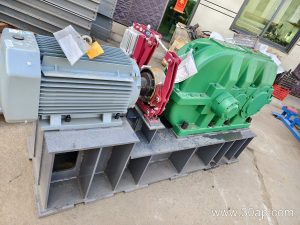
Widths are usually stated in millimetres, for example 800mm Conveyor Belt or 1200mm Conveyor Belt. A belt width does not dictate a single pulley diameter; the drive pulley, tail pulley and bend pulley are sized from belt tension, wrap angle and shaft load, so they should be checked together rather than matched one-to-one with the belt width.
Where a 10 mm EP Belt Fits
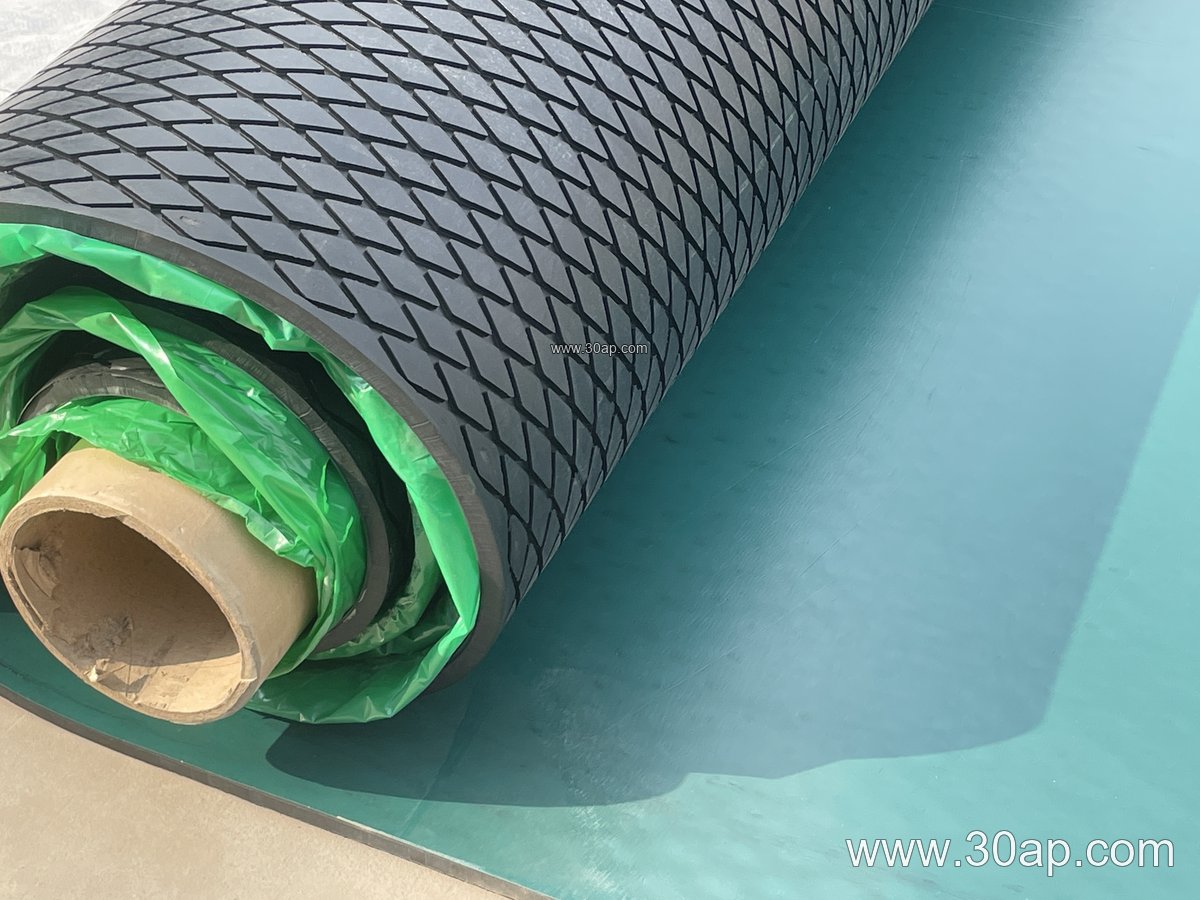
This thickness sits in the medium-to-heavy range. It suits primary and secondary conveying in mining conveyor belt circuits, quarry and aggregate lines, cement plants, power plant coal handling, steel plants and port loading systems. It is also common on crusher discharge belts and bulk material conveyor belt routes where impact and abrasion are present but a full steel cord construction is not required.
For comparison, an NN conveyor belt uses nylon fabric and can offer higher impact absorption, while a steel cord conveyor belt is chosen for very long runs and high tension. Neither replaces the EP belt in this thickness range; they are simply different tools for different duties.
Selection Points for Buyers
- Duty and material: specify whether the load is abrasive, hot, oily or flammable. This decides whether an abrasion resistant conveyor belt, heat resistant conveyor belt or flame retardant conveyor belt cover is needed.
- Tension and take-up: confirm the required strength grade and the available take-up travel; EP carcass has low elongation but still needs correct tensioning.
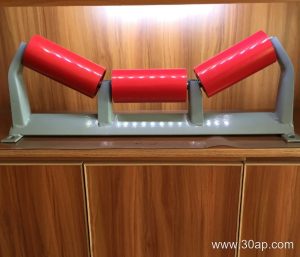
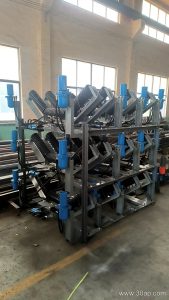
- Pulley and idler compatibility: check the conveyor pulley diameters, idler roller spacing and conveyor bracket layout so the belt troughs and tracks correctly.
- Cover thickness: a 10 mm total thickness with a thin top cover may wear faster than expected; match the cover to the material.
- Edge and splice: decide between cut edges and moulded edges, and plan the splice method before ordering.
Ask for the actual cover gauge, ply count and grade in writing. A belt described only as an EP Conveyor Belt, 10mm Thick can still vary widely, and the datasheet is what protects the buyer.
Installation and Maintenance Notes
Align the conveyor pulley and idler roller frames before tensioning, and check that the belt runs centred on the tail pulley. Keep the bend pulley and drive pulley clean, since material build-up changes the belt path. Inspect the belt regularly for edge damage, cover wear and exposed fabric; early repair of small spots is cheaper than replacing a full belt. Store spare belts flat, away from sunlight and ozone sources, and rotate stock if it is held for long periods.