What a Dust-Proof Idler Is
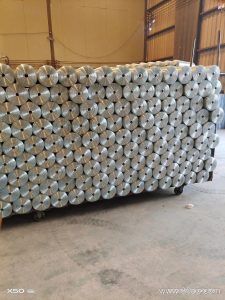
A dust-proof idler is a carrying or return roller built to keep fine particles away from its bearing cavity. In coal handling, cement plants, lime kilns and aggregate lines, a standard idler roller can lose grease and bearing life quickly when grit works past the seal. The dust-proof version closes that path with a multi-stage sealing arrangement, so the roller keeps turning smoothly in an environment where airborne dust is constant.
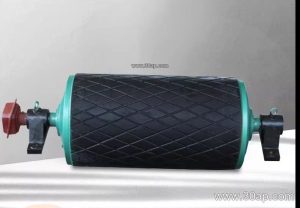
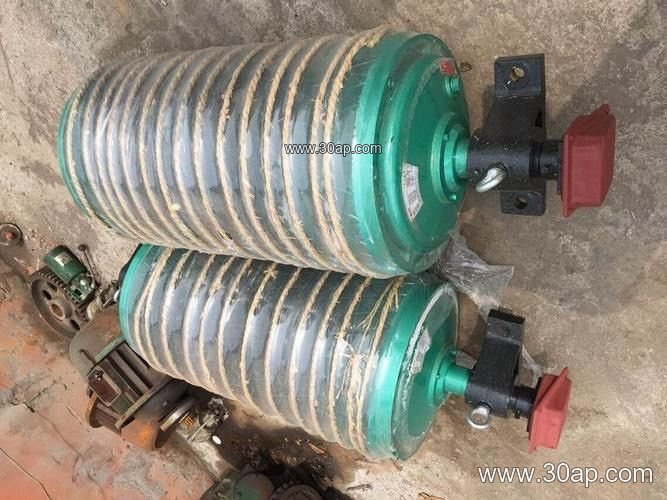
The natural name in most plants is simply the sealed idler or dust-proof roller. It belongs to the same family as trough idlers, return rollers and impact rollers, but its defining feature is the seal, not the shell profile. Drive pulleys, tail pulleys and bend pulleys are different components and are never a substitute for an idler.
How the Seal and Body Are Built
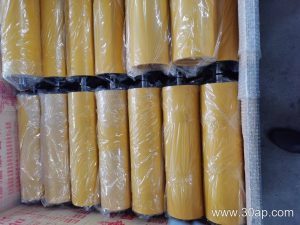
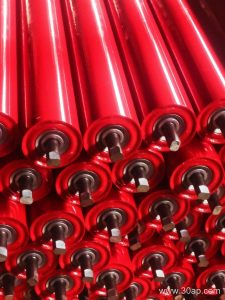
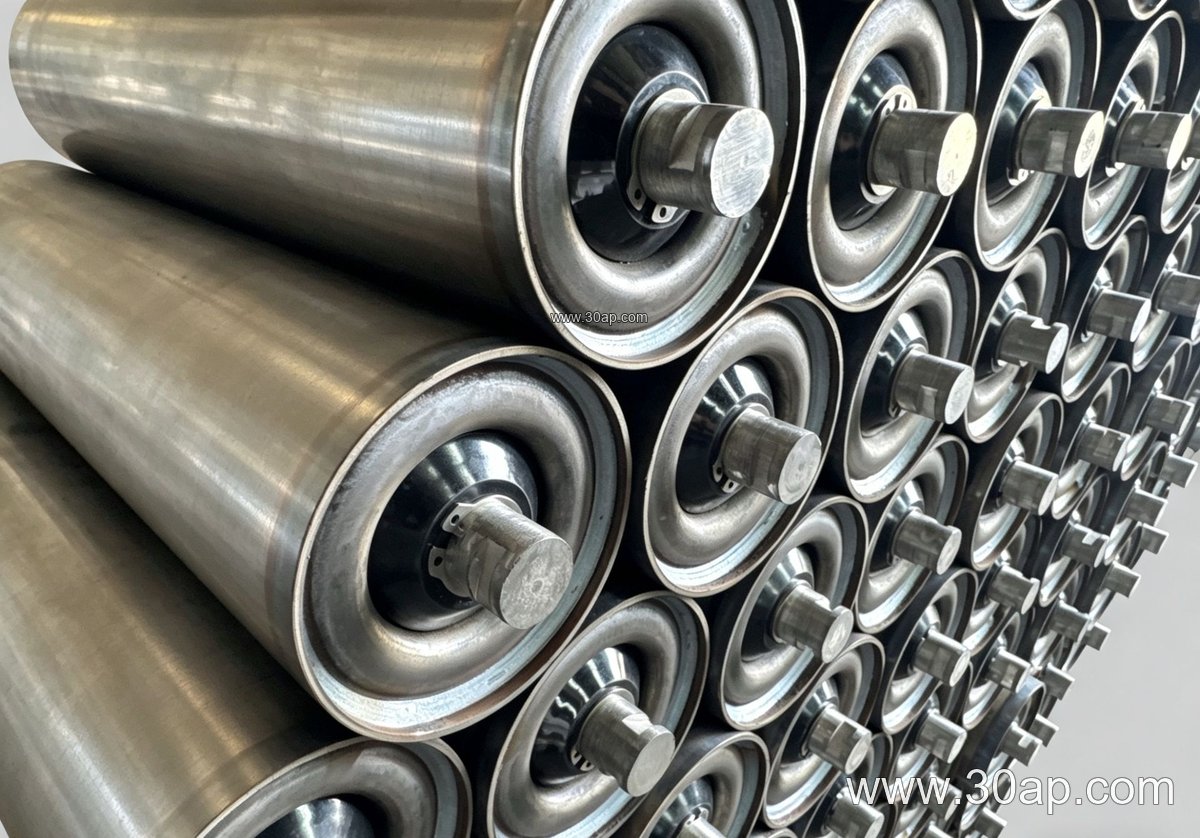
A typical dust-proof design combines a steel tube shell, a through shaft, and a bearing housing with a labyrinth or multi-lip seal. Bearing sizes such as 6204, 6205, 6305, 6306, 6308 and 6310 are common depending on load and shaft design; no single bearing is tied to one roller diameter. The shell may be plain steel, nylon, ceramic or fitted with rubber rings where impact or material buildup is a concern.
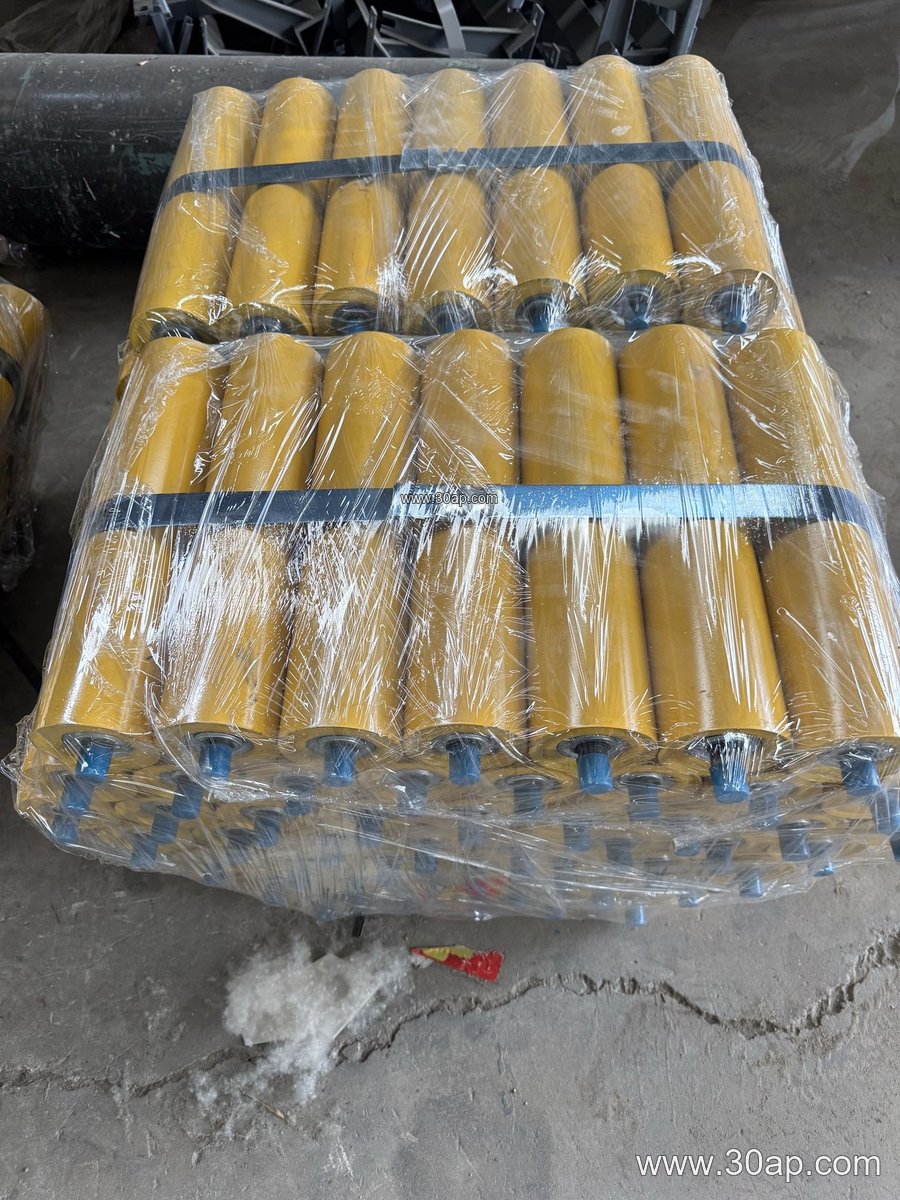
Sealing quality usually matters more than the shell in dusty service. A well-made labyrinth keeps the grease in and the fines out, while a simple felt seal may fail within months in a coal preparation plant or a cement mill. Buyers should ask how many sealing stages are used and whether the bearing cavity is pre-packed.
Where It Fits on the Conveyor
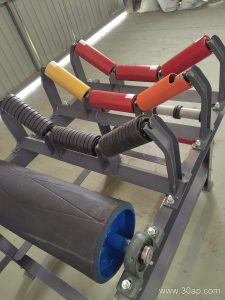
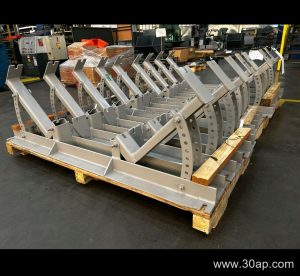
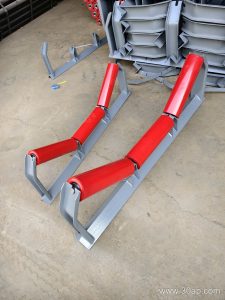
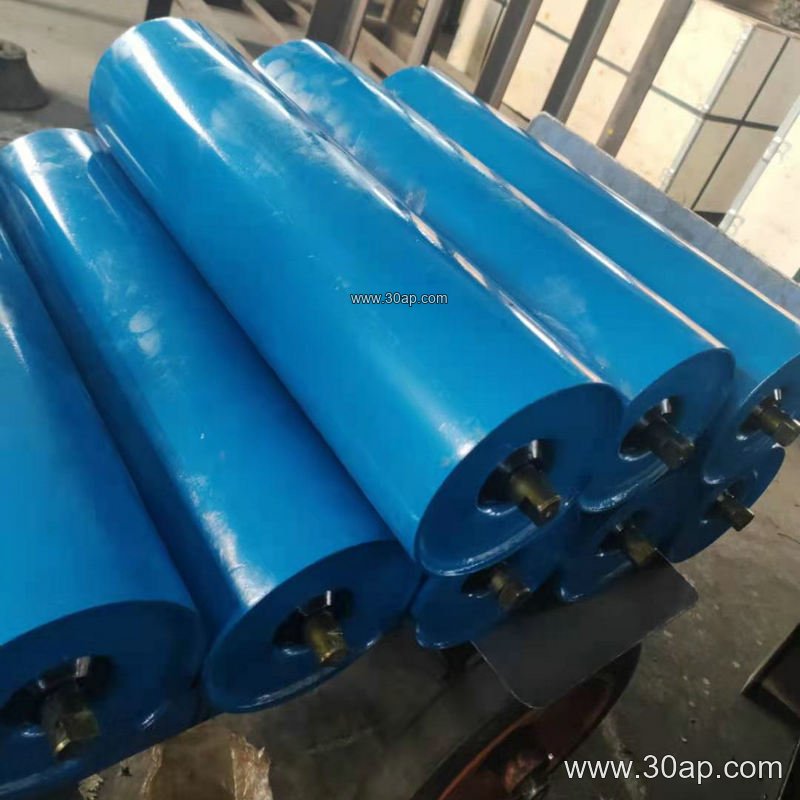
Dust-proof idlers appear on the carrying side as three-roll trough sets, on the return side as flat or V-return rollers, and at transfer points where a cushion is needed. They are common in coal mining, cement and power plant coal yards, limestone quarries, iron ore and copper ore handling, and sand and gravel plants. A conveyor belt moving dusty bulk material benefits most when the whole idler set is sealed, not just one roller.
In these lines the idler works alongside the conveyor pulley, conveyor bracket and frame. The belt itself may be a rubber conveyor belt, an EP conveyor belt or an NN conveyor belt, and in some dusty or wet tunnels a flame retardant conveyor belt is specified. The idler choice should follow the belt width and load, not the other way round.
Common Sizes and Configurations
Roller diameter and length are selected from belt width, trough angle and idler set form. The values below are typical references, not fixed combinations.
| Parameter | Common reference values |
|---|---|
| Roller diameter | Ø63, Ø76, Ø89, Ø102, Ø108, Ø127, Ø133, Ø159, Ø178, Ø194, Ø219 mm |
| Belt width | B400, B500, B650, B800, B1000, B1200, B1400, B1600, B1800, B2000, B2200, B2400 |
| Trough angle | 20°, 30°, 35°, 45° |
| Idler set | single roll, two-roll, three-roll trough |
| Roller surface | steel tube, nylon, ceramic, rubber rings |
For a three-roll trough set, typical roller lengths are about 200 mm at B500, 250 mm at B650, 315 mm at B800, 380 mm at B1000, 465 mm at B1200, 530 mm at B1400, 600 mm at B1600, 670 mm at B1800 and 750 mm at B2000. Side rollers and the centre roller can differ, so these are examples rather than a rule. A 1200 mm wide conveyor belt and a 650 mm belt will clearly need different roller lengths even if both use the same seal design.
Selection and Maintenance Notes
- Match the seal class to the dust load: cement and coal dust are more aggressive than damp sand.
- Check that the bearing housing and shaft fit the conveyor bracket without forcing.
- Use impact or rubber-ring idlers at transfer points, and standard sealed rollers on the long carry run.
- Inspect for grease leakage and shell wear at each shutdown; a noisy roller usually means the seal has already failed.
- Keep spare rollers in the common diameters used on that line so a failed unit can be swapped quickly.
A dust-proof idler is a small part of the conveyor, but in a dusty plant it decides how often maintenance crews stop the belt. Choosing the right seal, diameter and roller length for the actual belt width and material is the practical way to keep a bulk handling line running.