What a Discharge Pulley Does
A discharge pulley, also known as a head pulley or delivery pulley, is the conveyor pulley positioned at the discharge end of a belt conveyor. Its primary function is to redirect the conveyor belt and discharge the conveyed material into the next stage of the process—a crusher, screen, stockpile, or transfer chute. Unlike a tail pulley that tension the belt at the loading end or a bend pulley that merely changes belt direction, the discharge pulley is directly involved in material release and often carries the highest belt tension in the system.
In quarry, mining, and aggregate operations, the discharge pulley works in tandem with the conveyor belt to ensure smooth offloading. The pulley’s design must accommodate the belt width, the material load, and the operating environment. It is typically larger in diameter than other pulleys on the same conveyor to reduce belt flex fatigue and to provide adequate clearance for material discharge.
Construction and Key Components
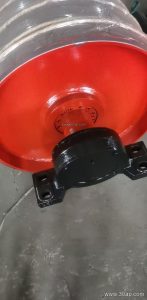
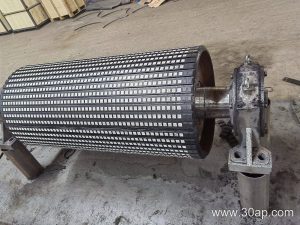
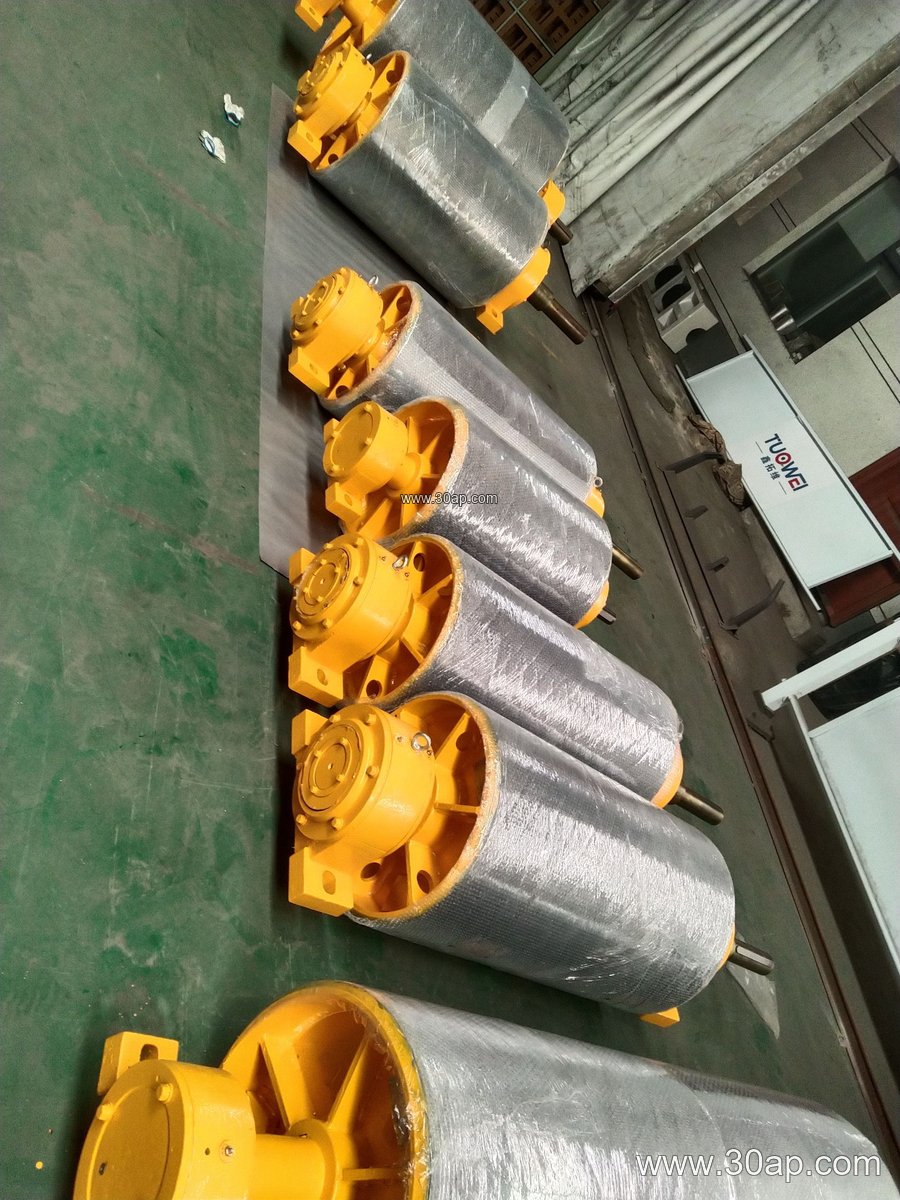
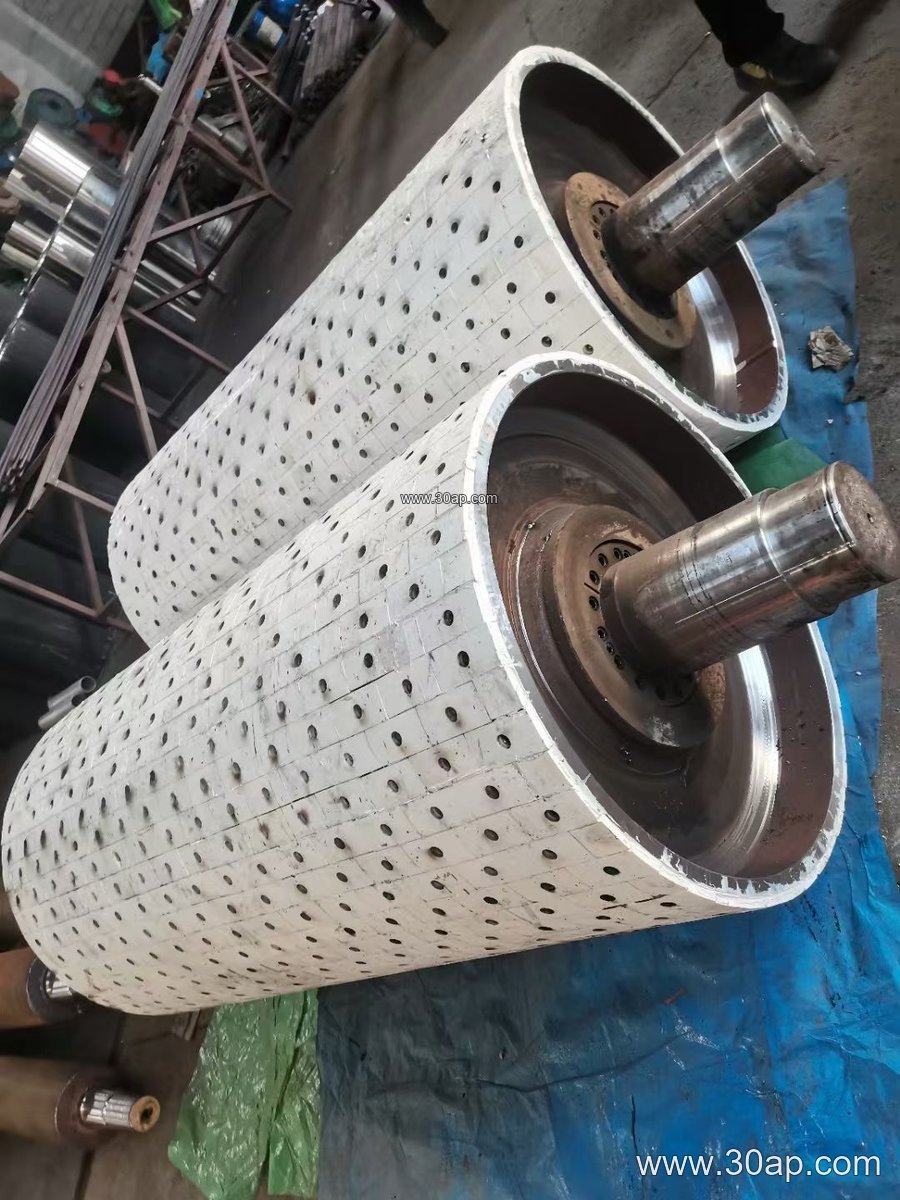
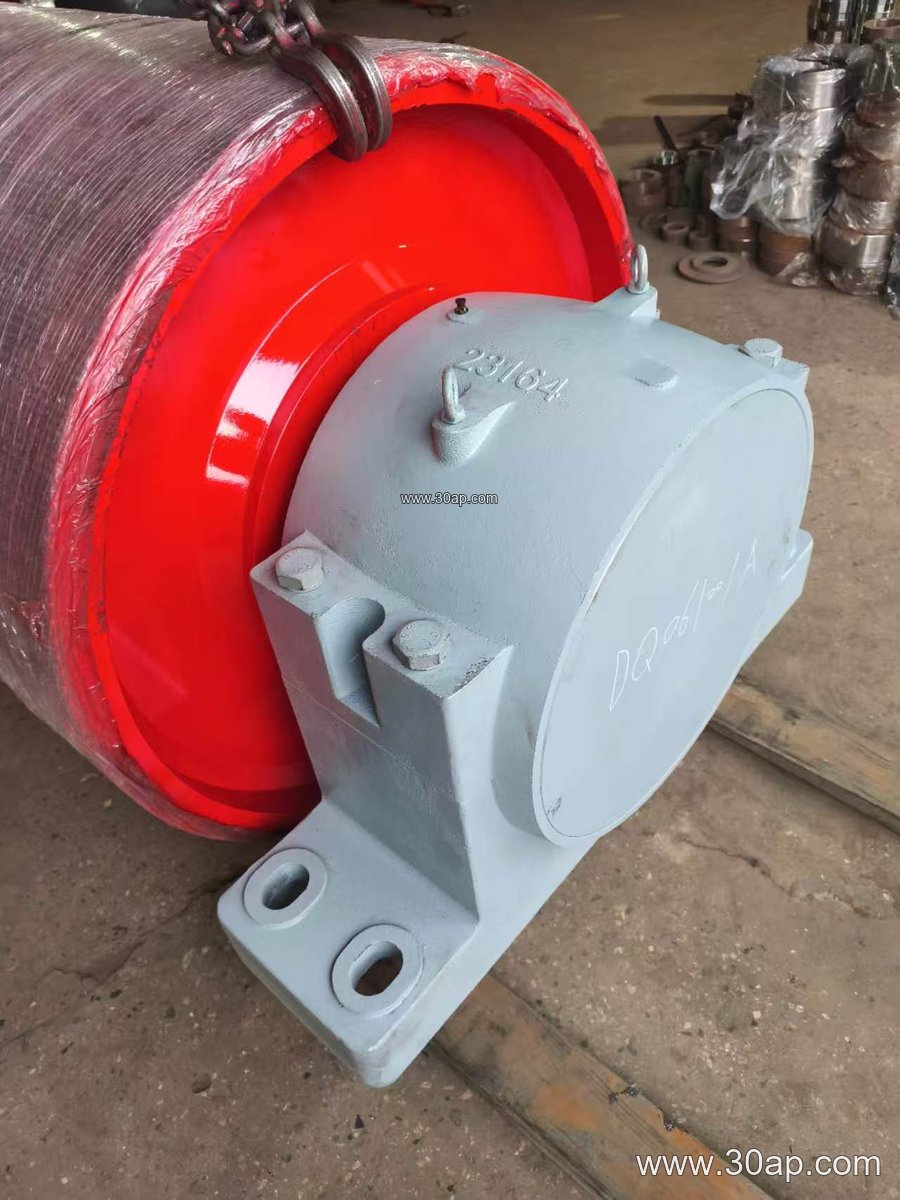
A discharge pulley is built around a cylindrical shell, usually made from rolled steel or welded tube, with end discs and a shaft that transmits torque. The shaft is supported by bearings housed in plummer blocks or flanged bearing units, which are bolted to the conveyor frame via conveyor bracket assemblies. The shell surface may be plain, lagged with rubber or ceramic, or grooved to improve grip and shed material.
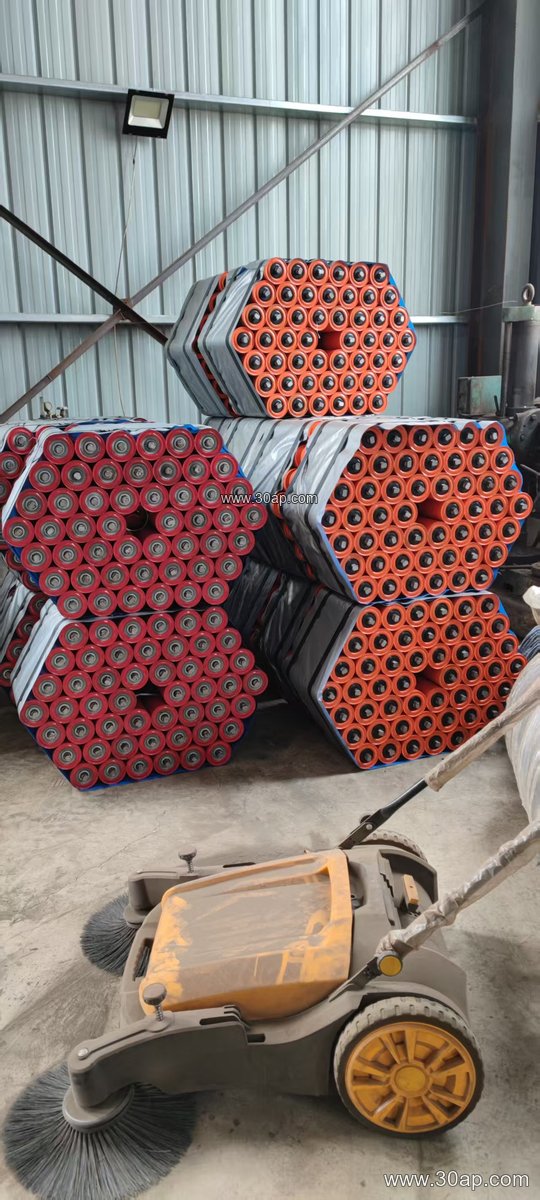
Common surface options include plain finish, diamond lagging, herringbone lagging, and ceramic lagging. Lagging thickness typically ranges from 8 mm to 20 mm, depending on the duty. The pulley face width is normally wider than the belt to prevent edge loading and misalignment. For example, a B800 belt would use a pulley face width around 950 mm, while a B1200 belt might use about 1400 mm. Diameters commonly range from Ø200 mm for small conveyors up to Ø1800 mm for heavy-duty applications, with Ø500, Ø630, Ø800, and Ø1000 being frequent choices in aggregate and mining circuits.
Shaft diameters are sized by torque and radial load, not by belt width alone. Typical shaft sizes include Ø80, Ø100, Ø120, Ø140, and Ø160 mm. The bearing selection and shaft material must account for the continuous tension of the steel cord conveyor belt or fabric belt, as well as the weight of the pulley itself.
Where It Fits in the Conveyor Layout
The discharge pulley is usually the largest pulley on a conveyor and is mounted at the head station. In a typical quarry or sand and gravel plant, it receives material from the belt and throws it into a screening or crushing unit. In a coal handling system at a power plant, the discharge pulley feeds coal onto a transfer conveyor or into a bunker. The pulley must be positioned so that the material trajectory clears the chute and avoids buildup on the pulley face.
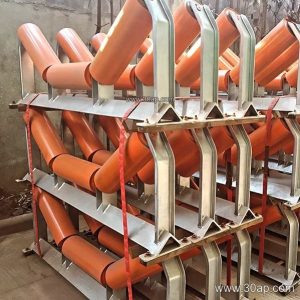
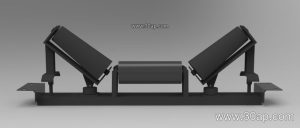
In contrast, a bend pulley is used to increase wrap angle or route the belt around obstacles, and a tail pulley is located at the loading end. These are not interchangeable with the discharge pulley, although they may share similar lagging and bearing arrangements. Proper alignment between the discharge pulley and the idler roller sets on the carrying side is critical to prevent belt tracking issues.
Selection and Maintenance Notes for Buyers
When specifying a discharge pulley, buyers should provide the belt width, belt type (such as EP, NN, or steel cord), maximum belt tension, pulley diameter, face width, shaft diameter, and lagging preference. For example, a B1000 conveyor with an EP conveyor belt might use a Ø800 mm pulley with 12 mm diamond lagging and a Ø120 mm shaft, but these values should be confirmed by the conveyor designer.
Maintenance focuses on bearing lubrication, lagging wear inspection, and checking for shell cracks or shaft deflection. In abrasive environments like iron ore or cement clinker handling, ceramic lagging can extend service life. In coal mining, flame retardant and anti-static properties of the belt and lagging materials are important, and the discharge pulley should be earthed to dissipate static charges.
Overall, the discharge pulley is a robust, wear-prone component that directly affects conveyor uptime. Selecting the right diameter, lagging, and shaft size for the application—whether in a stone crushing plant, a port bulk terminal, or an underground coal mine—will reduce downtime and keep material flowing efficiently.