What a Skirted Conveyor Belt Is
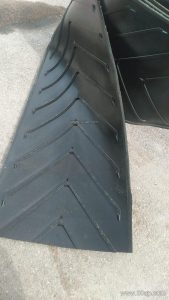
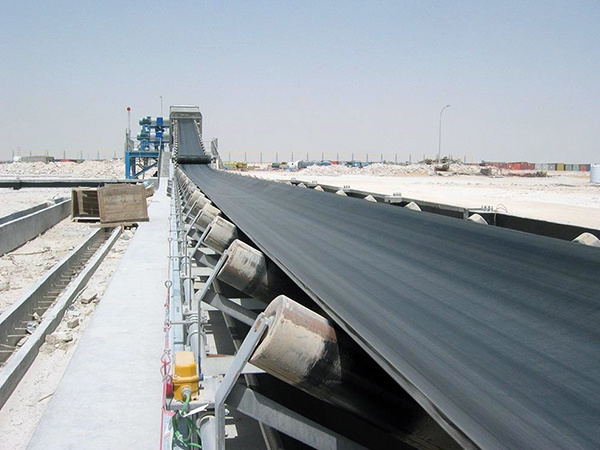
A skirted conveyor belt is a fabric or steel-reinforced rubber belt fitted with raised flexible sidewalls, usually called skirts, that run along both edges of the carrying surface. The skirts contain loose bulk material during transport, so coal dust, cement powder, sand, and fine ore stay on the belt instead of spilling over the edges. Because the belt holds material without a separate loading hopper in many layouts, it is often chosen where a clean, enclosed transfer is more important than maximum open-area capacity. In practice, plants that run a Rubber Conveyor Belt on a busy transfer tower often switch to a skirted design once spillage becomes a housekeeping problem.
The skirted belt should not be confused with a corrugated sidewall belt. The latter uses tall, corrugated sidewalls combined with cleats to lift material at steep angles, while a skirted belt mainly keeps a flat or gently inclined load contained. They are related but separate products, and a buyer should confirm which one the conveyor profile actually requires.
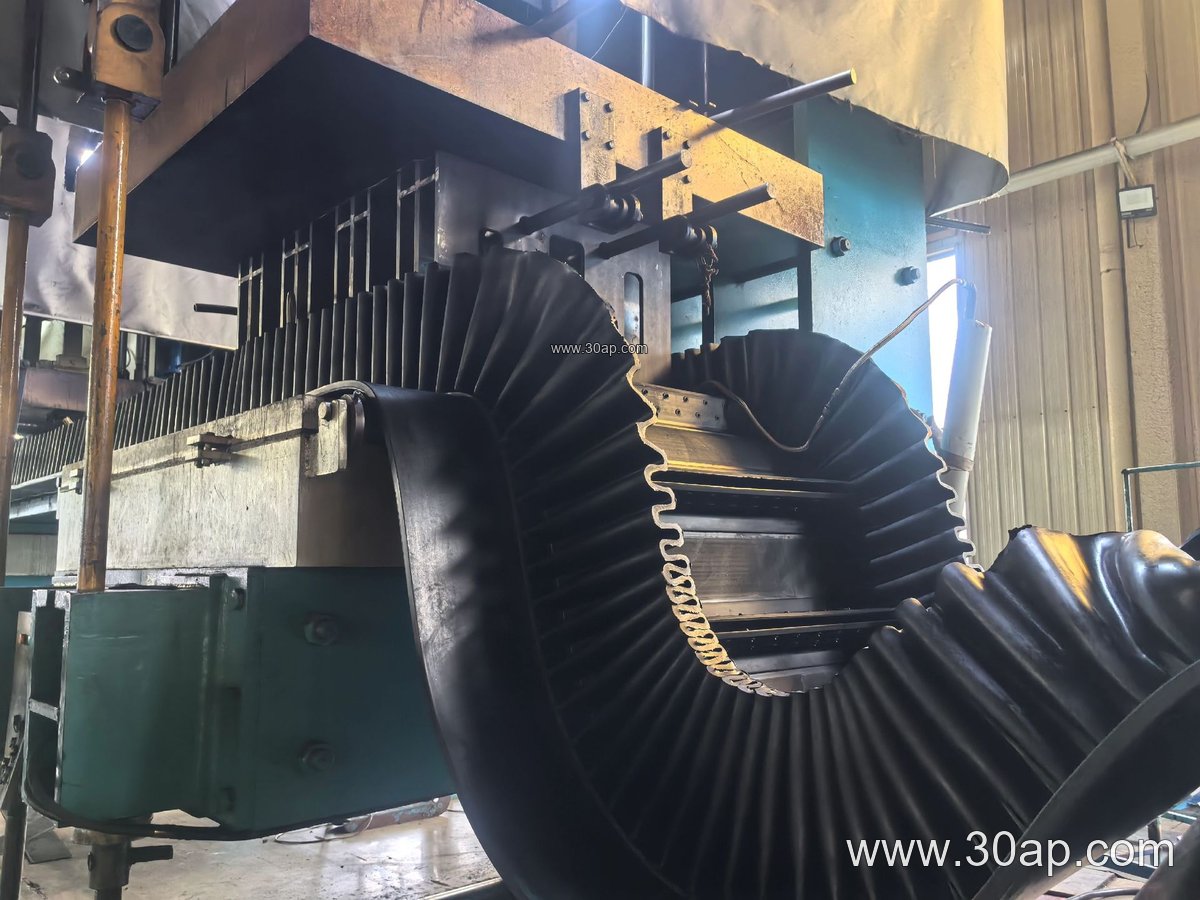
How the Belt Is Built
A typical skirted belt starts with a carcass of multi-ply fabric, such as an EP Conveyor Belt or an NN nylon belt, or a steel cord core for very high tension runs. The rubber cover is molded with a shaped shoulder on each edge, and the flexible skirt is bonded to that shoulder. Skirt height, thickness, and hardness are selected together with the belt width and the material being carried.
- Carcass: 2 to 6 fabric plies are common; EP200 to EP1000 grades appear in many medium-duty installations, while heavier mining duties may call for steel cord construction.
- Cover: common combinations include 3+1.5 mm, 4+2 mm, 5+2 mm, and 6+2 mm top and bottom covers; abrasive stone duties often need a thicker top cover.
- Skirt: rubber or rubber-fabric composite, with height matched to belt speed and load depth.
- Width: B500 to B2000 are typical, with B800, B1000, and B1200 widely used in aggregate and cement plants.
Because the skirt is a bonded component, the splice area needs care. An Endless Conveyor Belt supplied with factory-vulcanized skirts reduces field bonding risk, but site splicing is still possible with the correct kit and cure time.
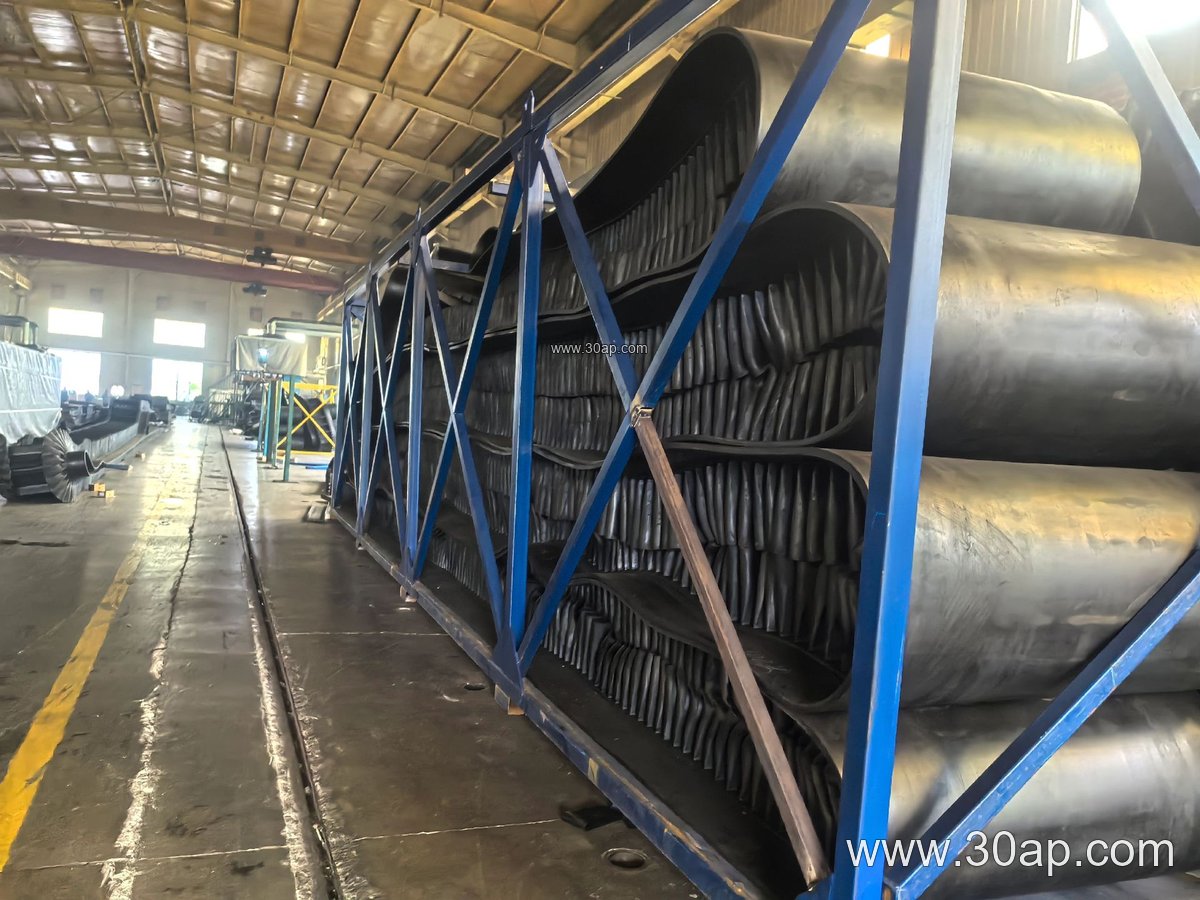
Where Skirted Belts Earn Their Place
Containment is the main argument. In a coal preparation plant, a skirted belt limits fine coal spillage at the loading point. In a cement plant, it keeps clinker dust and raw meal from escaping at transfer chutes. In a power plant, it helps control fly ash and limestone handling. Quarries and sand and gravel operations use skirted belts under crushers and screens, where a conventional Aggregate Conveyor Belt might shed material on curves or inclines.
Other industries include fertilizer blending, recycling lines, and port ship-loading systems. The belt also suits mobile crushing spreads, where short centers and frequent repositioning make spill cleanup expensive.
Selection Points a Buyer Should Check
Start with the material: lump size, moisture, temperature, and abrasiveness decide the cover grade and skirt compound. Hot clinker or sinter may require a heat resistant cover, while oily scrap calls for an oil resistant grade. Underground coal work usually requires flame retardant and anti-static properties, and those should be specified as a combination rather than assumed.
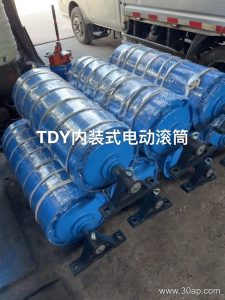
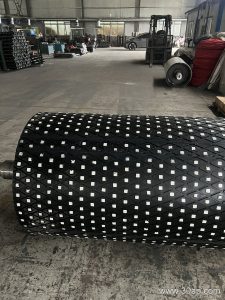
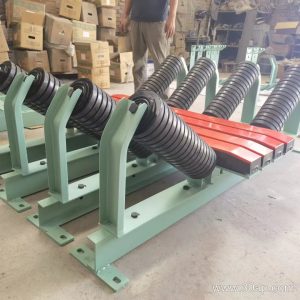
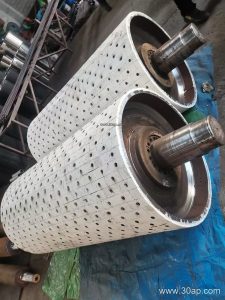
Then confirm the conveyor geometry. Belt width, trough angle, incline, and skirt height must agree, otherwise material can ride over the skirt on curves or at the load point. Check the pulley diameters with the belt manufacturer, since a stiff multi-ply carcass and a thick skirt shoulder need enough bending room at the tail and bend pulleys. Drive pulleys, tail pulleys, and bend pulleys are separate components with different duties, and each has its own diameter and lagging choice; none should be treated as a substitute for another. Idler roller spacing and conveyor bracket dimensions also affect skirt clearance at the edges.
Finally, plan maintenance. Inspect skirt bonding at every shutdown, watch for edge wear where the skirt meets the belt shoulder, and keep the loading chute centered so material does not press one skirt continuously. A skirted belt that is correctly sized and maintained will usually outlast a standard belt in the same spill-prone duty, because the edges are protected and the load stays where it belongs.