What a Coal Conveyor Idler Does
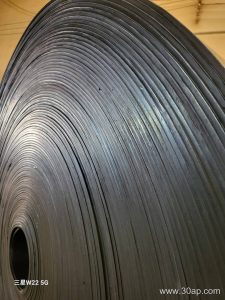
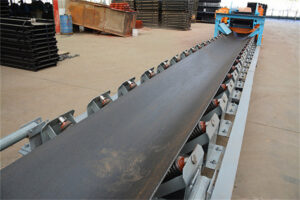
A coal conveyor idler is the rotating roller that supports the conveyor belt and the coal load along the carrying and return runs. In a coal handling system, these idlers keep the belt tracking, reduce sag between support points, and help control spillage. You will see them in power plant coal yards, wash plants, and underground coal mining conveyor belt lines, where the belt may be a flame retardant conveyor belt or a heavy-duty mining conveyor belt.
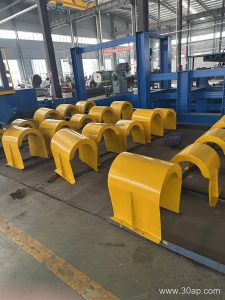
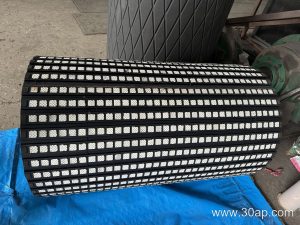
The idler roller is not a drive component. It spins freely on bearings inside a stationary shaft, and the shaft is held by a conveyor bracket or frame. Drive, tail, and bend pulleys pull and redirect the belt; the idler only supports it. That distinction matters when you order parts, because a conveyor pulley and a coal conveyor idler are not interchangeable.
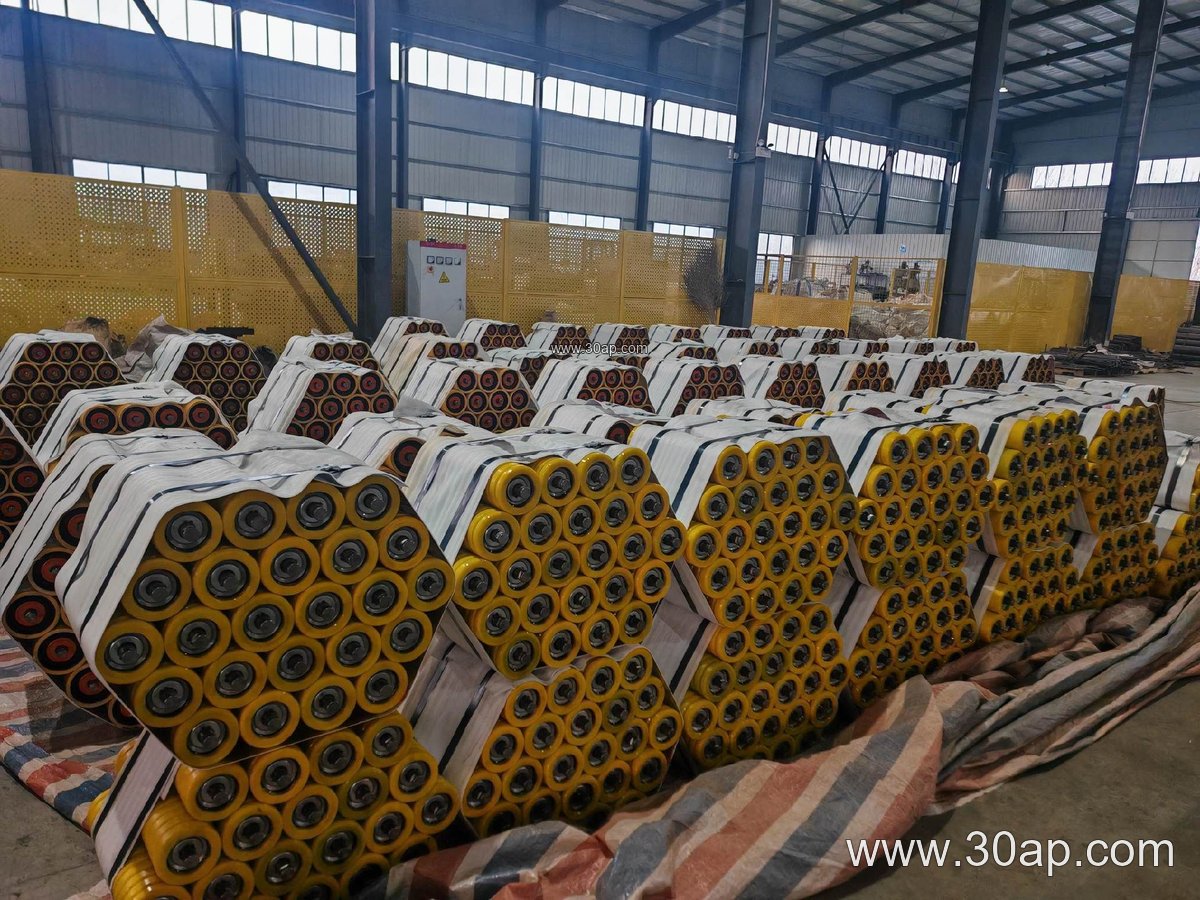
Construction and Common Forms
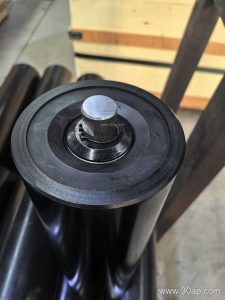
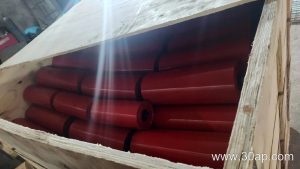
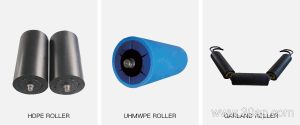
A typical unit has a steel tube shell, a through shaft, bearing housings, and a sealing arrangement. The shell may be plain steel, nylon, ceramic, or covered with rubber rings for impact zones. Common roller diameters include Ø89, Ø108, Ø127, Ø133, Ø159, and Ø178 mm, with larger sizes for wider, heavier belts. Bearing numbers such as 6205, 6306, or 6308 appear in many designs, but the bearing choice follows load and speed rather than a single roller diameter.
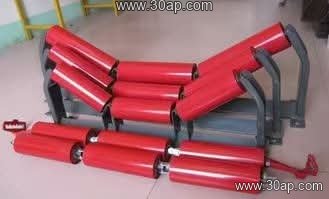
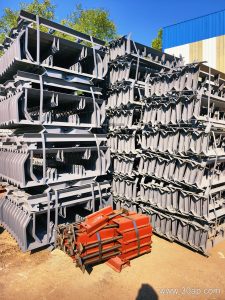
Troughing idlers are usually arranged as a two- or three-roll set with a trough angle of 20, 30, 35, or 45 degrees. A three-roll troughing set on a B1000 belt may use rolls around 380 mm long, while a B1400 set often uses rolls near 530 mm. These are common examples, not fixed rules, because side rolls and center rolls can differ.
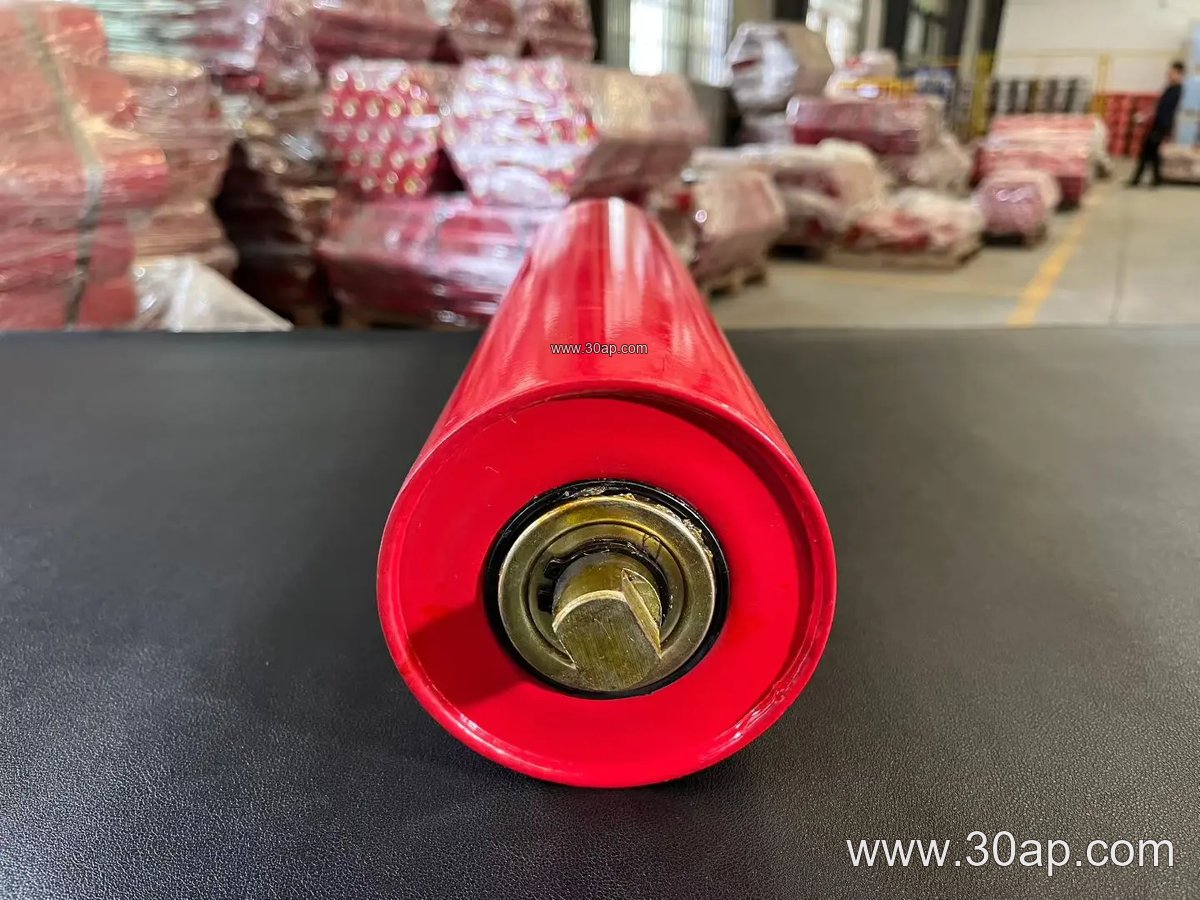
- Troughing and carrying idlers support the loaded belt.
- Impact idlers with rubber rings sit under loading points.
- Return idlers, including V-type and flat types, support the empty belt.
- Self-aligning idlers help correct belt wander on long runs.
Where They Fit in Coal Handling
In a coal-fired power plant, idlers run under belts that may be 1200 mm or 1400 mm wide, carrying coal from stockpile to bunker. In a wash plant or coal preparation circuit, abrasive and wet conditions call for good sealing and, often, an abrasion resistant conveyor belt to match. In underground coal mining, flame retardant and anti-static properties are usually required for the belt, and the idler frame must fit the restricted space of the roadway.
Elsewhere in the same plant, a steel cord conveyor belt may run on larger idlers, while a chevron conveyor belt or corrugated sidewall belt may need different support near the loading zone. The coal conveyor idler stays the support element in all these cases; the belt type changes the duty, not the idler’s role.
What Buyers Should Check
Start with belt width and trough angle, then confirm the roll length and mounting dimensions. Check the shaft diameter and bearing housing against the existing conveyor bracket. Ask about seal type and shell thickness for dusty coal service. For loading points, specify impact idlers rather than standard troughing rolls. For long return runs, consider V-type return idlers to help belt training.
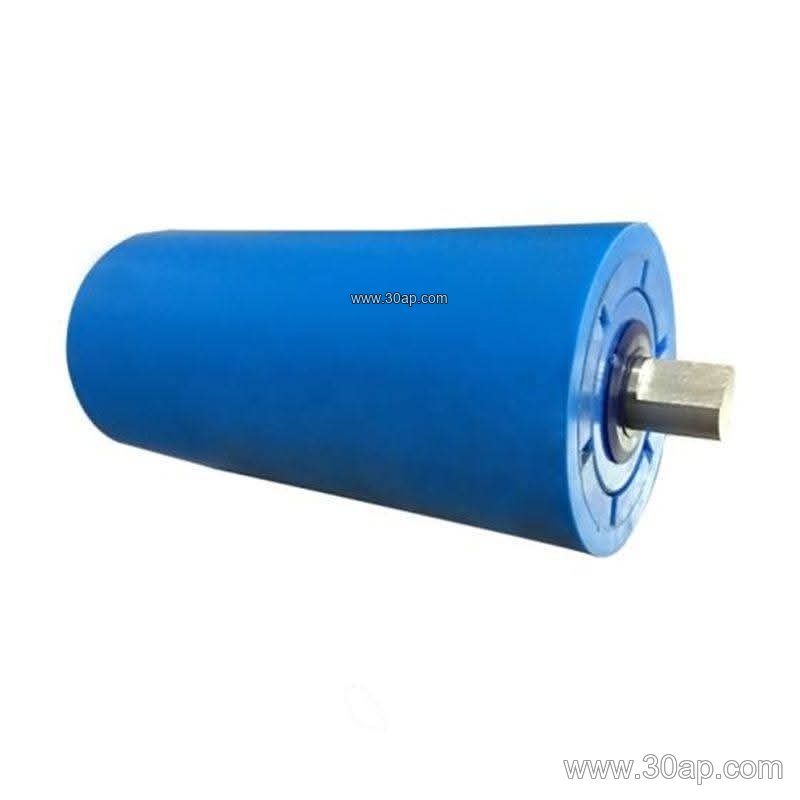
Spare parts planning matters in coal plants and mines: keep a small stock of the most-used troughing and return rolls, and record the diameter, bearing number, and roll length for each position. Do not assume one belt width matches one pulley diameter or one shaft size; those are separate design choices.
Maintenance Notes
Listen for seized or noisy rollers, check for belt misalignment near the idler stations, and clear coal buildup that can stop a roll from turning. A failed idler can wear the belt edge or start a friction point, so replace damaged rolls promptly. In dusty coal service, seals and bearing condition deserve regular attention.