What a Pipe Conveyor Belt Is
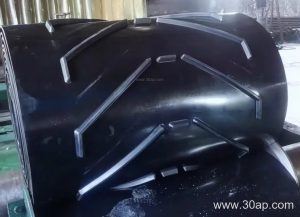
A pipe conveyor belt is a specialized conveyor belt that forms a closed tube after loading and opens again at the discharge point. Unlike a conventional flat belt, this belt is designed with special edge structures and flexibility so that it can roll into a pipe shape, keeping the material fully enclosed along the route. The pipe conveyor belt is often referred to as a tubular conveyor belt, and it is used where spillage, dust emission, or material contamination must be minimized.
In industries such as mining, coal preparation, cement plants, power stations, and aggregate yards, the pipe conveyor belt helps transport bulk materials like ore, coal, clinker, and sand through curved and inclined paths. The enclosed design also protects the material from rain and wind, which is beneficial in port and ship loading applications.
Construction and Key Components
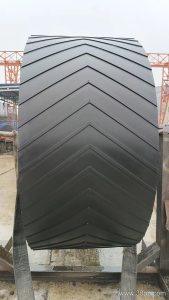
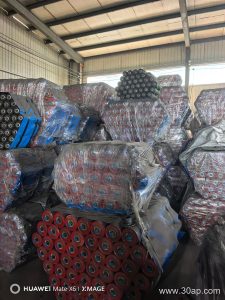
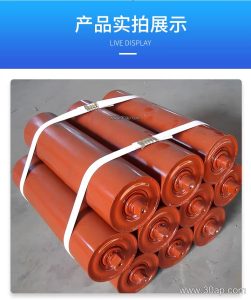
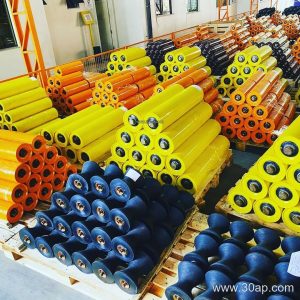
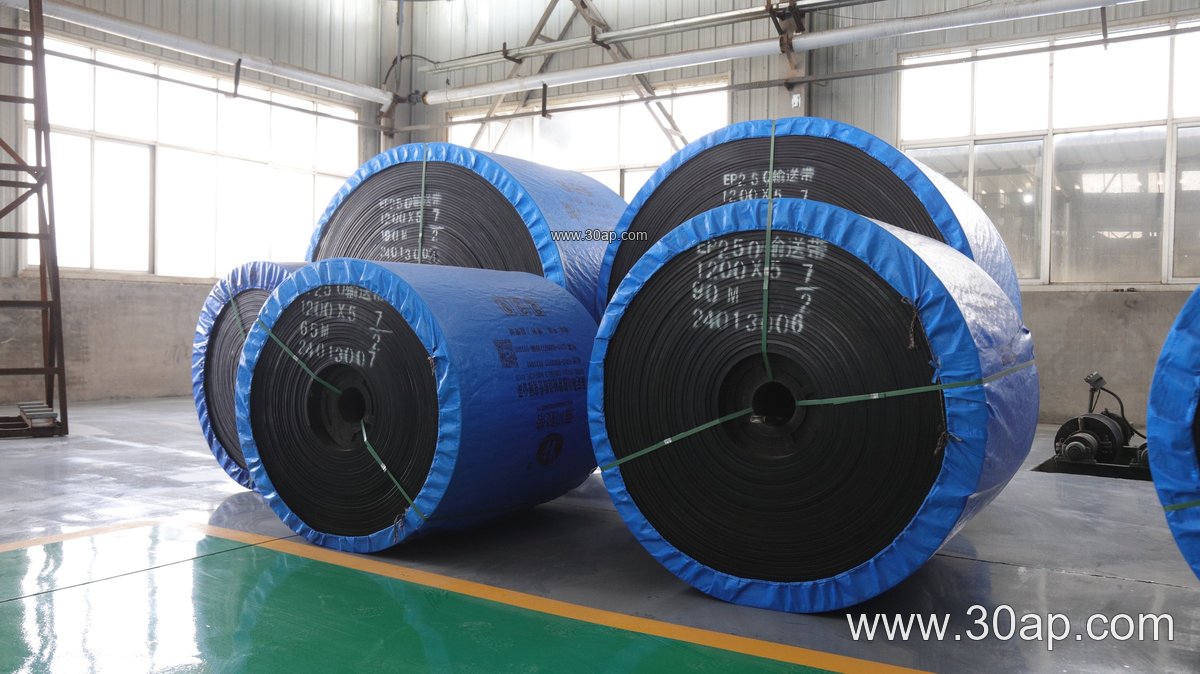
The pipe conveyor belt is typically built with a fabric core or steel cord reinforcement, covered by rubber layers on both sides. The belt edges are shaped to overlap and maintain the pipe form. Common core types include EP conveyor belt fabric, NN conveyor belt, and steel cord conveyor belt, depending on the required strength and tension. The belt works together with idler roller arrays arranged in hexagonal or circular frames, which gradually fold the belt into a pipe and support it along the route.
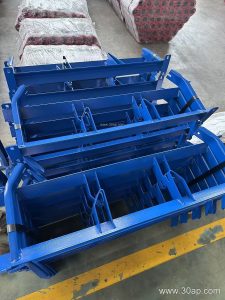
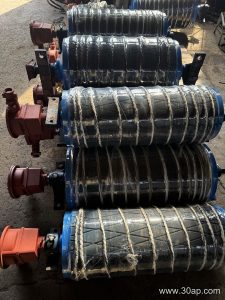
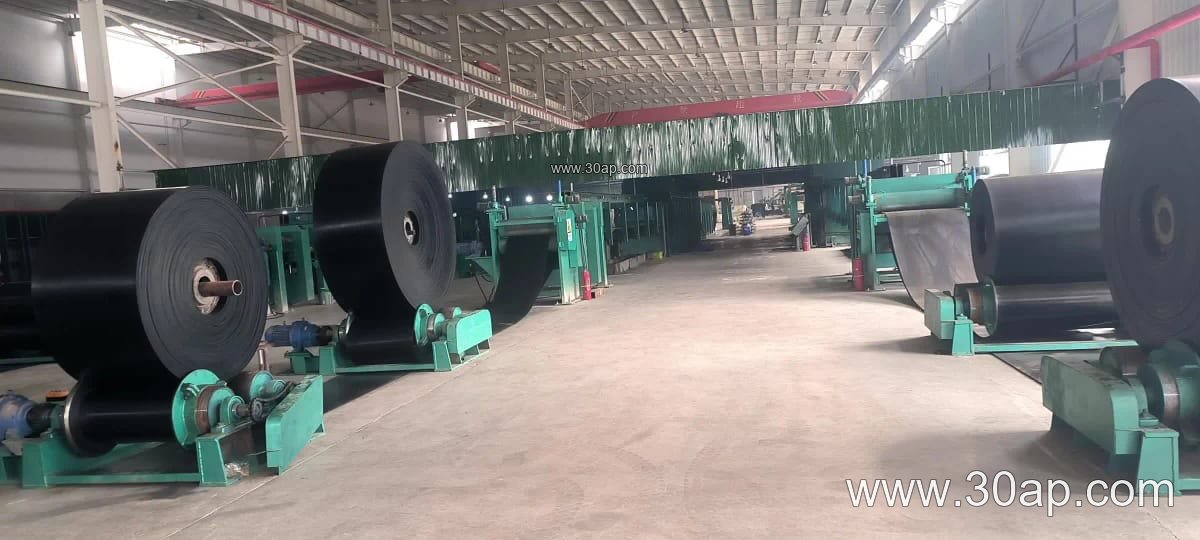
Drive pulley, tail pulley, and bend pulleys are essential for power transmission and belt tracking. These pulleys are not interchangeable; each has a specific role in maintaining tension and direction. Conveyor brackets and frames hold the idler rollers in the correct positions to keep the pipe shape stable. The belt’s cover rubber can be selected for abrasion resistance, heat resistance, oil resistance, or flame retardancy to match the operating environment.
Common Specifications and Configurations
Pipe conveyor belts are available in various strengths and sizes. The table below shows typical reference values, but actual selection depends on system design, material properties, and manufacturer capabilities.
| Parameter | Common Range / Example |
|---|---|
| Belt width | B500, B650, B800, B1000, B1200, B1400, B1600, B1800, B2000 |
| Pipe diameter (approx.) | 100 mm to 600 mm (varies with belt width and design) |
| Fabric core strength | EP200, EP315, EP400, EP500, EP630, EP800, EP1000, EP1250, EP1600, EP2000 |
| Steel cord strength | ST1000, ST1250, ST1600, ST2000, ST2500, ST3150 |
| Cover rubber thickness | 3+1.5 mm, 4+2 mm, 5+2 mm, 6+2 mm, 8+3 mm |
| Number of fabric plies | 2 to 6 plies (typical) |
For example, an EP1000 pipe conveyor belt with a width of 1200 mm might be used in a cement plant, while a steel cord ST2000 belt could handle higher tensions in a long overland route at a mining site. These are reference examples, not fixed combinations; the belt width and pulley diameter are matched through engineering calculation, not a simple rule.
Where Pipe Conveyor Belts Are Used
The enclosed nature of the pipe conveyor belt makes it suitable for environments with strict dust control or material protection requirements. Typical applications include:
- Mining and mineral processing: transporting ore, copper ore, iron ore, and gold mining materials.
- Coal mining and coal-fired power plants: conveying coal and ash with reduced spillage.
- Cement plants and quarries: handling clinker, limestone, and aggregate.
- Ports and ship loading: moving bulk materials with minimal environmental impact.
- Construction and recycling: conveying sand, gravel, and recycled materials.
In these settings, the pipe conveyor belt often works alongside other belt types such as heat resistant conveyor belt, flame retardant conveyor belt, or abrasion resistant conveyor belt, but the pipe design is chosen specifically for its enclosing capability.
Buyer Selection and Maintenance Notes
When selecting a pipe conveyor belt, consider the material characteristics, required capacity, route curvature, and environmental conditions. The belt must be flexible enough to form a stable pipe without excessive stress on the edges. The idler roller arrangement and pulley alignment are critical for proper belt training. Regular inspection of the belt edges, cover rubber, and splice joints helps prevent failures. Ensure that the drive pulley, tail pulley, and bend pulleys are correctly sized and maintained, as they directly affect belt life and energy consumption.
For more information on related conveyor components, visit our conveyor belt and idler roller pages. Proper integration of the pipe conveyor belt with pulleys, rollers, and brackets ensures reliable operation in demanding industrial environments.