What a Heavy-Duty Conveyor Belt Is Built For
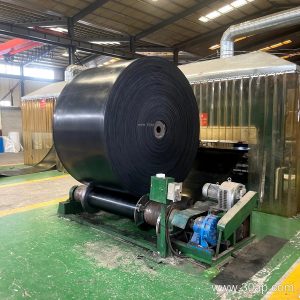
A Heavy-Duty Conveyor Belt is a conveyor belt designed for continuous haulage of abrasive, heavy or sharp bulk materials where standard belting would wear out too quickly. In mines, coal preparation plants, cement works, power stations, quarries and sand and gravel yards, the belt is the component that carries the load, absorbs impact at transfer points and keeps the whole conveying line moving. The same product is often called a heavy-duty conveyor belt or heavy-duty belting, and both names describe the same article.
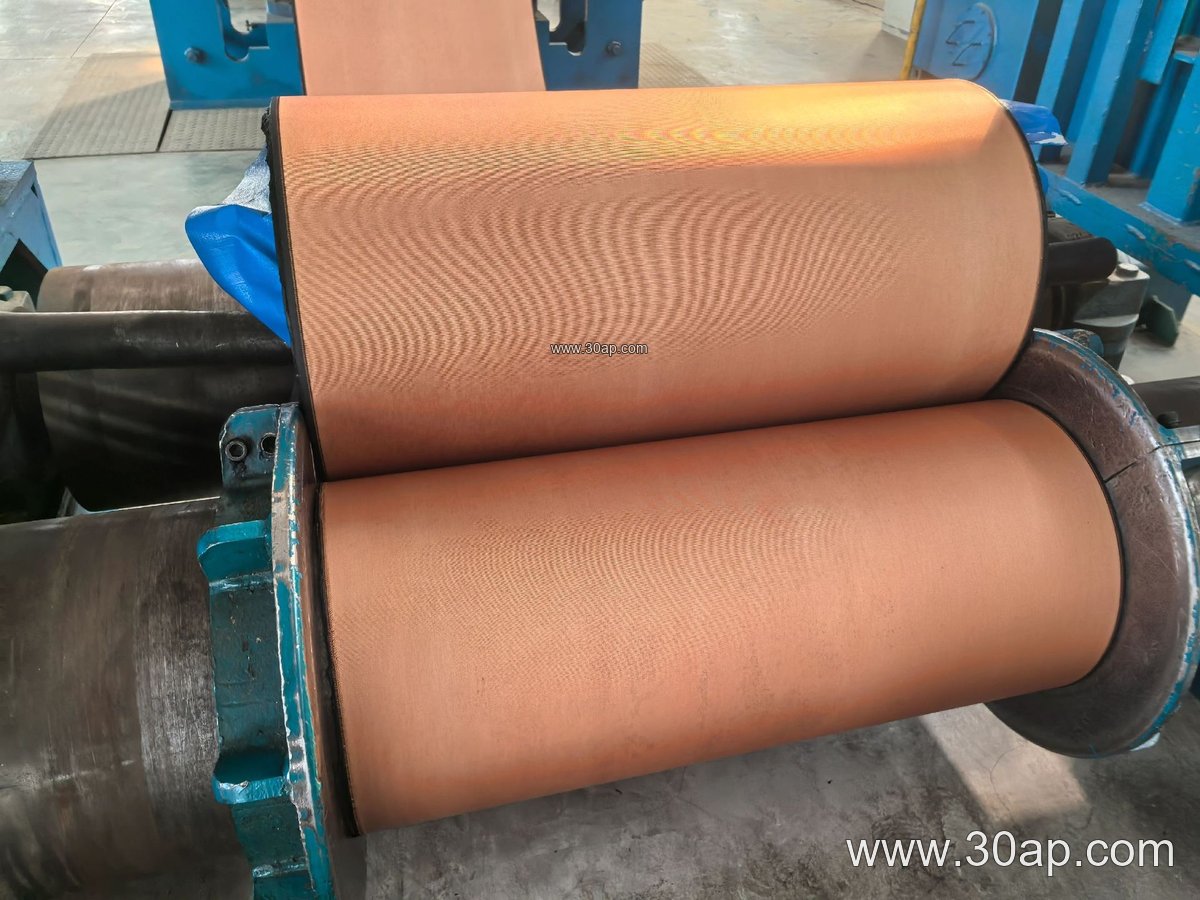
The belt itself usually combines a tension-carrying carcass with rubber covers. The carcass may be fabric based, such as an EP conveyor belt with polyester-nylon plies, or a steel cord construction for very long runs and high tension. Cover compounds are selected to resist abrasion, heat, oil, flame or cold, depending on the duty.
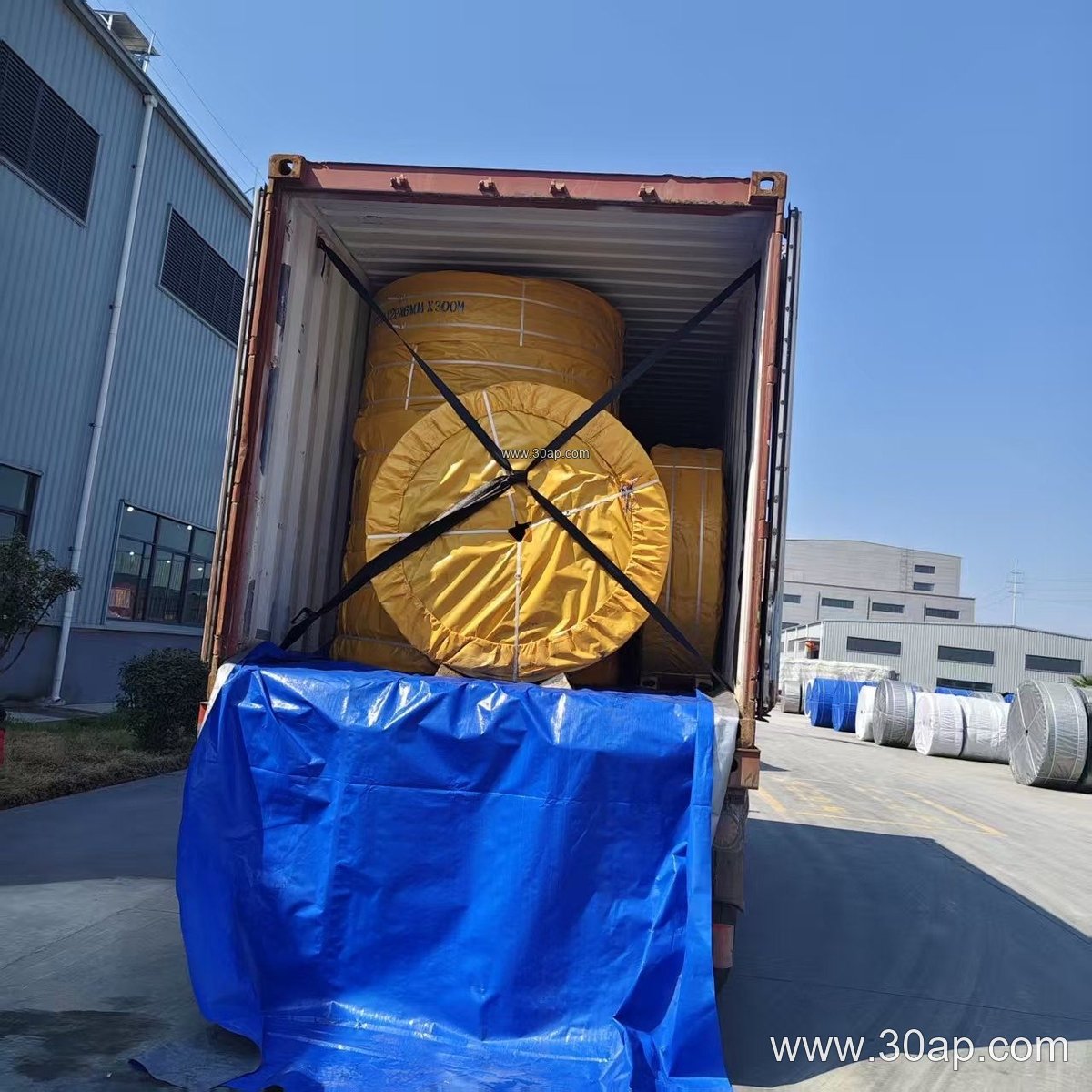
Construction and Common Specifications
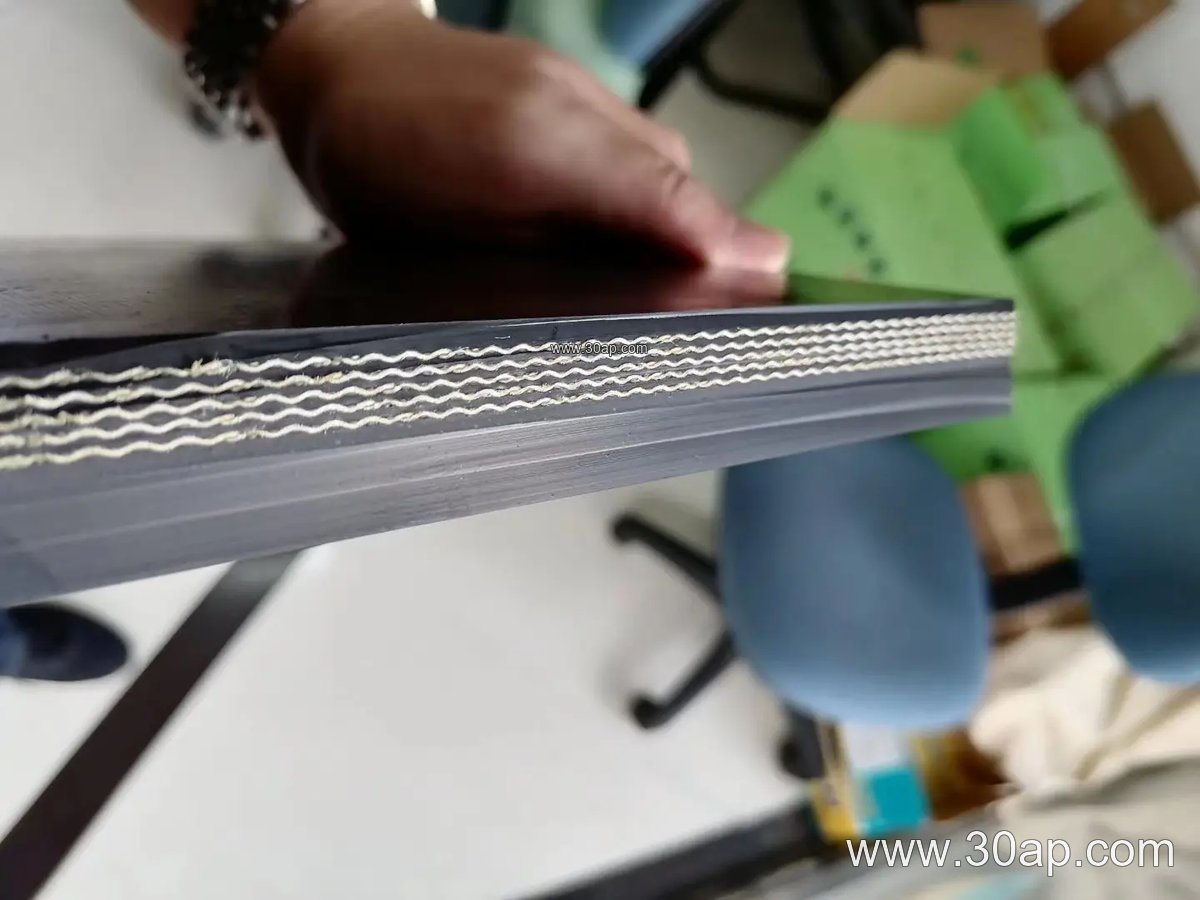
A heavy-duty belt is not simply a thicker version of a light belt. Ply count, fabric strength, cover gauge and rubber quality are all balanced against the duty. Fabric carcasses commonly use 2 to 6 plies, while cover thickness is often expressed as a top and bottom gauge, for example 6+2 mm or 8+3 mm. Steel cord belts use a single layer of cords and are described by strength class rather than ply count.
The table below gives typical reference ranges, not fixed rules. Actual values are confirmed by the belt designer for each conveyor.
| Parameter | Common reference range |
|---|---|
| Carcass type | EP fabric, NN fabric, steel cord |
| Fabric strength class | EP200 to EP2000, NN100 to NN400 |
| Steel cord class | ST1000 to ST3150 |
| Belt width | B500, B650, B800, B1000, B1200, B1400, B1600, B1800, B2000 |
| Cover gauge | 3+1.5, 4+2, 5+2, 6+2, 8+3 mm |
| Ply count | 2 to 6 layers, fabric carcass |
Matching the Belt to the Duty
Material characteristics decide most of the specification. Sharp rock and ore demand an abrasion resistant conveyor belt with a tough top cover. Hot clinker or sinter needs a heat resistant conveyor belt. Coal mining and underground coal mining conveyor belt applications usually call for flame retardant and anti-static properties, often met by PVG or PVC constructions such as PVG800S. Oil-soaked scrap or food processing may need an oil resistant or food grade compound.
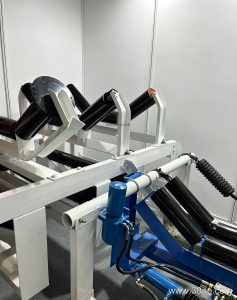
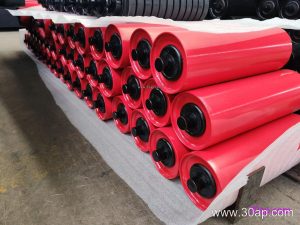
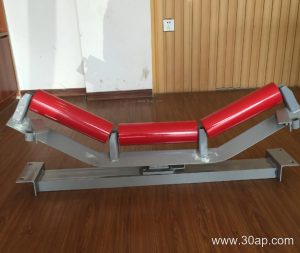
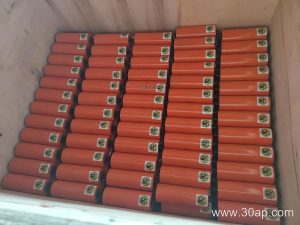
Where the belt must run on a conventional troughing idler roller set, a flat fabric or steel cord belt is normal. Where the route curves or the material must be enclosed, a pipe conveyor belt may be compared, but it is a different belt concept and does not replace the heavy-duty flat belt on a standard line. Chevron and corrugated sidewall belts are likewise chosen for inclined or steep sections and are not a substitute for the main haulage belt.
Width, Strength and Pulley Interaction
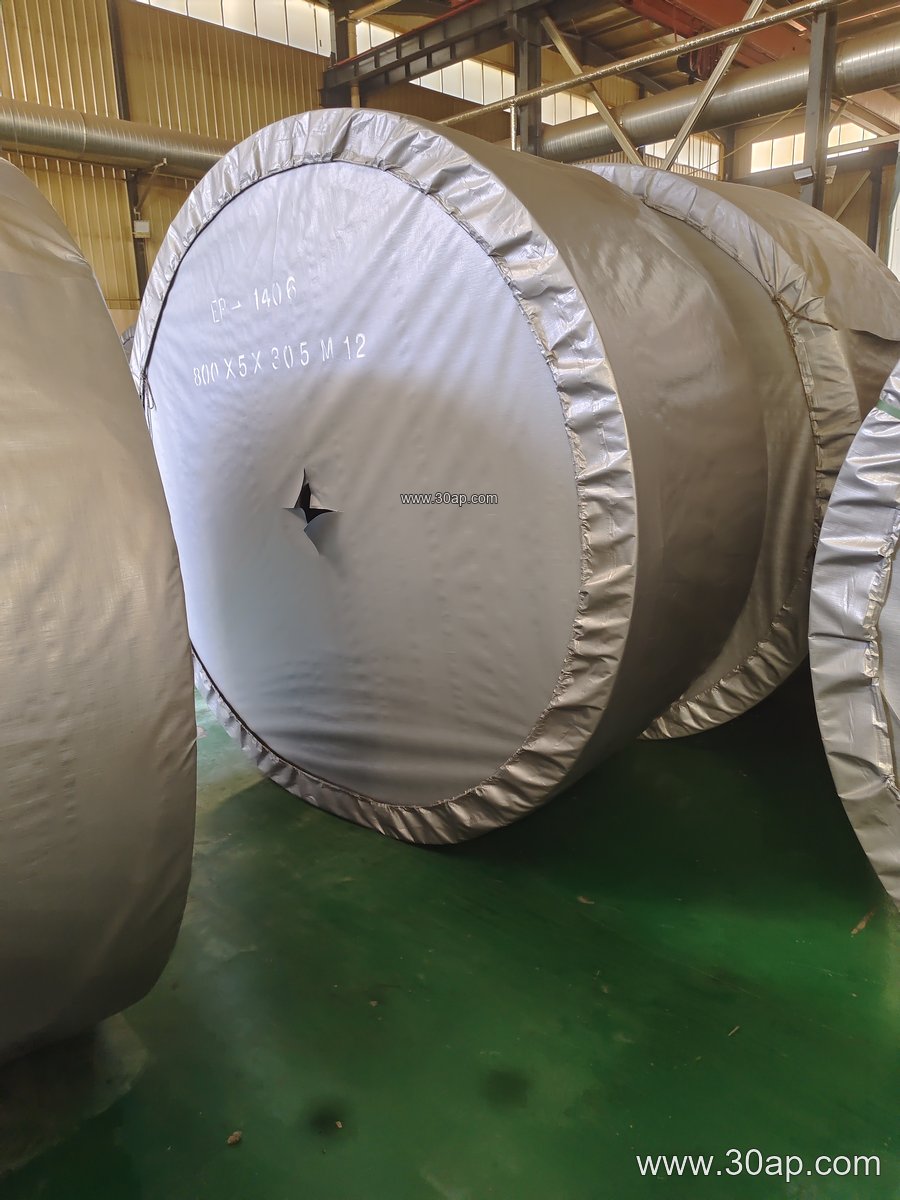
Belt width is selected from the lump size, required capacity and the conveyor’s troughing arrangement. A 1200mm wide conveyor belt is common in quarry and aggregate duty, while wider sizes such as 1800mm or 2000mm appear on high-capacity trunk lines. Strength class follows the calculated tension, so an EP1000 or EP1250 belt may suit a medium-length line, and ST2000 or ST2500 steel cord belting may be needed on long overland routes.
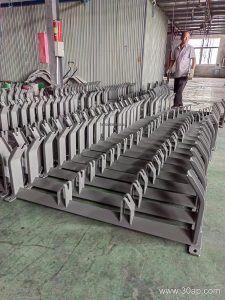
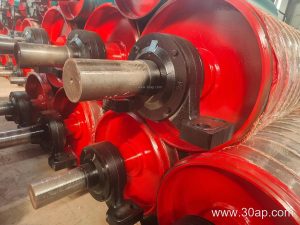
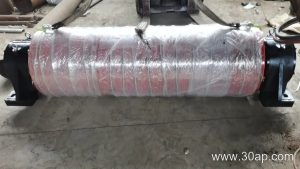
Belt width and pulley diameter are separate decisions. A given belt width can work with a range of pulley sizes, and shaft diameter is set by the conveyor designer from torque and load, not by belt width alone. Drive pulleys, tail pulleys and bend pulleys each have their own function and are not interchangeable, so the belt data sheet should list the pulley diameters and the take-up arrangement. The conveyor bracket and frame layout also affect how the belt is supported and trained.
Buyer Checklist
- State the material, lump size, moisture and temperature range.
- Give the required capacity and the conveyor length and incline.
- Confirm the carcass type and strength class, not just the belt width.
- Specify cover gauge and any flame retardant, anti-static or oil resistant requirement.
- Provide pulley diameters, trough angle and idler roller spacing so the belt can be checked against the line.
- Ask for the belt’s recommended splice method, since an endless conveyor belt joint must match the carcass.
A heavy-duty conveyor belt is only as good as its match to the conveyor. Correct carcass strength, cover compound and joint design keep a mining conveyor belt, cement conveyor belt or power plant conveyor belt running through long shifts with fewer stoppages.