What a Conveyor Leg Does on a Belt Line
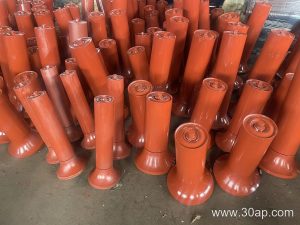
A conveyor leg is the vertical support element that carries the idler frames and, through them, the loaded belt. In many installations the leg is part of a fabricated support assembly — often called a conveyor support stand or idler frame support — that holds the troughing idlers at the correct height and angle. The leg transfers the weight of the belt, the material and the idlers into the floor, foundation or steel structure below. On a quarry conveyor belt or a cement plant transfer line, a weak or poorly aligned leg shows up quickly as belt wander, frame vibration and uneven idler wear.
Legs are usually made from angle steel, channel steel or folded steel plate. The exact section depends on the load, the span between supports and the belt width. A light B650 frame on a small aggregate conveyor belt may use modest angle sections, while a B1800 heavy-duty mining conveyor belt line needs much heavier legs and cross beams.
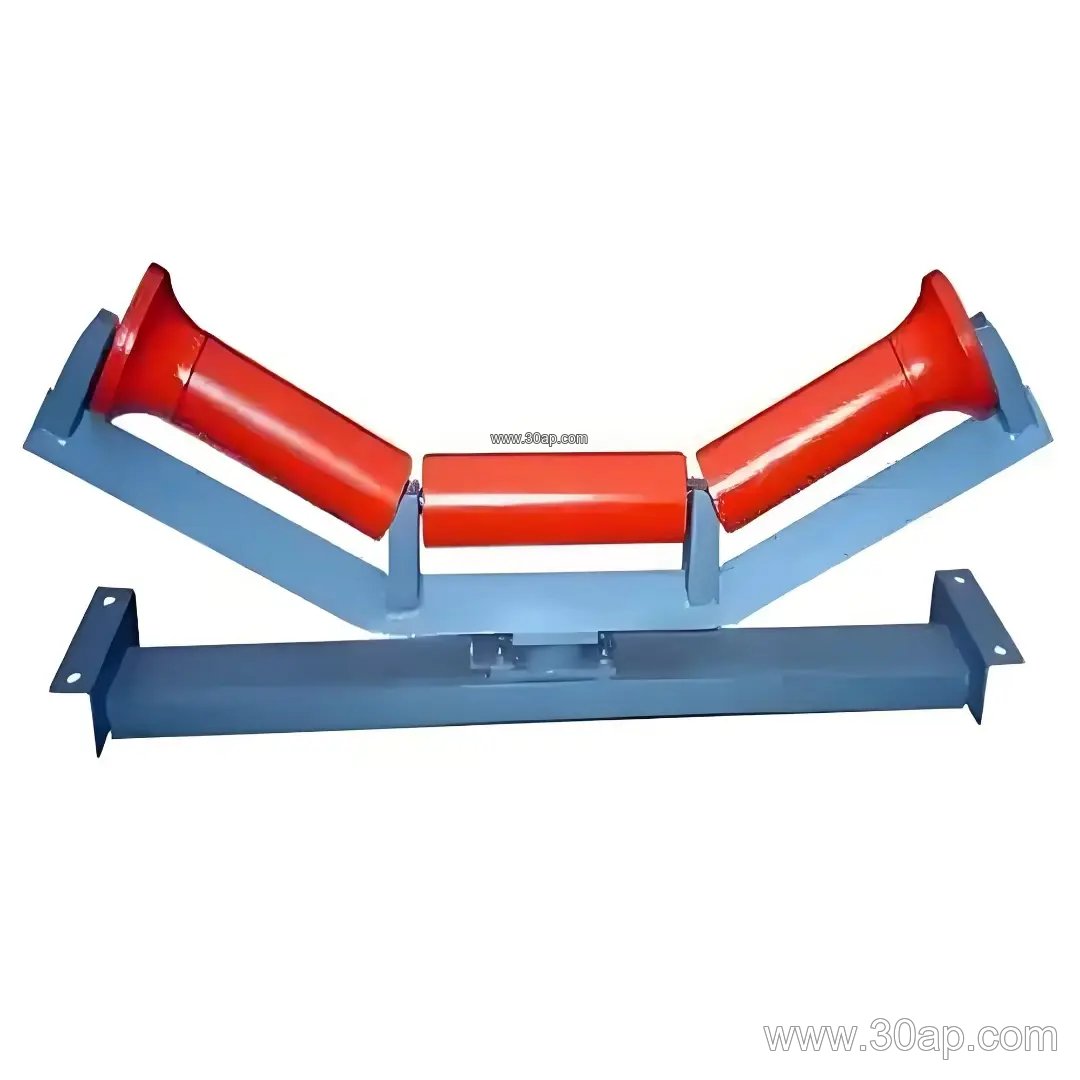
How the Leg Fits With Frames and Idlers
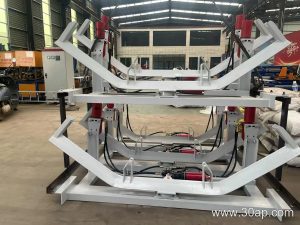
The leg is rarely a standalone part. It connects to a cross beam that carries the idler roller stations, and the whole unit sits under the conveyor belt. Troughing frames hold three idlers at a set trough angle; return frames hold the belt on the return run. The leg height sets the belt line profile, and the leg spacing controls how much the belt sags between stations.
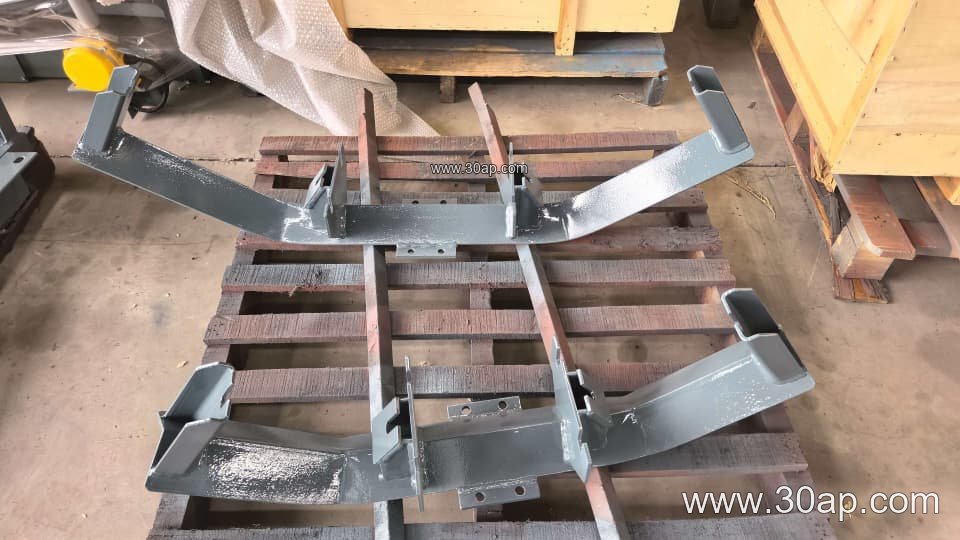
- Troughing frame legs support the carrying side at 20, 30, 35 or 45 degrees.
- Return frame legs support flat or V-return idlers.
- Impact frame legs sit under loading points and are built heavier.
- Adjustable legs allow small height corrections during installation.
Alignment matters as much as strength. Legs that are out of plumb or set at the wrong height tilt the frame, and a tilted frame pushes the belt sideways. That is why installation drawings usually give a tolerance for leg verticality and for the height difference between adjacent stations.
Where Conveyor Legs Are Used
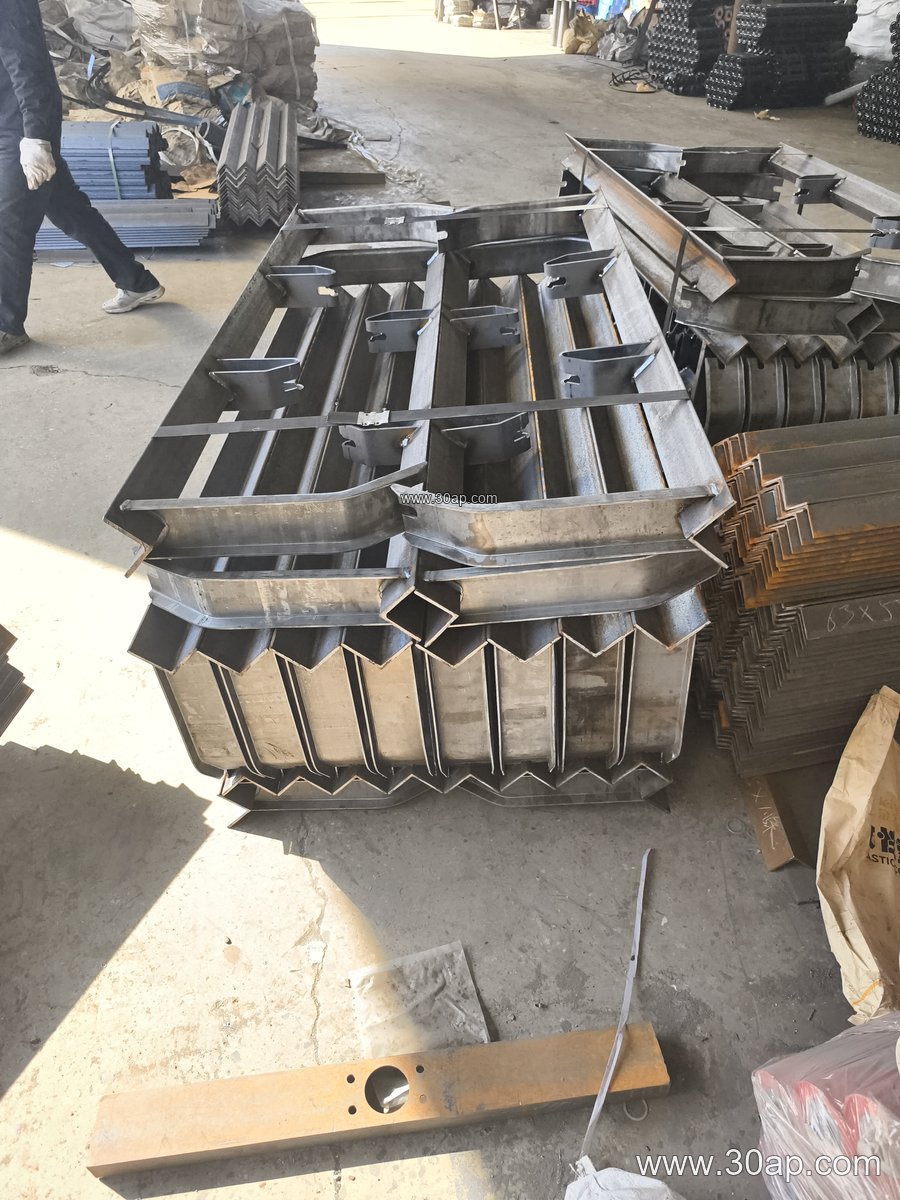
Support legs appear wherever a belt conveyor runs above grade. In a limestone mine or iron ore plant, legs carry the transfer and stockpile conveyors. In a coal washing plant, they support the flame retardant conveyor belt lines that move washed coal to the load-out point. In a power plant coal yard, legs hold the long inclined conveyors that feed the bunkers. In a sand and gravel pit, shorter legs support portable and fixed EP conveyor belt sections between the crusher and the screens.
Legs are also used on gallery and trestle structures, where they are bolted to steel beams rather than concrete. In tunnel spoil handling, low-profile legs keep the belt close to the floor so the line fits inside the tunnel profile.
Common Frame and Leg Reference Data
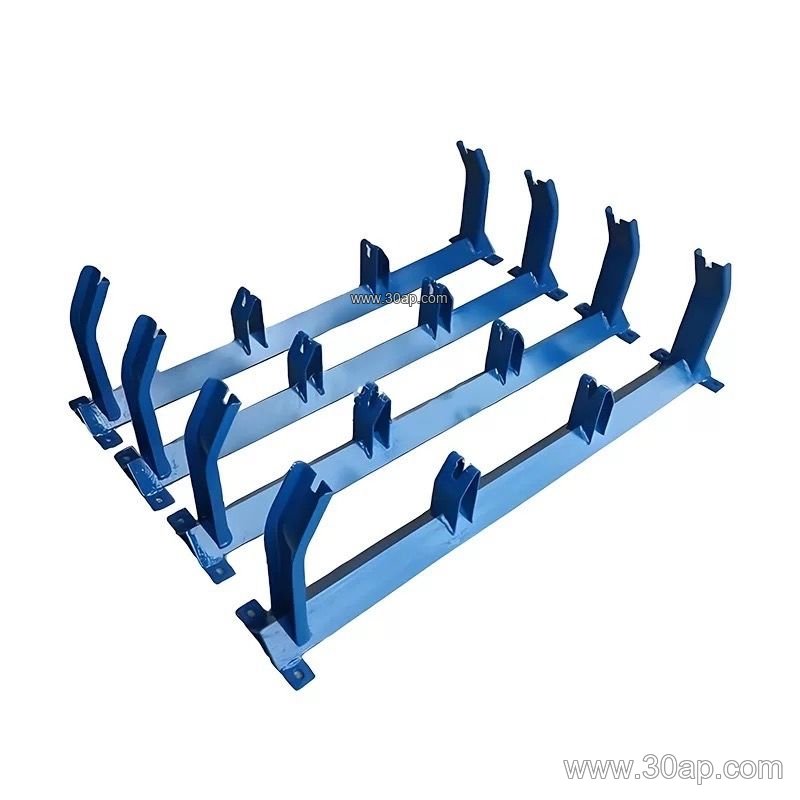
The table below gives typical reference values. Actual leg sections, hole spacing and beam lengths are set by the conveyor design, not by belt width alone.
| Belt width | Trough angle | Idler diameter | Typical leg material |
|---|---|---|---|
| B500 | 20° / 30° | Ø89 | Angle steel |
| B650 | 30° / 35° | Ø89 / Ø108 | Angle steel |
| B800 | 30° / 35° / 45° | Ø108 / Ø133 | Channel steel |
| B1000 | 35° / 45° | Ø108 / Ø133 | Channel steel |
| B1200 | 35° / 45° | Ø133 / Ø159 | Folded plate |
| B1400 | 35° / 45° | Ø133 / Ø159 | Folded plate |
| B1600 | 35° / 45° | Ø159 / Ø194 | Heavy channel |
| B1800 | 35° / 45° | Ø159 / Ø194 | Heavy channel |
| B2000 | 35° / 45° | Ø194 | Folded plate |
These combinations are examples only. A B1200 line can run 35 or 45 degrees, and the idler diameter is chosen from load and speed, not from belt width alone. Hole spacing and cross beam length change with belt width and trough angle, so they should be taken from the approved drawing.
Buyer Checklist
- Confirm belt width, trough angle and idler diameter before ordering legs.
- State whether the legs bolt to concrete, to steel beams or to a trestle.
- Ask for the leg height and the height adjustment range if the floor is uneven.
- Check the surface treatment — painted, galvanized or bare — against the site conditions.
- For corrosive or wet sites, confirm the coating system with the supplier.
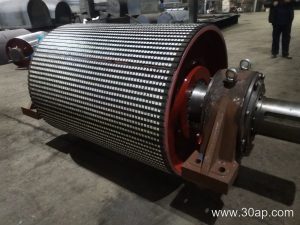
- Match the leg and frame to the conveyor pulley and drive layout so the belt line stays straight.
On long overland lines, leg spacing is often set by belt sag limits, and the leg design must allow for wind and seismic loads where relevant. On short in-plant conveyors, standard modular legs are usually enough. Either way, the leg is a structural part of the conveyor, so it should be selected with the same care as the idlers and the conveyor bracket details it connects to.