What a 600mm Conveyor Belt Is
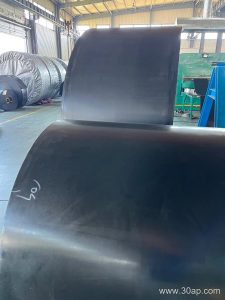
A 600mm conveyor belt is a belt with a nominal width of 600 millimeters, commonly written as B600. It sits in the light-to-medium width range and is widely used where tonnage is moderate, space is limited, or material is fed from smaller crushers and screens. In mining, quarrying, cement plants, power stations, and sand and gravel yards, this width often appears on transfer conveyors, stockpile feeders, and plant interconnecting lines. Buyers may also see it described as a 600mm wide belt, a B600 belt, or simply a 0.6m belt, all referring to the same product.
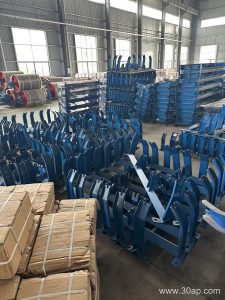
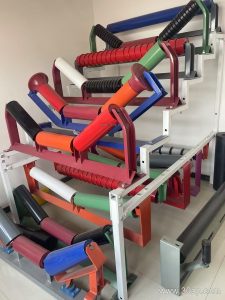
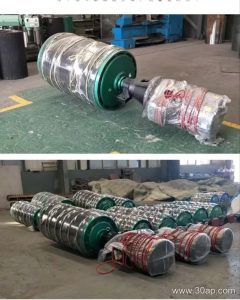
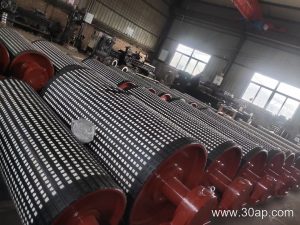
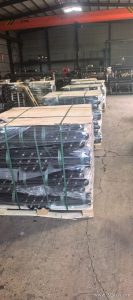
The belt itself is only one part of the system. It runs over a conveyor pulley at the drive and tail ends, is supported by idler roller sets, and is held in line by conveyor bracket assemblies. The drive pulley, tail pulley, and bend pulley each perform a different job and are not interchangeable, so belt width alone never defines the pulley arrangement.
Construction and Common Specifications
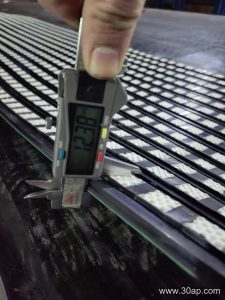
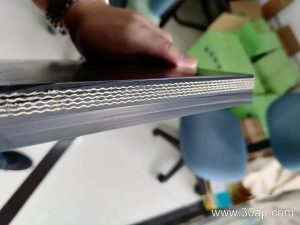
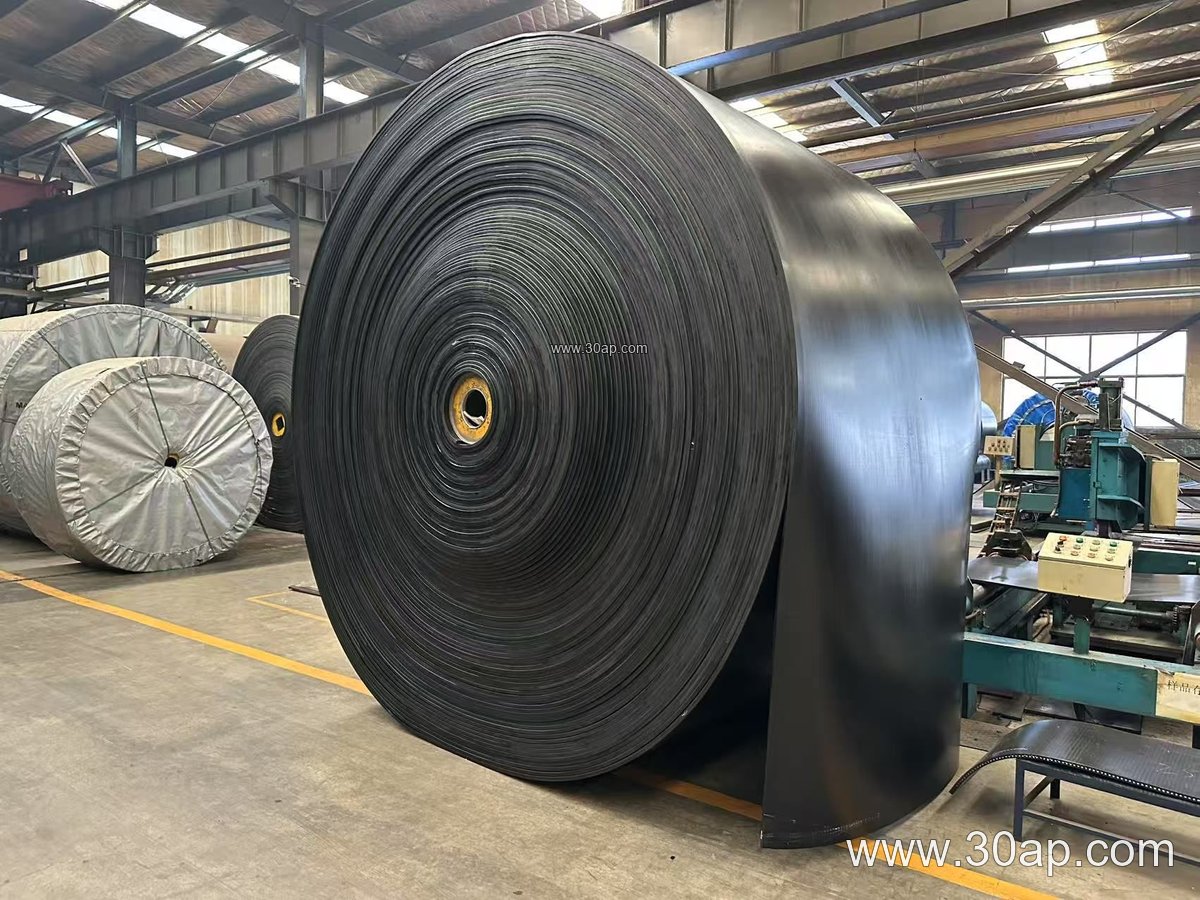
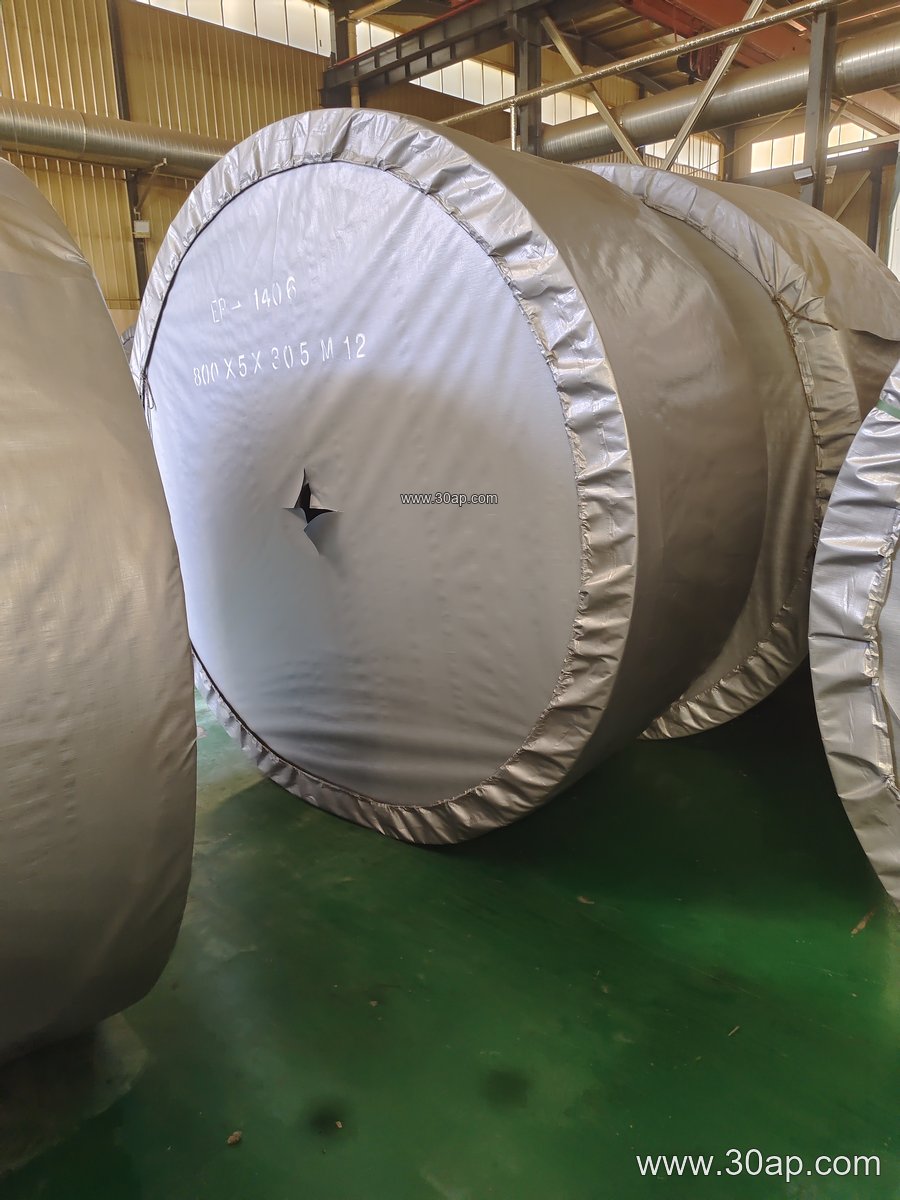
Most 600mm belts are fabric-cored, with EP or NN carcass plies covered by rubber. A steel cord carcass is also possible but is less common at this width because very high tension is usually handled on wider belts. The table below shows typical reference values; actual figures are confirmed by the manufacturer against the conveyor design.
Reference Data for 600mm Belts
- Belt width: 600 mm (B600)
- Fabric types: EP conveyor belt, NN conveyor belt, multi-ply fabric core
- Common strength grades: EP200, EP315, EP400, EP500, EP630, EP800
- NN grades: NN100, NN200, NN300, NN400
- Carcass plies: 2 to 6, depending on tension
- Cover thickness examples: 3+1.5 mm, 4+2 mm, 5+2 mm, 6+2 mm
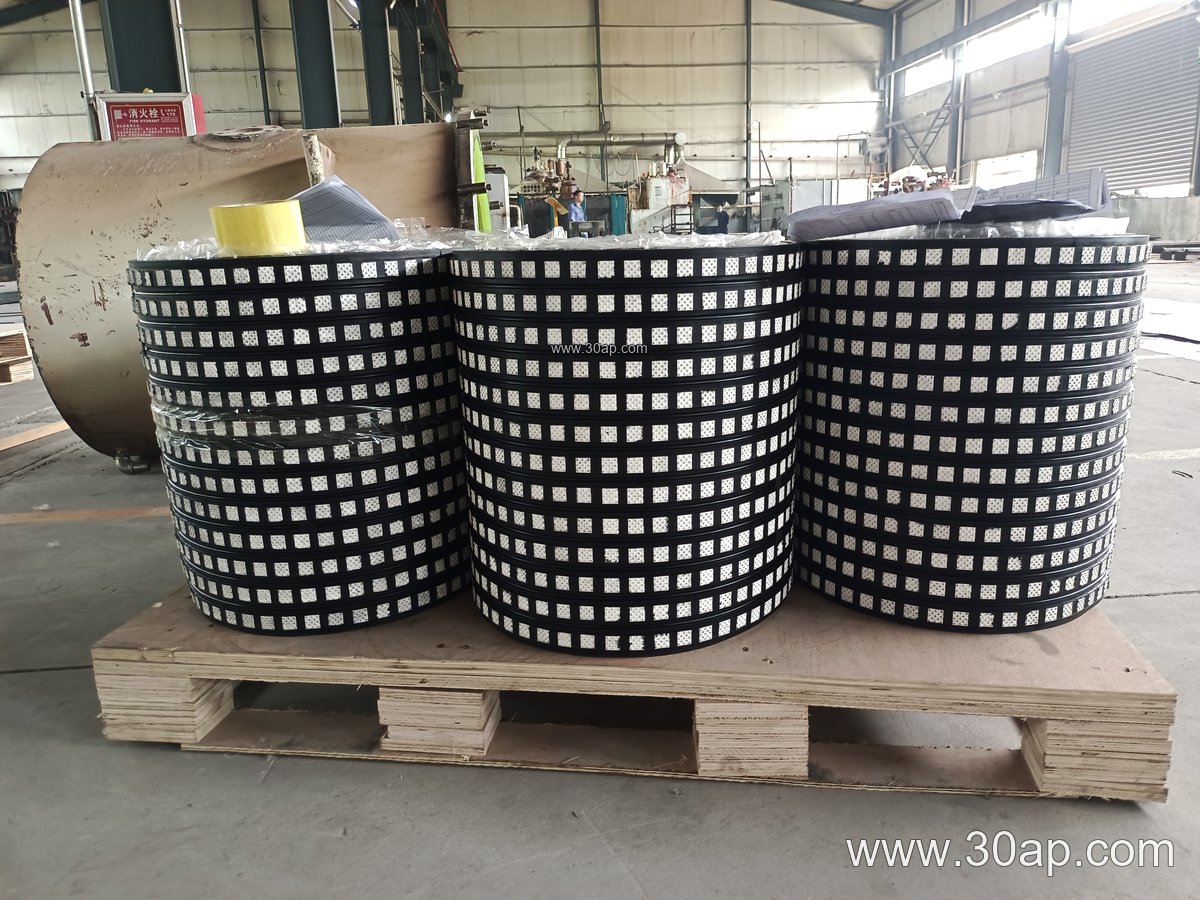
- Surface forms: smooth, chevron or patterned, corrugated sidewall, skirted edge
For abrasive rock and ore, an abrasion resistant conveyor belt with thicker top cover is a sensible choice. Underground coal work usually calls for a flame retardant conveyor belt, often a PVG or PVC type, while cement and clinker lines may need a heat resistant conveyor belt. Cold climates favor a cold resistant grade, and dusty or explosive atmospheres may require an anti-static belt. Food and recycling plants use different cover compounds again.
Where the Width Fits in a Plant
Because 600mm is narrower than mainline belts, it suits secondary duties: feeding a crusher, removing fines from a screen, linking a bin to a mixer, or carrying additives in a cement mill. A quarry conveyor belt of this width can move stone at a moderate rate without the structural cost of a 1000mm or 1200mm line. In a coal mining conveyor belt system, short 600mm sections often handle clean coal or transfer points. Port and ship loading operations generally use wider belts, and a 600mm unit would only appear on auxiliary routes.
Load, lump size, incline, and speed decide whether 600mm is enough. A belt that is too narrow for the feed will spill at the edges; one that is too wide wastes capital. The belt speed and trough angle, together with idler spacing, set the practical capacity far more than width alone.
Selection Checks Before Ordering
- Confirm the required tension and choose the carcass grade, for example EP400 or EP630, rather than guessing from width.
- Match cover thickness to the material: sharp aggregate, hot clinker, oily scrap, or wet slurry each need a different compound.
- State the ambient and material temperature if a heat resistant or cold resistant belt is being considered.
- For steep inclines, ask about a chevron conveyor belt or a corrugated sidewall conveyor belt to prevent rollback.
- Check pulley face width, troughing idler angle, and take-up travel with the conveyor designer.
- Decide on splice type: an endless conveyor belt with a vulcanized joint runs more smoothly than a mechanically fastened one.
Installation and Maintenance Notes
Tracking problems on narrow belts usually come from misaligned pulleys, uneven loading, or worn idlers rather than from the belt itself. Keep the drive pulley lagging clean, check that the tail pulley is square to the frame, and replace seized idler rollers promptly. Inspect edges for cuts and cover for wear, especially on crusher discharge belts where impact is heavy. Store spare rolls indoors, away from sunlight and ozone sources, and rotate stock so the rubber does not age before use.
A 600mm conveyor belt is a practical, cost-effective choice for medium-duty duties across mining, cement, power, and aggregate operations. Matching the carcass, cover, and surface form to the real working conditions is what keeps the line running.