What an EP1000 Conveyor Belt Is
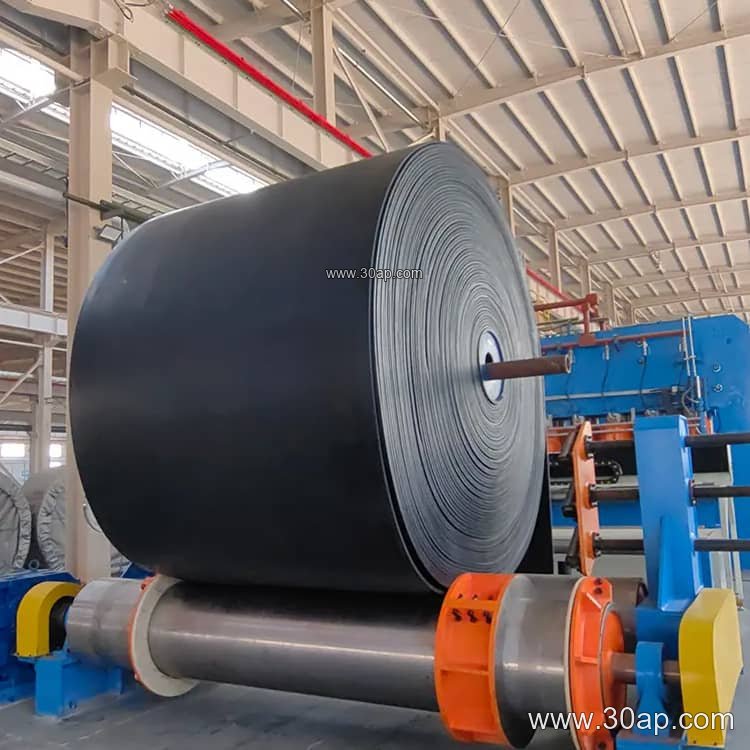
An EP1000 conveyor belt is a fabric-core rubber belt built on polyester-cotton (EP) carcass layers. The number 1000 refers to the nominal tensile strength of the carcass, commonly expressed in N/mm. In practice, an EP1000 belt sits in the upper-middle range of the EP series, above EP630 and EP800 but below EP1250 and EP1600. Buyers often describe the same product as an EP rubber conveyor belt or an EP fabric core conveyor belt, and the three terms point to the same construction. It is a workhorse choice where a single belt must carry abrasive, dense bulk material over long distances without the stiffness of a steel cord carcass.
Construction and Layer Build
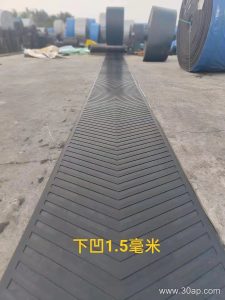
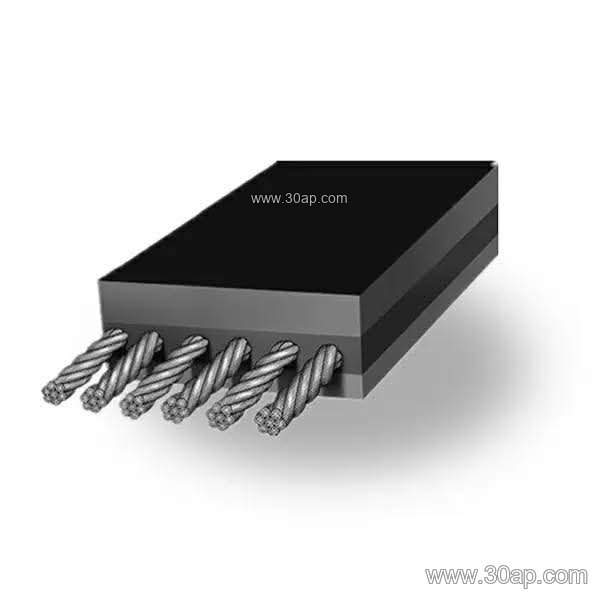
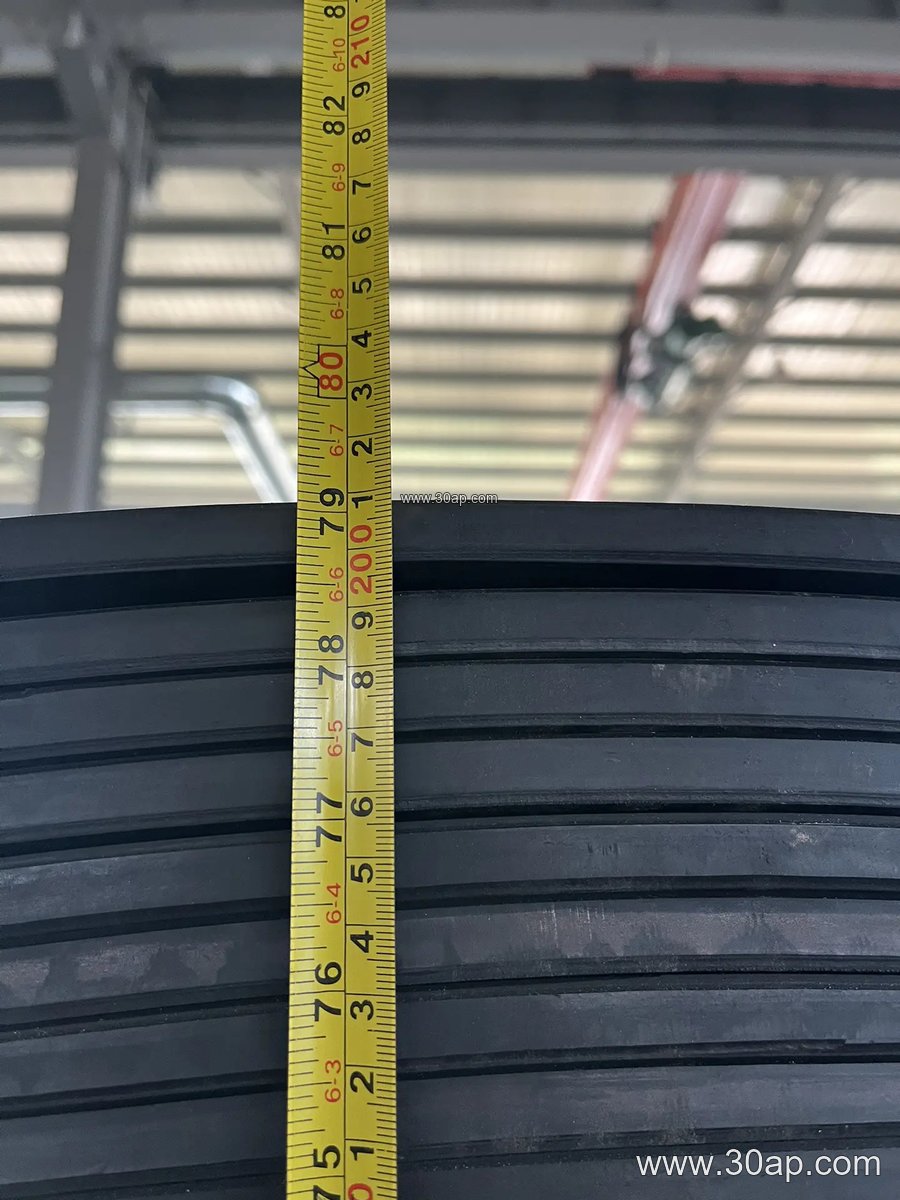
The carcass is made of multiple EP fabric plies bonded with rubber skim compound. A typical heavy-duty build uses two to six plies, depending on the required strength and the pulley diameters on the conveyor. Top and bottom cover rubber protect the carcass from wear and impact; common cover combinations include 4+2 mm, 5+2 mm, 6+2 mm and 8+3 mm. The cover grade is chosen for the duty, so a heat resistant conveyor belt, oil resistant conveyor belt, flame retardant conveyor belt or abrasion resistant conveyor belt may all share the same EP1000 carcass while differing in compound.
Common Reference Data
Values below are typical reference figures, not universal specifications. Final dimensions are confirmed by the manufacturer against the conveyor design.
- Strength grades in the EP series: EP200, EP315, EP400, EP500, EP630, EP800, EP1000, EP1250, EP1600, EP2000
- Common belt widths: B500, B650, B800, B1000, B1200, B1400, B1600, B1800, B2000
- Cover thickness examples: 3+1.5 mm, 4+2 mm, 5+2 mm, 6+2 mm, 8+3 mm
- Carcass plies: usually 2 to 6
Belt width and pulley diameter are separate design decisions. A wider belt does not automatically pair with one fixed pulley size, and shaft diameter is calculated from the actual load case rather than from belt width alone.
Where It Fits in the Plant
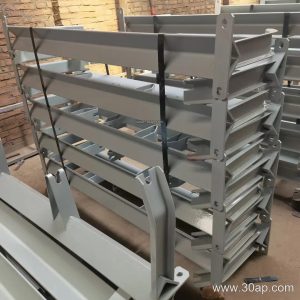
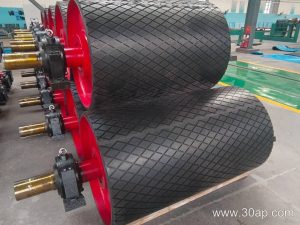
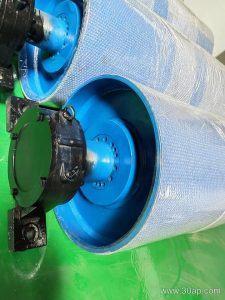
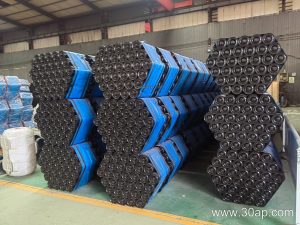
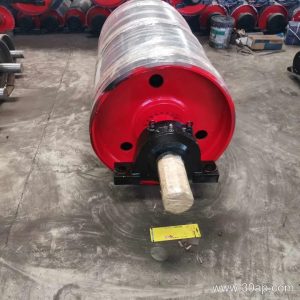
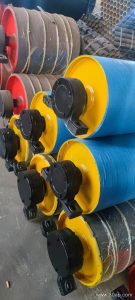
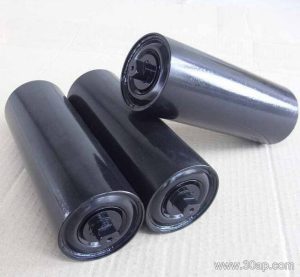
The EP1000 grade is common in mining conveyor belt duty, quarry and aggregate lines, cement plants, power plant coal handling, steel plants, ports and ship loading systems. It suits primary and secondary crushing circuits, transfer points after a crusher, and long overland runs in sand making and stone crushing plants. In these layouts the belt works with idler rollers, conveyor pulleys and conveyor brackets, and the whole frame must be matched to the belt’s tension and troughability.
For underground coal work, flame retardant and anti-static properties are usually specified, and a PVG conveyor belt or PVC conveyor belt may be preferred in some seams. That is a different product family, not a substitute for an EP belt on the same drive. Where the route curves tightly or material must be fully enclosed, a pipe conveyor belt or a corrugated sidewall belt with cleats may be evaluated, again as a separate design choice.
Selection Points for Buyers
Start with the actual duty: material type, lump size, density, drop height, ambient temperature and whether oil, acid or fine dust is present. Confirm the required tensile grade against the calculated belt tension, then check the minimum pulley diameters recommended for the chosen ply count. Specify cover thickness and grade together, since a 6+2 mm build with an abrasion resistant compound behaves very differently from the same carcass with a heat resistant cover.
Ask for the splice method as well. An endless conveyor belt made at the factory avoids a field joint, while open-length belt is vulcanized or mechanically fastened on site. For high-abrasion duty such as iron ore, copper ore or gold mining feed, a high abrasion resistant conveyor belt cover usually extends service life. In cold climates, a cold resistant conveyor belt compound prevents cracking at start-up.
Installation and Maintenance Notes
Correct alignment at the tail pulley and training of the return run reduce edge damage. Keep idler rollers turning freely and inspect conveyor pulleys for build-up that can cut the cover. Track cover wear at loading points; a worn spot is cheaper to repair than a damaged carcass. Store spare belt rolls indoors, away from ozone sources and direct sunlight, and rotate stock so the oldest roll is used first.
An EP1000 belt is rarely the only decision on a conveyor. It is one part of a system that includes the drive, tail and bend pulleys, the idler set, the brackets and the take-up. Matching all of these to the real duty gives the belt its full service life.