What a Self-Aligning Idler Bracket Does
A self-aligning idler bracket, also called a training idler bracket, is a mounting frame that holds conveyor idler rollers and pivots slightly when the belt drifts off center. It is not a fixed bracket. The assembly responds to belt misalignment by steering the idler roller so the belt returns to the correct path. In a quarry or a cement plant, this small correction prevents edge damage and spillage before they become a maintenance problem.
How the Bracket Is Built
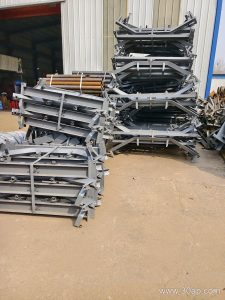
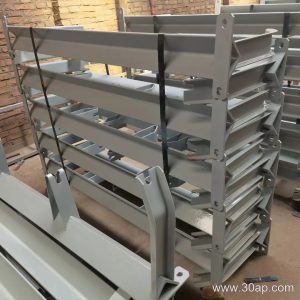
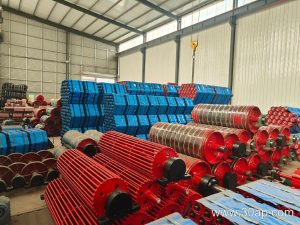
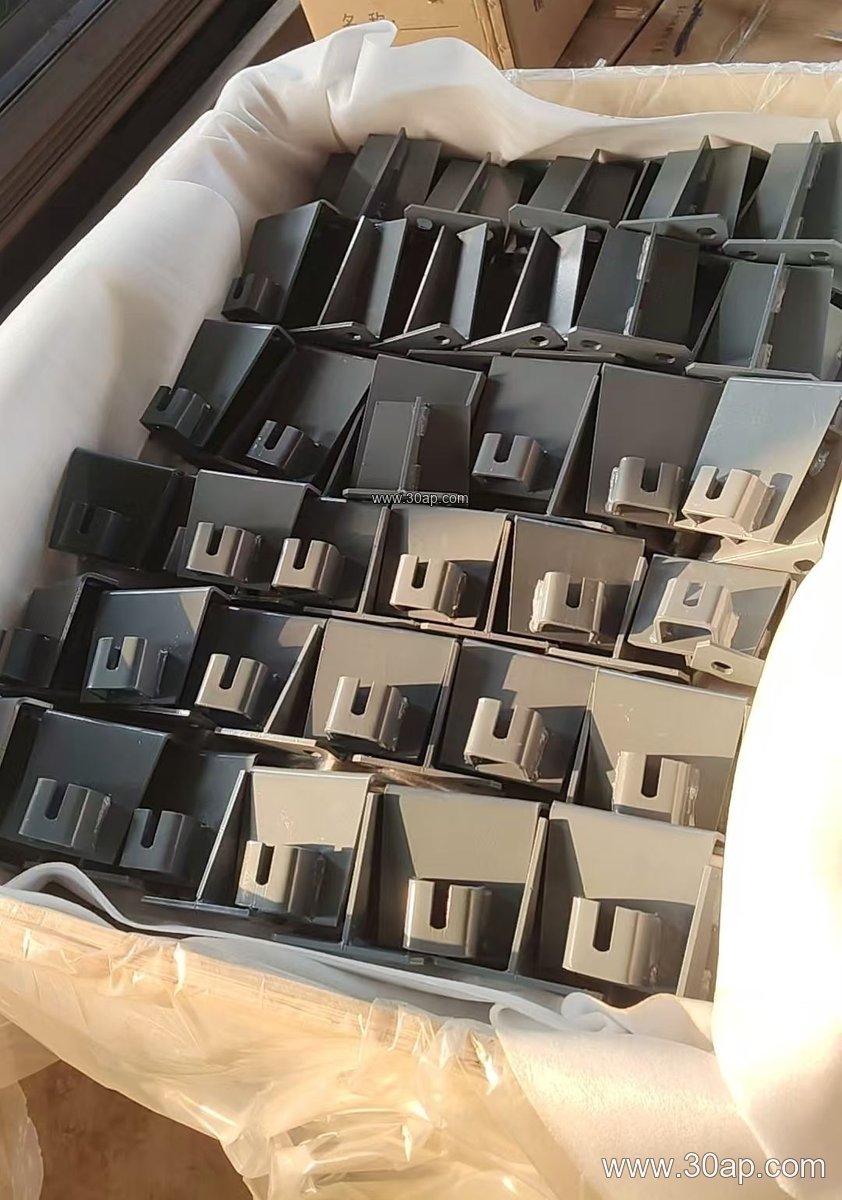
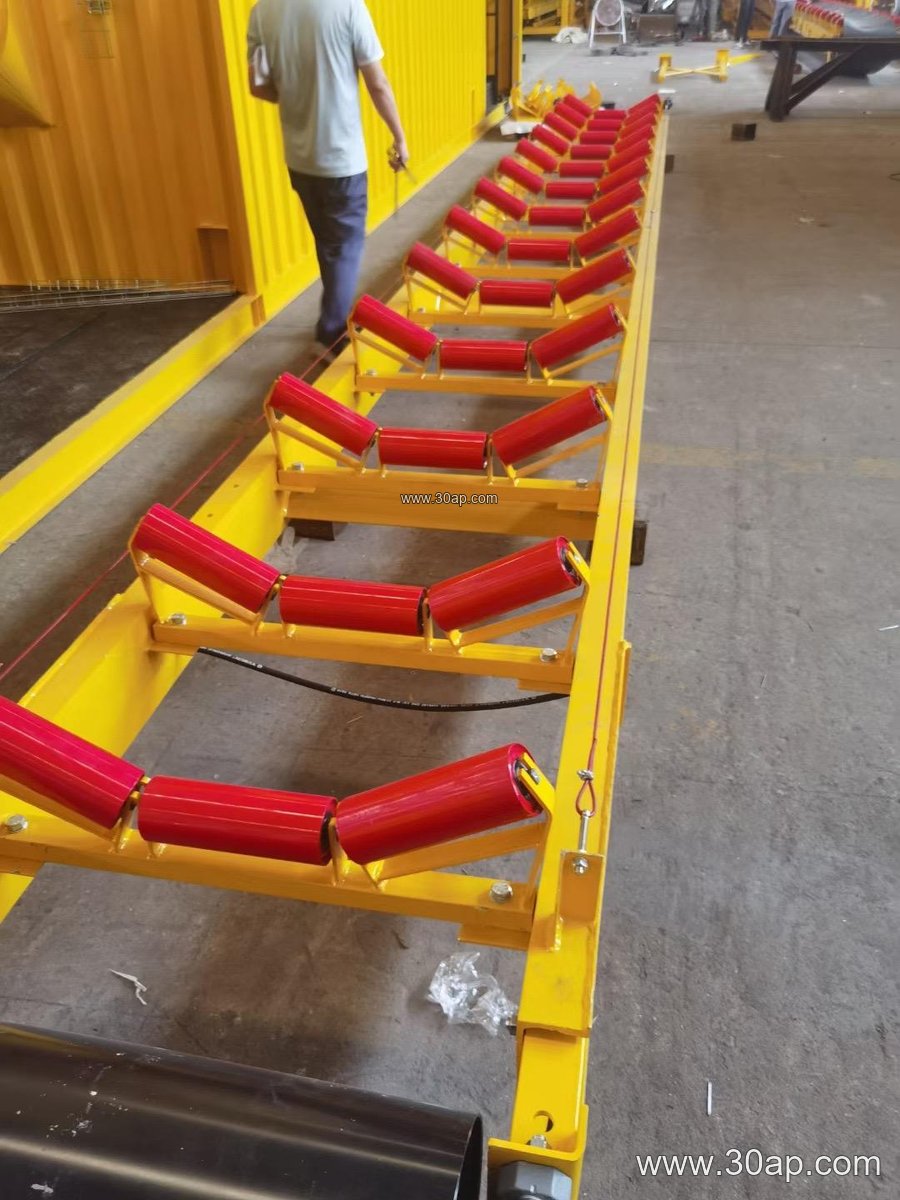
The frame is usually made from angle steel, channel steel, or folded steel plate. A central pivot allows the bracket to rotate horizontally, while side rollers or a vertical guide roller sense the belt edge. The idler roller mounted on the bracket can be a standard troughing roller or a return roller, depending on the position in the conveyor. Common belt widths include B500, B650, B800, B1000, B1200, B1400, B1600, B1800, and B2000. Trough angles of 20, 30, 35, and 45 degrees are typical for self-aligning brackets. Roller diameters such as Ø89, Ø108, Ø133, Ø159, and Ø194 are matched to the belt width and load.
Where It Is Used
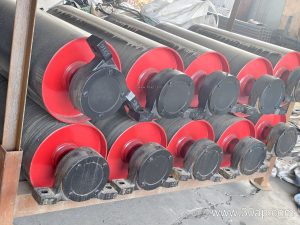
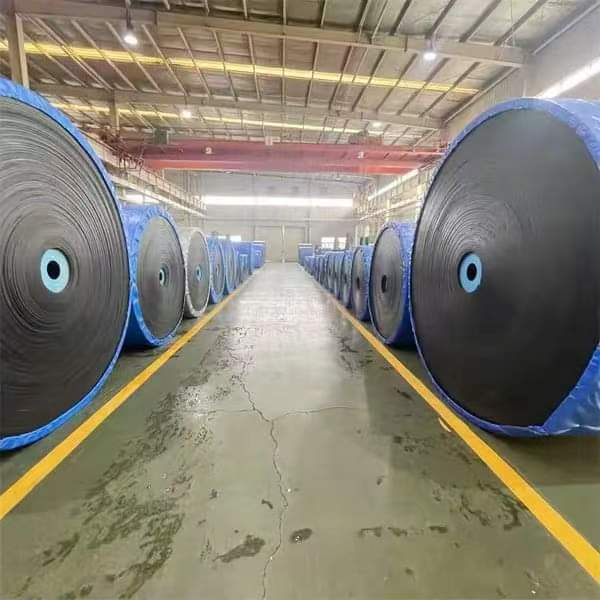
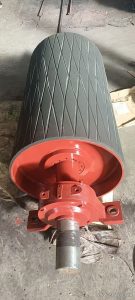
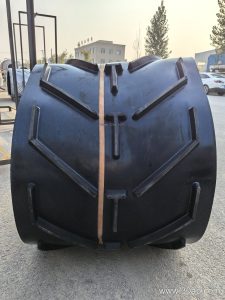
Self-aligning idler brackets are common in bulk material handling. In a coal mining conveyor or a power plant coal yard, they help keep the belt centered on long runs. In a limestone mine or a sand and gravel line, they reduce edge wear on the rubber conveyor belt. They are also used in steel plants, fertilizer plants, and grain silos where belt tracking affects uptime. The bracket is often installed on the carrying side near the tail pulley and on the return side before the bend pulley. Drive pulleys and tail pulleys are different components and are not replaced by this bracket.
Selection and Sizing Notes
Buyers should match the bracket to the conveyor belt width, the idler roller diameter, and the trough angle. A B800 belt with a 35 degree trough and Ø108 rollers is a common combination, but it is not the only one. A B1200 conveyor with 45 degree troughing and Ø133 rollers may suit a heavy-duty mining conveyor belt. The installation hole spacing and crossbeam length are determined by the belt width and trough angle, so they should be confirmed with the bracket supplier. The table below lists reference values, not fixed supply commitments.
| Reference Item | Common Range | Notes |
|---|---|---|
| Belt width | B500 to B2000 | Match to conveyor design |
| Trough angle | 20, 30, 35, 45 degrees | Adjustable brackets allow changes |
| Idler roller diameter | Ø89, Ø108, Ø133, Ø159, Ø194 | Selected by load and belt speed |
| Frame material | Angle steel, channel steel, folded plate | According to duty and environment |
Installation and Maintenance Tips
Install the self-aligning idler bracket square to the conveyor centerline. Check that the pivot moves freely and that the sensing roller touches the belt edge without excess force. After the belt is loaded, observe tracking for a full revolution. If the belt still drifts, adjust the bracket position or check the conveyor pulley alignment. Keep the pivot clean in dusty locations such as a crusher discharge or a coal handling plant. A worn idler roller can also cause mistracking, so inspect rollers together with the bracket.
Buyer Checklist
- Confirm belt width and trough angle before ordering.
- State the idler roller diameter and mounting hole spacing.
- Choose a frame material that suits the site conditions.
- Ask whether the bracket is adjustable or fixed.
- Check compatibility with the existing conveyor bracket and conveyor belt.
For abrasive ores or heavy-duty mining conveyor belts, a robust bracket and properly sized idler roller are more important than a low initial cost. In a coal mining conveyor or a cement plant, the self-aligning idler bracket is a small component that protects the belt and keeps material moving.