What the EP400 Conveyor Belt Is
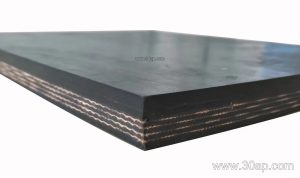
An EP400 Conveyor Belt is a fabric-core rubber belt built on polyester-cotton (EP) canvas, with a nominal tensile strength of 400 N/mm per ply. The EP carcass combines low elongation with good fatigue resistance, which makes this EP Conveyor Belt a practical middle-strength choice for main haulage lines in mines, quarries, cement works, power plants and sand and gravel yards where a steel cord belt would be heavier and costlier than the duty requires.
Buyers often compare it with an NN Conveyor Belt of similar rating. The nylon carcass stretches more under load and absorbs impact better, while the EP400 keeps centers more stable and needs less take-up travel. Neither replaces the other; the choice follows the conveyor design.
Construction and Surface Options
The belt is usually built with two to five plies of EP fabric, wrapped in skim and friction rubber, then covered on both faces. Cover grade and thickness are selected for the cargo, not for the strength rating alone.
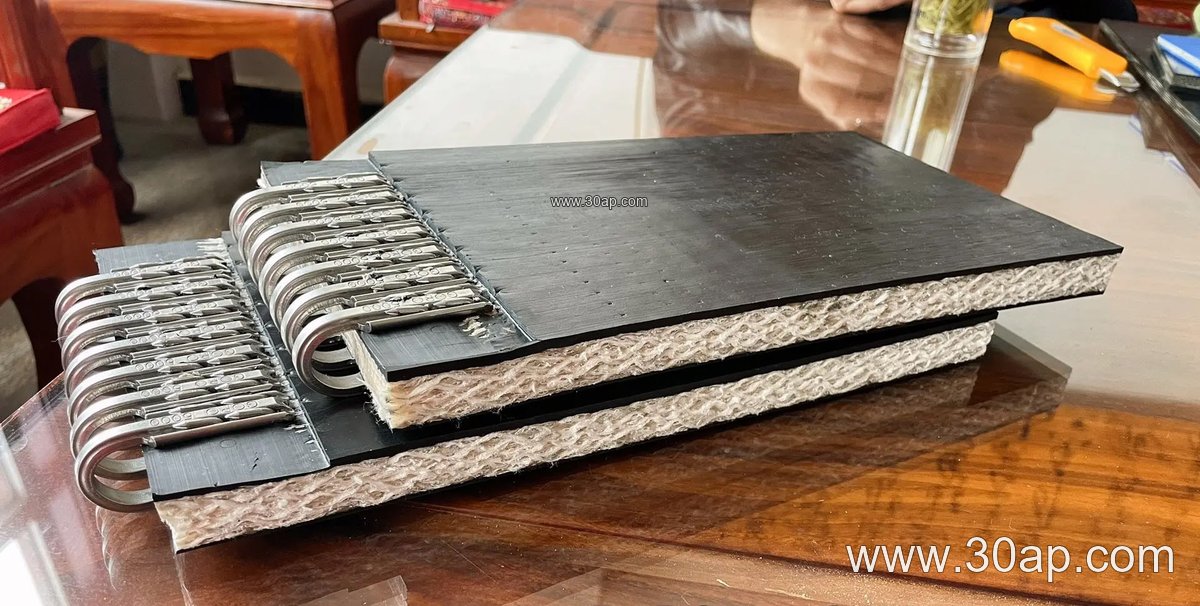
- Carcass: EP fabric plies, commonly 2 to 6, bonded with a rubber skim.
- Top cover: typically 3 mm to 8 mm, depending on abrasion and impact.
- Bottom cover: often 1.5 mm to 3 mm for pulley contact and troughing.
- Edges: cut or moulded, with breaker fabric where tearing is a risk.
Common cover combinations include 3+1.5, 4+2, 5+2, 6+2 and 8+3 mm. These are reference figures; the final build is confirmed against the conveyor specification.
| Property | Typical Range | Notes |
|---|---|---|
| Strength rating | EP400 (400 N/mm per ply) | Confirm ply count with the belt designer |
| Belt width | B500, B650, B800, B1000, B1200, B1400, B1600 | Wider widths available on request |
| Cover thickness | 3+1.5 to 8+3 mm | Matched to cargo abrasion and lump size |
| Cover grades | Abrasion resistant, heat resistant, oil resistant, flame retardant, anti-static, cold resistant | Grade follows the site conditions |
Where It Fits in the Plant
In a crushing circuit, an EP400 belt usually carries screened or primary-crushed stone from the crusher discharge to the stockpile conveyor. In a cement plant it may run on clinker or raw meal lines of moderate length. In a coal preparation plant or underground roadway, a flame retardant and anti-static version is normally specified. The same carcass appears on Mining Conveyor Belt duties, on Quarry Conveyor Belt lines and on aggregate transfer conveyors at ports.
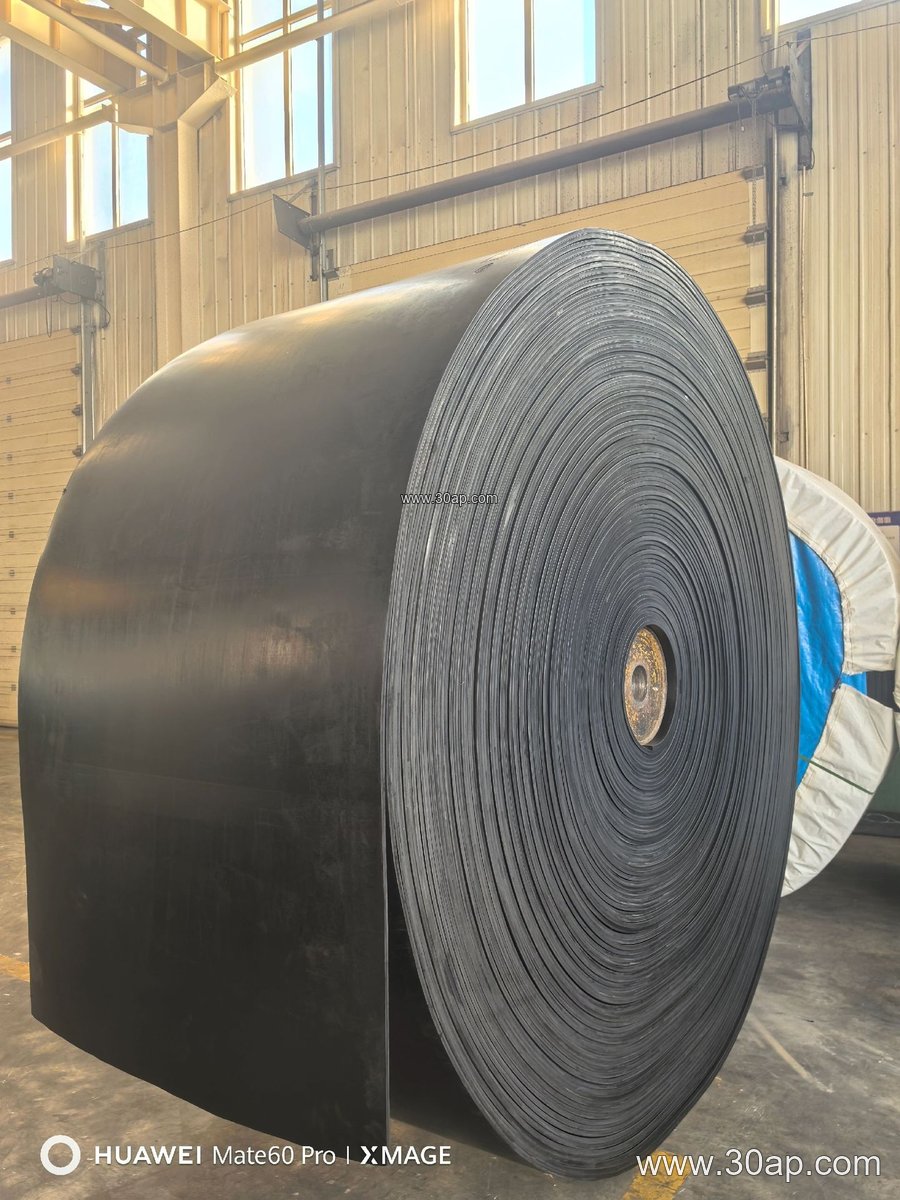
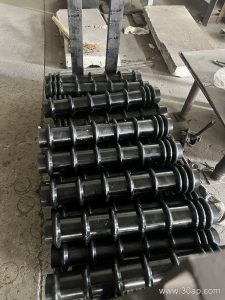
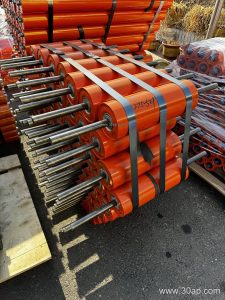
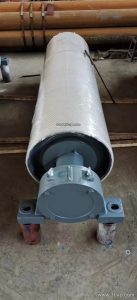
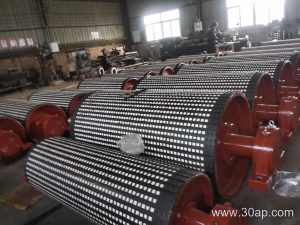
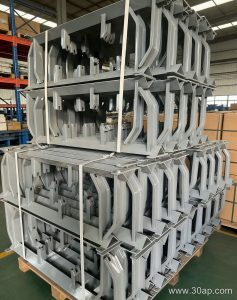
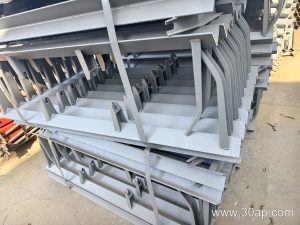
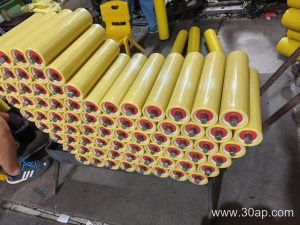
The belt works with standard conveyor components: troughing idler rollers support the loaded strand, a drive pulley transmits torque, a tail pulley returns the belt, and bend pulleys route it through the take-up. Conveyor brackets and frames hold these parts in alignment. None of these components is interchangeable with another; each has its own duty in the run.
Choosing the Right Build
Start from the duty. Calculate the belt tension from capacity, lift, length and friction, then apply the safety factor required by the conveyor designer. The EP400 rating is per ply, so a two-ply belt and a four-ply belt do not carry the same load even though both are marked EP400.
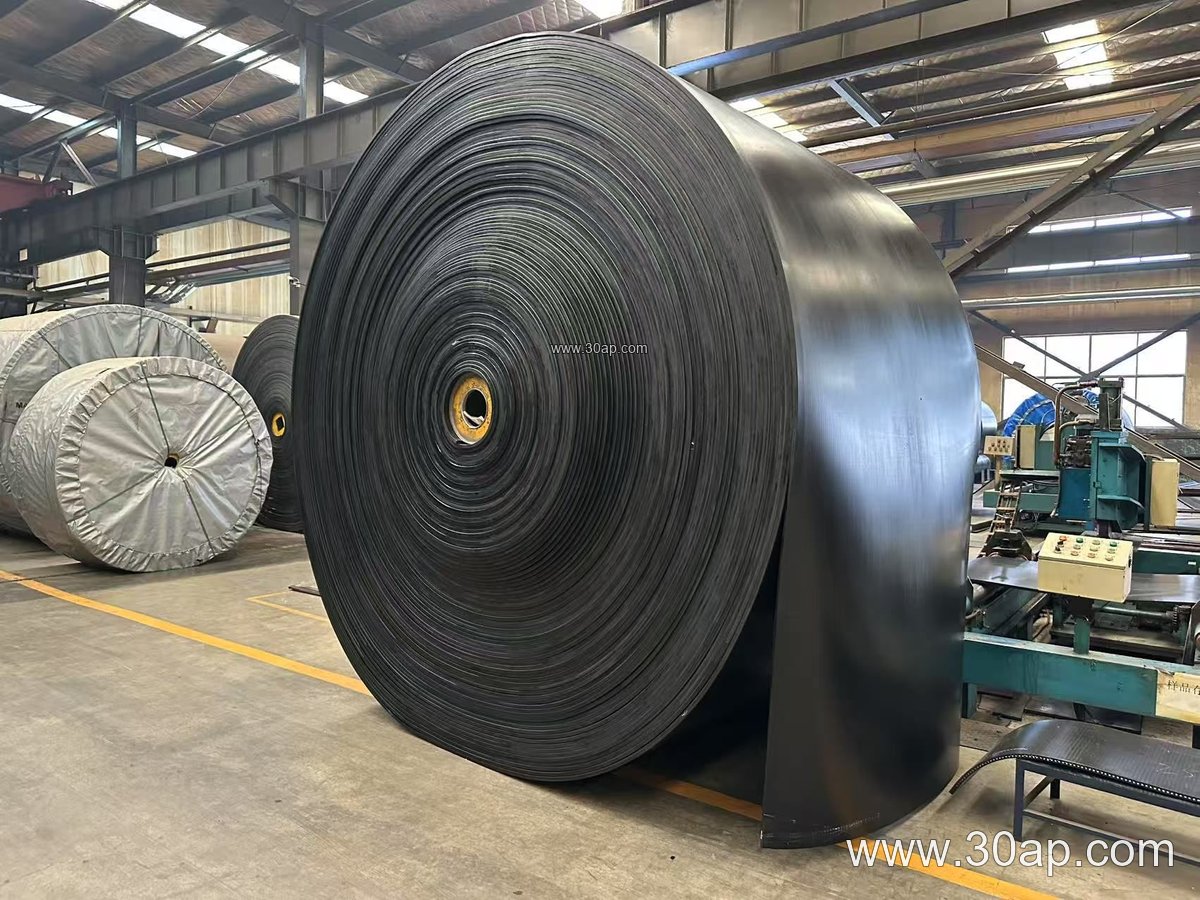
Match the cover to the cargo. Sharp, hot or oily material needs a specific grade such as Heat Resistant Conveyor Belt or Oil Resistant Conveyor Belt. Where fines and dust create static risk, an anti-static build is used. On inclined sections, a chevron or corrugated sidewall profile may be needed, but those are separate product forms, not substitutes for the flat EP400 belt.
Practical Checks Before Ordering
- Confirm belt width against the widest lump and the troughing angle.
- Check pulley diameters against the carcass ply count and belt thickness.
- State the ambient and material temperature range.
- Specify the cover grade, thickness and edge treatment.
- Agree on splice method: vulcanized or mechanical.
Installation and Care
Alignment matters more than strength on most sites. Check that idler rollers sit square to the frame, that the drive pulley and tail pulley are parallel, and that the belt is not over-tensioned. Keep the skirt rubber clear of the belt surface to avoid edge wear. Inspect splices regularly, since most failures begin at a joint rather than in the carcass.
Store spare belts on a dry, shaded rack, never on edge. When the belt is idle for long periods, release take-up tension slightly and run the conveyor briefly each month to redistribute grease and prevent flat spots.
For a full range of fabric-core and steel cord belts, idler rollers, pulleys and brackets, visit the main catalog and match the EP400 build to your conveyor duty.