What a Five-Roll Idler Bracket Does
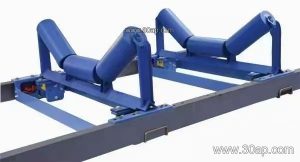
A five-roll idler bracket is a support frame that carries five idler rollers under the belt line instead of the usual three. The extra rolls form a deeper, more gradual trough, so bulk material sits more securely on the conveyor belt, especially on wide belts and at transfer points where load impact is heavy. In practice, the bracket works as part of the idler assembly: it holds the rollers at the correct angles, keeps spacing consistent along the frame, and transfers the load into the conveyor structure.
You will see this bracket in quarry conveyors, limestone mines, iron ore lines, coal washeries, cement plants, and power plant coal handling. On wide belts carrying coarse or heavy material, the five-roll arrangement spreads the load across more idler positions, which can reduce belt sag between supports and help keep the belt tracking steady.
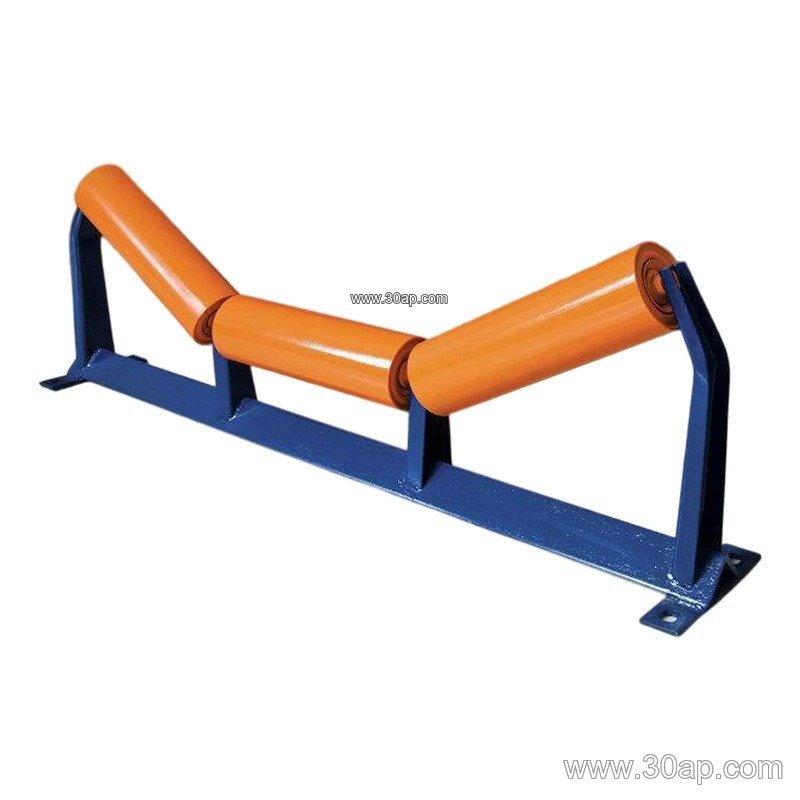
How the Bracket Is Built
Most five-roll idler brackets are fabricated from angle steel, channel steel, or folded steel plate. The frame usually has a central flat or shallow section and two outer wings that set the trough angle. Roller seats, mounting slots, and crossbeam connections are positioned according to belt width, trough angle, and roller diameter, so hole spacing and beam length are determined by design rather than fixed figures.
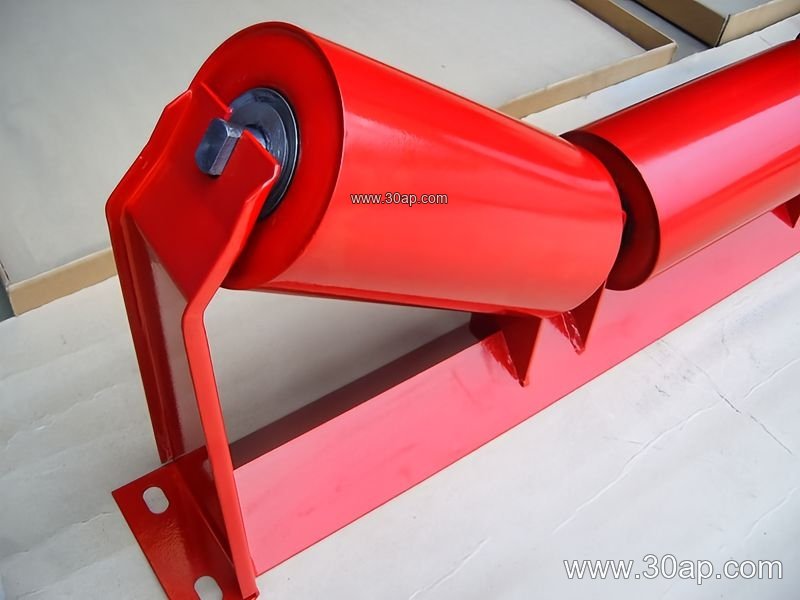
- Main frame: welded or bolted steel structure with five roller positions
- Wing sections: set at the selected trough angle for the outer rolls
- Mounting points: slotted or drilled to suit the idler frame and conveyor stringer
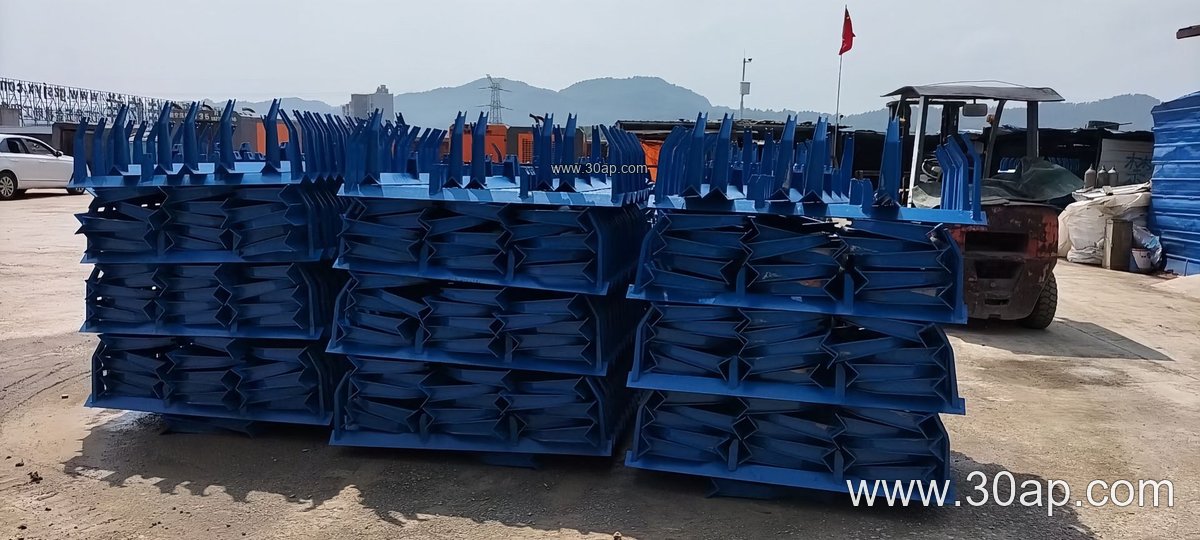
- Finish: painted or galvanized, depending on the site environment
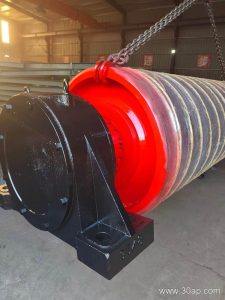
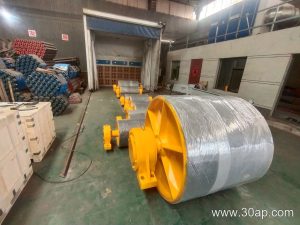
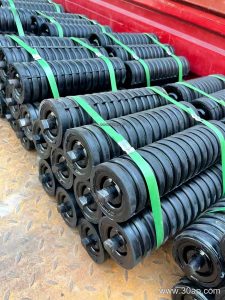
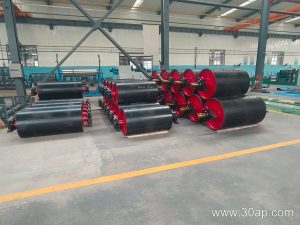
The bracket is normally matched with a set of idler roller units of the same diameter and a compatible conveyor bracket fixing pattern. It is not a substitute for a drive pulley, tail pulley, or bend pulley; those are separate components in the conveyor drive and return system.
Where Five Rolls Make Sense
The five-roll design is often chosen where a three-roll trough is not enough. Typical situations include very wide belts, high-capacity loading points, and lines handling lumpy material that tends to spill over the skirt. A few examples of common working conditions:
- Primary crushing and screening plants in a stone crushing line
- Ore conveying in an iron ore or copper ore operation
- Coal handling in a washery or underground mining conveyor
- Cement plant raw material and clinker transport
- Port and ship loading conveyors with wide belts
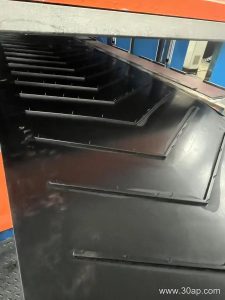
On these lines, a heavy-duty mining conveyor belt or abrasion resistant conveyor belt may be used, and the five-roll bracket helps support the belt across its full width. Where the belt is a pipe conveyor belt or a corrugated sidewall conveyor belt, the bracket choice follows the specific conveyor design and should not be assumed from belt width alone.
Common Reference Sizes
The table below shows reference combinations that appear in project discussions. These are examples, not fixed rules, and actual selection should follow the conveyor design.
| Belt Width | Trough Angle | Roller Diameter | Typical Use |
|---|---|---|---|
| B650 | 30 degrees | Ø89 | Small to medium transfer lines |
| B800 | 35 degrees | Ø108 | Aggregate and quarry conveyors |
| B1000 | 35 degrees | Ø133 | Cement and power plant coal lines |
| B1200 | 45 degrees | Ø133 | High-capacity ore and coal conveyors |
| B1400 | 45 degrees | Ø159 | Wide heavy-duty mining conveyors |
| B1600 | 35 to 45 degrees | Ø159 or Ø194 | Large port and plant conveyors |
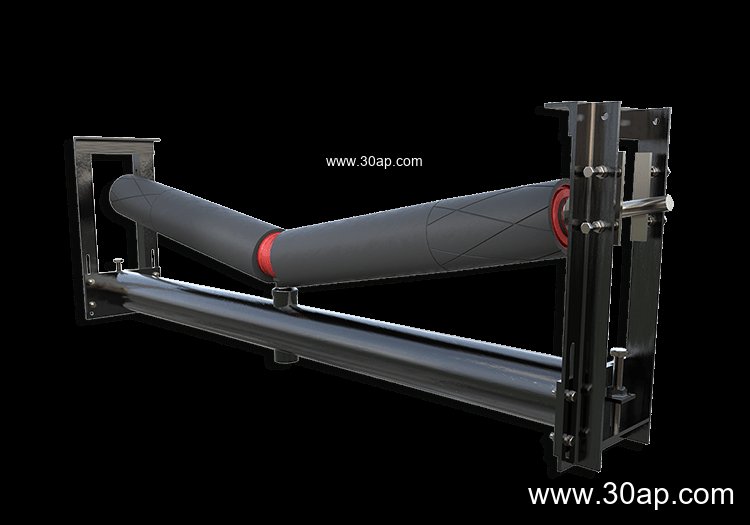
Adjustable brackets can often be set between 20, 30, 35, and 45 degrees, while fixed brackets are built for one angle. Forward-leaning arrangements of about 1.5 to 2 degrees are also used on some training and transition sections. Belt width does not dictate a single roller diameter; the pairing depends on load, speed, and frame design.
Buyer Checklist
Before ordering, confirm the belt width, the required trough angle, the roller diameter, and the mounting hole pattern on the existing idler frame. Ask whether the bracket is fixed or adjustable, and check that the material and finish suit the site, for example a dusty quarry or a wet coal washery. If the conveyor uses an EP conveyor belt or a steel cord conveyor belt, the idler spacing and bracket load rating should be checked against the belt tension and material weight. Spare parts should match the original fixing dimensions so the bracket fits without field modification.
Good bracket selection is mostly about fit and consistency. A five-roll idler bracket that matches the roller set, the belt width, and the frame will keep the conveyor belt supported and the material contained, whether the line runs in a sand and gravel plant or a large ore terminal.