What a Sand and Gravel Conveyor Idler Does
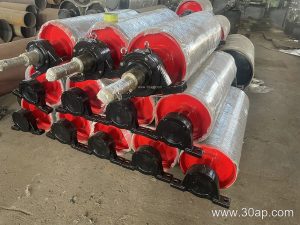
A sand and gravel conveyor idler is the rotating component that supports the conveyor belt along its carrying and return runs. In a quarry, aggregate plant, or concrete batching station, these idlers carry heavy, abrasive material day after day. The idler roller must keep the belt aligned, reduce friction, and protect the belt from premature wear. While the conveyor pulley drives or redirects the belt, the idler simply supports it, and the two are not interchangeable.
This article covers the common types, construction details, and practical selection points for sand and gravel conveyor idlers. For broader conveyor components, you can explore conveyor idler options on our site.
Construction and Common Types
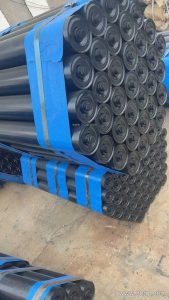
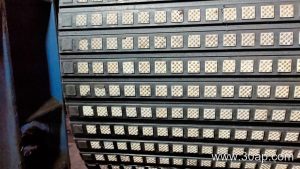
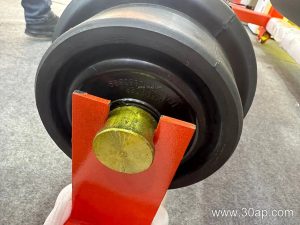
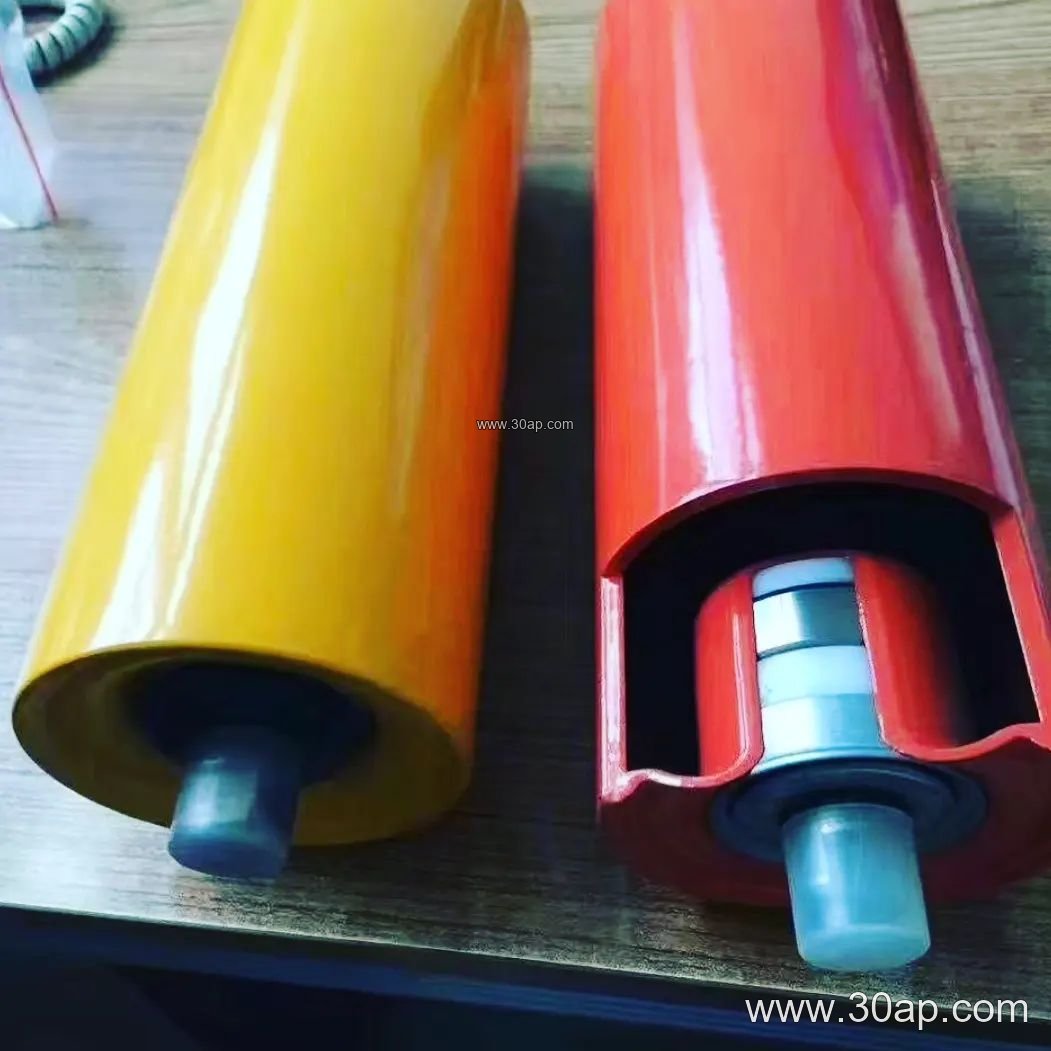
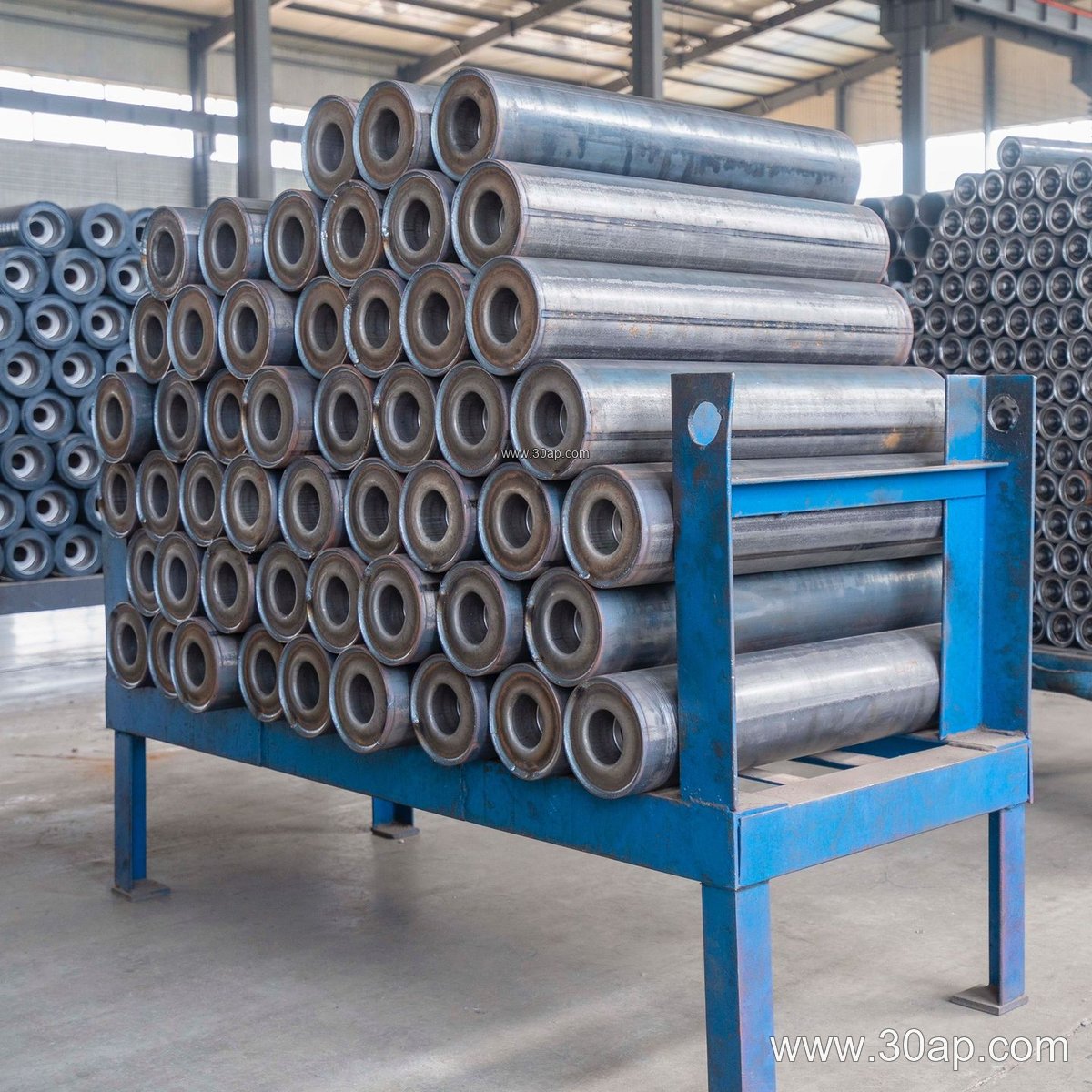
A typical idler roller consists of a steel tube shell, bearing housings, seals, and a shaft. The roller surface may be plain steel, nylon, ceramic, or covered with rubber rings for impact absorption. Bearing sizes such as 6204, 6205, 6305, 6306, 6308, and 6310 are common, but the bearing choice should match the load and speed rather than a fixed roller diameter.
Carrying Idlers
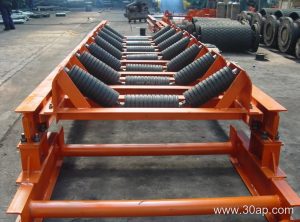
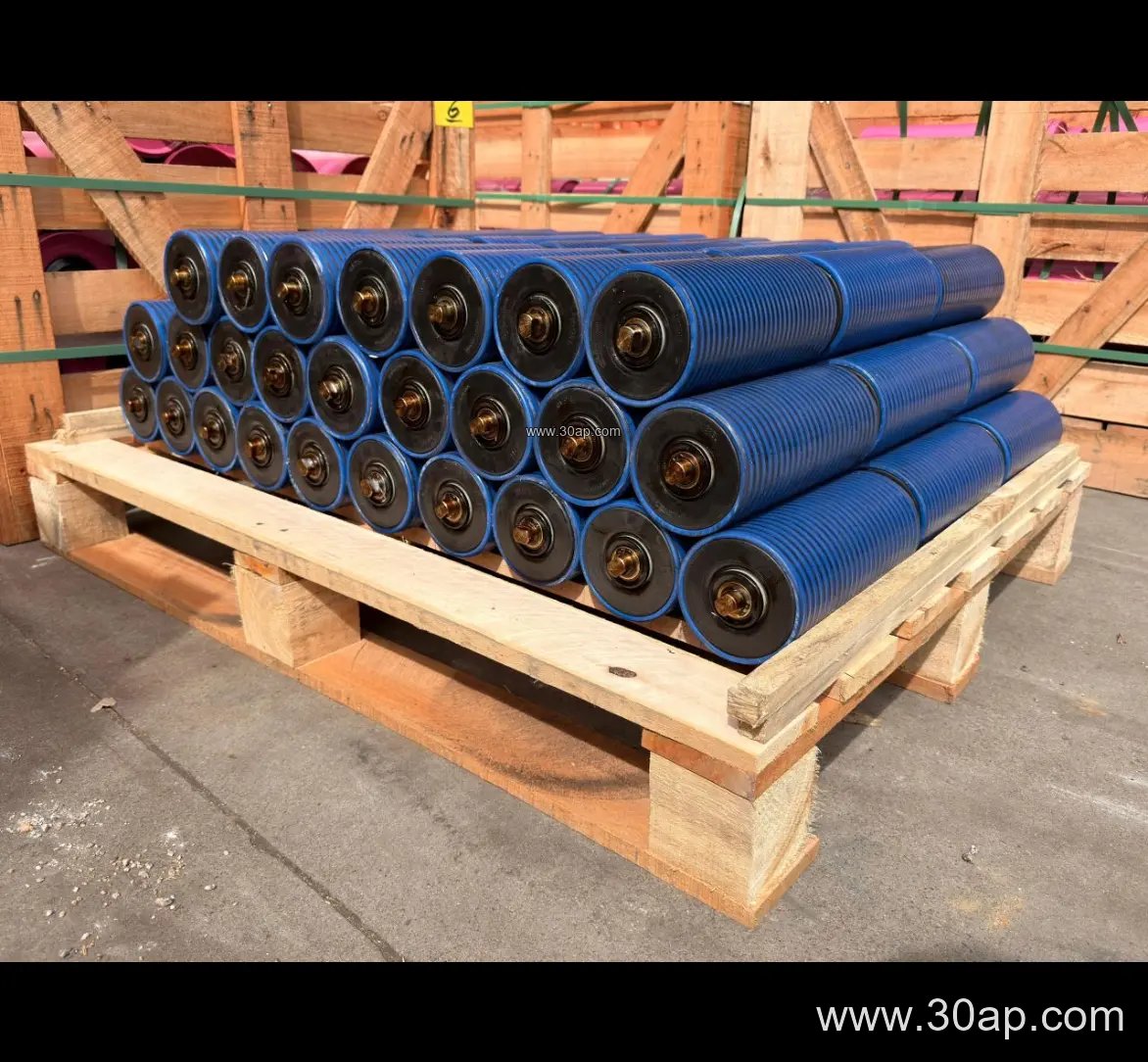
Troughing idlers are arranged in sets of two or three rolls to form a trough that keeps bulk material centered. Common trough angles are 20, 30, 35, and 45 degrees. A three-roll troughing set is widely used in sand and gravel operations. Transition idlers help the belt change from flat to troughed smoothly near pulleys.
Return Idlers
Flat return idlers support the empty belt on the lower run. V-type return idlers help train the belt and shed loose material. In dusty aggregate plants, spiral return idlers can reduce material buildup on the roller surface.
Impact and Self-Aligning Idlers
Rubber-ring impact idlers are placed under loading points to absorb the shock of falling rock and gravel. Self-aligning idlers, including friction and tapered types, correct belt misalignment before it damages the belt edge. These are especially useful on long quarry conveyor lines.
Roller Diameter, Belt Width, and Roll Length
Idler diameter and roll length are selected together with belt width, trough angle, and load. Common roller diameters include Ø63, Ø76, Ø89, Ø102, Ø108, Ø127, Ø133, Ø159, Ø178, Ø194, and Ø219 mm. Belt widths commonly range from B400 to B2400. The table below gives typical roll lengths for three-roll troughing sets; side rolls and center rolls may differ, and final dimensions are determined by design.
| Belt Width | Typical Roll Length (three-roll troughing) |
|---|---|
| B500 | about 200 mm |
| B650 | about 250 mm |
| B800 | about 315 mm |
| B1000 | about 380 mm |
| B1200 | about 465 mm |
| B1400 | about 530 mm |
| B1600 | about 600 mm |
| B1800 | about 670 mm |
| B2000 | about 750 mm |
Do not assume that one belt width matches only one pulley diameter or one shaft size. The conveyor bracket and frame design also affect how the idler is mounted.
Where Sand and Gravel Idlers Are Used
These idlers appear in aggregate crushing and screening plants, sand and gravel pits, and concrete mixing stations. They also work in limestone quarries and iron ore operations where abrasive rock is moved on rubber conveyor belt systems. In dusty or wet conditions, sealed bearings and corrosion-resistant finishes help extend service life.
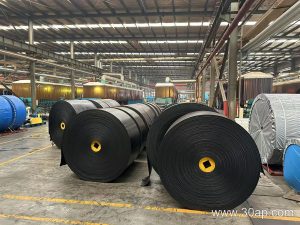
For heavy-duty primary crushing circuits, impact idlers and abrasion-resistant roller surfaces are often preferred. A heavy-duty mining conveyor belt may require larger roller diameters and stronger brackets to handle the load.
What Buyers Should Check
- Match roller diameter and bearing size to the actual load and belt speed, not to a single belt width.
- Confirm trough angle and roll length with the conveyor frame and bracket dimensions.
- Choose rubber-ring impact idlers at transfer points and self-aligning idlers on long runs.
- Check seal type for dust and water resistance in washing or wet screening areas.
- Ask for roller surface options such as nylon or ceramic where buildup or wear is a concern.
Regular inspection of idler rotation, noise, and belt tracking helps prevent belt damage. Replacing a seized idler early is cheaper than repairing a torn EP conveyor belt or a scored conveyor pulley. Keep spare idlers on hand for critical lines, and record roller positions so replacements match the original design.