What Determines Conveyor Idler Price
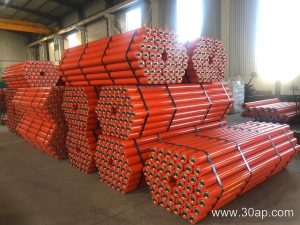
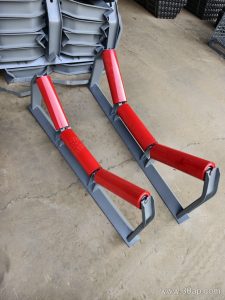
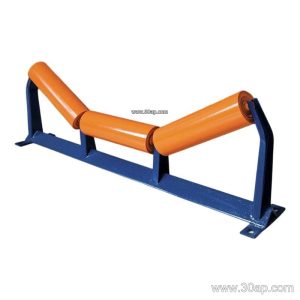
In a stone crushing line or a cement plant, idlers are the small rotating parts that carry the belt and the material. The conveyor idler price is not set by weight alone. Buyers often compare quotes for a single idler roller and find a wide range, because the offer depends on the roller diameter, shell material, bearing size, seal design, and the way the idler group is assembled. A troughing idler set for a B1000 belt is a different product from a return idler for the same belt, even if both use a Ø108 mm roller, so the cost should be evaluated part by part.
When a plant manager asks for a price, the first useful step is to specify the conveyor idler by its working position and dimensions. A general figure for one idler cannot cover a full conveyor bracket arrangement, and it should not be treated as a fixed market rate.
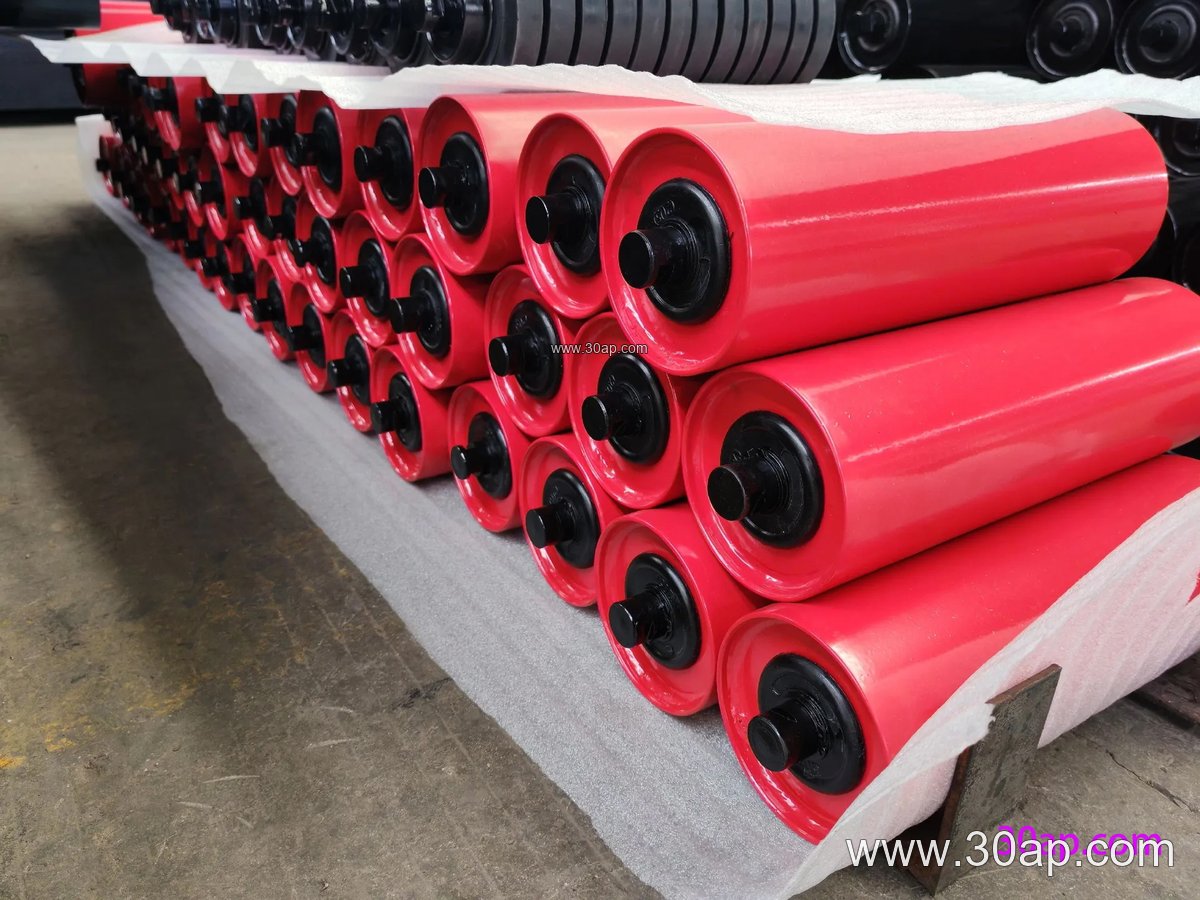
How an Idler Is Built and Why It Affects Cost
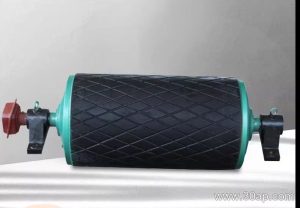
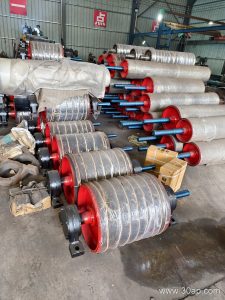
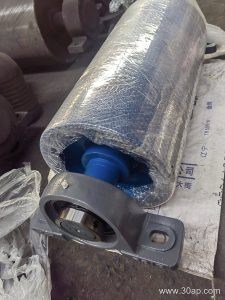
Most idlers share a simple structure: a steel tube shell, a shaft, two bearing housings, seals, and a bearing set. The tube can be plain steel, nylon-coated, ceramic-covered, or fitted with rubber rings for impact sections. Common bearing numbers in this family include 6204, 6205, 6305, 6306, 6308, and 6310, but the bearing choice follows the load and the shaft design rather than the belt width alone. A well-sealed bearing housing costs more than an open design, yet it can extend service life in dusty quarry or coal handling conditions.
Roller diameter is usually selected from a series such as Ø63, Ø76, Ø89, Ø102, Ø108, Ø127, Ø133, Ø159, Ø178, Ø194, and Ø219 mm. The roller length changes with belt width, trough angle, and idler group form. For a three-roll troughing set, common examples are about 200 mm roll length for B500, 250 mm for B650, 315 mm for B800, 380 mm for B1000, 465 mm for B1200, 530 mm for B1400, 600 mm for B1600, 670 mm for B1800, and 750 mm for B2000. Side rolls and center rolls can differ, so these are reference examples, not a fixed match for every conveyor.
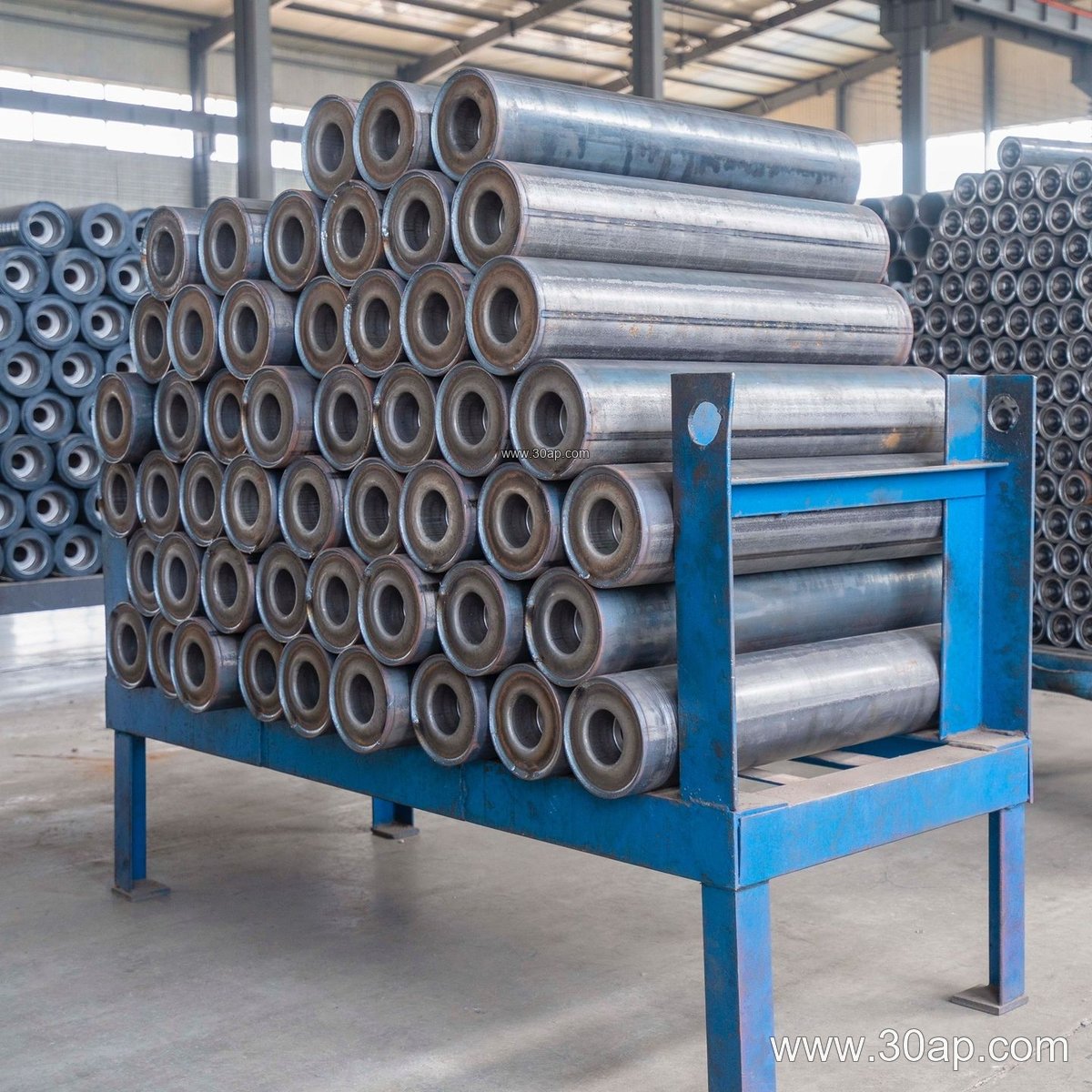
Where Idlers Are Used and Which Types Matter
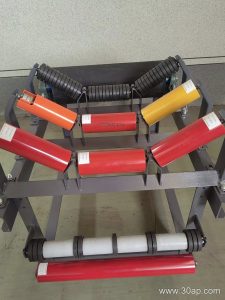
Idlers appear in many bulk handling routes. In a coal washing plant or a power plant coal yard, troughing idlers support the loaded side of the belt, while return idlers and V-return idlers guide the empty side. In a limestone quarry or an aggregate line, impact idlers with rubber rings are often placed under the loading point to absorb falling rock. Self-aligning idlers, including friction and conical types, help keep the belt centered on long runs. Spiral idlers are sometimes used where sticky material tends to build up on the return side.
The conveyor belt itself also influences the idler selection. A heavy-duty mining conveyor belt or a steel cord conveyor belt may need a larger roller diameter and a stronger bearing set than a light fabric core belt. A heat resistant conveyor belt used in a cement plant may require idlers that can tolerate warm material, while a flame retardant conveyor belt in an underground coal mine calls for careful attention to the whole conveyor system, not only the idler price. The belt, idler roller, conveyor pulley, and conveyor bracket work as one assembly, but each has its own cost and specification.
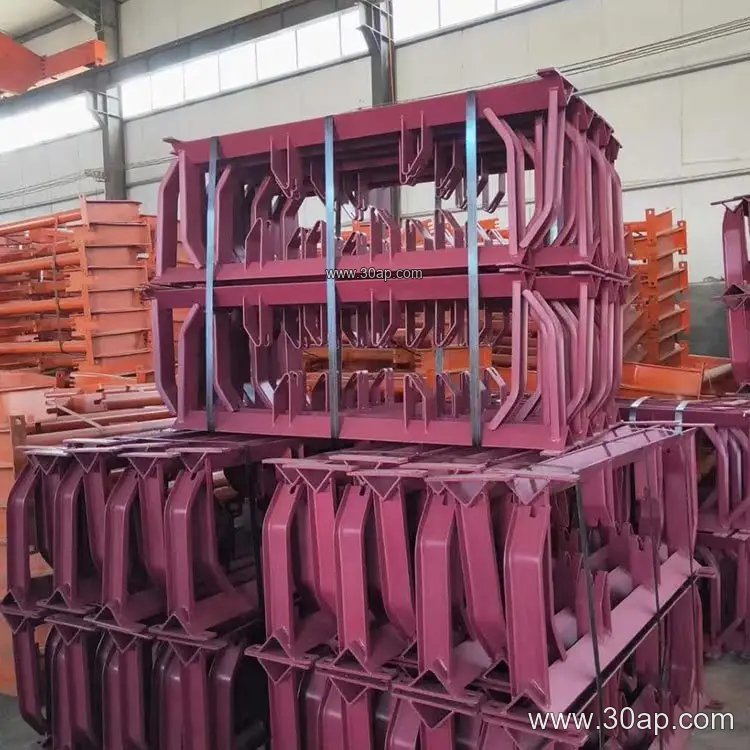
Specification Examples for Quotation
The table below gives common reference values for idler selection. It is not a universal supply list, and final dimensions should follow the conveyor design.
| Item | Common Reference |
|---|---|
| Idler type | Troughing, return, impact, self-aligning, spiral |
| Roller diameter | Ø63, Ø76, Ø89, Ø102, Ø108, Ø127, Ø133, Ø159, Ø178, Ø194, Ø219 mm |
| Belt width | B400, B500, B650, B800, B1000, B1200, B1400, B1600, B1800, B2000, B2200, B2400 |
| Trough angle | 20, 30, 35, 45 degrees |
| Idler group | Single roll, two-roll, three-roll troughing |
| Bearing | 6204, 6205, 6305, 6306, 6308, 6310 |
| Roll surface | Steel tube, nylon, ceramic, rubber ring |
A buyer comparing conveyor idler price should ask for the roller diameter, roll length, bearing number, shell thickness, seal type, and group arrangement. A price for a single idler is not the same as a price for a complete troughing set with a conveyor bracket. Photos of the mounting position and the belt width help the supplier quote accurately.
Buyer Checklist Before Ordering
- Confirm the belt width and the idler group form, not only the roller diameter.
- State the working position: carrying side, return side, impact zone, or transition area.
- Check the bearing and seal design for dust, water, and temperature conditions.
- Ask whether the quote covers one idler roller or a full set with brackets.
- Keep spare idlers for high-wear points such as loading zones and curve sections.
In short, the conveyor idler price should be read together with the specification. A low price for an undersized idler may cost more in downtime at a busy quarry, coal mine, or cement plant. Matching the idler to the conveyor belt, the material, and the environment is the practical way to compare offers.