What the EP1000 Conveyor Belt Is
The EP1000 Conveyor Belt is a heavy-duty fabric core belt built around polyester (E) and nylon (P) warp and weft yarns. The designation “1000” refers to the nominal tensile strength per millimeter of belt width, making this an EP Conveyor Belt suited to long runs, high tonnage, and demanding operating conditions. It is a Fabric Core Conveyor Belt that sits near the upper end of common EP grades, above EP630 and EP800 but below EP1250 and EP1600.
Because the carcass uses polyester in the warp direction, the belt exhibits low elongation under load and good troughability. The nylon weft contributes impact resistance and flexibility around pulleys. These characteristics make the EP1000 a practical choice for primary crushing circuits, main haulage lines, and bulk transfer points where both strength and durability matter.
Construction and Layup
An EP1000 belt typically combines a multi-ply fabric carcass with top and bottom rubber covers. The plies are bonded with skim rubber and consolidated under heat and pressure. Common cover thickness combinations include 4+2 mm, 5+2 mm, 6+2 mm, and 8+3 mm, although the final layup should be confirmed with the manufacturer for each application. The carcass may use 2 to 6 plies depending on the required strength and the belt width.
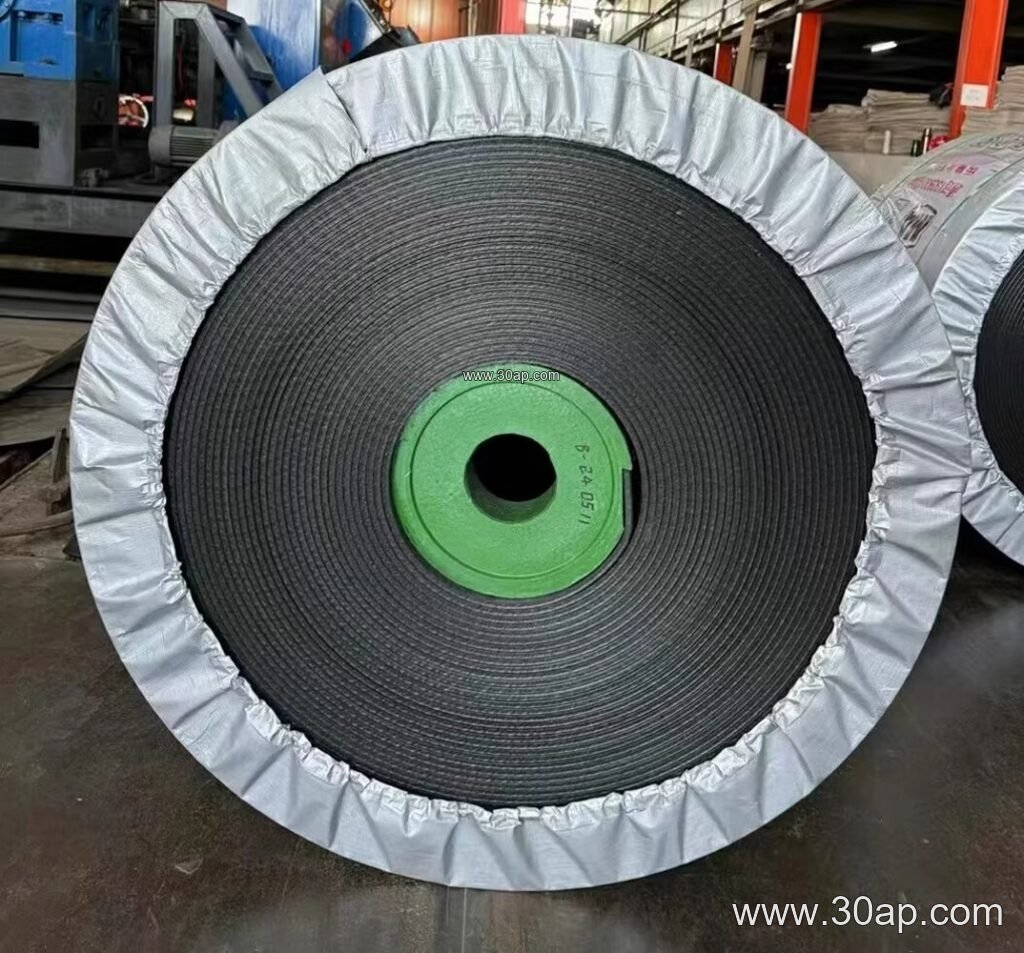
Cover compound selection is as important as the carcass. Options include Abrasion Resistant Conveyor Belt covers for sand, gravel, and crushed rock; Heat Resistant Conveyor Belt covers for cement clinker and sinter; Oil Resistant Conveyor Belt covers for recycled materials and certain ores; and Flame Retardant Conveyor Belt or Fire Resistant Conveyor Belt grades for coal handling and enclosed galleries. Antistatic properties are often specified alongside flame resistance for underground mining service.
Where It Fits in the Plant
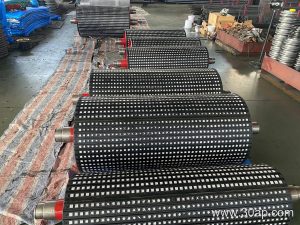
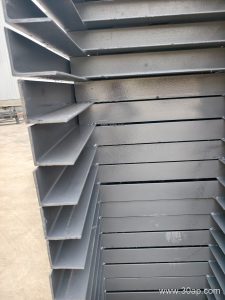
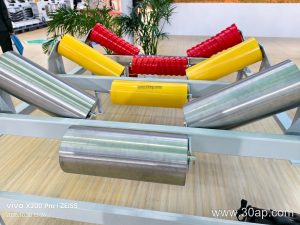
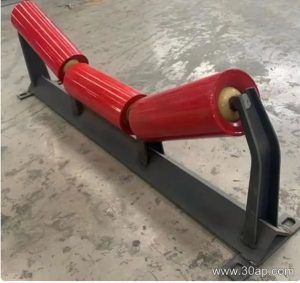
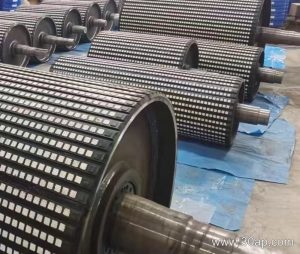
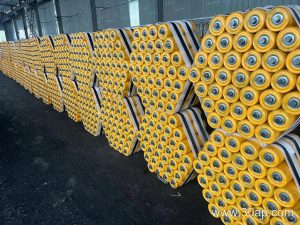
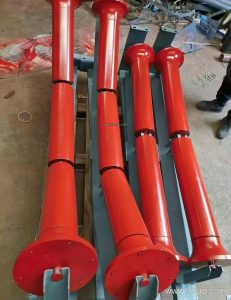
Typical duty points for the EP1000 include mine portal conveyors, coal preparation plant feed lines, cement plant raw mill and clinker transport, power plant coal yards, quarry primary and secondary discharge belts, and port or ship loading systems. In these settings, the belt runs over idler roller sets, wraps the drive and tail pulleys, and is supported by a steel conveyor bracket structure. The drive pulley, tail pulley, and bend pulleys are distinct components and should not be confused with one another.
For comparison, a Steel Cord Conveyor Belt such as ST1000 or ST1250 may be selected for very long single-flight conveyors where minimal elongation is critical. An NN Conveyor Belt or Multi-Ply Fabric Core Conveyor Belt in a lower strength class may suit shorter, lighter-duty lines. The EP1000 remains a middle-to-heavy option within the fabric core family.
Common Reference Dimensions
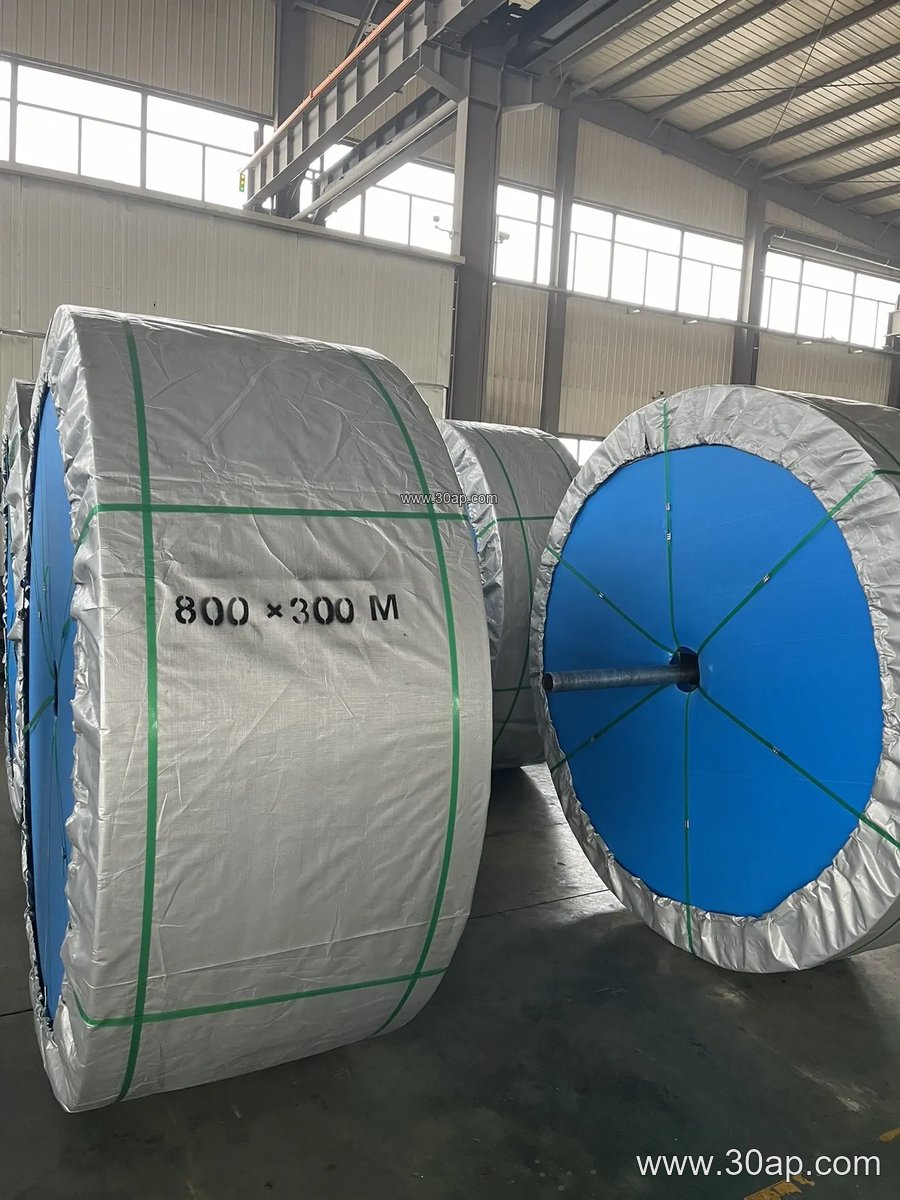
Belt width and strength class are selected together with the conveyor design. The following values are reference examples only and are not universal pairings.
| Parameter | Reference Examples |
|---|---|
| Strength class | EP1000 |
| Belt width | 800 mm, 1000 mm, 1200 mm, 1400 mm, 1600 mm, 1800 mm |
| Cover thickness | 4+2 mm, 5+2 mm, 6+2 mm, 8+3 mm |
| Carcass plies | 2 to 6 plies, by design |
| Surface form | Plain, or chevron / corrugated sidewall on request |
A 1200 mm wide EP1000 belt is a common size in aggregate and coal plants, while 1800 mm widths appear in high-capacity port and mine applications. The pulley diameter, shaft size, and idler spacing must be calculated from the actual belt tension and load, not from belt width alone.
Buyer Checklist
- Confirm the required tensile grade and whether EP1000 is sufficient or an EP1250 or EP1600 belt is needed.
- Specify cover compound and thickness for the material being carried, including any heat, oil, or flame requirements.
- State belt width, number of plies, and whether an Endless Conveyor Belt splice or mechanical joint is preferred.
- Check pulley diameters and idler roller spacing against the belt manufacturer’s recommendations.
- Verify that the conveyor bracket and pulley alignment allow proper tracking before installation.
- Ask for the manufacturer’s data sheet for the exact EP1000 construction offered, since cover grades and ply counts vary between suppliers.
Proper storage, controlled splicing, and routine inspection of covers and edges extend service life. When the belt is matched to the duty and maintained correctly, the EP1000 provides a reliable balance of strength, flexibility, and cost for heavy bulk material handling in mining, cement, power, and quarry operations.