What a Cement Plant Conveyor Belt Has to Handle
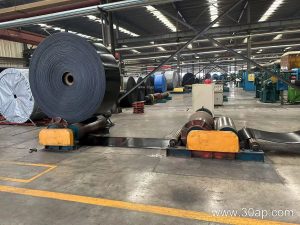
A cement plant moves more than clinker. Limestone, clay, gypsum, crushed rock, coal, and hot clinker all pass through different stages of the line, and each stream puts its own demand on the belt. A cement plant conveyor belt is therefore rarely a single specification across the whole site. The conveyor from the quarry crusher may need high impact resistance and wide covers, while the belt feeding the kiln or handling clinker needs heat resistance, and the coal yard belt usually calls for flame retardant construction. Understanding these duty differences is the first step in specifying correctly.
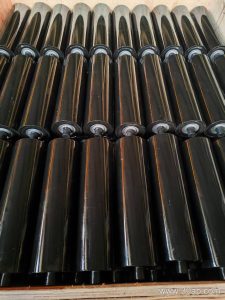
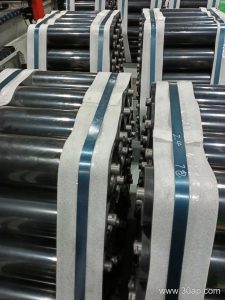
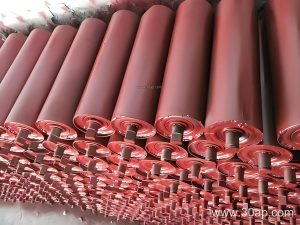
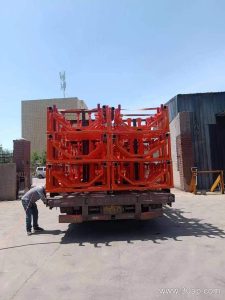
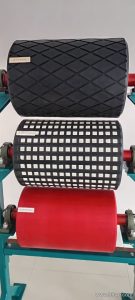
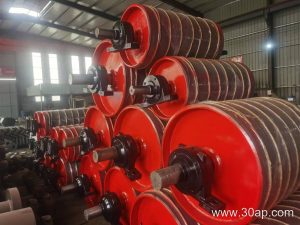
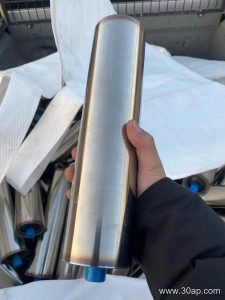
In practice, the belt works together with the idler roller, conveyor pulley, and conveyor bracket on each conveyor. The belt carries the load, the idlers support it, and the pulleys drive and redirect it. None of these parts should be treated as interchangeable with another, and a belt that suits one conveyor may be wrong for the next.
Construction of the Belt
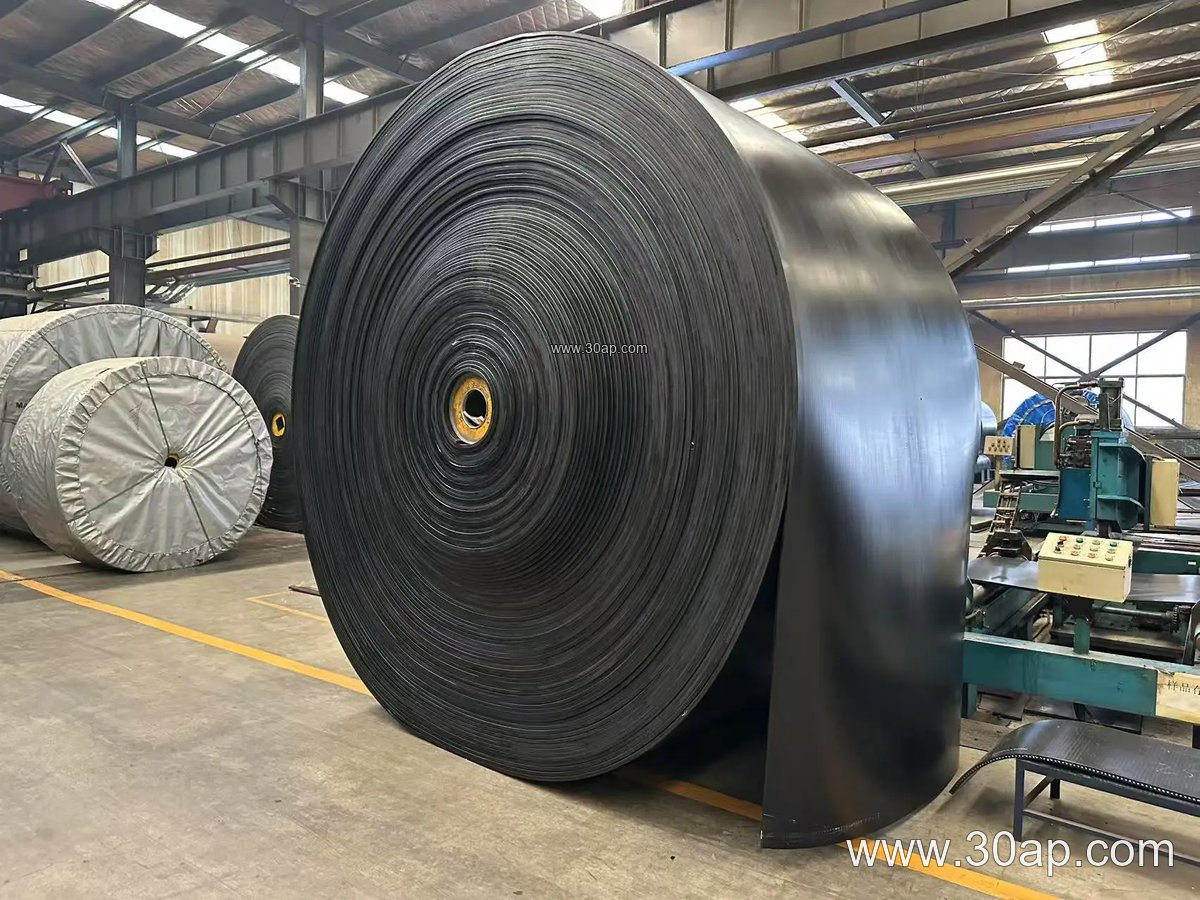
Most belts in cement service use a fabric core or a steel cord core. Fabric core belts are built from multiple plies of EP or NN fabric, protected by top and bottom rubber covers. Steel cord belts use a single layer of steel cables and are chosen for long center distances and high tension. The cover compound determines how the belt behaves against abrasion, heat, oil, and fire.
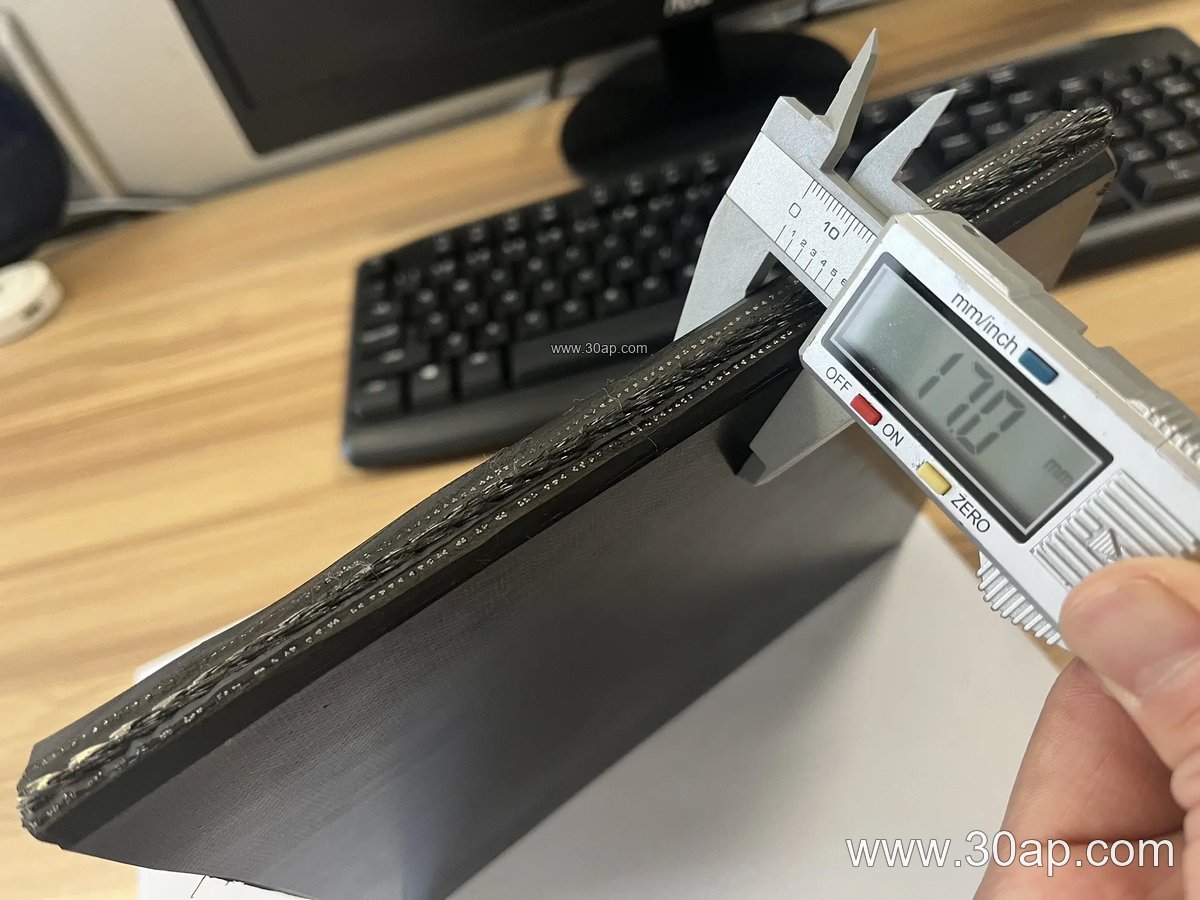
Common cover thickness combinations include 3+1.5 mm, 4+2 mm, 5+2 mm, 6+2 mm, and 8+3 mm. Fabric cores usually run from 2 to 6 plies. These are typical reference values, and the final construction is confirmed by the conveyor design rather than by habit.
Typical strength grades for cement duty
| Core type | Common grades | Typical use |
|---|---|---|
| EP fabric | EP200, EP315, EP400, EP500, EP630, EP800, EP1000 | Clinker, limestone, gypsum, general plant conveying |
| NN fabric | NN100, NN200, NN300, NN400 | Medium-duty bulk streams |
| Steel cord | ST1000, ST1250, ST1600, ST2000 | Long overland and high-tension routes |
Belt widths in plant layouts
| Width | Typical application note |
|---|---|
| B500, B650, B800 | Small transfer and additive lines |
| B1000, B1200 | Main clinker and raw meal routes |
| B1400, B1600 | High-capacity crusher discharge |
| B1800, B2000 | Wide trunk conveyors, quarry to plant |
Width and pulley diameter are matched through the conveyor design, not by a fixed rule. A wider belt does not automatically dictate one shaft size, and a single width can work with several pulley diameters depending on tension and wrap angle.
Matching the Cover to the Duty
The cover is where most cement plant failures begin. Clinker is hot, sharp, and abrasive, so a heat resistant conveyor belt with a sturdy abrasion resistant cover is often appropriate. Limestone and crushed rock favor a high abrasion resistant grade. Coal handling in a cement plant usually requires a flame retardant conveyor belt, and in some cases an anti-static conveyor belt as well. Oil resistant and acid resistant covers appear where lubricants or chemical exposure are present, while cold resistant grades matter in outdoor yards during winter.
For steep inclines, a chevron conveyor belt or a corrugated sidewall belt can prevent material rollback. Enclosed routes may justify a pipe conveyor belt, and a skirted conveyor belt helps contain dust at transfer points. These are alternatives for specific sections, not replacements for the main belt on the line.
What Buyers Should Confirm
- Material type, lump size, temperature, and moisture for each conveyor section.
- Required strength grade, cover thickness, and ply count from the conveyor design.
- Fire and anti-static requirements for coal and dust-prone areas.
- Belt width and splice method, including whether an endless conveyor belt is preferred.
- Compatibility with existing idler roller spacing, conveyor pulley diameters, and conveyor bracket positions.
Ask for the cover compound and core specification in writing, and confirm how the belt will be spliced on site. A correct cement plant conveyor belt is the one that matches its conveyor, its material, and its environment, section by section.