What a Conveyor Bracket Assembly Does
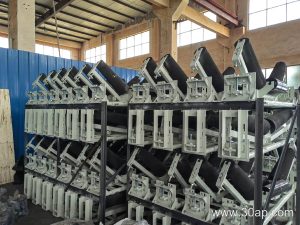
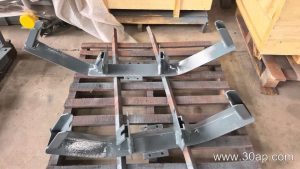
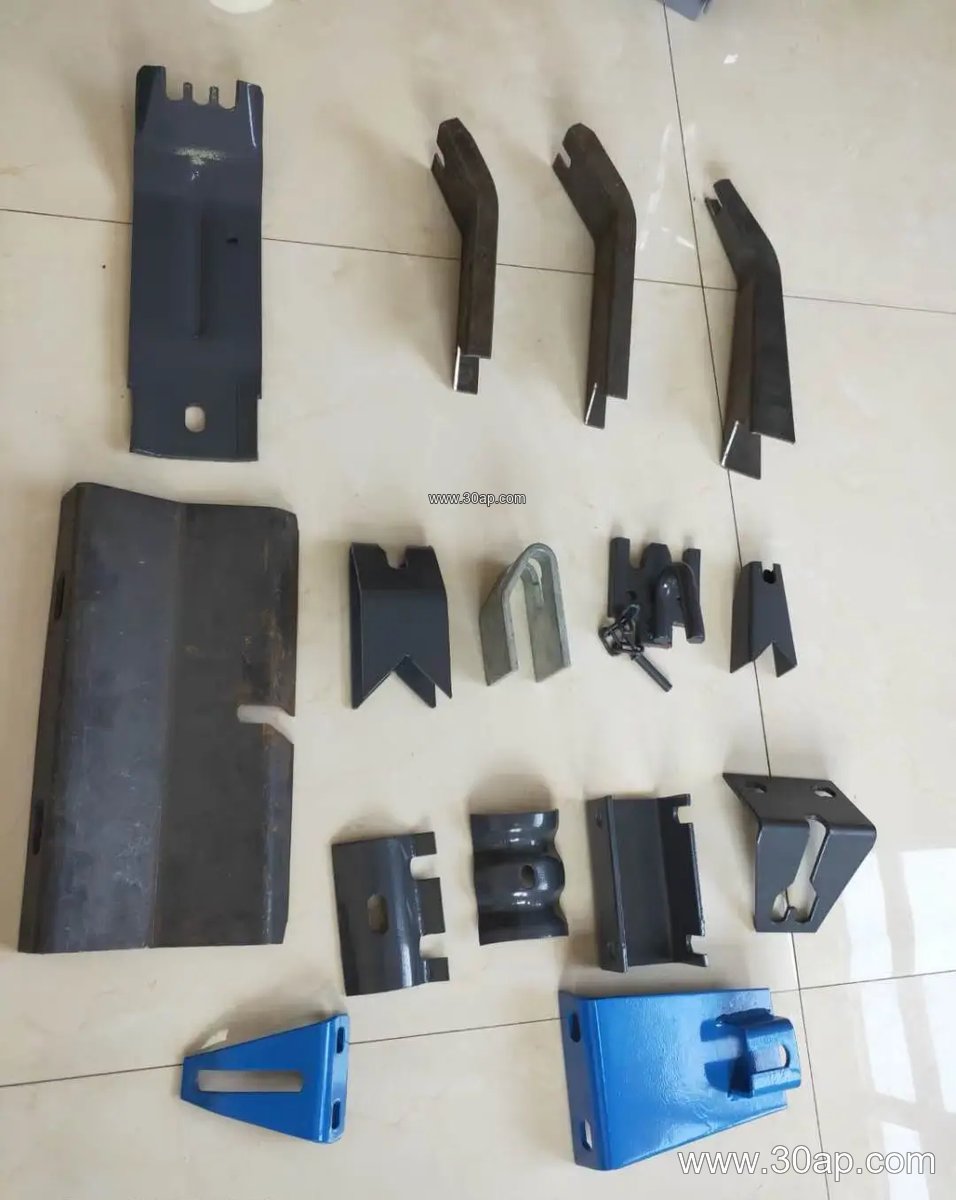
A conveyor bracket assembly is the steel structure that holds the idlers in the right position under the belt. It is not a single part but a small system: a cross beam, mounting plates or angles, and the fixing points that carry one or more idler rollers at a set trough angle. In a quarry, a coal washing plant, or a power plant coal yard, the bracket is what keeps the belt profile steady from the loading point to the head end. Without a properly built bracket, even a good conveyor pulley and a well-spliced belt will run unevenly.
The assembly is usually made from angle steel, channel steel, or folded steel plate. It is bolted to the conveyor frame, and the idlers sit in slots or cradles on the bracket. The choice of material and thickness follows the load, the belt width, and the environment rather than a single fixed rule.
How the Assembly Is Built
A typical bracket has three working zones. The centre section supports the middle idler, and the two side wings hold the inclined idlers that form the trough. On a return side, a simpler flat or V-shaped bracket carries the return idlers. Holes and slots are positioned so the idler shaft can be adjusted or locked.
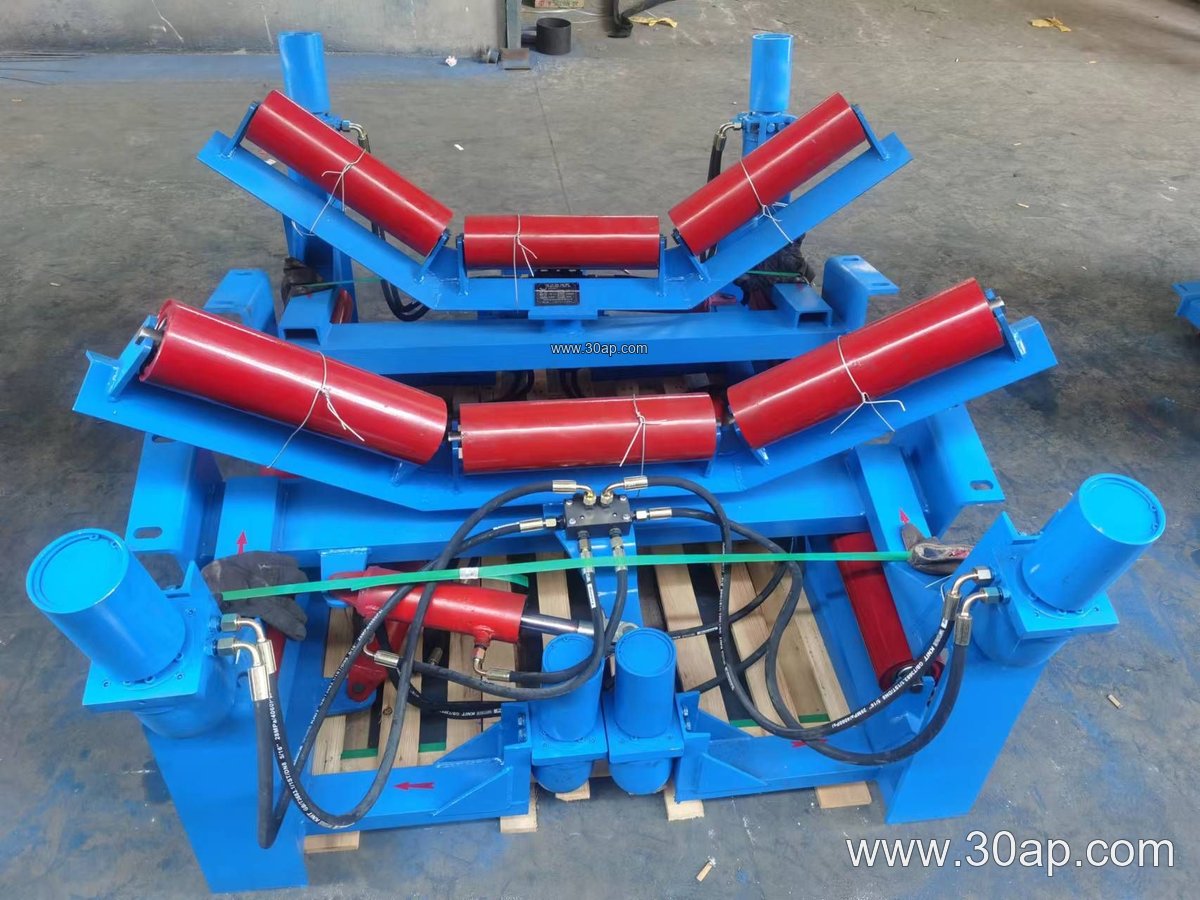
- Cross beam with welded or bolted end plates
- Troughing wings set at 20, 30, 35, or 45 degrees
- Mounting slots for Ø89, Ø108, Ø133, Ø159, or Ø194 idlers
- Optional self-aligning or impact-absorbing attachments
Fixing hole spacing and beam length change with belt width and trough angle, so they are always confirmed against the drawing rather than assumed.
Common Configurations and Reference Sizes
Brackets are usually described by belt width, trough angle, and idler diameter. The table below shows typical reference combinations, not fixed supply rules.
| Belt Width | Typical Trough Angle | Common Idler Diameter | Typical Use |
|---|---|---|---|
| B500 | 20° or 30° | Ø89 | Small aggregate and sand lines |
| B650 | 30° | Ø89 or Ø108 | Crushing and screening circuits |
| B800 | 35° | Ø108 | Coal washing and cement plants |
| B1000 | 35° or 45° | Ø108 or Ø133 | Power plant coal handling |
| B1200 | 45° | Ø133 | Iron ore and heavy bulk flow |
| B1400 to B1600 | 35° or 45° | Ø133 or Ø159 | Ports and large stockyards |
| B1800 to B2000 | 35° or 45° | Ø159 or Ø194 | High-capacity main lines |
Adjustable brackets allow the trough angle to be changed within a range, which is useful when a line handles different materials. Fixed brackets are simpler and stiffer, and they suit lines where the belt profile never changes. Forward-leaning brackets, usually about 1.5 to 2 degrees, help keep the belt centred on long runs.
Where It Fits in the Line
In a limestone mine or a cement plant, the assembly appears at the head, tail, and bend sections of the conveyor. At the tail, a buffer bracket with impact idlers absorbs the drop from the crusher. Along the carrying run, troughing brackets hold the belt in its cup shape. On the return run, flat or V-return brackets support the empty belt. In a tunnel spoil line or a fertiliser warehouse, the same idea applies with different widths and surface protection.
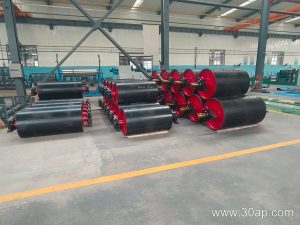
The bracket works together with the belt and the rollers. A heavy-duty mining conveyor belt needs brackets that can take the load without flexing, while a lighter fabric core conveyor belt can run on a simpler frame. The conveyor pulley at the drive end sets the tension, and the bracket keeps the belt tracking so that tension is used efficiently.
Buyer Checklist
- Confirm belt width and the required trough angle before ordering.
- Match idler diameter to the bracket cradle and shaft size.
- Check material and finish for wet, dusty, or corrosive sites.
- Ask for the hole spacing and beam length drawing, not just a photo.
- Decide between fixed and adjustable brackets based on how often the profile changes.
For a reliable line, treat the conveyor bracket as part of a system with the idler roller, the conveyor pulley, and the belt. A well-chosen assembly reduces belt wander, extends roller life, and keeps the whole conveyor steady in demanding sites such as an iron ore yard or a busy port terminal.