What an Anti-Misalignment Idler Does
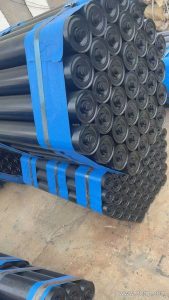
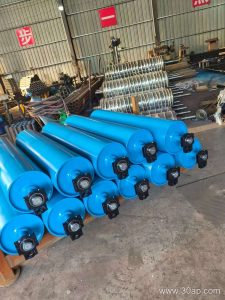
An anti-misalignment idler is a self-correcting carrying or return roller designed to bring a drifting conveyor belt back toward the centerline. Instead of relying only on a fixed frame, this idler roller is mounted so that it can pivot slightly, and the friction between belt and roller creates a steering effect. In a quarry, a coal washing plant or a cement clinker line, a belt that wanders off track can spill material and damage the edge, so a self-aligning idler is often fitted at points where misalignment is likely.
The same component is also called a self-aligning idler or self-tracking idler; these names describe the same product, and the subtype qualifier stays with it. Drive pulleys, tail pulleys and bend pulleys are separate assemblies and are not interchangeable with this idler.
Construction and Working Principle
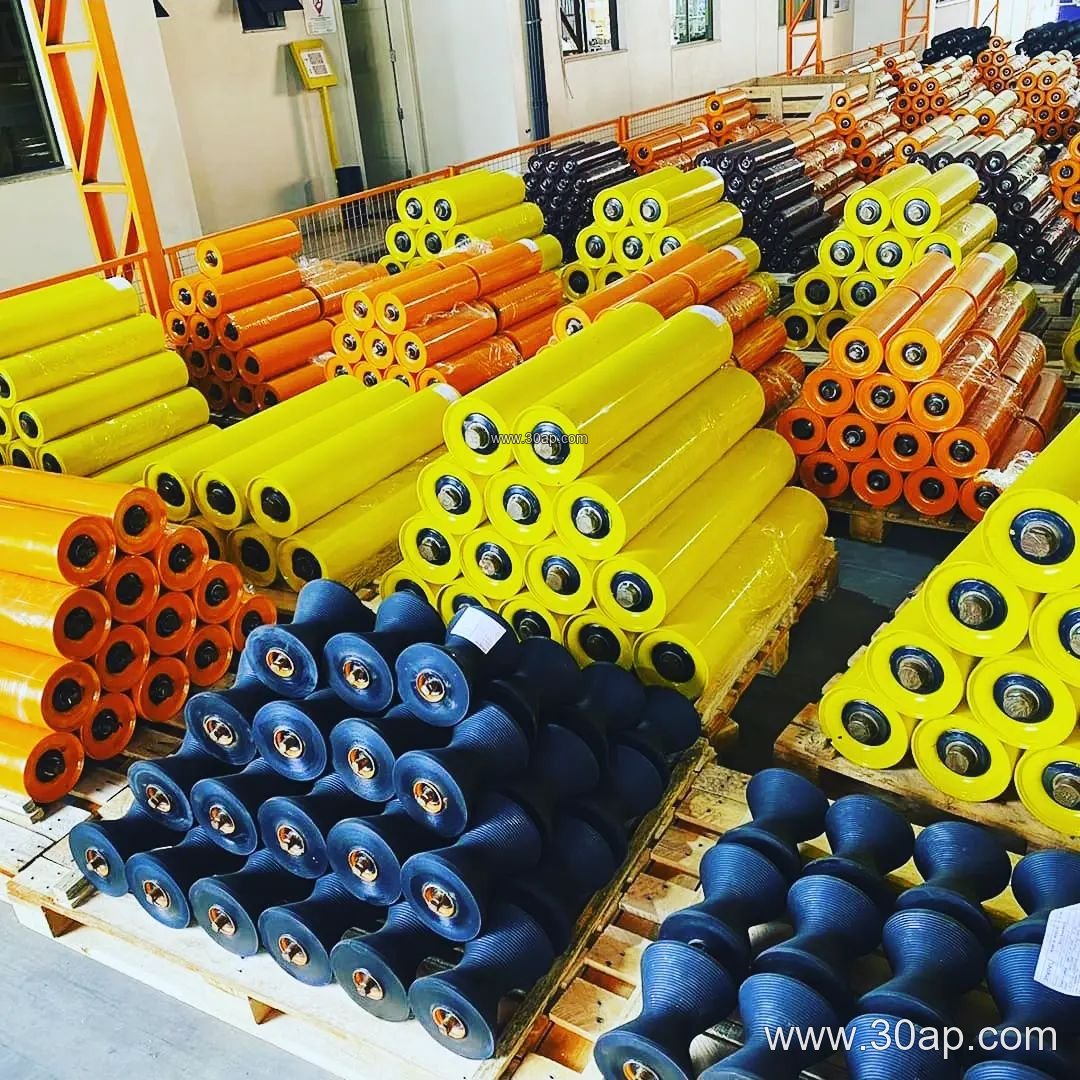
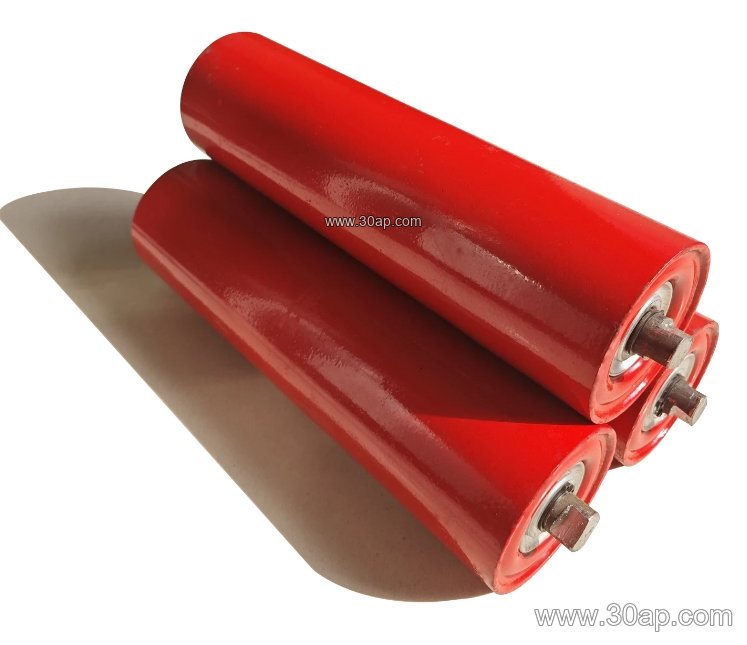
A typical anti-misalignment idler uses a pair of rollers, often conical or tilted, mounted on a swivel base or a central pivot. When the belt contacts one side harder, the roller assembly rotates a little and steers the belt back. Some designs add a small forward lead of about 1.5 to 2 degrees on the roller axis to improve response. Roller surfaces may be steel tube, nylon, ceramic or rubber-covered, depending on whether the site needs extra grip or wear protection.
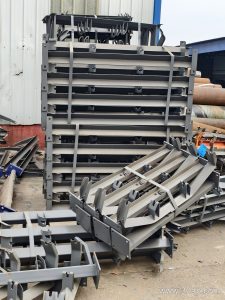
- Pivot or swivel frame that allows small steering movement
- Two rollers, sometimes with tapered ends for gradual correction
- Sealed bearing housings, commonly 6204, 6205, 6305, 6306, 6308 or 6310
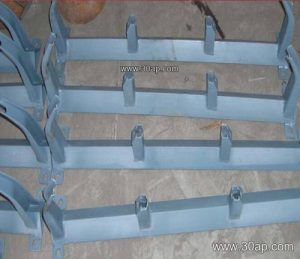
- Mounting brackets that fit the conveyor bracket spacing
Bearing size is matched to load and roller diameter, not to belt width alone. A Ø89 roller and a Ø133 roller can both use a 6305 bearing in different designs, so the buyer should confirm the drawing rather than assume a fixed pairing.
Where It Fits on the Conveyor
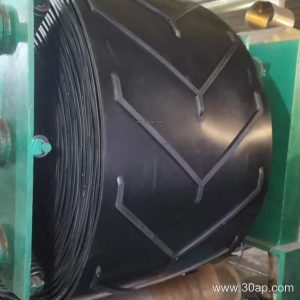
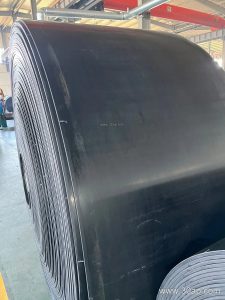
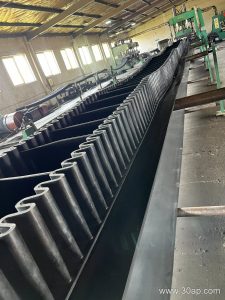
These idlers are usually placed on the carrying side near the loading point and along long straight runs, and on the return side where the belt tends to creep sideways. In a power plant coal yard or a limestone crushing line, a self-aligning return idler can protect the belt from edge rubbing against the frame. On a steel cord conveyor belt running at high tension, correction should be gentle, so the pivot angle and roller profile matter more than brute force.
For comparison, a buffer idler at the impact zone absorbs falling material, while an anti-misalignment idler corrects tracking; the two jobs are different and one does not replace the other.
Common Sizes and Configuration Reference
Roller diameter and belt width are selected together with the conveyor design. The values below are common reference examples, not fixed supply promises.
| Reference item | Common examples |
|---|---|
| Roller diameter | Ø63, Ø76, Ø89, Ø102, Ø108, Ø127, Ø133, Ø159, Ø178, Ø194, Ø219 |
| Belt width | B400, B500, B650, B800, B1000, B1200, B1400, B1600, B1800, B2000, B2200, B2400 |
| Trough angle | 20°, 30°, 35°, 45° |
| Roller surface | Steel tube, nylon, ceramic, rubber ring |
| Bearing | 6204, 6205, 6305, 6306, 6308, 6310 |
Roller length changes with belt width, trough angle and idler frame type. For a three-roll troughing set, common side-roller lengths are roughly 200 mm at B500, 250 mm at B650, 315 mm at B800, 380 mm at B1000, 465 mm at B1200, 530 mm at B1400, 600 mm at B1600, 670 mm at B1800 and 750 mm at B2000. These are examples only; center rollers and side rollers can differ, and the final length is set by the design.
Buyer Checklist
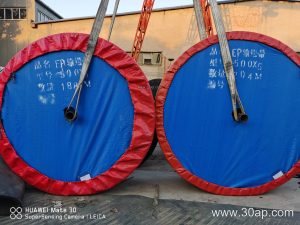
Before ordering, confirm the belt width, the trough angle, the roller diameter and the mounting bracket dimensions. Check whether the idler is for the carrying side or the return side, and whether the belt is an EP conveyor belt, a steel cord conveyor belt or a flame retardant conveyor belt, because tension and stiffness affect how much correction the idler should apply. Ask for the bearing number and the sealing arrangement, since dust in a sand and gravel plant or moisture in a wash plant can shorten service life.
For high-abrasion duty, a rubber-covered or ceramic roller surface may last longer. For a food or clean material line, a smooth steel or nylon surface is easier to keep clean. Always match the anti-misalignment idler to the actual frame, and do not treat a drive pulley or tail pulley specification as a substitute.
Installation and Maintenance Notes
Mount the idler square to the belt centerline and allow the pivot to move freely. Keep the roller surface clean, and check that the belt is not overloaded on one side. Inspect bearings for noise or heat at regular intervals, and replace a worn roller before the belt edge is damaged. A correctly set anti-misalignment idler reduces edge wear and spillage without needing constant manual adjustment.