Understanding the Belt Conveyor Rubber Lagged Pulley
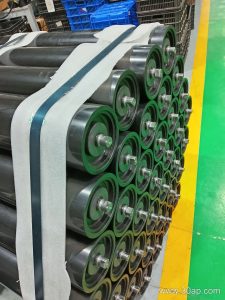
The belt conveyor rubber lagged pulley is a key component in bulk material handling systems, designed to improve traction and protect the conveyor belt. This pulley, often simply called a lagged pulley, features a rubber coating applied to its cylindrical surface. The lagging serves multiple purposes: it increases friction between the pulley and the belt, reduces slip, and helps to shed material that might otherwise build up. In industries such as mining, cement production, and power generation, where conveyor belts transport heavy and abrasive materials, the rubber lagged pulley is a reliable choice for drive, tail, and bend applications.
As a critical part of a conveyor pulley assembly, the rubber lagged pulley works in conjunction with conveyor belt systems and idler roller components to ensure smooth operation. Whether in a quarry, coal mine, or aggregate plant, selecting the right pulley is essential for minimizing downtime and extending belt life.
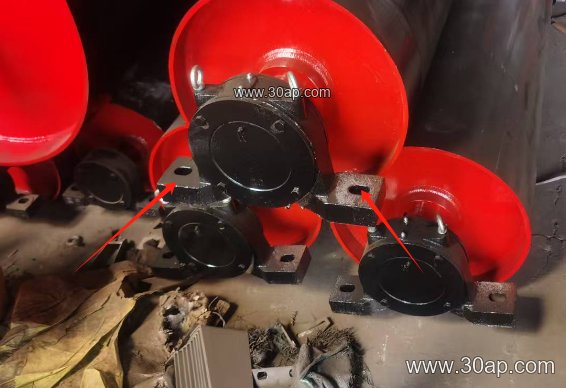
Construction and Surface Options
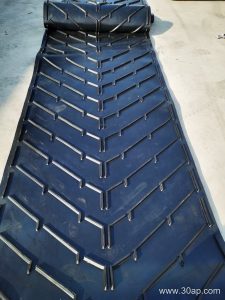
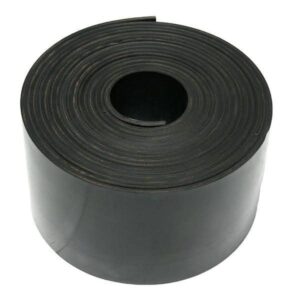
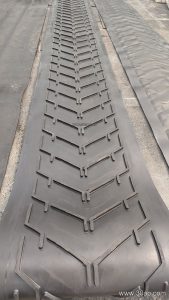
A typical belt conveyor rubber lagged pulley consists of a steel drum, shaft, and bearing housings, with a rubber layer bonded to the drum surface. The rubber can be applied through hot vulcanization, cold bonding, or casting, each offering different levels of durability. Common lagging thicknesses include 8 mm, 10 mm, 12 mm, 15 mm, and 20 mm, chosen based on the application’s demands. Surface patterns vary: plain rubber provides uniform grip, diamond lagging enhances traction in wet conditions, and herringbone lagging offers excellent self-cleaning properties. For extremely abrasive environments, ceramic lagging may be used, but rubber remains the standard for most conveyor systems.
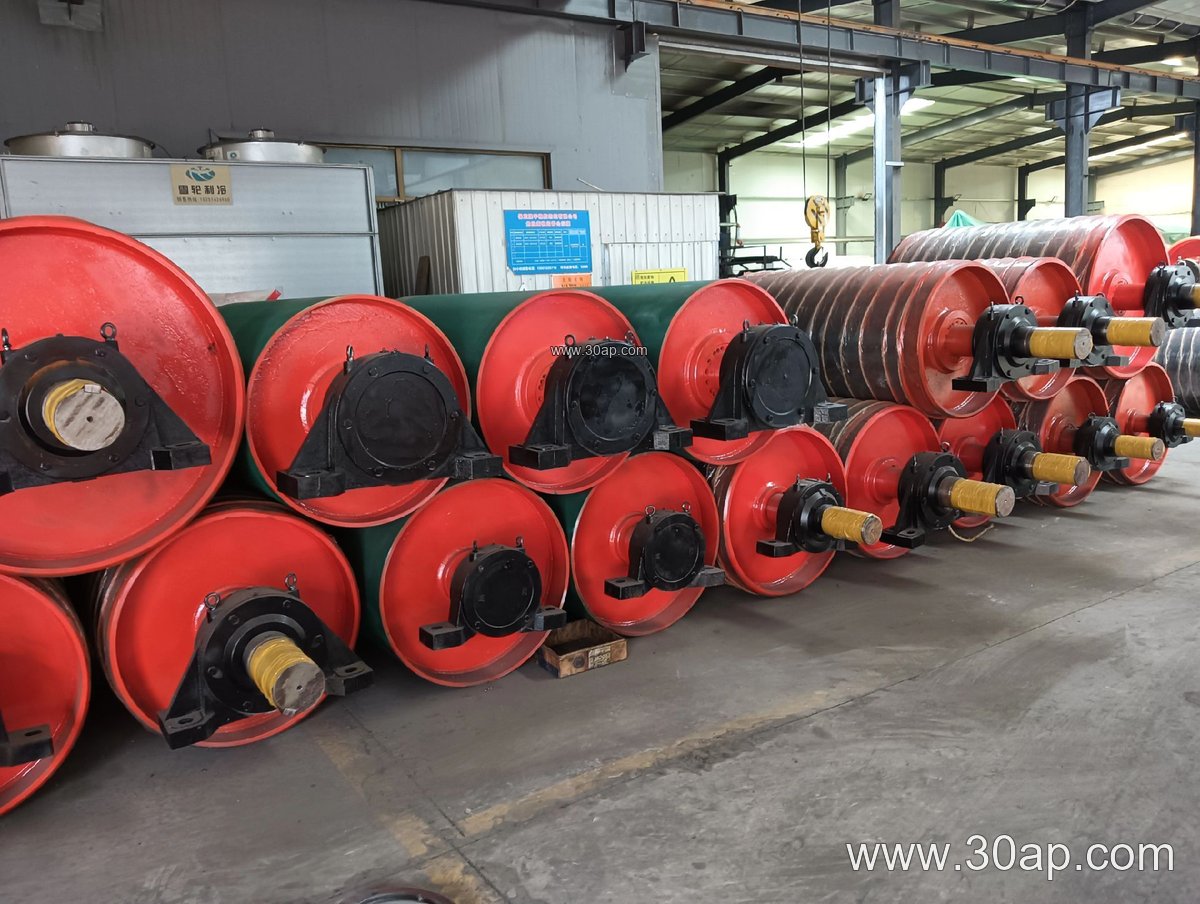
The pulley diameter and face width are matched to the belt width and system requirements. For instance, a B800 belt might use a pulley with a face width of approximately 950 mm, while a B1200 belt could pair with a 1400 mm face width. Diameters commonly range from Ø200 to Ø1800, and shaft diameters from Ø50 to Ø200, determined by torque and load calculations. It’s important to note that there is no fixed rule linking belt width to a single pulley diameter; design considerations dictate the final dimensions.
Where It Fits in the Conveyor System
Rubber lagged pulleys are employed in various positions along the conveyor. Drive pulleys, which transmit power to the belt, benefit significantly from lagging to prevent slippage under high loads. Tail pulleys, located at the loading end, often use lagging to protect the belt and reduce wear. Bend pulleys, used to change the belt direction or increase wrap angle, also gain from the added grip. In coal mining operations, for example, the coal mining conveyor belt relies on lagged drive pulleys to handle the demanding conditions. Similarly, in cement plants, the cement conveyor belt system uses these pulleys to maintain consistent tension and alignment.
While drive, tail, and bend pulleys serve distinct functions, they all contribute to the overall efficiency of the conveyor. The rubber lagging not only improves traction but also acts as a protective barrier, reducing the risk of belt damage from debris or misalignment.
Key Considerations for Buyers
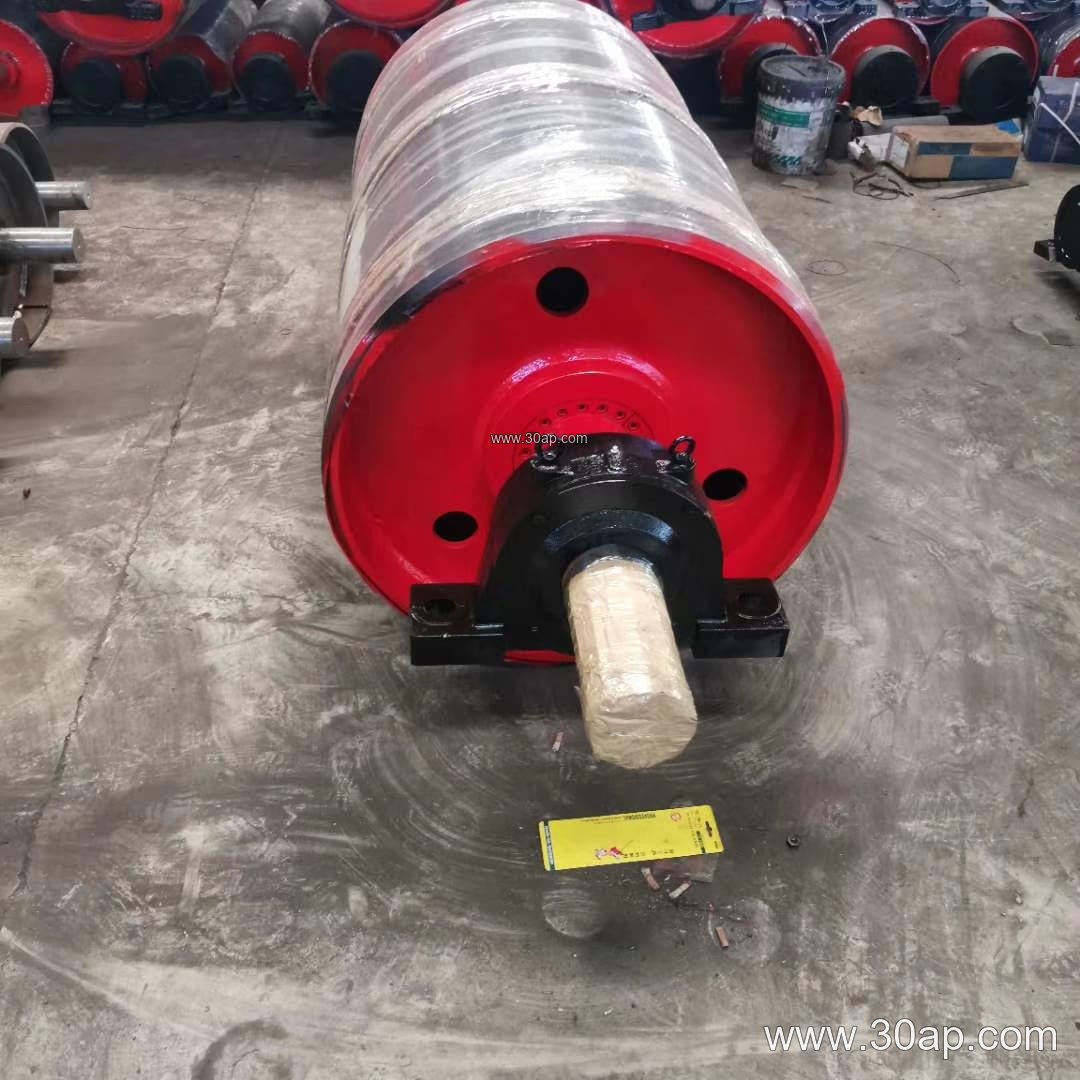
When specifying a belt conveyor rubber lagged pulley, buyers should evaluate several factors to ensure optimal performance. First, determine the pulley’s role: drive, tail, or bend. Drive pulleys typically require higher friction and thicker lagging, while tail pulleys may prioritize wear resistance. Second, consider the environmental conditions: in wet or muddy environments, diamond or herringbone lagging can improve grip and self-cleaning. Third, match the pulley dimensions to the belt width and system tension. For example, a B650 belt might use a pulley with a 750 mm face width, but the diameter should be selected based on the required torque and belt speed.
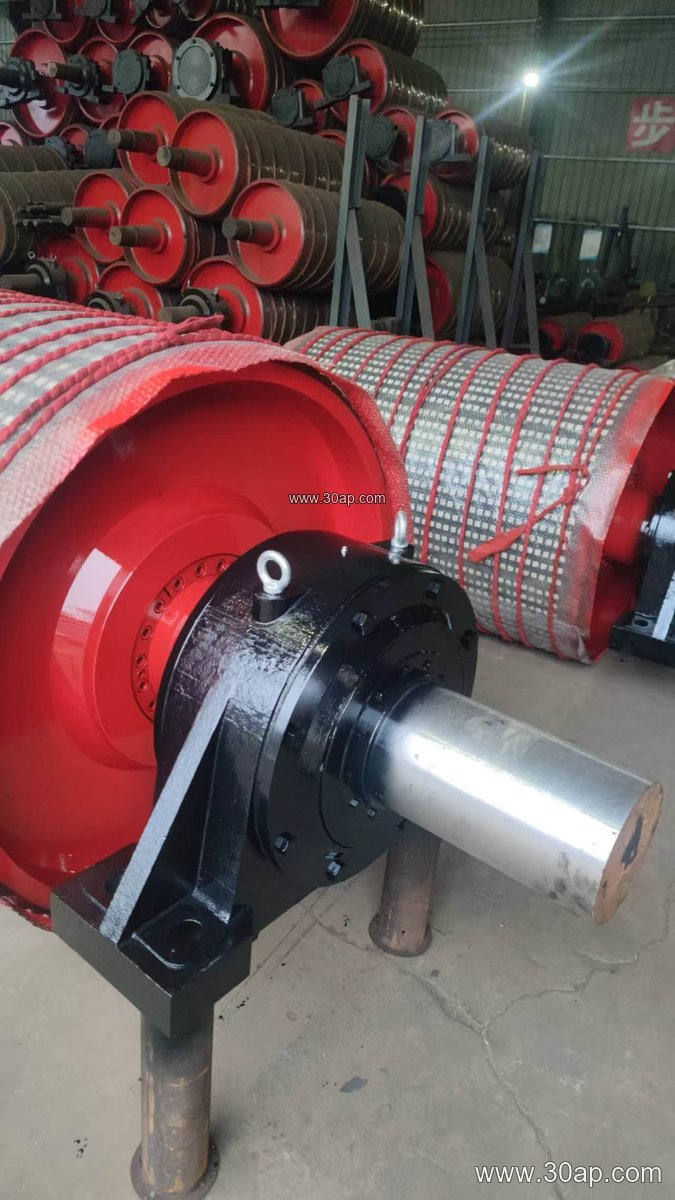
Additionally, the shaft diameter must be calculated from the actual load and torque, not simply derived from belt width. Common shaft sizes include Ø80, Ø100, and Ø120, but these are indicative and should be confirmed through engineering analysis. Finally, consider the lagging material and bonding method: hot vulcanized rubber generally offers superior adhesion and longevity, while cold bonding may be suitable for less demanding applications. For harsh environments like iron ore mines, an abrasion resistant conveyor belt paired with a quality lagged pulley can significantly extend service life.
Maintenance and Longevity
Proper maintenance of the rubber lagged pulley is essential to avoid premature failure. Regularly inspect the lagging for wear, cuts, or separation from the drum. In high-abrasion areas, such as aggregate plants, the lagging may wear faster and require re-coating. Keep the pulley clean and ensure that the belt tracking is correct to prevent uneven wear. Lubricate bearings according to the manufacturer’s schedule, and check for any signs of misalignment or vibration. By addressing these points, operators can maximize the pulley’s service life and maintain efficient conveyor operation.
In summary, the belt conveyor rubber lagged pulley is a vital component that enhances grip, protects the belt, and ensures reliable material transport across various industries. From mining to power plants, choosing the right pulley with appropriate lagging and dimensions is key to a productive and safe conveyor system.