What a 6205 Bearing Idler Is
A 6205 bearing idler is a conveyor idler roller built around a single-row deep groove ball bearing with a 25 mm bore. In the trade, the same product is often called a 6205 bearing conveyor roller or a 6205 bearing carrying idler, and these names all refer to one item rather than different components. The bearing sits inside a sealed housing at each end of the roller shell, letting the tube spin freely while the shaft stays fixed in a conveyor bracket.
The 6205 is a common choice in light to medium duty idlers because its bore suits a 25 mm shaft and it runs at belt speeds found in many bulk handling lines. It is not tied to one roller diameter, and it should be selected together with the roller size, load, and environment rather than in isolation.
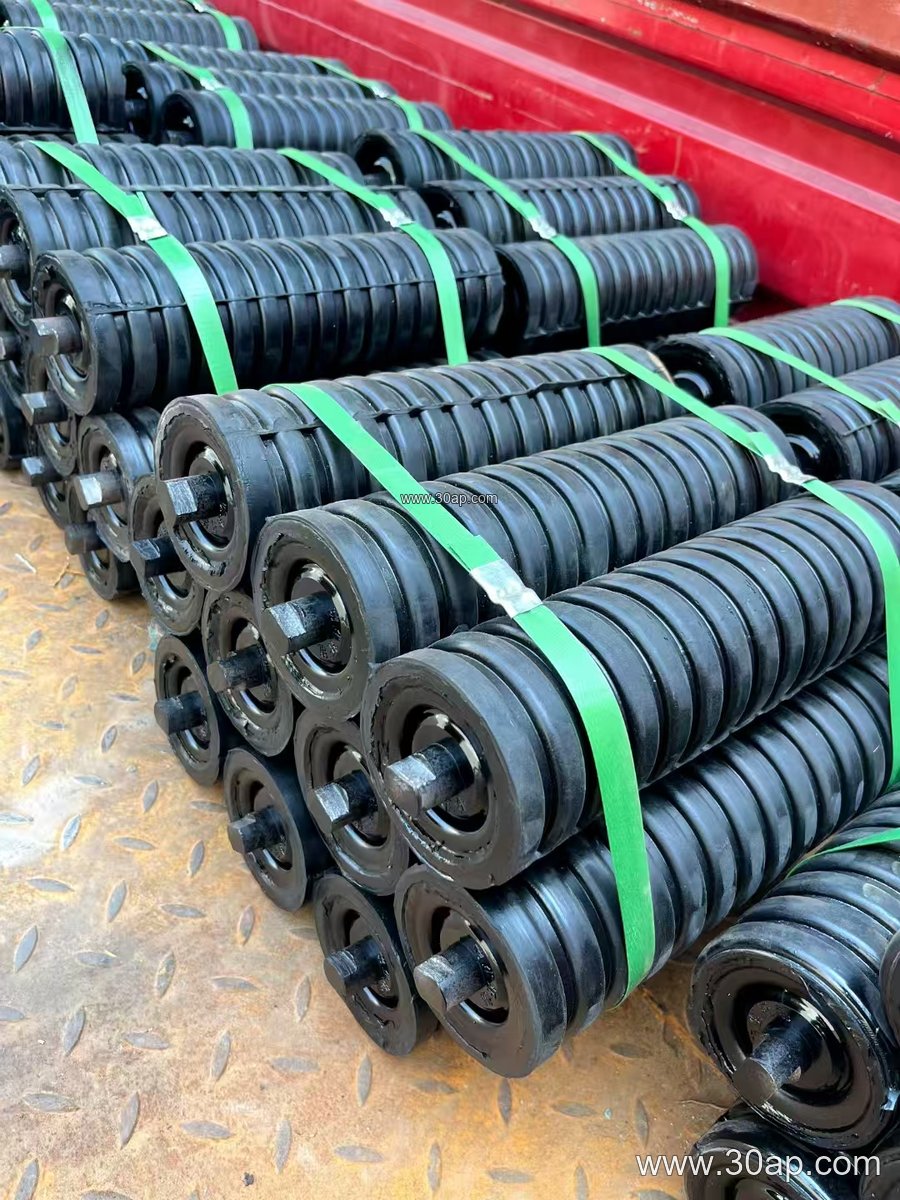
How the Idler Is Built
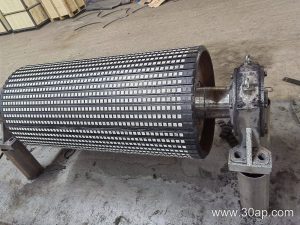
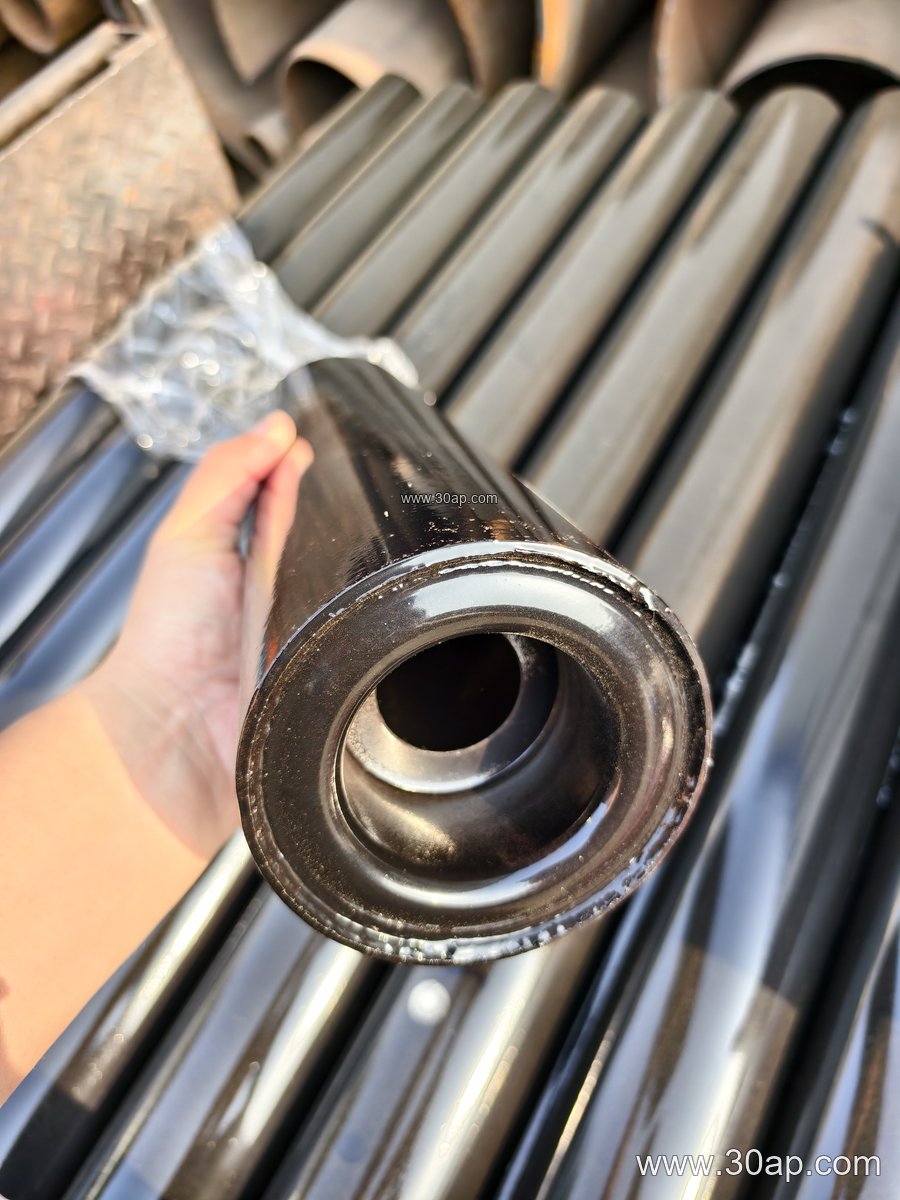
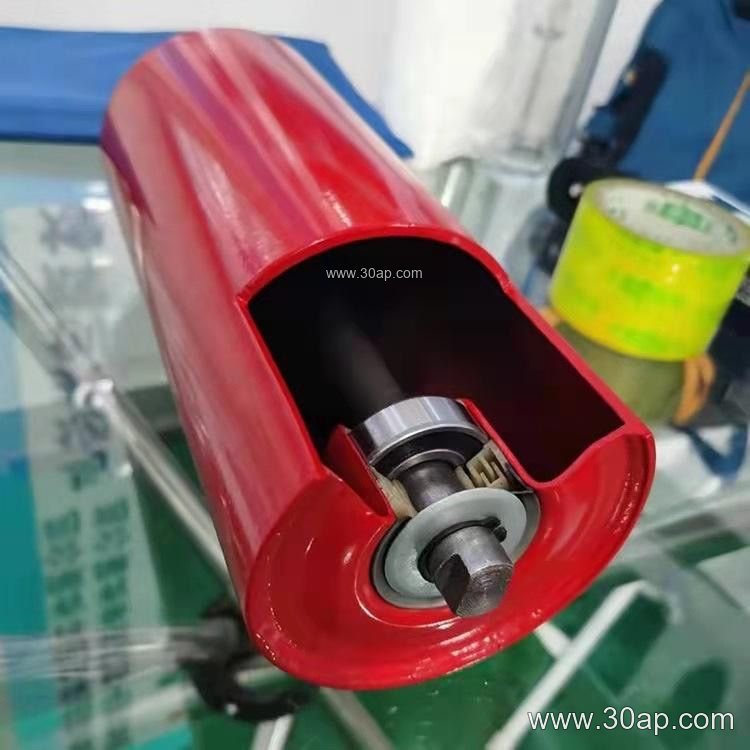
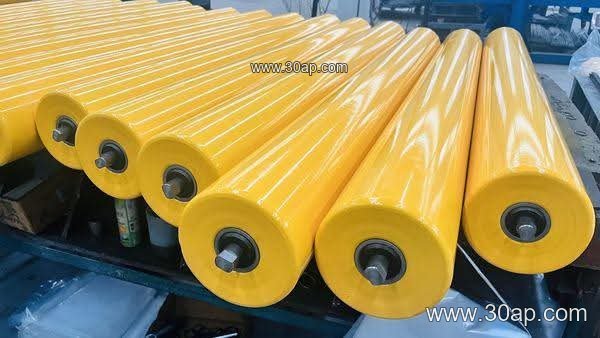
Construction usually starts with a steel tube shell, machined at both ends to take pressed bearing housings. Inside each housing goes the 6205 bearing, a labyrinth or lip seal, and grease. A through shaft or stub shafts connect the roller to the frame. Shell surfaces vary to suit the material: plain steel for general service, rubber rings for impact zones, nylon for sticky fines, and ceramic lagging where wear is severe.
Sealing quality matters as much as bearing size. Dust from a crusher line or moisture in a wash box will shorten life if the seal lets grit reach the balls. Look for a multi-stage seal, adequate grease fill, and a housing that keeps the bearing square to the shaft.
Where It Fits on the Conveyor
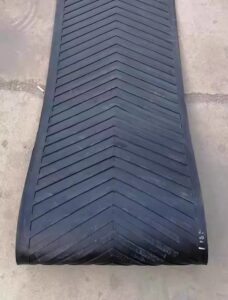
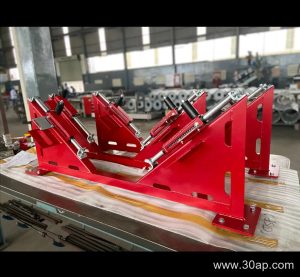
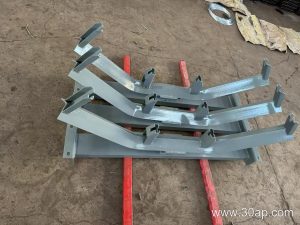
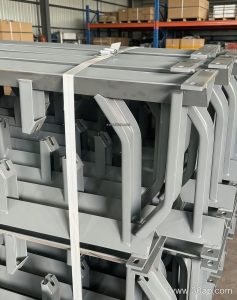
Idlers with this bearing appear along the carrying and return runs of a conveyor. In a three-roll troughing set, the side rolls and centre roll may share the same bearing size when the shaft and load allow. On a wide conveyor belt carrying aggregate or ore, idler spacing and roll diameter are set by the belt sag and load, not by the bearing alone.
Typical settings include a quarry or sand and gravel line feeding a screen, a cement plant clinker transfer, a power plant coal yard, and a crushing circuit where fines and dust are constant. In a tunnel or underground mine, flame and antistatic requirements for the belt and components become part of the selection.
Common Dimensions to Review
Values below are typical references for discussion with a supplier; final dimensions follow the conveyor design.
| Item | Common reference |
|---|---|
| Bearing | 6205 deep groove ball bearing, 25 mm bore |
| Roller diameter | Ø89, Ø102, Ø108, Ø127, Ø133 mm |
| Belt width | B500, B650, B800, B1000, B1200 mm |
| Trough angle | 20, 30, 35, 45 degrees |
| Roll length, three-roll set | about 200 mm at B500, 250 mm at B650, 315 mm at B800, 380 mm at B1000, 465 mm at B1200 |
Roll length changes with belt width, trough angle, and the roll position in the set, so a centre roll and a side roll can differ. Do not assume one belt width forces one pulley or roller diameter; the belt and the idler are matched through the full conveyor calculation.
Buyer Checklist
- Confirm shaft diameter and bearing fit before ordering, since a 6205 needs a 25 mm shaft seat.
- State the material being carried, because abrasive ore, wet coal, and hot clinker call for different seals and shells.
- Match the roll surface to the job: rubber rings for impact at a transfer point, plain steel for a clean return run.
- Check that the bracket and frame accept the shaft ends and allow easy replacement.
- Ask how the idler is greased or whether it is sealed for life.
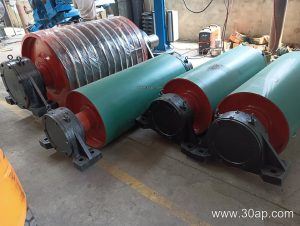
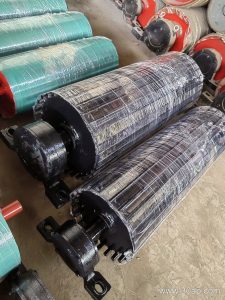
For a related comparison, a bend pulley in the same plant uses a different construction and is not a substitute for an idler; the two serve separate functions on the conveyor.
Maintenance and Selection Notes
Inspect idlers for seized bearings, wobble, or a worn shell. A noisy roller usually means a seal has failed and grit has entered. Replacing a single 6205 bearing idler is quick when the bracket is accessible, but repeated failures at one spot often point to overload, misalignment, or material build-up rather than a poor bearing.
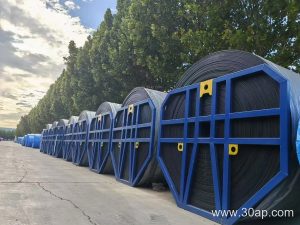
When the belt is a heavy-duty mining conveyor belt or a steel cord conveyor belt, idler loads rise and the bearing choice should follow the calculated load, not habit. For dusty quarry or cement service, sealed housings and regular inspection keep the line running. Buyers should treat the 6205 as one option in a family of idler bearings and confirm bore, load rating, and sealing with the actual conveyor data.