What Is a Drive Lagged Pulley
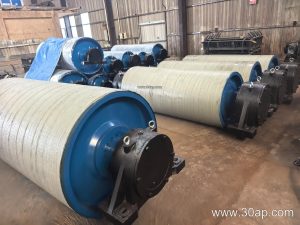
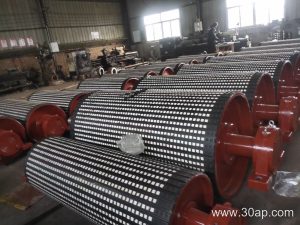
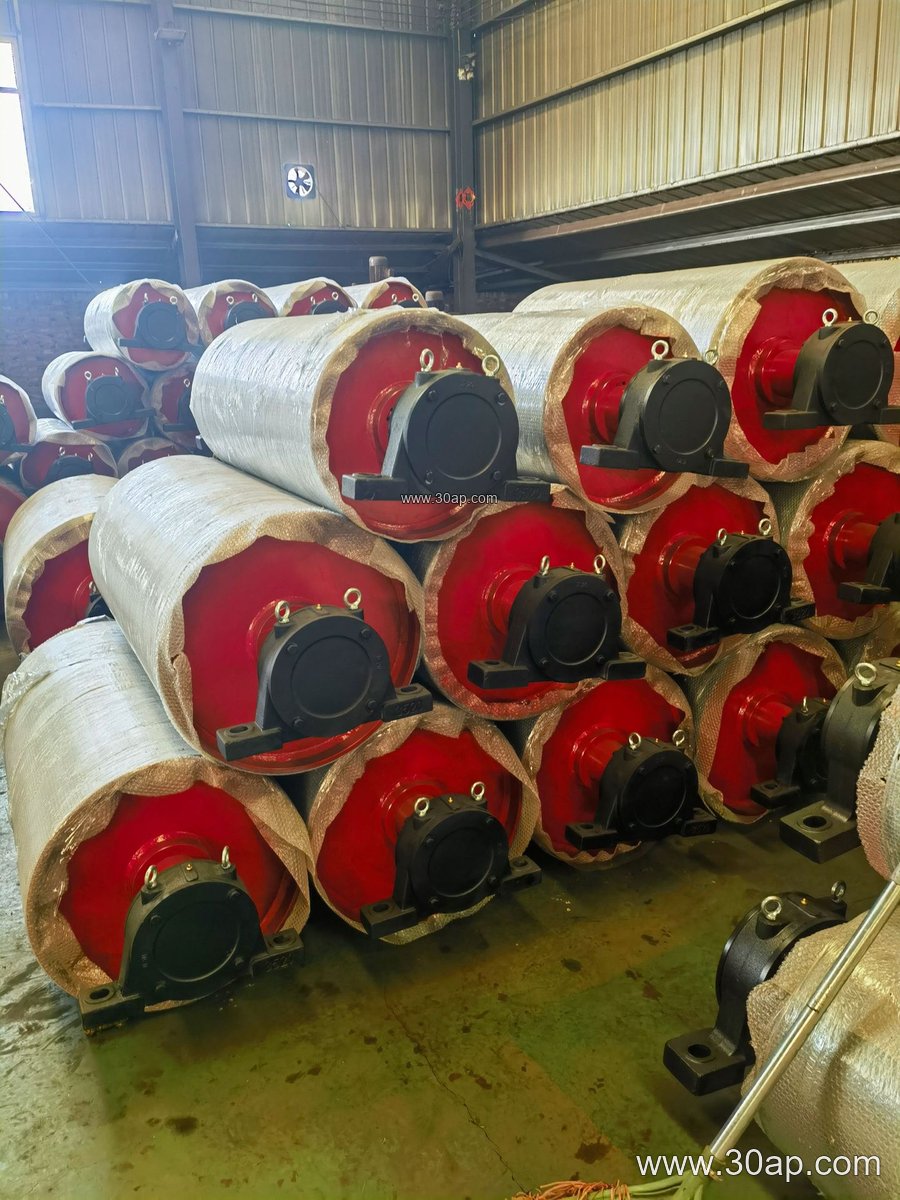
A drive lagged pulley is the head pulley of a belt conveyor that has a rubber or ceramic lagging applied to its shell. This lagging increases friction between the pulley and the conveyor belt, reducing slip and improving power transmission. Often called a lagged head pulley or rubber-lagged drive pulley, it is a critical component in bulk material handling across industries such as mining, cement, power plants, and quarries.
Construction and Lagging Options
The pulley body is typically made of welded steel with a shaft, hubs, and a shell. Lagging is attached by cold bonding, hot vulcanization, or cast directly onto the shell. Common surface patterns include diamond, herringbone, and plain. Lagging thickness usually ranges from 8 mm to 20 mm, with 10 mm and 12 mm being frequent choices for general duty. The right lagging improves traction, protects the shell from wear, and can extend belt life.
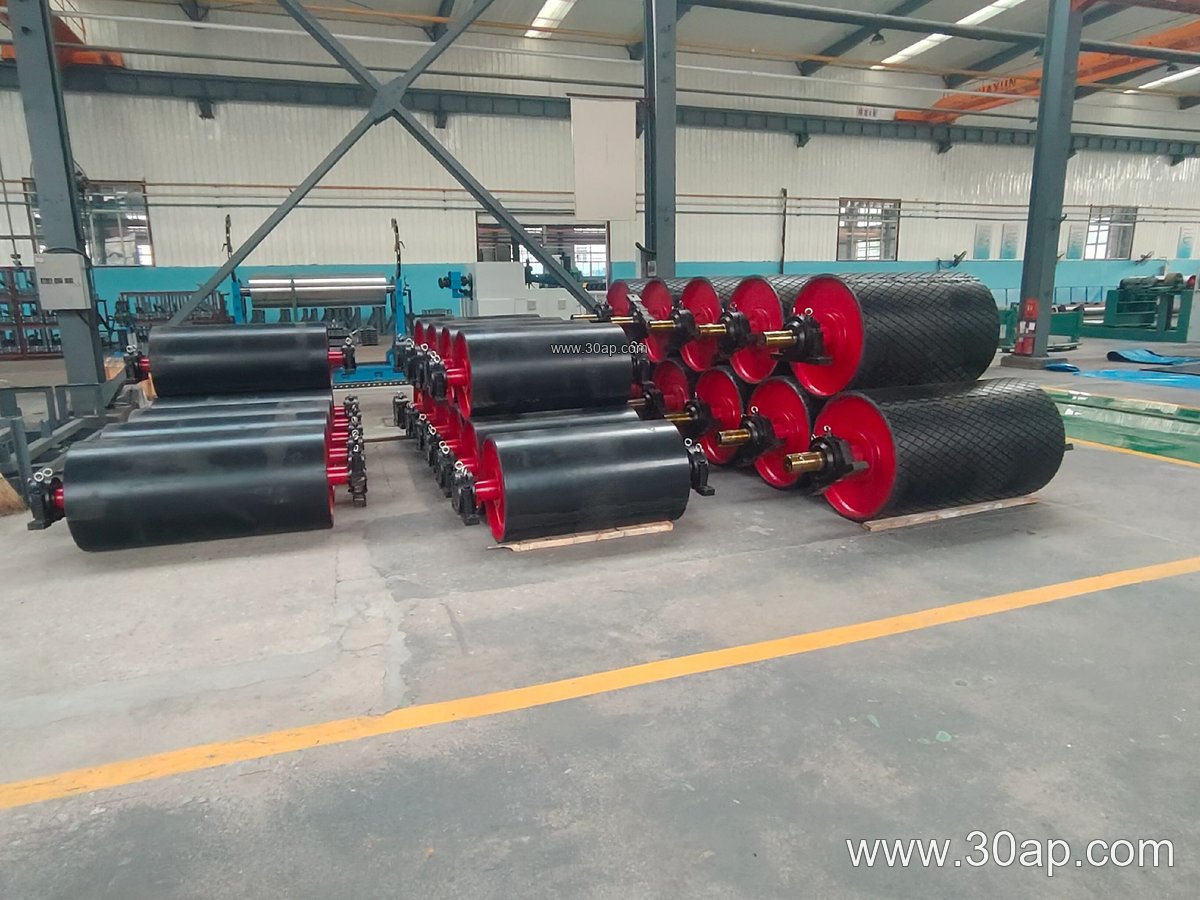
- Diamond lagging: good for general purpose, helps shed water and debris.
- Herringbone lagging: excellent for high-torque applications and bidirectional belts.
- Ceramic lagging: offers superior wear resistance in abrasive conditions, often used in mining and quarry conveyors.
For industries handling abrasive materials, pairing the pulley with a high abrasion resistant conveyor belt ensures both components last longer. In coal mining, a flame retardant conveyor belt is often required alongside lagged pulleys to meet safety standards.
Where It Is Used
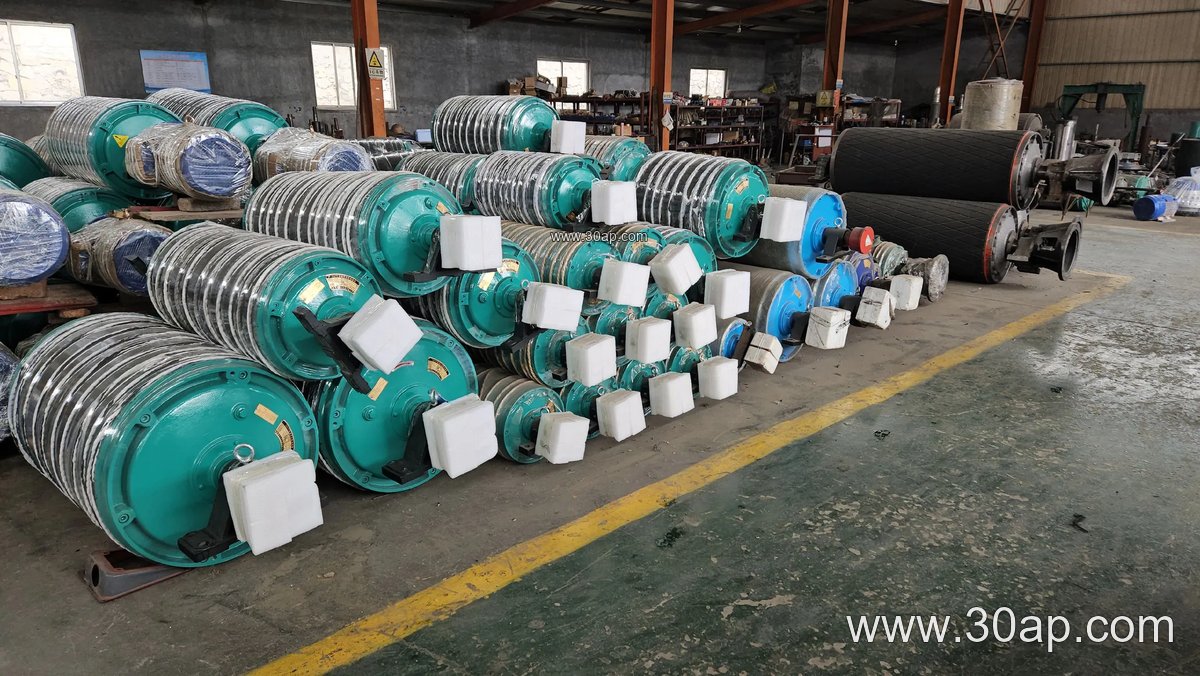
Drive lagged pulleys are found at the discharge end of conveyors in stone crushing plants, aggregate lines, and cement plants. They transmit power from the drive unit to the belt, moving materials like crushed rock, clinker, or coal. In power plant coal handling, lagged drive pulleys help maintain grip even in dusty conditions. In port bulk terminals, they handle heavy loads with wide belts such as 1800mm or 2000mm widths. The lagging also reduces belt slippage during start-up under load.
Key Specifications to Consider
When selecting a drive lagged pulley, several parameters must be matched to the conveyor design. Belt width, pulley diameter, shaft diameter, lagging type, and bearing size are all critical. The table below shows common combinations, but final selection depends on torque, belt tension, and load conditions.
| Belt Width (mm) | Pulley Diameter (mm) | Face Width (mm) | Typical Lagging |
|---|---|---|---|
| B500 | Ø250 – Ø400 | 600 | Diamond rubber 10 mm |
| B650 | Ø315 – Ø500 | 750 | Diamond rubber 10-12 mm |
| B800 | Ø400 – Ø630 | 950 | Diamond or herringbone 12 mm |
| B1000 | Ø500 – Ø800 | 1150 | Herringbone 12-15 mm |
| B1200 | Ø630 – Ø1000 | 1400 | Herringbone or ceramic 15 mm |
| B1400 | Ø800 – Ø1000 | 1600 | Ceramic 15-20 mm |
| B1600 | Ø1000 – Ø1250 | 1800 | Ceramic 15-20 mm |
| B1800 | Ø1250 – Ø1400 | 2000 | Ceramic 20 mm |
Shaft diameters commonly range from Ø50 to Ø200 mm, determined by torque and bearing load, not by belt width alone. For instance, a B1200 conveyor might use a Ø1000 pulley with a Ø160 shaft, but this must be verified by engineering calculations.
Buyer’s Checklist
- Belt compatibility: Ensure the lagging profile suits the conveyor belt type, especially with chevron or corrugated sidewall belts.
- Environmental factors: In cold climates, consider cold resistant conveyor belt and lagging that remains flexible.
- Load and speed: Higher torque may require thicker lagging or a larger pulley diameter.
- Maintenance: Lagging wear should be monitored; replace when grooves or flat spots appear to prevent belt slip.
- Standards: For underground coal mining, choose flame retardant conveyor belt and fire resistant lagging to meet safety regulations.
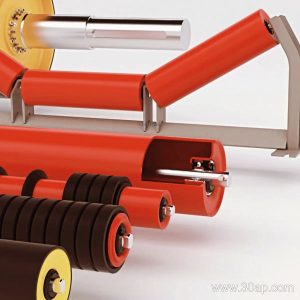
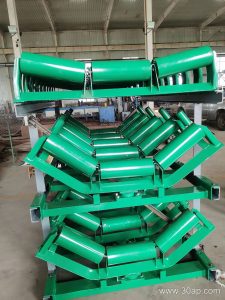
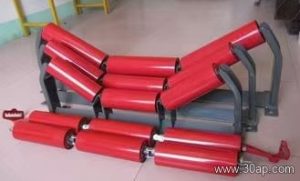
Properly selected, a drive lagged pulley enhances conveyor reliability and reduces downtime. Whether you operate a quarry, a cement plant, or a power station, understanding the interplay between pulley, belt, and idler roller will keep your material handling efficient.