What the EP630 Conveyor Belt Is
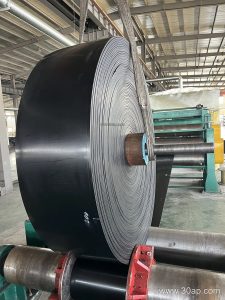
The EP630 Conveyor Belt is a fabric-reinforced rubber belt built around polyester-polyamide (EP) carcass layers. The number 630 refers to the nominal tensile strength of the carcass in newtons per millimeter of belt width, which places this grade in the mid-to-high strength range of EP belting. In practice, an EP630 belt suits main haulage lines, transfer conveyors, and plant feed belts where loads are steady but heavy, and where a steel cord belt would be more than the duty requires. Buyers often describe the same product as an EP rubber conveyor belt, an EP fabric core conveyor belt, or simply a 630-grade EP belt.
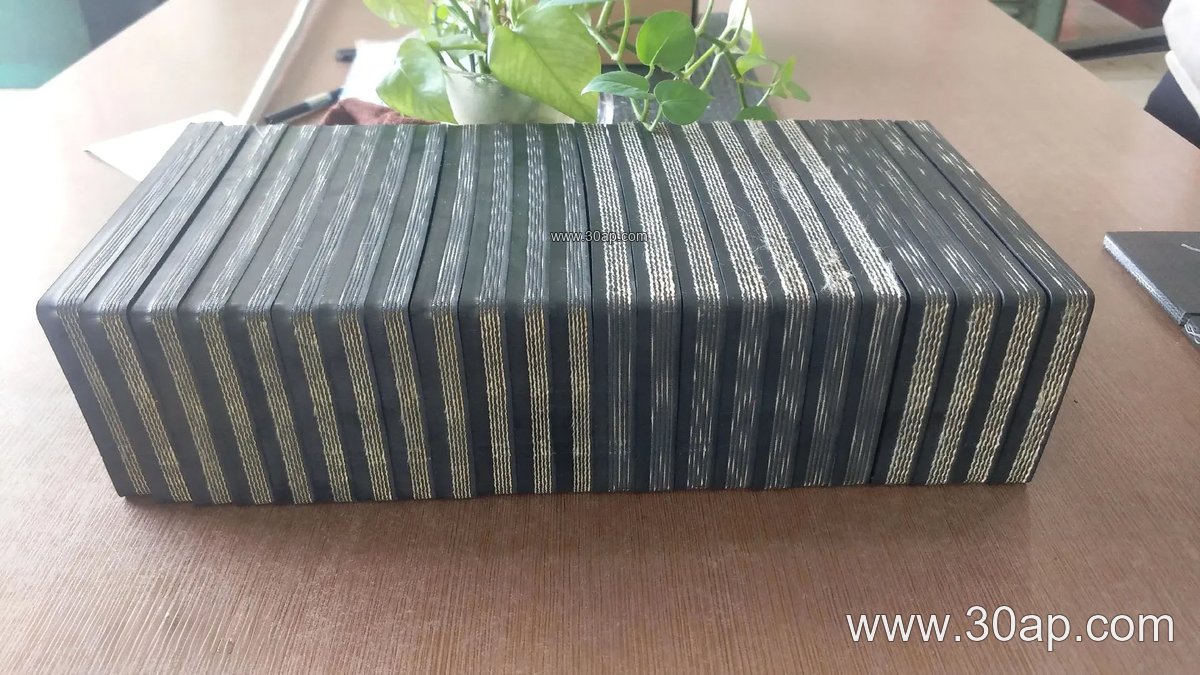
The carcass is the load-bearing element. EP fabric combines the low elongation of polyester warp yarns with the fatigue resistance of polyamide weft yarns, so the belt holds tension well over long centers while resisting repeated flexing at pulleys. A typical construction uses multiple plies, usually two to six depending on the required strength and the manufacturer’s design. The EP630 Conveyor Belt is commonly supplied as part of a broader EP conveyor belt range that runs from EP200 up to EP2000, and it is frequently compared with NN conveyor belts when buyers weigh elongation against cost.
Construction and Cover Compounds
Above and below the carcass sit the cover rubbers, which protect the plies from abrasion, impact, moisture, and chemical attack. Cover thickness is written as top plus bottom, for example 4+2 mm, 5+2 mm, 6+2 mm, or 8+3 mm. Heavier covers are usual on crusher discharge and primary haulage where sharp rock is present. The table below shows common reference values; final specifications are set by the belt designer and can differ between manufacturers.
- Strength grade: EP630, nominal carcass strength 630 N/mm
- Carcass plies: typically 3 to 5, per manufacturer design
- Cover combinations: 3+1.5, 4+2, 5+2, 6+2, 8+3 mm
- Belt widths: B500, B650, B800, B1000, B1200, B1400 and wider on request
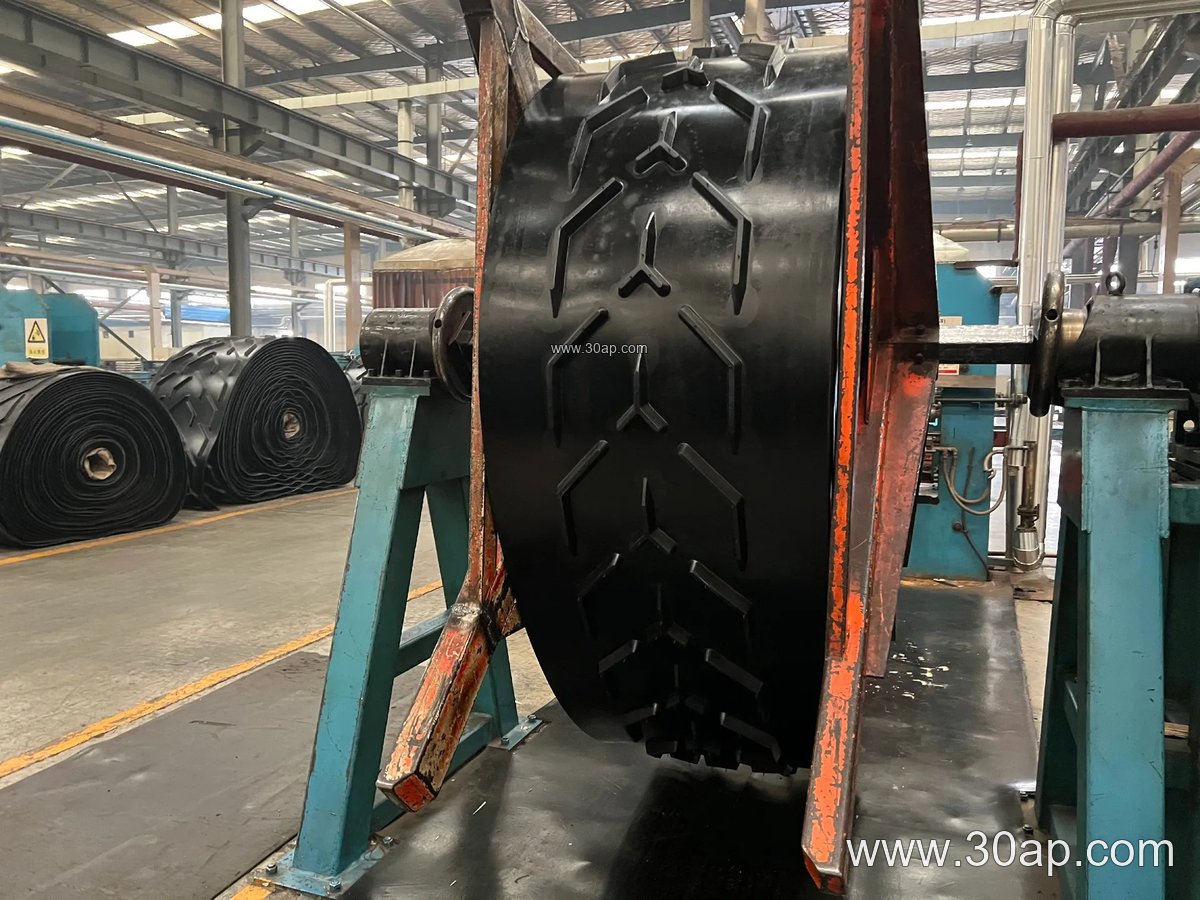
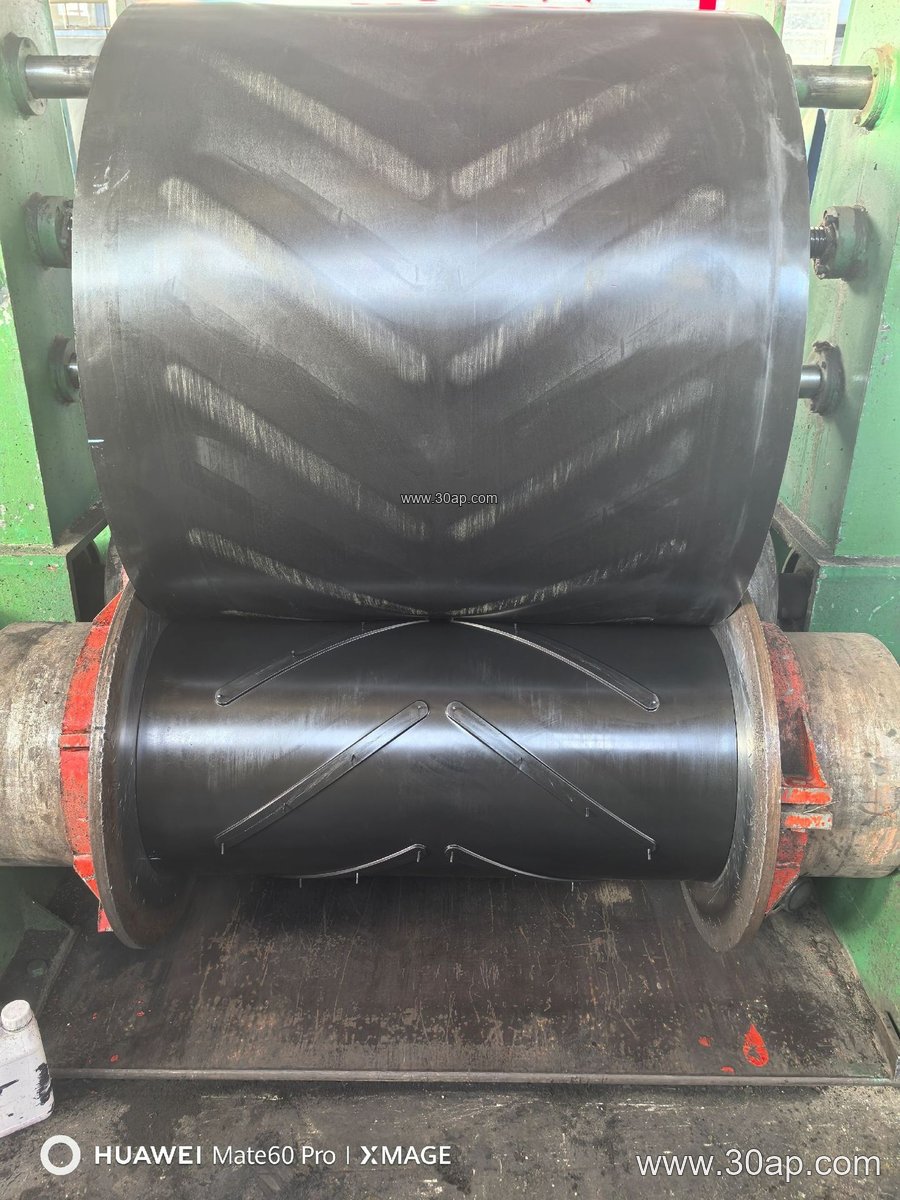
- Surface options: plain, chevron or patterned top cover where grade climbing is needed
- Special compounds: abrasion resistant, heat resistant, flame retardant, oil resistant, anti-static, cold resistant
Edge construction matters as much as the covers. Cut edges are common for general service, while molded edges reduce fraying on belts that run over small pulleys or reverse frequently. An endless conveyor belt version, spliced at the factory, is chosen when the joint quality is critical and field splicing space is limited.
Where It Fits in the Plant
Mining operations use the EP630 Conveyor Belt on underground and surface haulage where moderate tensile strength and good troughability are needed. Coal handling circuits often specify a flame retardant conveyor belt grade to meet site safety rules, while iron ore and copper ore lines lean toward high abrasion resistant covers. Cement plants apply it on clinker and limestone conveyors, power plants on coal feed and ash lines, and quarry and aggregate sites on primary and secondary belts feeding crushers and screens.
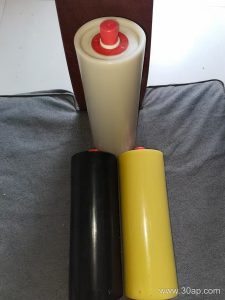
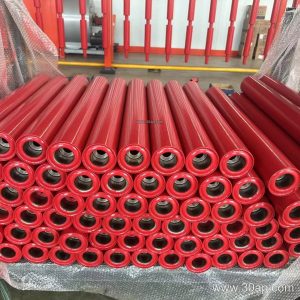
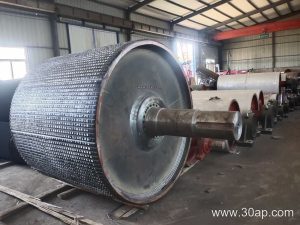
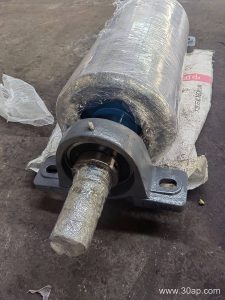
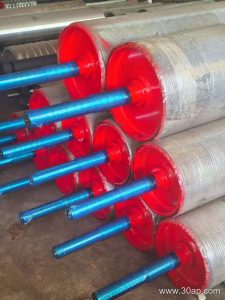
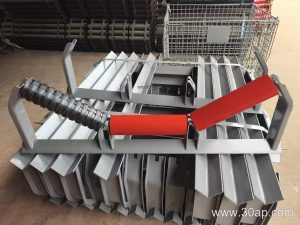
The belt does not work alone. It runs on idler rollers that shape the trough and support the load, turns over conveyor pulleys at the head and tail, and is held in line by conveyor brackets and frames. Drive, tail, and bend pulleys each perform a different job and are not interchangeable, so pulley selection follows the belt tension and wrap angle rather than the belt width alone. A wider belt does not automatically dictate a particular pulley diameter, and shaft sizing must come from the conveyor designer’s calculations.
Selection and Service Notes
Choosing the right grade starts with the duty: tonnage per hour, lump size, incline, pulley centers, and the environment. An EP630 belt is often adequate for medium-length main lines, while longer or steeper routes may call for EP800, EP1000, or a steel cord conveyor belt. Where material is hot, a heat resistant conveyor belt compound protects the carcass; where oil or chemicals are present, an oil resistant or acid resistant cover is the better match. Cold climates may justify a cold resistant grade.
On the mechanical side, check that the minimum pulley diameters suit the carcass flexibility, keep the belt tracking straight through proper idler alignment, and avoid over-tensioning, which shortens splice life. Store belts away from sunlight and ozone sources, and inspect covers for cuts that could let moisture reach the fabric. For a belt of this class, matching the cover compound and ply count to the actual duty is more valuable than pushing to a higher strength grade the conveyor does not need.