What an EP Rubber Conveyor Belt Is
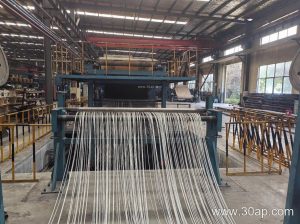
An EP rubber conveyor belt is a fabric-reinforced belt built around polyester and nylon (EP) warp and weft yarns, encased in rubber covers. The EP carcass gives the belt high tensile strength, low elongation, and good resistance to impact and flex fatigue, making it a practical choice for moving bulk materials over long distances. In many plants, this product is simply called an EP conveyor belt or EP fabric core belt, and it is one of the most widely used fabric core belts in heavy industry.
Construction and Key Components
The belt is typically made up of:
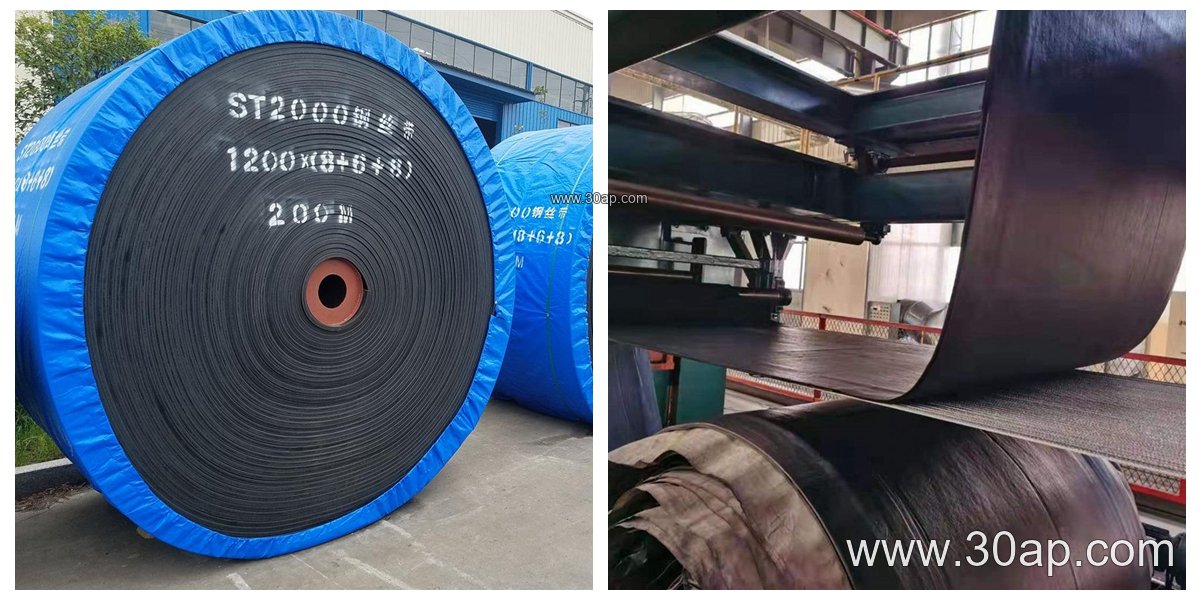
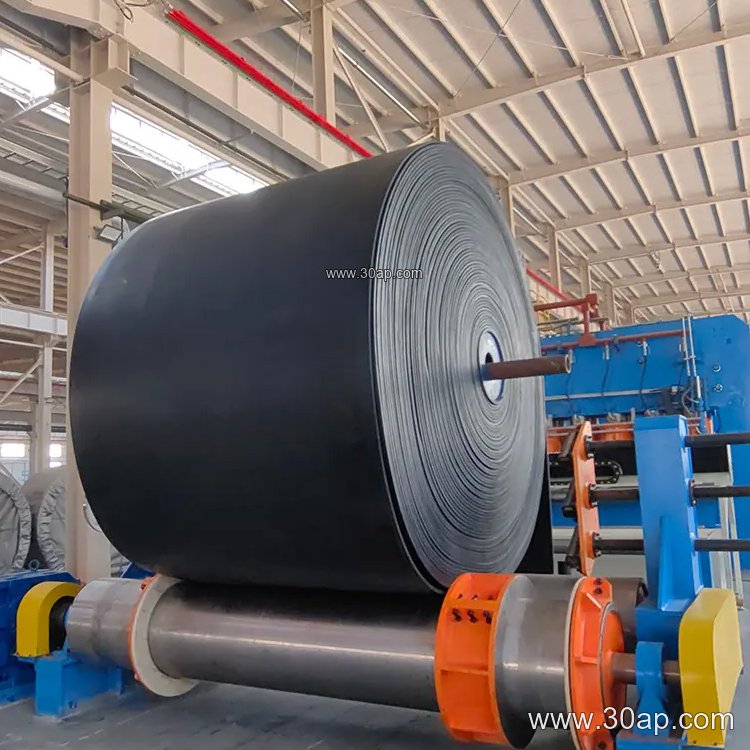
- Carcass: multiple plies of EP fabric (commonly 2 to 6 plies) bonded with rubber skim compounds.
- Top cover: abrasion-resistant, heat-resistant, oil-resistant, or flame-retardant rubber, depending on the duty.
- Bottom cover: usually a thinner rubber layer to protect the carcass and run smoothly over idler rollers.
- Edges: cut or molded edges to resist fraying and moisture ingress.
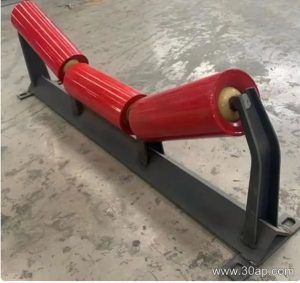
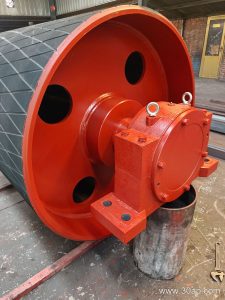
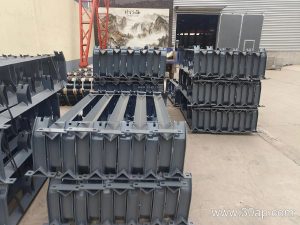
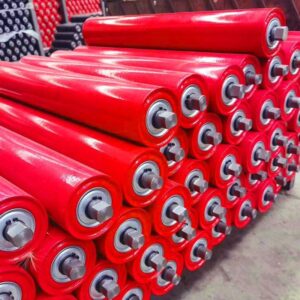
Cover thickness is often specified as a top/bottom combination, for example 4+2 mm, 5+2 mm, or 6+2 mm. The correct combination depends on material lump size, drop height, and abrasion severity. The belt runs on conveyor idlers, wraps around the drive pulley and tail pulley, and is supported by conveyor brackets and frames along the route.
Common Strength Grades and Widths
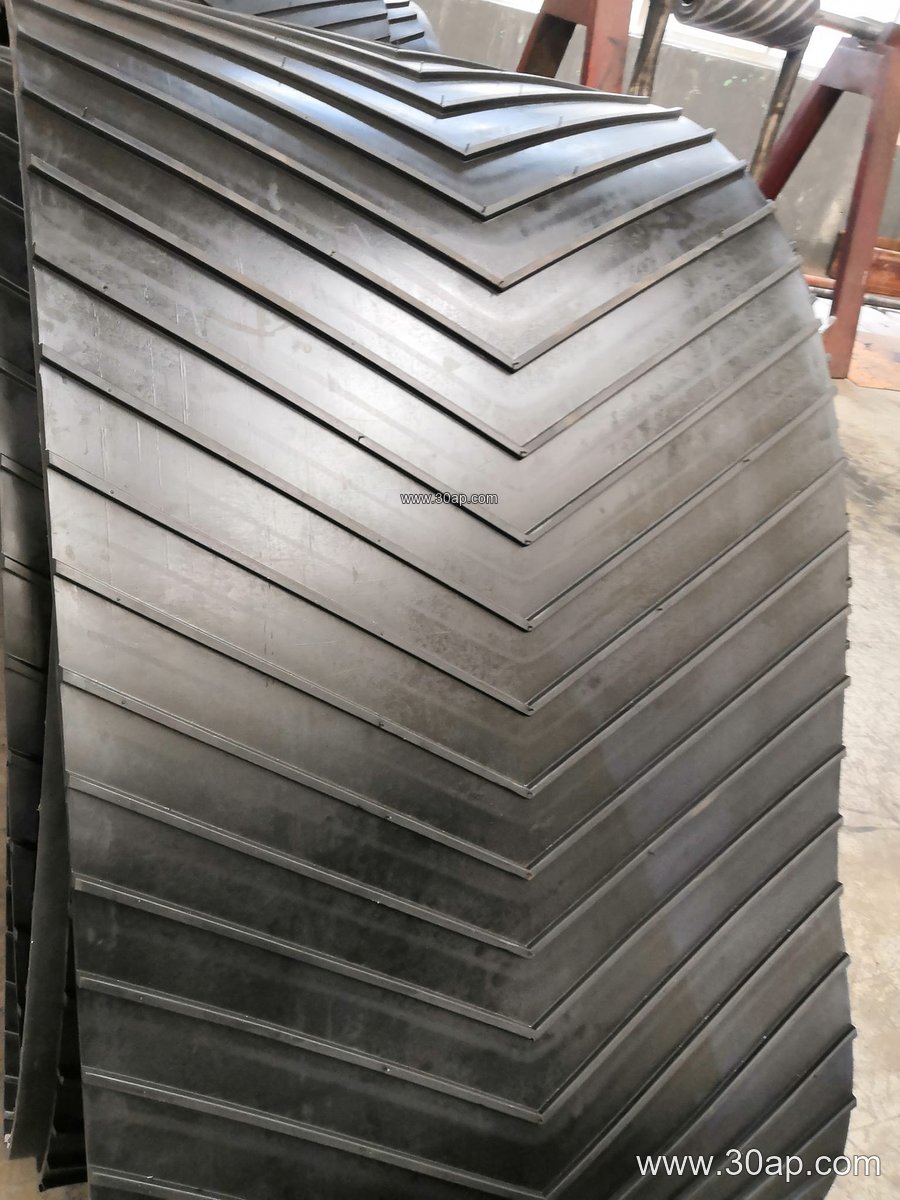
EP belts are available in several strength grades. Typical grades include EP200, EP315, EP400, EP500, EP630, EP800, EP1000, EP1250, EP1600, and EP2000. These figures refer to the nominal tensile strength of the carcass, and actual working tension should be checked against the conveyor design. Standard widths usually range from B500 to B2000, with B800, B1000, B1200, and B1400 being common in aggregate and cement plants. The table below gives indicative reference data; final specifications should be confirmed with the manufacturer.
| Property | Typical Reference Range |
|---|---|
| Strength grades | EP200 to EP2000 |
| Belt widths | B500, B650, B800, B1000, B1200, B1400, B1600, B1800, B2000 |
| Number of plies | 2 to 6 |
| Cover thickness | 3+1.5, 4+2, 5+2, 6+2, 8+3 mm |
When selecting a grade, consider the maximum working tension, the drive and tail pulley diameters, the troughing angle of the idlers, and the material being carried. A belt that is too stiff for small pulleys may crack; a belt that is too light for the load may stretch or fail at the splice.
Where EP Rubber Belts Are Used
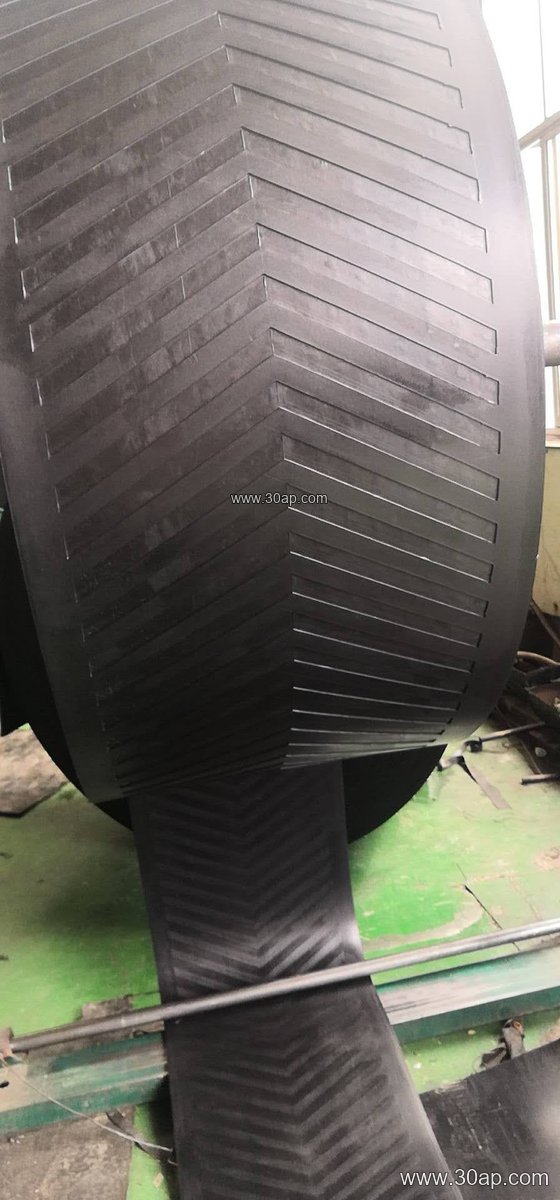
These belts are common in mining, coal preparation, cement kilns and clinker lines, power plant coal yards, quarry and sand making plants, steel plants, ports, and recycling facilities. They handle crushed rock, ore, clinker, coal, sand, gravel, and similar bulk materials. For abrasive duties, an abrasion resistant conveyor belt grade is often chosen; for hot clinker or sinter, a heat resistant conveyor belt cover is needed; and for underground coal mining, flame retardant conveyor belt properties are essential. In some cases, a pipe conveyor belt or corrugated sidewall belt may be preferred for space-limited or steep routes, but the EP rubber belt remains the standard workhorse for flat and troughed conveyors.
Buyer Checklist
- Confirm the required strength grade (EP200, EP630, EP1000, etc.) from the conveyor design, not from guesswork.
- Specify belt width and cover thickness to match the material and loading conditions.
- Check pulley diameters and idler spacing; these affect belt life and tracking.
- Ask for the splice method and ensure it suits the EP carcass.
- Consider environmental factors such as oil, heat, cold, or fire risk and choose the appropriate cover compound.
- Verify that the belt can be supplied in the required length and edge type.
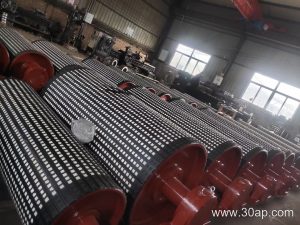
Proper installation and maintenance, including alignment of idler rollers and pulley lagging, will extend service life. A well-matched rubber conveyor belt keeps bulk material flowing with less downtime in demanding industrial environments.