What a Vertical Idler Bracket Is and Where It Fits
A vertical idler bracket is the mounting component that holds a conveyor idler roller in a vertical or near-vertical position along the belt line. In practice, this frame-mounted bracket is often used for training and guide idlers that keep the belt centered on the structure, especially on the return run. It is a small part, but it decides how well the roller contacts the belt edge and how much side load the frame can absorb.
The name is sometimes used interchangeably with a guide bracket or a training bracket, but the term vertical describes the mounting orientation rather than the idler itself. A conveyor bracket like this is not a drive pulley, tail pulley, or bend pulley, and it should not be treated as a substitute for any of them.
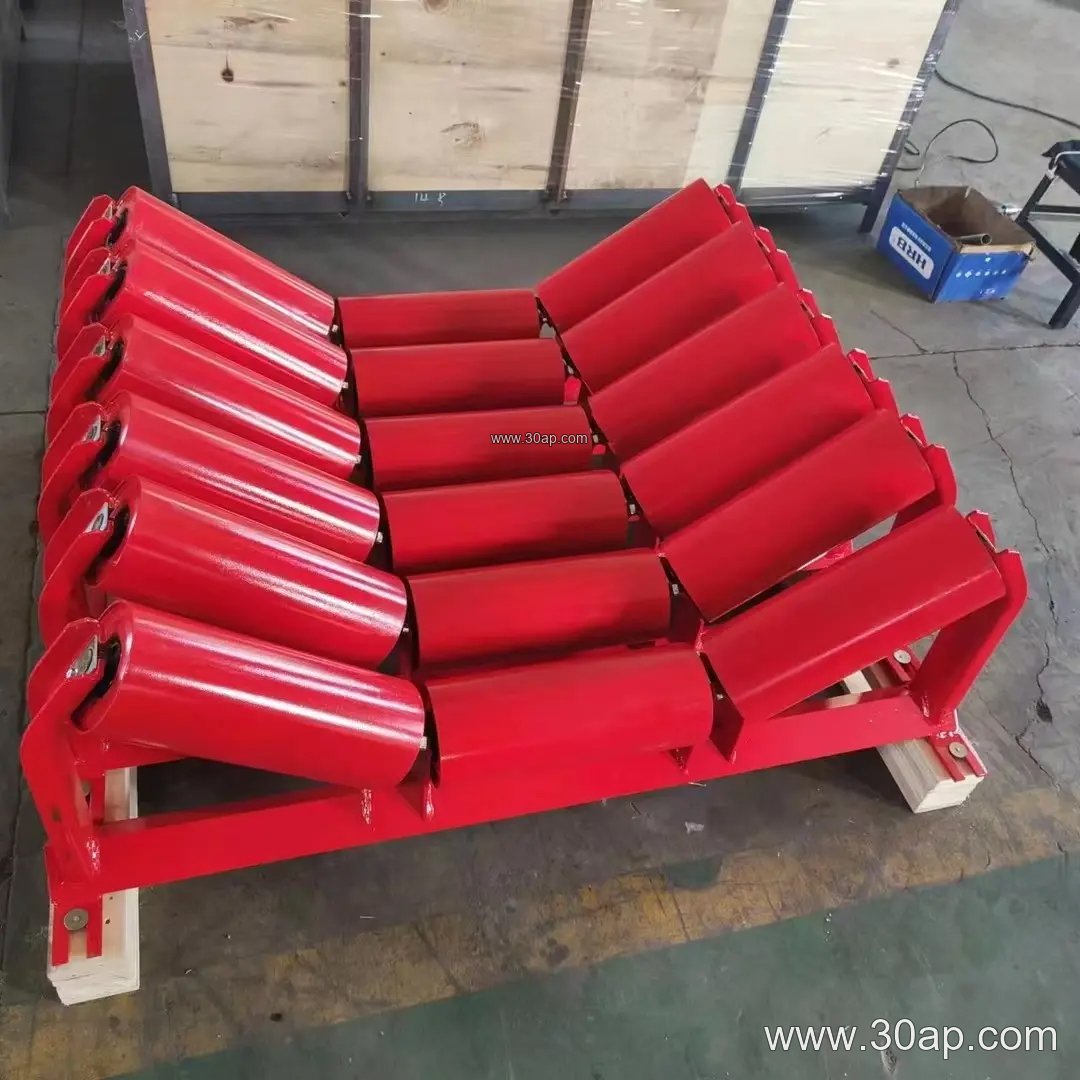
Construction and Mounting Details
Most vertical brackets are cut and formed from angle steel, channel steel, or folded steel plate. The bearing seat is positioned so the idler shaft sits at the correct height, and slotted holes allow adjustment during installation. A typical unit includes:
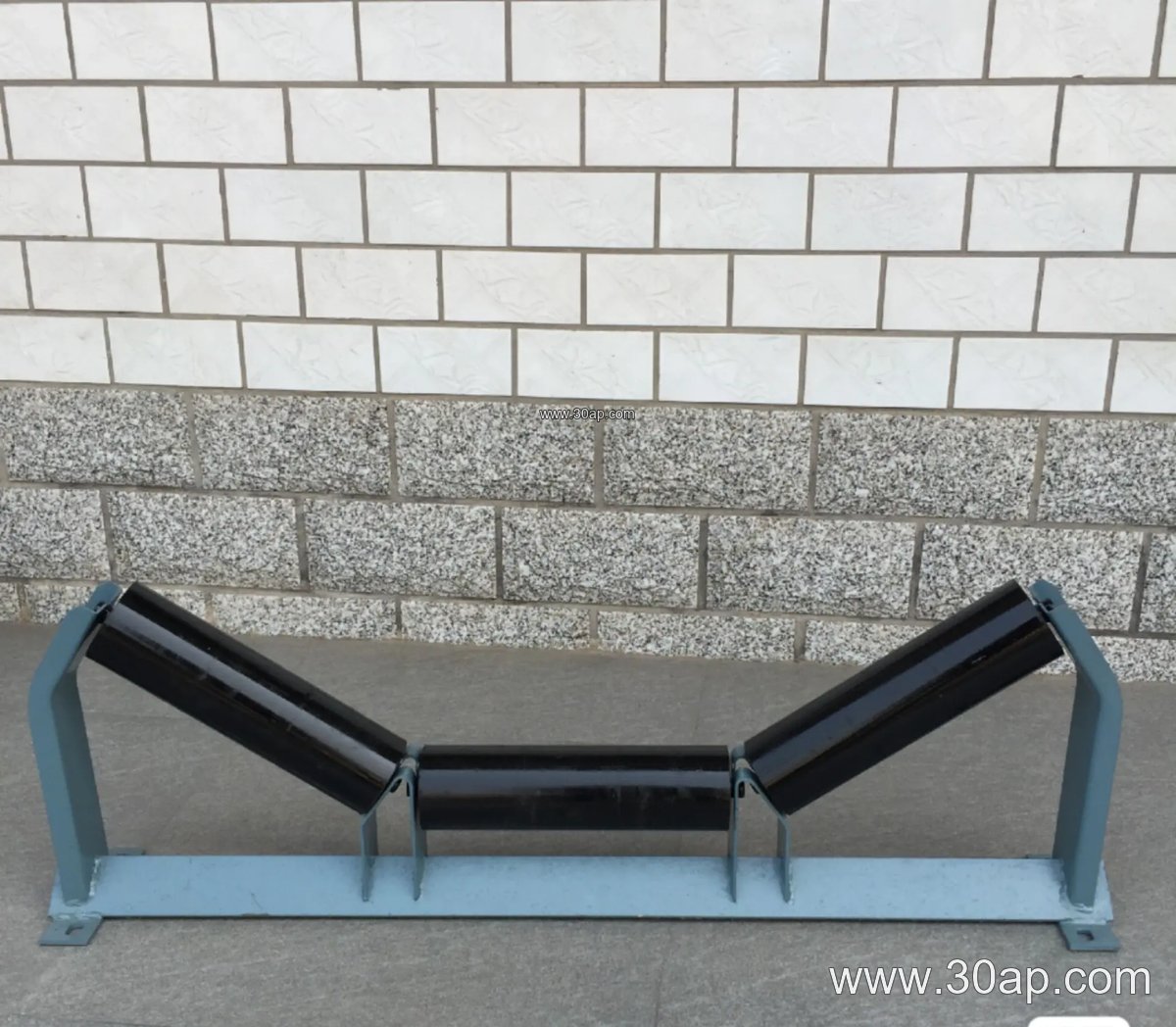
- A formed or welded body with a base plate for bolting to the conveyor stringer
- One or two mounting slots for vertical height or alignment adjustment
- A shaft seat or clamp that accepts standard idler shaft ends
- Reinforcement ribs where the bracket meets the main frame
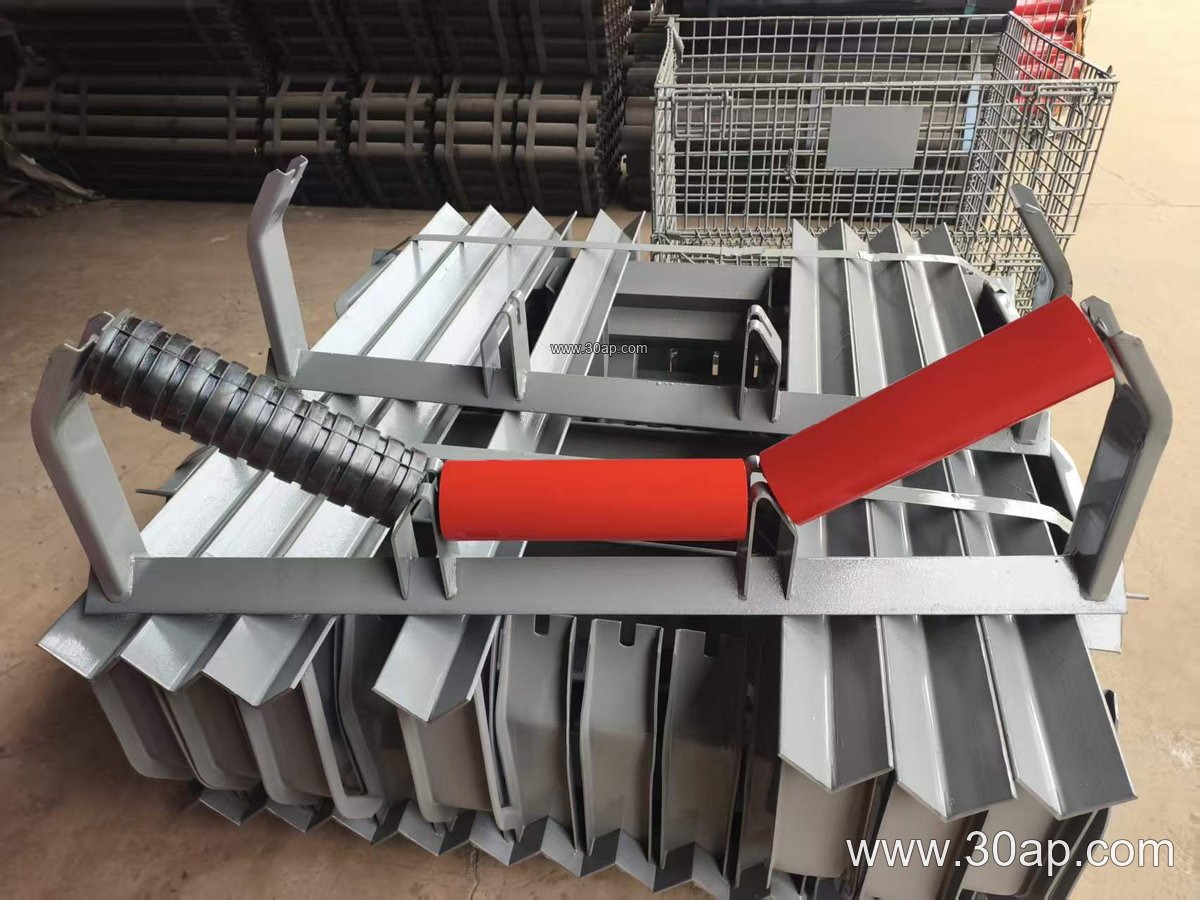
Because the bracket is only one part of the support system, its hole spacing and crossbeam length usually follow the belt width, the trough angle, and the roll diameter used on that conveyor. They are normally set by design, not by a single fixed rule. For example, a line running B800, 35 degrees, and Ø108 would use a different bracket layout from a B1200, 45 degrees, and Ø133 arrangement.
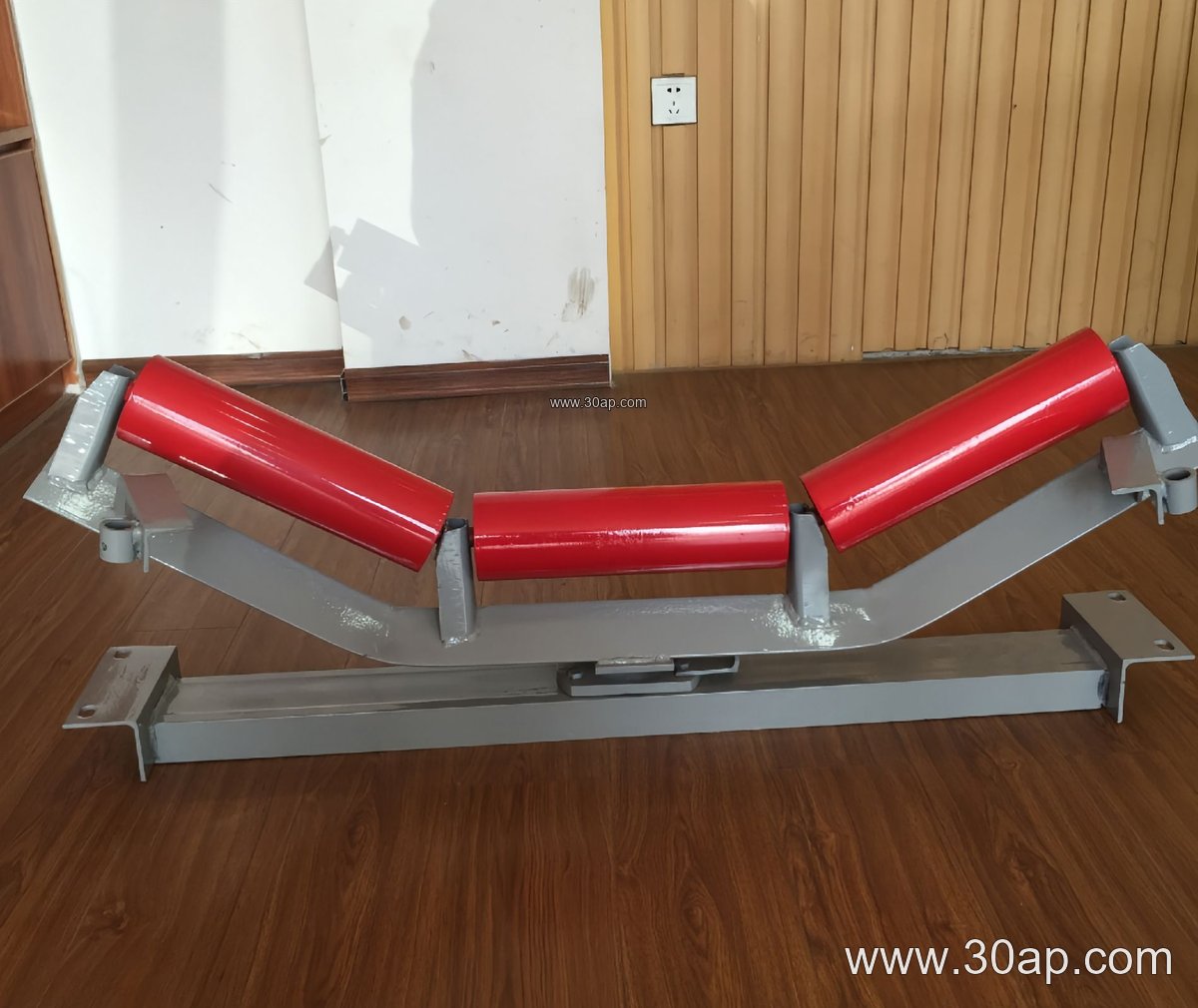
Common Applications in Bulk Handling
Vertical idler brackets appear wherever a belt needs side guidance, particularly in quarry conveyor belt lines, crushing and screening plants, and cement plant transfer points. In a limestone quarry or a sand and gravel line, the return strand can drift after a heavy load pass, and a vertical guide bracket helps hold the belt path without adding a full training station. In coal handling and power plant coal yards, the same bracket is often used on the return side of a flame retardant conveyor belt to keep the belt away from the frame.
They are also found in iron ore and copper ore circuits, where a steel cord conveyor belt carries high tension and the frame must resist vibration. In these cases the bracket works together with the idler roller and the conveyor pulley rather than replacing either one.
Reference Dimensions to Discuss With a Supplier
The values below are common reference points, not fixed specifications. Actual sizes are confirmed by design and by the belt width, trough angle, and roller diameter on the conveyor.
| Reference Item | Common Range | Note |
|---|---|---|
| Belt width | B500, B650, B800, B1000, B1200, B1400, B1600 | Larger widths available by design |
| Trough angle | 20°, 30°, 35°, 45° | Adjustable brackets cover several angles |
| Idler diameter | Ø89, Ø108, Ø133, Ø159, Ø194 | Selected with belt speed and load |
| Material | Angle steel, channel steel, folded plate | Finish depends on site conditions |
When comparing a vertical bracket with a troughing bracket or a V-return bracket, the key difference is the mounting direction and the belt contact point. A troughing bracket supports the carrying run, while a vertical idler bracket usually guides the belt edge or return side. A fixed bracket is simple and rigid; an adjustable bracket allows fine tuning after the belt is running.
Buyer Checklist
- Confirm the belt width and the idler diameter before ordering, since the shaft seat must match the roller.
- State the trough angle if the bracket is adjustable, and confirm the adjustment range.
- Check the hole spacing and crossbeam length against the existing stringer, not against a catalog photo.
- Match the bracket material and coating to the site, whether it is a wet quarry, a dusty cement plant, or a coal yard.
- Ask how the bracket interfaces with the conveyor idler roller and the frame, and whether shims are needed.
A well-matched vertical bracket is a low-cost way to improve belt tracking on a rubber conveyor belt system. It should be selected as part of the whole support layout, together with the rollers and pulleys, rather than as a stand-alone item.