What a 6206 Bearing Idler Is
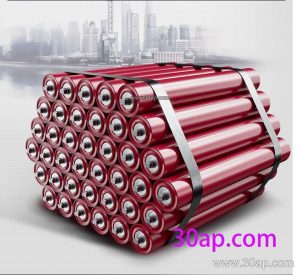
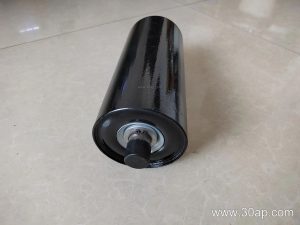
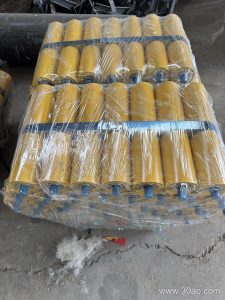
A 6206 bearing idler is a conveyor carrying roller built around a single-row deep-groove ball bearing with a 30 mm bore. In practice the 6206 sits inside the end housings of the roller shell, one bearing per end, and carries the radial load that the belt and its material transfer to the roller. Buyers searching for this part usually already know the bearing number, which helps: the bearing fixes the shaft end diameter, while the roller body is chosen from the belt width and the duty.
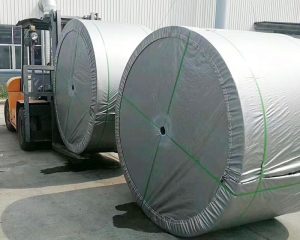
An idler roller of this class turns up across bulk handling — a quarry conveyor, a cement plant transfer house, a power plant coal line, or an aggregate washing deck. Anywhere a fabric core conveyor belt runs over a frame, a bearing number like 6206 is a practical way to talk about the roller because the bearing is the part that fails first when sealing is poor.
How the Roller Is Put Together
The shell is normally a steel tube machined at both ends to take a bearing housing. Inside each housing the 6206 bearing sits on a through shaft, protected by a labyrinth seal, a felt or lip seal, or a combination. Grease is packed at assembly, and the end cap closes the housing. The shell surface may stay as bare steel or receive a rubber ring, nylon sleeve, or ceramic facing when the application calls for it.
The bearing itself is a common size, but this does not mean one shaft fits every roller. Shaft diameter, shell wall thickness, and bearing class are set together with the duty load. A heavy ore stream and a light grain line can share a bearing number and still need quite different tube thickness.
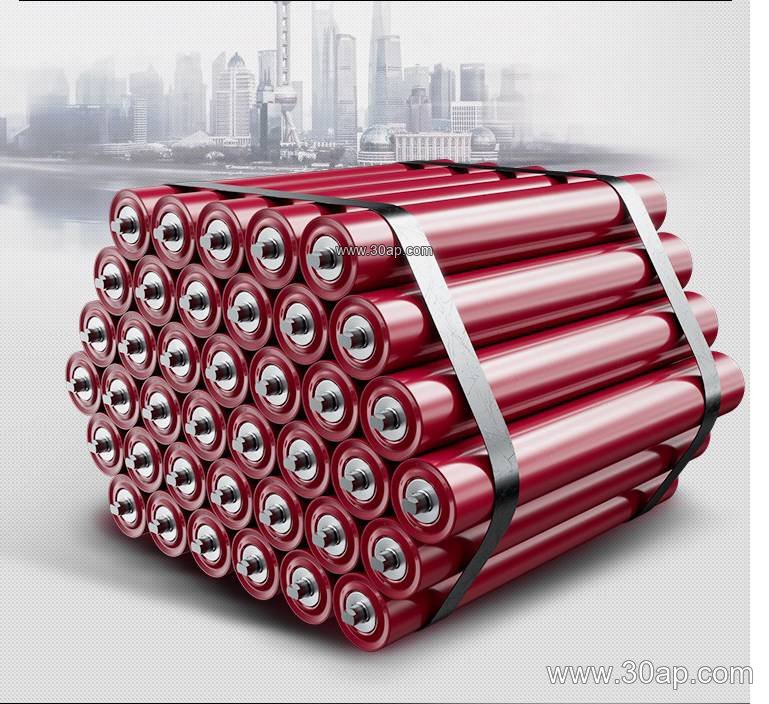
Where the 6206 Bearing Idler Fits
The same roller design is used in several positions on a conveyor, and the position changes the load it sees:
- Troughing sets on the carrying side, usually three rollers with the side rolls angled at 20, 30, 35 or 45 degrees.
- Transition idlers near the head and tail pulleys, where the belt changes shape.
- Return idlers under the belt, either flat or in V formation.
- Impact sections below a feed chute, where rubber ring impact rollers absorb falling material.
On a quarry conveyor handling coarse rock, the carrying rollers take the abrasion while the return rollers take the dust. On a coal line feeding a power plant, a flame retardant conveyor belt is common, and the same idler frame may hold anti-static or fire resistant belt grades. In a cement plant the fine dust is the main enemy of the seal, not the load.
Choosing Roller Diameter and Belt Width
Roller diameter and belt width are separate decisions. Reference data for common troughing sets often pairs diameters such as Ø89, Ø102, Ø108, Ø127, Ø133 and Ø159 mm with belts from B500 up to B2000 and beyond, but this is a design relationship, not a fixed rule. The roller length depends on the belt width, trough angle and roll arrangement, so a B800 belt with a 30 degree three-roll set might use a centre roll around 315 mm long, while the side rolls are shorter. A B1200 belt does not automatically dictate one diameter, and a 6206 bearing does not lock the roller to one belt width.
The table below shows typical examples only. Final values come from the conveyor design.
| Item | Common examples | Notes |
|---|---|---|
| Bearing | 6204, 6205, 6206, 6305, 6306, 6308, 6310 | 6206 is the subject here; others appear in different rollers |
| Roller diameter | Ø63, Ø76, Ø89, Ø102, Ø108, Ø127, Ø133, Ø159 mm | Selected by load and belt speed |
| Belt width | B400 to B2400 | Roller length follows width and trough angle |
| Trough angle | 20°, 30°, 35°, 45° | Affects material containment |
| Roll surface | Steel, nylon, ceramic, rubber ring | Rubber ring for impact zones |
When the belt is a heavy-duty mining conveyor belt carrying iron ore, a larger shell and a heavier bearing class are often needed. On a short in-plant run with an EP conveyor belt or an NN conveyor belt, the 6206 roller is usually more than enough.
Sealing and Maintenance Points
Most idler failures in a sand and gravel plant or a crushing circuit start with contamination, not with the bearing load rating. Check that the seal type suits the dust level and that the end cap is seated. Rotate rollers by hand during inspection; a rough or noisy roller should be replaced before it wears the belt edge. Keep the conveyor bracket bolts tight so the roller stays square to the belt, and align return rollers so the belt tracks centrally.
For a buyer, the useful specification list is short: bearing number, shell diameter and length, shaft ends, seal type, surface finish, and the trough angle of the frame it fits. Ask for the roller drawing rather than assuming a size from belt width alone.
Matching the Idler to the Conveyor
A 6206 bearing idler is a serviceable, widely used roller for medium-duty conveyors. It suits a limestone quarry line, a coal yard, a cement mill, or a small port conveyor, provided the seal and shell are chosen for the site conditions. On a long overland run with a steel cord conveyor belt, the same bearing may sit in a larger, heavier roller. The key is to treat the bearing number as one input among several, not as a complete specification.