What a Mining Fire Resistant Conveyor Belt Is
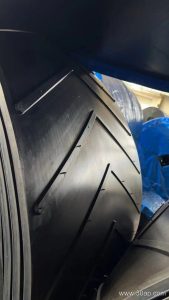
A Mining Fire Resistant Conveyor Belt is a heavy-duty belt engineered for underground coal mines, metal mines, and other hazardous areas where flame spread and static electricity must be controlled. It is also known as a Fire Resistant Conveyor Belt or Flame Retardant Conveyor Belt, and it is designed to resist ignition and limit flame propagation if a fire occurs. Unlike standard Rubber Conveyor Belt used in general material handling, this belt includes special cover compounds and sometimes an anti-static layer to meet strict safety expectations in mining environments.
Construction and Materials
The belt typically uses a fabric core, such as EP Conveyor Belt (polyester-nylon) or NN Conveyor Belt (nylon-nylon), or a steel cord core for higher tension applications. The cover rubber is formulated with fire-retardant additives, often based on chloroprene or SBR blends, to resist flame spread. Anti-static properties are usually incorporated to prevent static buildup. The belt may also include a Flame Retardant Conveyor Belt designation for underground coal mining, where regulations demand both fire and anti-static performance.
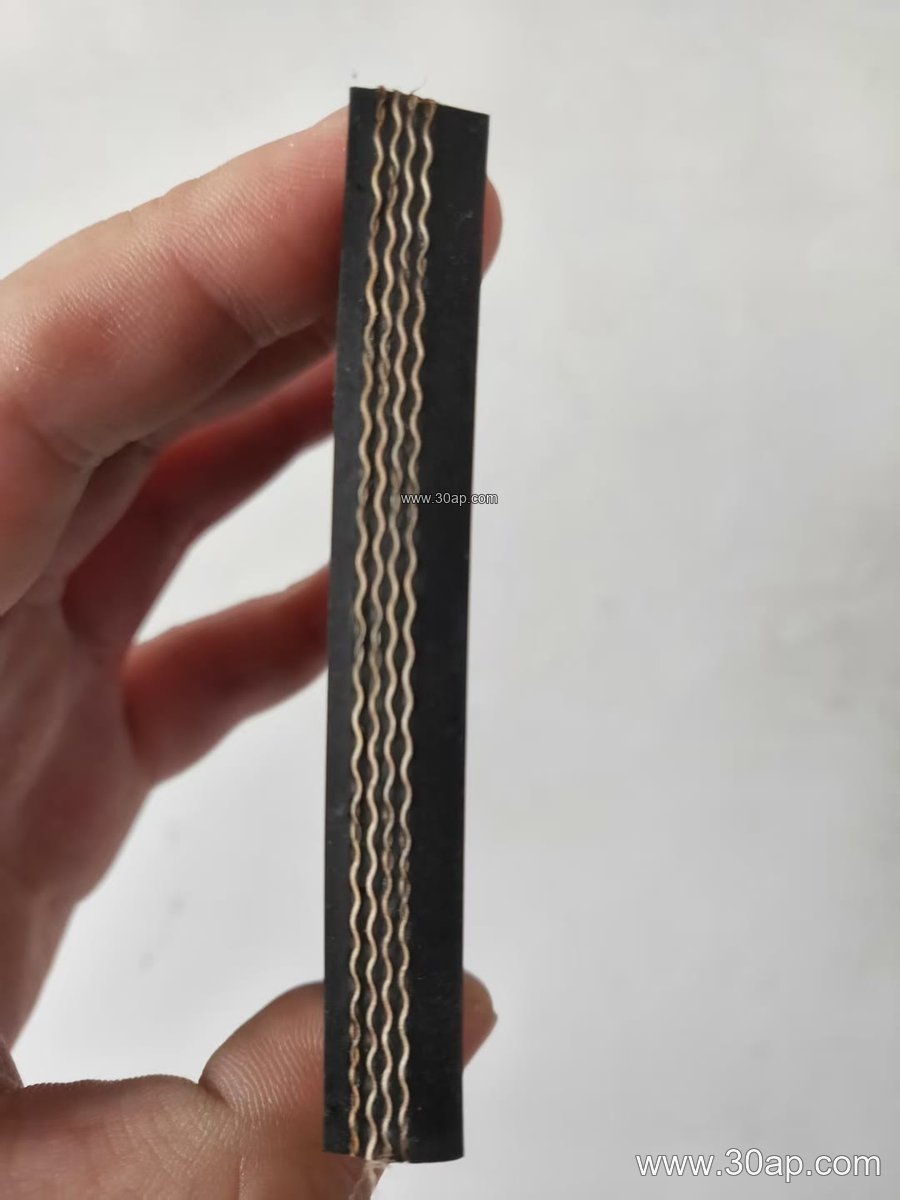
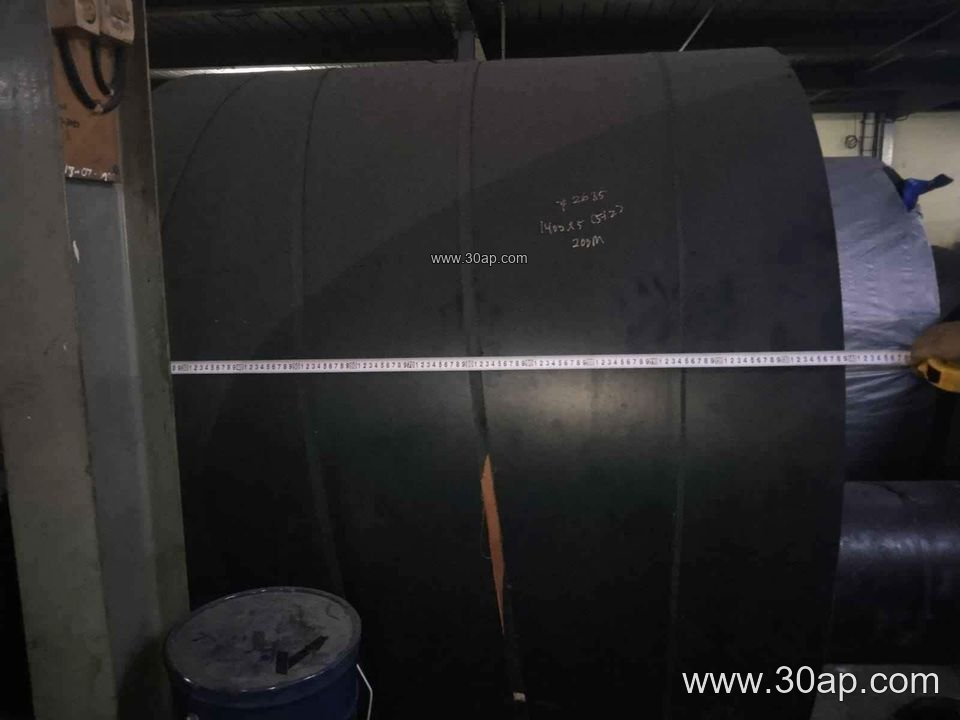
Common belt widths range from 500 mm to 2000 mm, with custom widths available. Cover thickness options include 3+1.5 mm, 4+2 mm, 5+2 mm, 6+2 mm, and 8+3 mm, while fabric plies usually range from 2 to 6 layers. These values are typical reference points; actual specifications depend on the conveyor design and site conditions.
Typical Applications
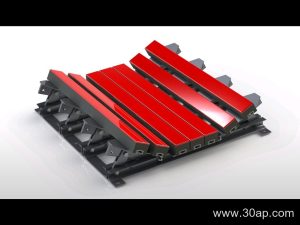
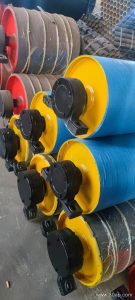
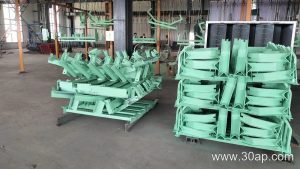
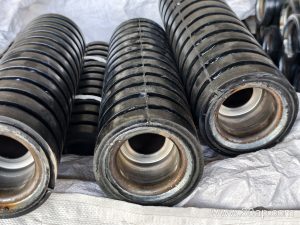
This belt is widely used in underground coal mining, where conveyor systems transport coal from the face to the surface. It also appears in metal mines, power plants, cement plants, and port facilities handling combustible bulk materials. In these settings, the belt works alongside idler rollers, conveyor pulleys (drive, tail, and bend pulleys each have distinct roles), and conveyor brackets to form a complete conveying system. The fire-resistant property is especially critical in Underground Coal Mining Conveyor Belt applications, where escape routes and ventilation require strict flame control.
Key Specifications and Selection Factors
When specifying a Mining Fire Resistant Conveyor Belt, buyers should consider:
- Belt width – Common widths include 650 mm, 800 mm, 1000 mm, 1200 mm, 1400 mm, 1600 mm, and 1800 mm. The width must match the conveyor frame and pulley face, but it does not dictate a single pulley diameter.
- Core type and strength – EP or NN fabric cores with strength grades such as EP200, EP400, EP630, EP800, or EP1000; steel cord options like ST1000 or ST1600 for high-tension duties.
- Cover grade – Fire resistance and anti-static are primary; additional properties like abrasion resistance or oil resistance may be needed for specific materials.
- Cover thickness – Selected based on impact and wear conditions; typical combinations as noted above.
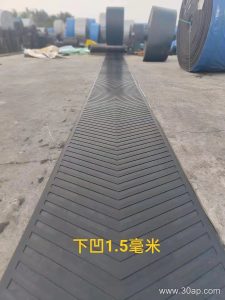
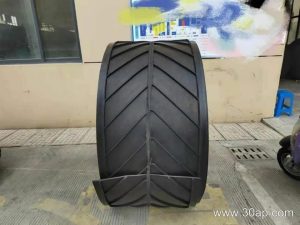
Other belt types such as Heat Resistant Conveyor Belt or Oil Resistant Conveyor Belt serve different purposes and should not replace fire-resistant belts in hazardous mining zones. Similarly, Chevron Conveyor Belt or Corrugated Sidewall Conveyor Belt may be used for steep inclines but are not substitutes for fire safety.
Buyer Checklist and Maintenance
Before ordering, confirm the required fire rating and anti-static performance with the belt manufacturer, and ensure the belt matches the conveyor’s pulley diameters and troughing idlers. Regular inspection of the belt surface, splices, and edge wear helps maintain safety. Keep the belt clean and avoid material buildup around pulleys and idlers to reduce friction and ignition risks. Proper alignment and tensioning also extend service life. For more information on compatible components such as conveyor belt accessories and conveyor pulleys, consult your supplier.