What a Sand and Gravel Plant Conveyor Pulley Does
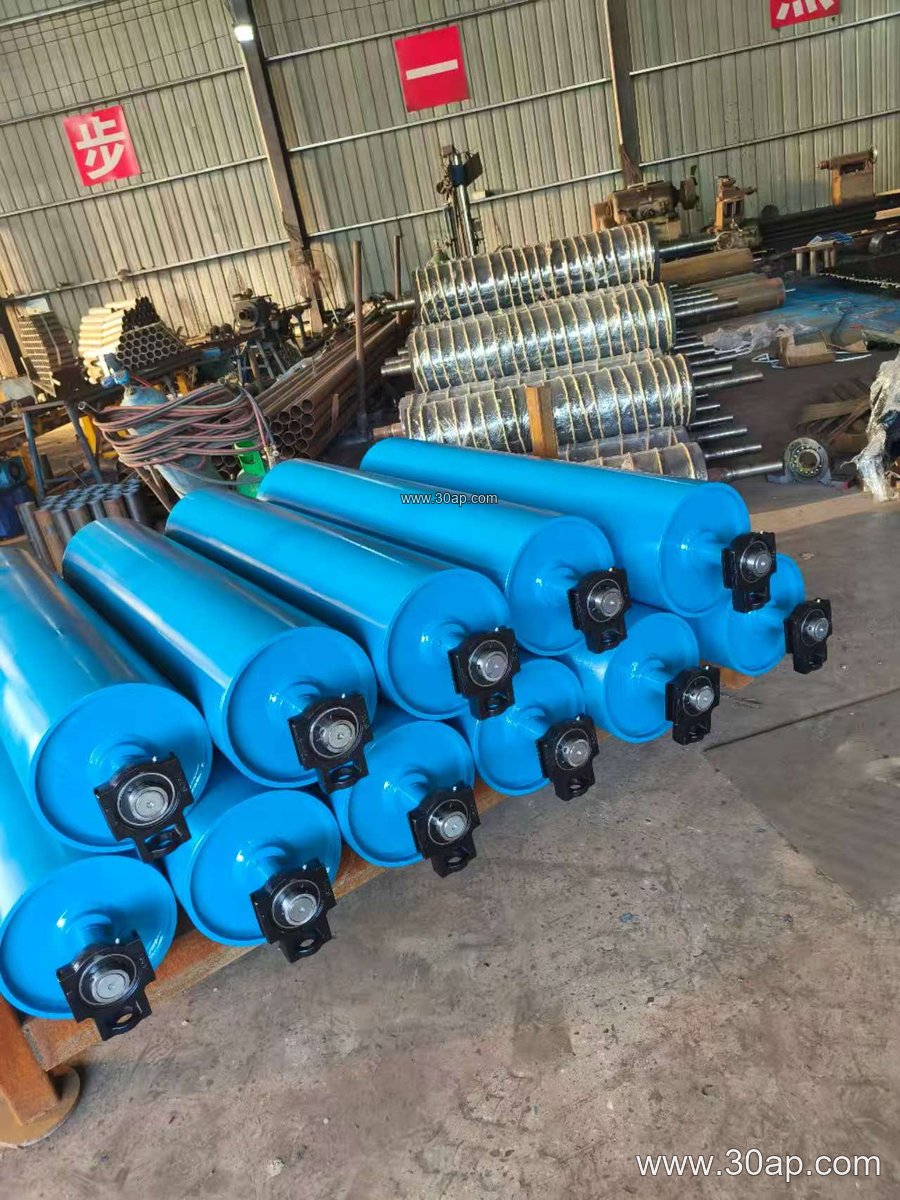
In a sand and gravel operation, a conveyor pulley is the rotating drum that drives or redirects the belt. The drive pulley, often called the head pulley, transmits power from the gearbox to the belt through friction. Tail pulleys and bend pulleys handle belt tracking and tension at the discharge and return ends. These roles are distinct: a drive pulley is not a tail pulley, and a bend pulley is not a substitute for either. The right selection keeps aggregate moving from the crusher to the screening deck without belt slippage or premature wear.
Construction and Surface Options
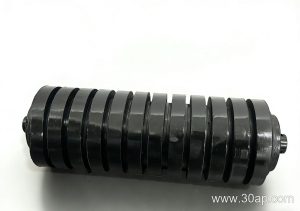
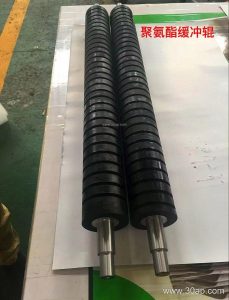
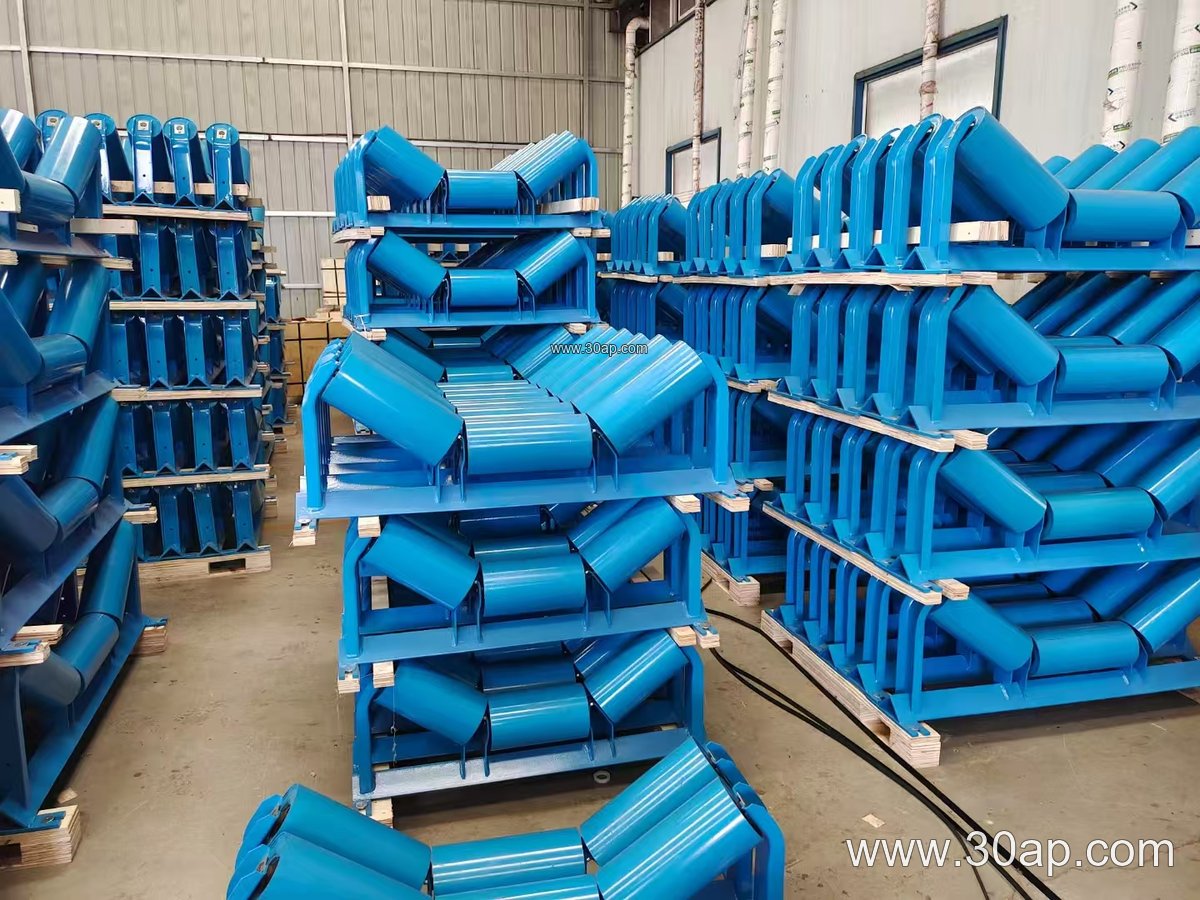
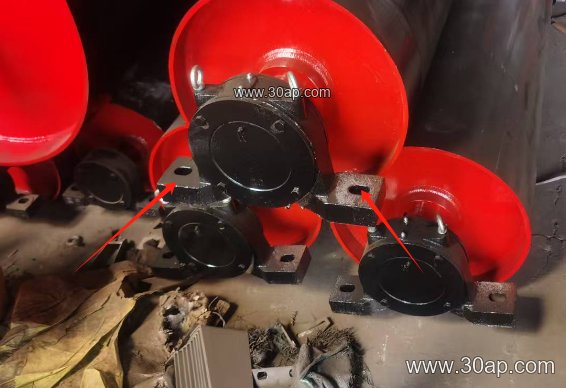
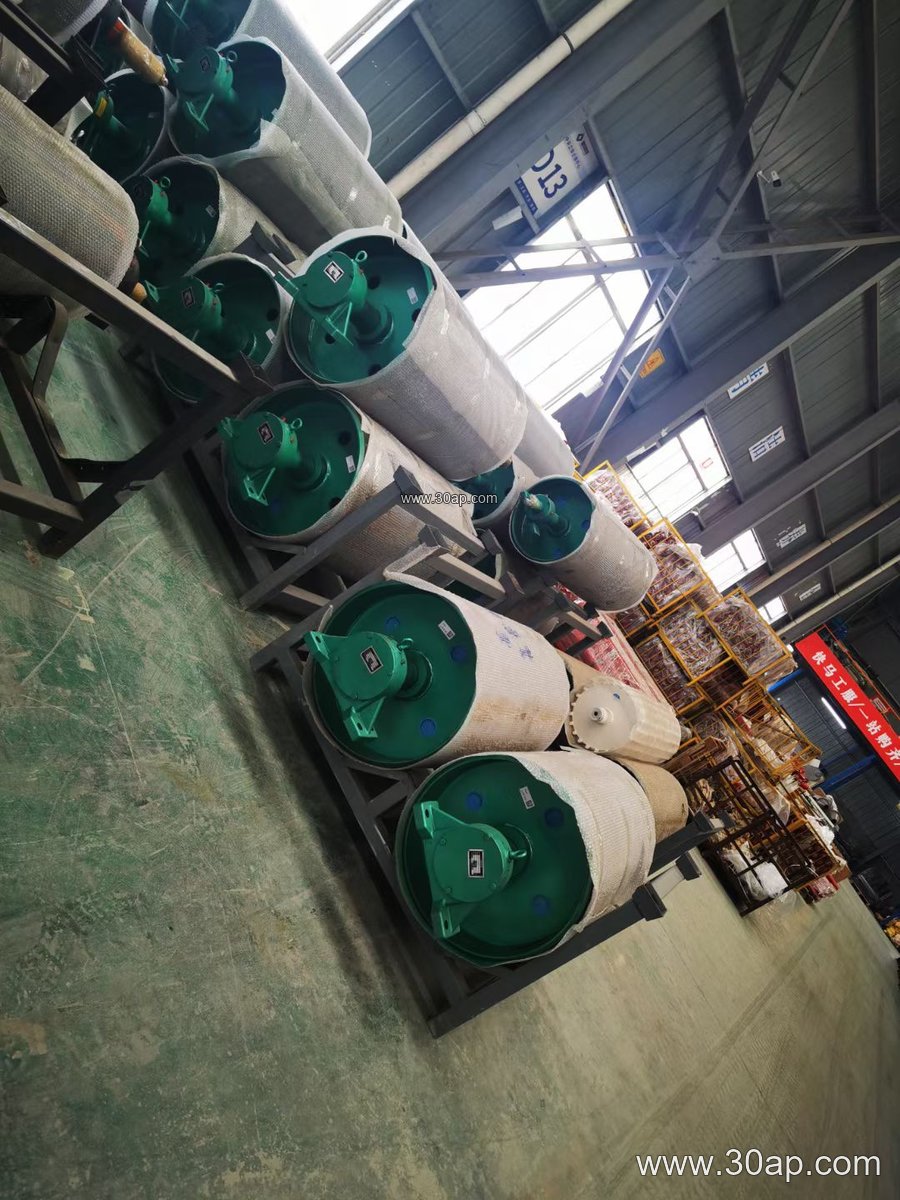
A typical sand and gravel plant conveyor pulley uses a welded steel shell, a shaft sized by torque and load, and bearing housings mounted on a sturdy frame. Surface treatment matters. Plain steel is common for lighter duties, while rubber lagging improves grip on the drive pulley. Common lagging types include diamond grooved, herringbone, and ceramic embedded surfaces. Lagging thickness often ranges from 8 mm to 20 mm depending on belt tension and material abrasiveness. The pulley face width is usually wider than the belt: for example, a B800 belt often runs on a pulley with roughly 950 mm face width, and a B1200 belt may use about 1400 mm. Diameter is selected by belt speed, torque, and available space, not by belt width alone.
Where It Fits in the Aggregate Line
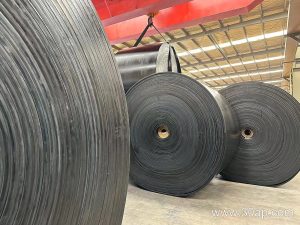
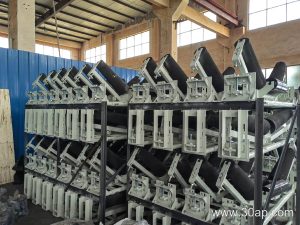
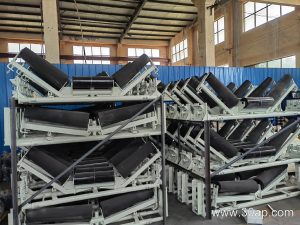
Sand and gravel plants rely on conveyors between the primary crusher, screen decks, and stockpiles. A drive pulley at the head end pulls the loaded belt, while a tail pulley at the feed point maintains alignment. Bend pulleys are common on longer overland sections or where the belt changes direction. In a quarry or aggregate conveyor system, dust and grit are constant, so sealed bearings and wear-resistant lagging help extend service life. The pulley works together with the conveyor belt and idler rollers; poor pulley condition shows up as belt mistracking or edge damage. Operators in sand and gravel plants, cement plants, and power plant coal yards all face similar demands, though the specific material abrasiveness varies.
Matching Pulley to Belt and Load
Belt width and pulley diameter are related but not fixed pairs. A B650 belt might run on a Ø400 or Ø500 pulley in a short transfer, while a B1400 belt on a long incline could use Ø800 or larger to reduce belt stress. Shaft diameter follows the calculated torque and bearing load—common shaft sizes include Ø80, Ø100, Ø120, and Ø160, but the final value depends on the drive design. When specifying a pulley, confirm the belt type as well. An abrasion resistant conveyor belt used for sharp gravel may need a different lagging than a smooth EP conveyor belt on a lighter duty. The pulley face should be wide enough to support the belt without overhang, and the lagging pattern should match the drive requirements.
Buyer Checklist and Maintenance Notes
Before ordering a sand and gravel plant conveyor pulley, gather the belt width, belt speed, motor power, shaft load, and environmental conditions. Ask for the lagging type and thickness, bearing style, and whether the pulley is for drive, tail, or bend duty. During operation, check lagging wear, belt tracking, and bearing temperature. Replace worn lagging before it damages the belt. Keep the pulley area clean to avoid material buildup that causes mistracking. A well-matched pulley reduces downtime in crushing, screening, and stockpiling circuits, whether the plant serves construction aggregate, limestone, or iron ore processing.