What a 1200mm Conveyor Belt Is
A 1200mm conveyor belt is a heavy-duty rubber belt with a nominal width of 1200 millimeters, commonly used in bulk material handling systems across mining, cement plants, power stations, quarries, and ports. This width sits in the mid-to-large range, offering a practical balance between load capacity and structural demands on the conveyor frame. When sourced from a rubber conveyor belt supplier, the 1200mm width is often specified for main haulage lines where throughput matters but space is not unlimited.
Also referred to as a 1200mm wide conveyor belt, this dimension is standardized in many industrial setups, allowing compatibility with standard idler roller sets, conveyor pulleys, and bracket assemblies. The belt itself is not a standalone product; its performance depends on the entire conveyor system, including drive pulleys, tail pulleys, and bend pulleys, each playing a distinct role.
Construction and Material Options
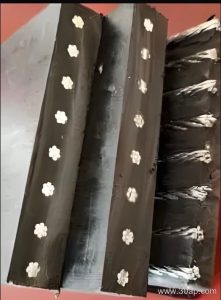
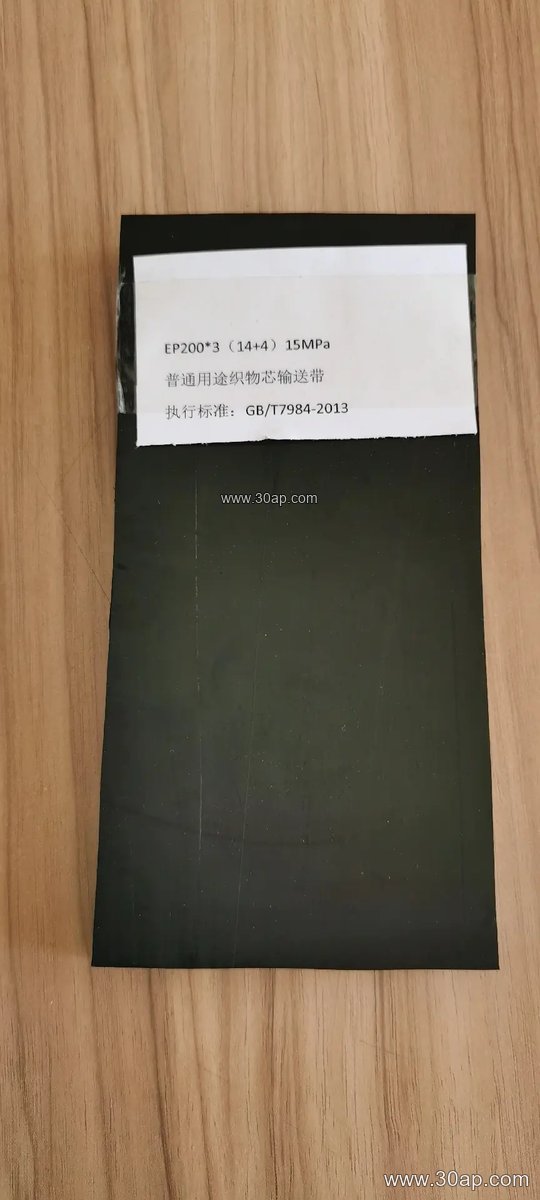
The 1200mm conveyor belt is built with a fabric core or steel cord carcass, covered by rubber layers on top and bottom. Common carcass types include EP (polyester-cotton) and NN (nylon-nylon), with multi-ply fabric core constructions typically ranging from 2 to 6 plies. Steel cord belts are also available for higher tension applications. The cover rubber grade determines resistance to abrasion, heat, oil, fire, or cold, and is selected based on the material being conveyed.
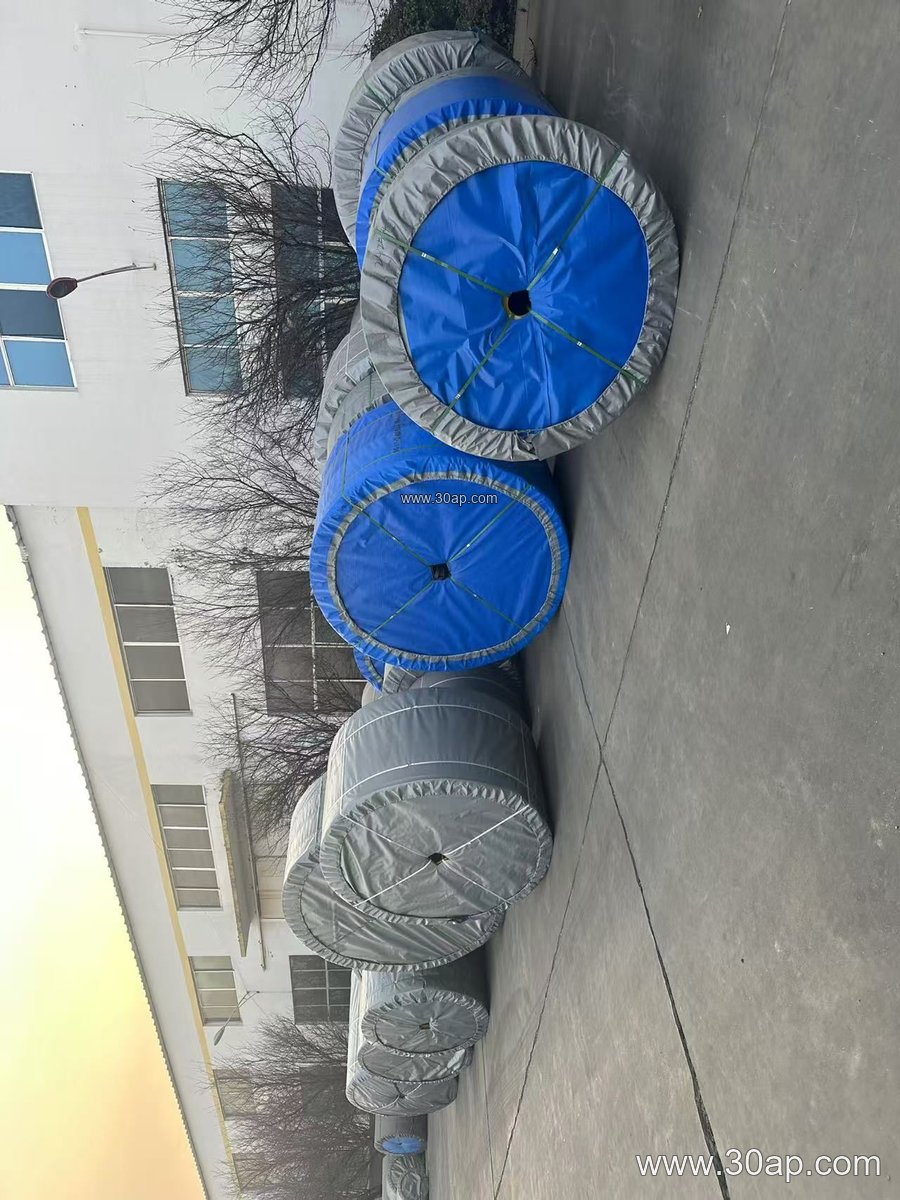
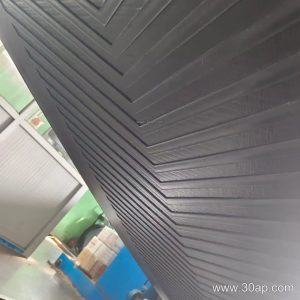
Typical cover thickness combinations for a 1200mm belt might be 4+2 mm, 5+2 mm, or 6+2 mm, though these values are design-dependent and vary by manufacturer. The belt edges can be plain, or feature chevron, skirted, or corrugated sidewall designs to prevent material spillage on inclined sections. For underground coal mining, flame retardant and anti-static grades are often required.
Where It Fits in the Plant
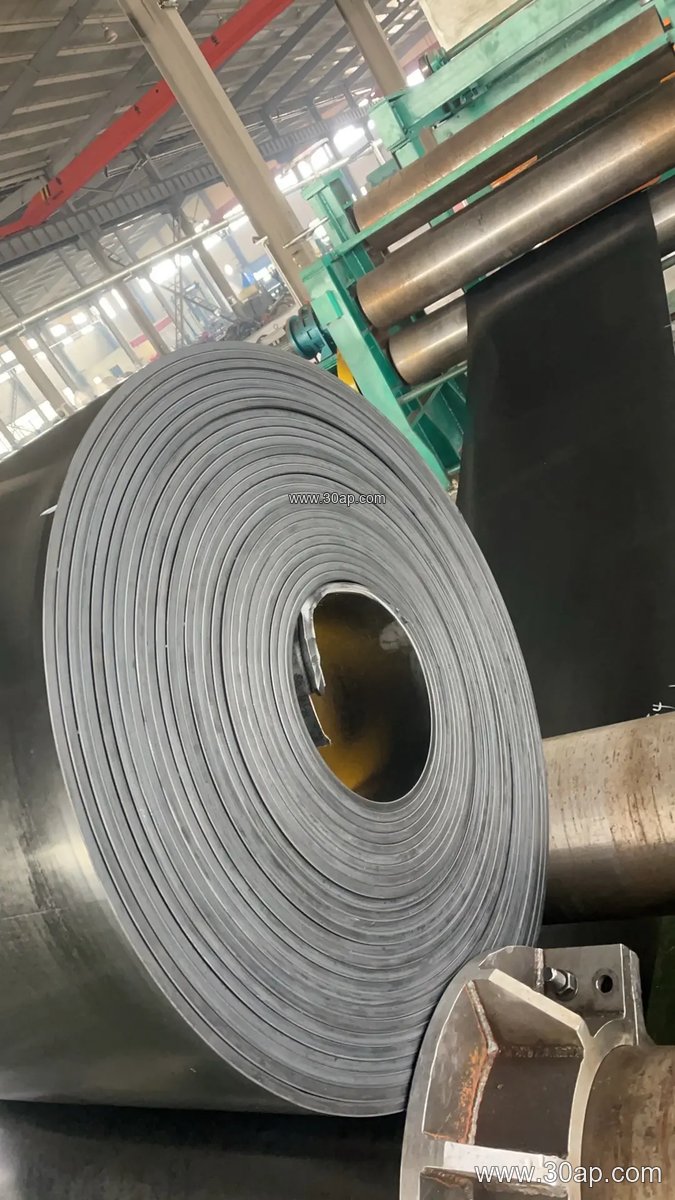
In a cement plant, a 1200mm conveyor belt might transport clinker from the cooler to the storage silo, while in a coal-fired power plant, it feeds crushed coal to the boiler. Quarries and aggregate operations use this width for moving crushed stone and sand. The mining industry, including iron ore, copper ore, and gold mining, relies on heavy-duty 1200mm belts for primary and secondary haulage. Ports and ship loading facilities also employ this width for bulk material handling.
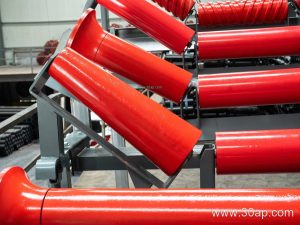
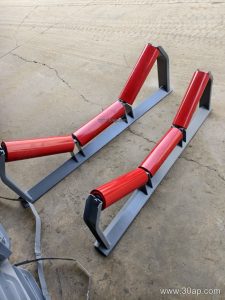
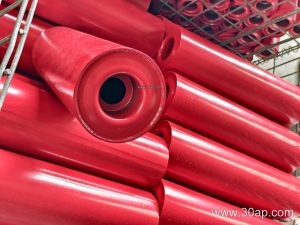
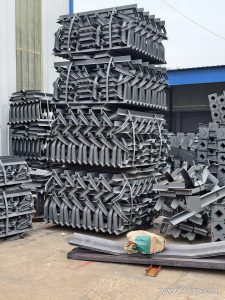
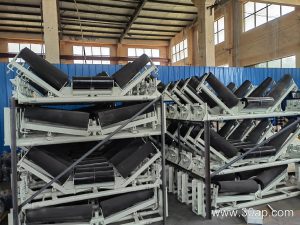
The belt works in concert with idler rollers that support the load, conveyor pulleys that drive and redirect it, and brackets that hold the idlers in place. Proper alignment of these components is critical to belt life; a misaligned pulley or worn idler can cause edge damage even on a high-quality belt.
Key Specifications to Consider
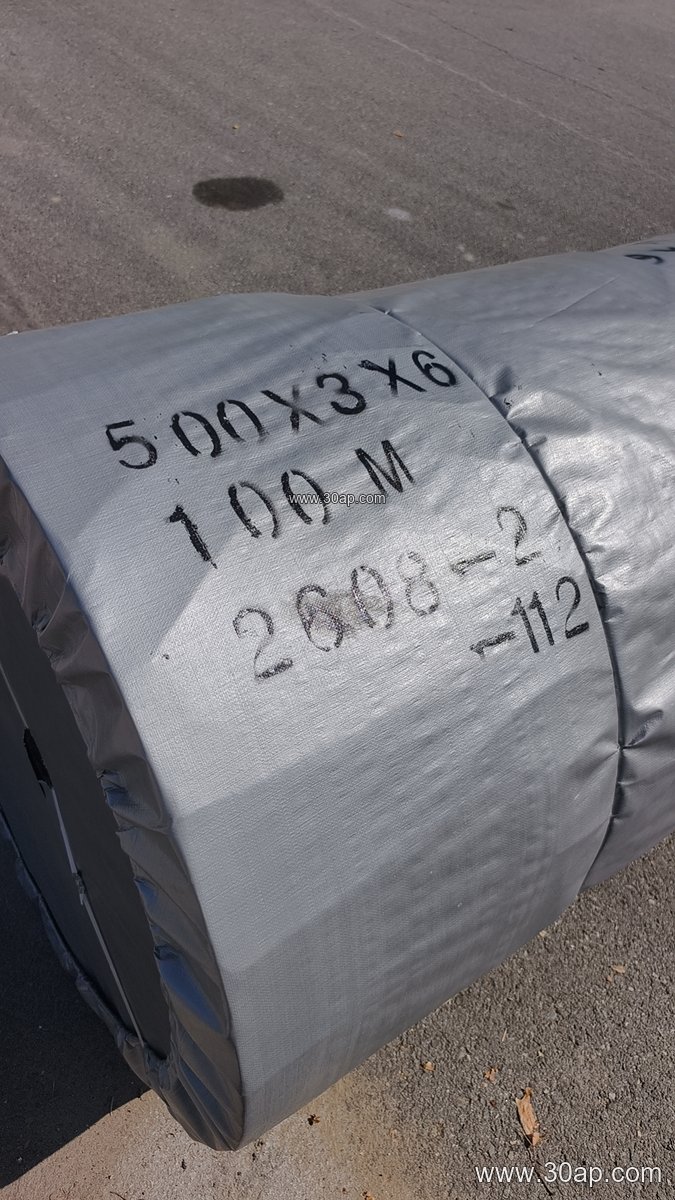
When specifying a 1200mm conveyor belt, buyers should consider the following parameters. Note that these are typical reference values, not universal standards, and final selection should be based on system design and manufacturer data.
| Parameter | Common Options |
|---|---|
| Belt width | 1200 mm (B1200) |
| Carcass type | EP, NN, steel cord, PVC, PVG |
| Strength grade | EP200 to EP2000, ST1000 to ST3150 |
| Number of plies | 2 to 6 (fabric core) |
| Cover thickness | 3+1.5, 4+2, 5+2, 6+2, 8+3 mm |
| Special properties | Abrasion resistant, heat resistant, flame retardant, oil resistant, cold resistant, anti-static |
For high-tension applications, a steel cord conveyor belt may be necessary, while fabric core belts like EP or NN are suitable for moderate tension. The choice between EP and NN often comes down to elongation characteristics and impact resistance. A 1200mm belt should not be assumed to match a specific pulley diameter; pulley sizing depends on belt tension, load, and system design.
Buyer Checklist
- Verify the material to be conveyed and select cover grade accordingly (e.g., abrasion resistant for limestone, heat resistant for clinker).
- Confirm the maximum tension and choose carcass type and strength grade with a safety factor.
- Check compatibility with existing idler roller spacing and pulley dimensions.
- Consider environmental conditions: underground mining may require flame retardant and anti-static properties.
- Review splice type and whether an endless belt is preferred for reduced maintenance.
- Ensure the supplier provides consistent quality across the full width, as edge integrity affects tracking.
Working with a reputable conveyor belt manufacturer or distributor helps ensure the 1200mm belt meets the specific demands of your operation, whether in a coal mine, cement kiln, or power plant.