What a Q355 Conveyor Bracket Does on the Line
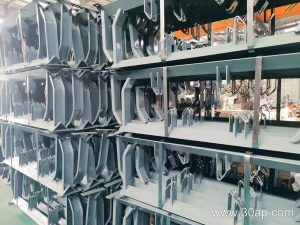
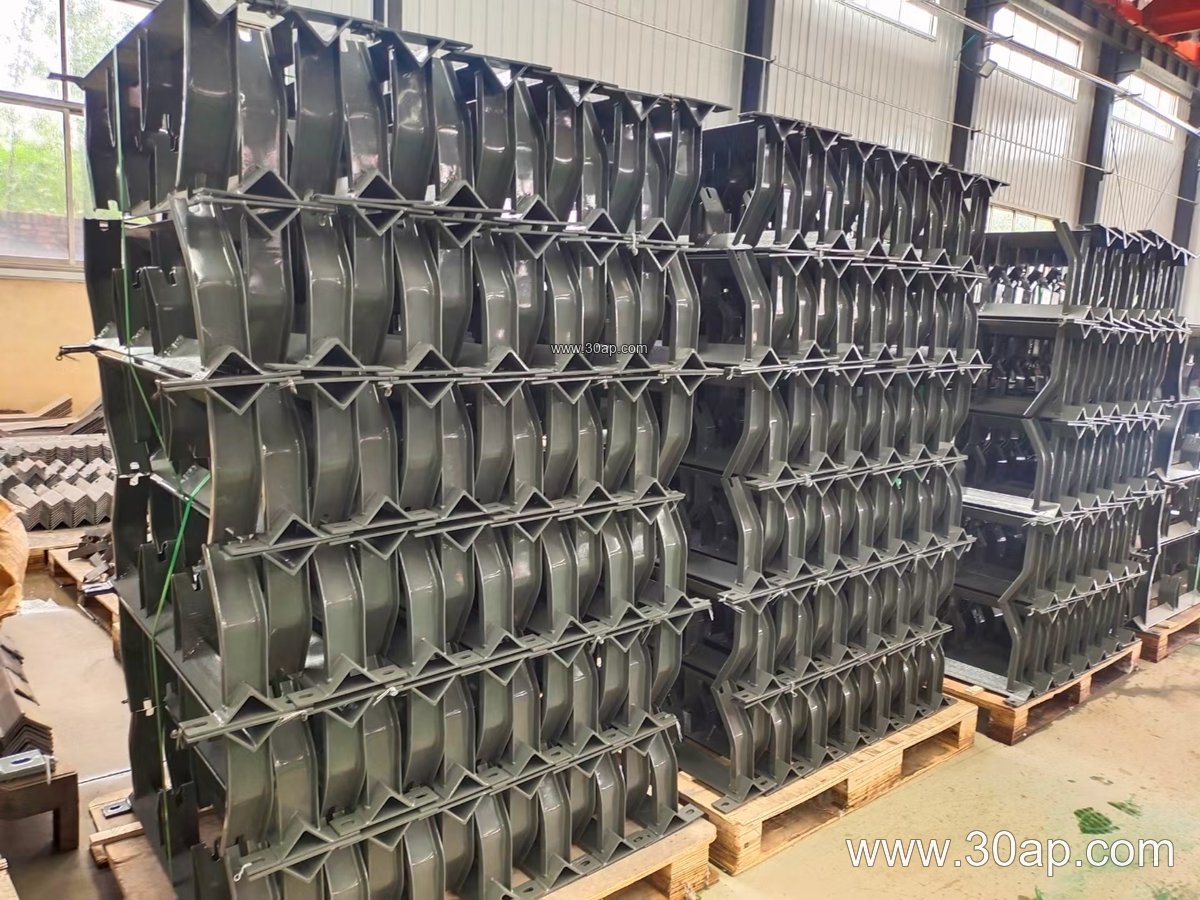
A Q355 Conveyor Bracket is the steel support that holds idler rollers in the correct position under or over a conveyor belt. It is often called a Q355 conveyor support frame or idler bracket, and it is a structural part rather than a rotating one. The bracket carries the load of the belt, the material and the rollers, then transfers that load into the conveyor stringer or frame. In a quarry, a coal washing plant or a power plant coal yard, this small assembly has a direct effect on belt tracking, roller life and maintenance time.
The Q355 grade refers to the steel strength class. Fabricated brackets in this material are usually made from angle steel, channel steel or folded steel plate by cutting, drilling and welding. A well-built bracket keeps its shape under repeated vibration, so the roller shafts stay parallel and the belt runs smoothly. For lines handling abrasive bulk material, pairing a rigid bracket with an Abrasion Resistant Conveyor Belt helps reduce wear on both the belt edge and the roller shell.
Main Types and Where They Sit
Conveyor brackets are not one universal part. The carry side usually uses troughing brackets, which may be fixed or adjustable. A transition bracket sits between the tail pulley and the first full troughing station, guiding the belt gently into its trough shape. On the return side, a flat return bracket or a V-return bracket supports the belt after discharge. Impact brackets with rubber rings are placed under the loading point to absorb falling material, while self-aligning brackets help correct belt drift.
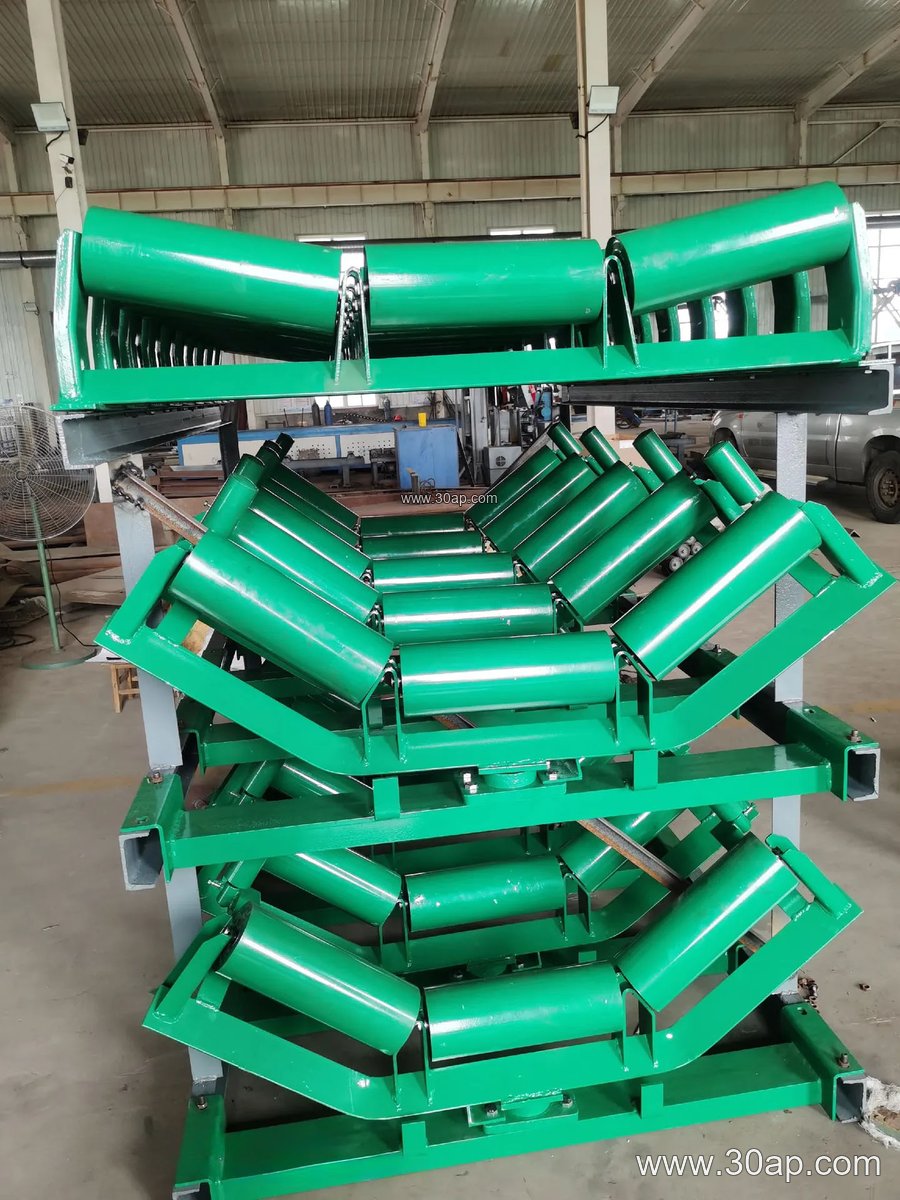
- Troughing bracket, fixed or adjustable, 20, 30, 35 or 45 degree trough angle
- Transition bracket near pulleys and loading zones
- Return bracket, flat or V-shaped
- Impact bracket under the feed chute
- Self-aligning bracket for tracking correction
- Hanging bracket for suspended idler sets
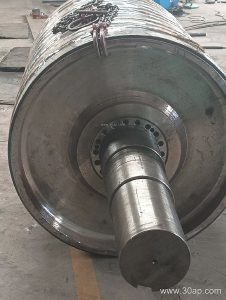
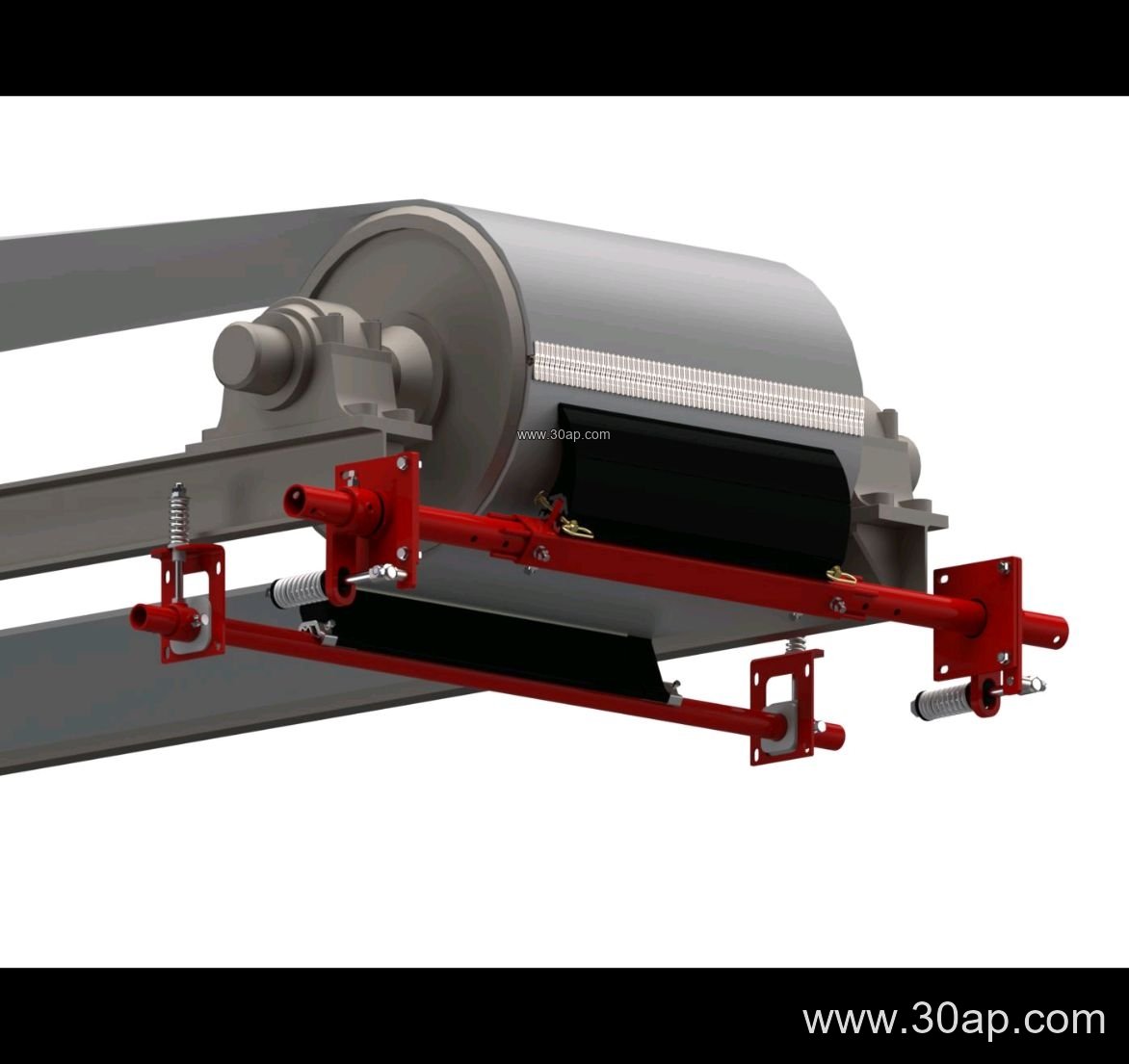
Each type is mounted at a specific station, and mixing them up can cause belt misalignment. Drive, tail and bend pulleys are separate components with their own support structures and are not replaced by an idler bracket.
How Band Width, Trough Angle and Roller Diameter Relate
Bracket dimensions follow the belt width and the chosen trough angle. Common belt widths range from B500 to B2200, but the bracket is designed for the actual frame, not picked from a single number. Roller diameter is usually chosen by load and speed, with Ø89, Ø108, Ø133, Ø159 and Ø194 being typical options. A B800 line at 35 degrees may use Ø108 rollers, while a B1200 line at 45 degrees often runs Ø133 rollers. Installation hole spacing and beam length change with width and angle, so they should be confirmed from the drawing rather than assumed.
| Belt width | Trough angle | Typical roller diameter | Bracket focus |
|---|---|---|---|
| B500 | 20 to 30 degrees | Ø89 | Light frame, short beam |
| B650 | 30 degrees | Ø89 to Ø108 | Standard troughing set |
| B800 | 35 degrees | Ø108 | General bulk handling |
| B1000 | 35 to 45 degrees | Ø108 to Ø133 | Higher load bracket |
| B1200 | 45 degrees | Ø133 | Heavy troughing frame |
| B1400 to B1600 | 35 to 45 degrees | Ø133 to Ø159 | Reinforced channel bracket |
| B1800 to B2000 | 35 to 45 degrees | Ø159 to Ø194 | Mining duty frame |
These are reference combinations, not fixed pairings. One belt width can work with more than one trough angle and roller size depending on capacity, material and frame design. A forward-tilted bracket, often about 1.5 to 2 degrees, can be used to improve tracking on longer carry sections.
Installation and Maintenance Notes
Align the bracket to the stringer before tightening bolts, and check that all rollers in a station sit at the same height. On adjustable brackets, set the trough angle to match the belt and material, then lock it. In a cement plant or a crushing and screening line, dust and fines collect around the bracket feet, so inspection should include cleaning and checking for cracked welds. Pairing a sturdy bracket with a Heat Resistant Conveyor Belt in clinker or sinter service is common where hot material is present.
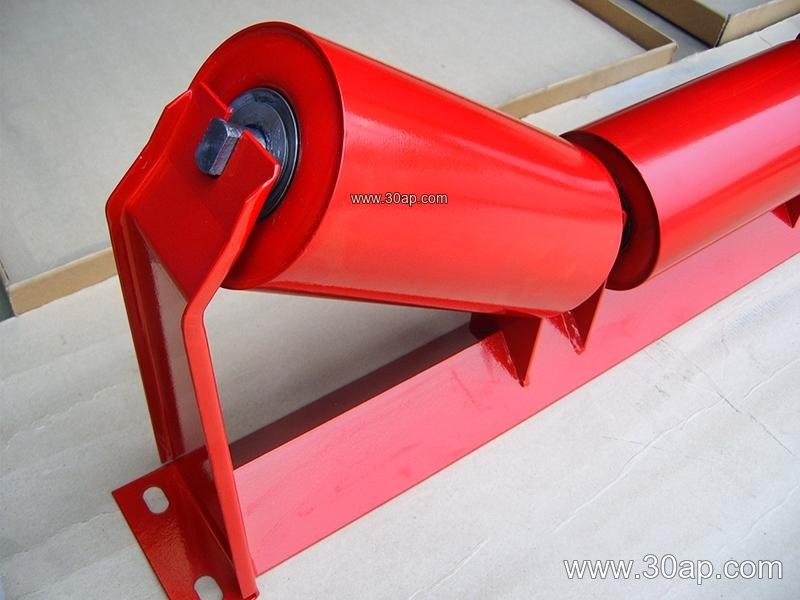
Spare brackets should match the original hole pattern and beam length. When replacing a bracket, check the roller shaft size, the mounting hole spacing and the trough angle together, because a bracket that fits the frame but not the roller will cause vibration. For long overland lines carrying coal or ore, a Steel Cord Conveyor Belt puts higher tension into the frame, so bracket rigidity matters more.
Buyer Checklist
- Confirm belt width, trough angle and roller diameter as a set
- State whether the bracket is fixed or adjustable
- Provide mounting hole spacing and beam length from the drawing
- Specify carry side, return side or transition position
- Ask for the steel thickness and surface treatment
- Check that the bracket suits the actual conveyor frame, not just the belt
Whether the line handles coal, limestone, iron ore or sand, the right Q355 conveyor bracket keeps the idlers steady and the belt centered. Buyers who treat the bracket as part of the whole conveyor system, together with the belt and roller selection, usually get longer service life and fewer stoppages.