What a Conveyor Trough Idler Does on the Line
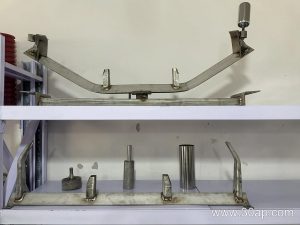
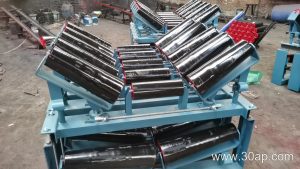
A conveyor trough idler is the carrying-side roller set that gives a loaded conveyor belt its trough shape. On a typical three-roll arrangement, two side rollers angle upward and one center roller sits flat, so the belt forms a shallow channel that keeps material centered during transport. This troughing idler is also called a troughing roller or carrying idler set, and it is the component most often specified when engineers talk about belt support on the load side. The same idler family includes transition idlers, impact idlers and self-aligning versions, but the standard troughing set remains the workhorse of most bulk lines.
How the Troughing Roller Set Is Built
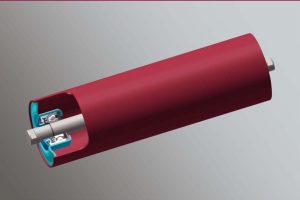
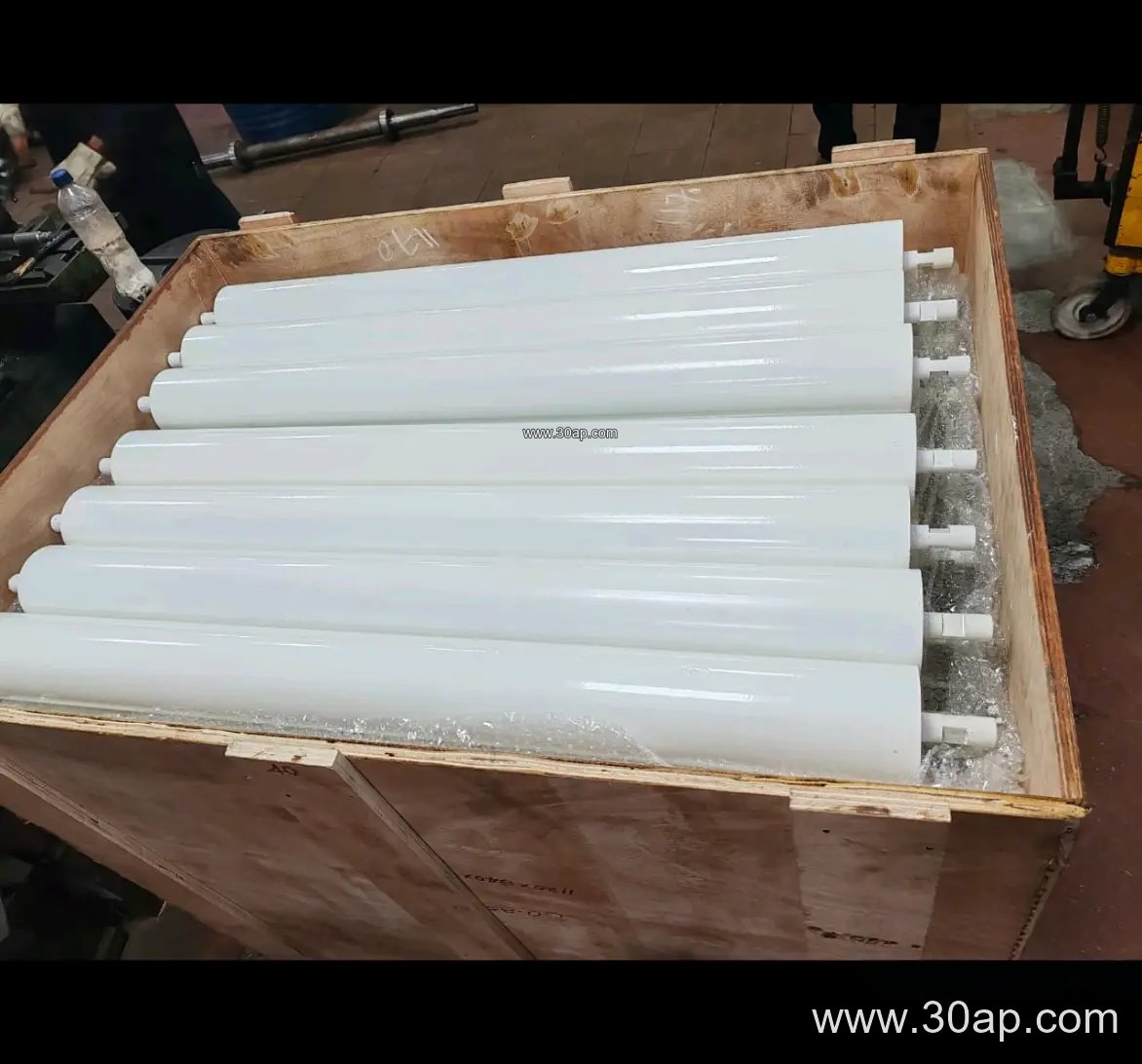
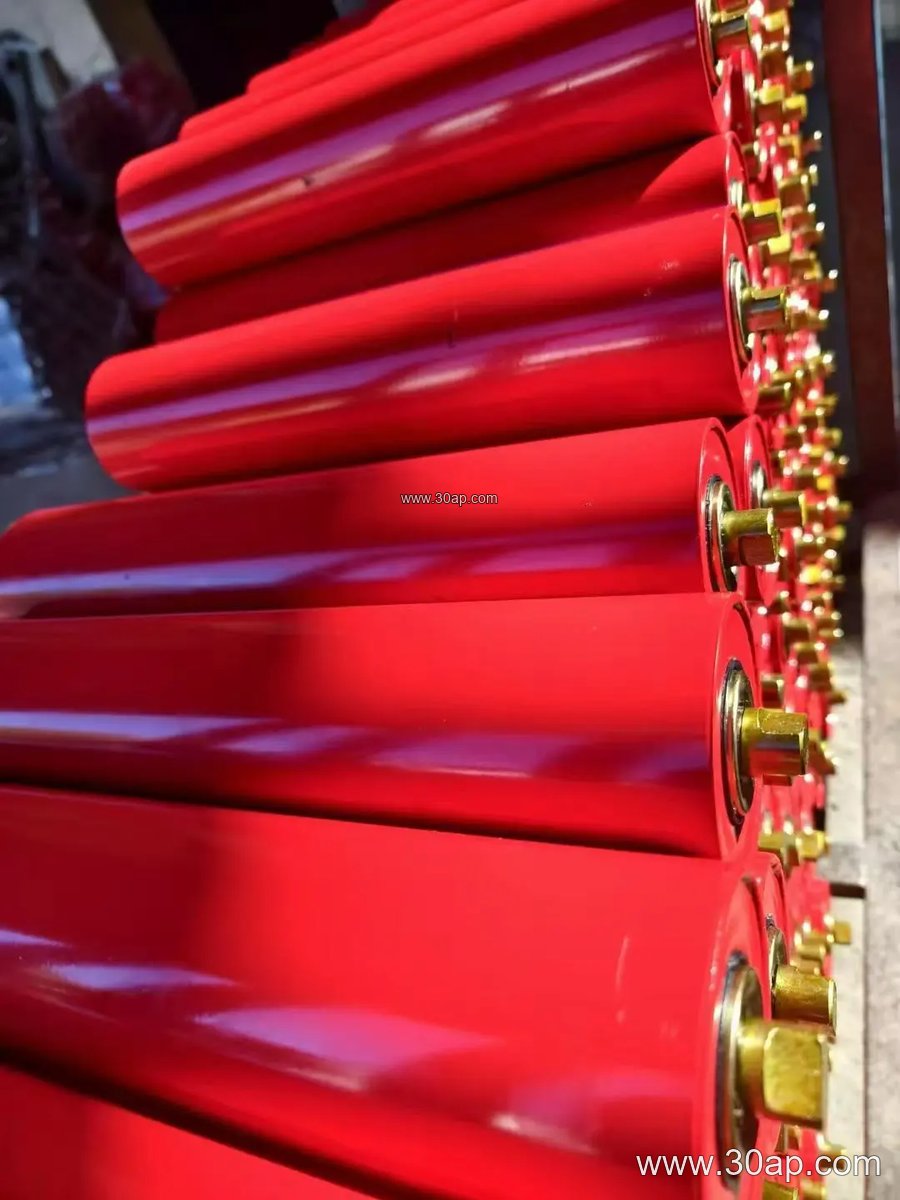
A troughing idler usually combines a steel tube shell, a shaft, sealed bearings and a bracket frame that fixes the roll angles. Common roll diameters run from about Ø63 mm on small belts to Ø219 mm on heavy-duty installations. Shells may be plain steel, nylon, ceramic-coated or fitted with rubber rings for impact absorption. Bearings such as 6204, 6205, 6305, 6306, 6308 and 6310 appear across the range, matched to load and speed rather than to one fixed roll size.
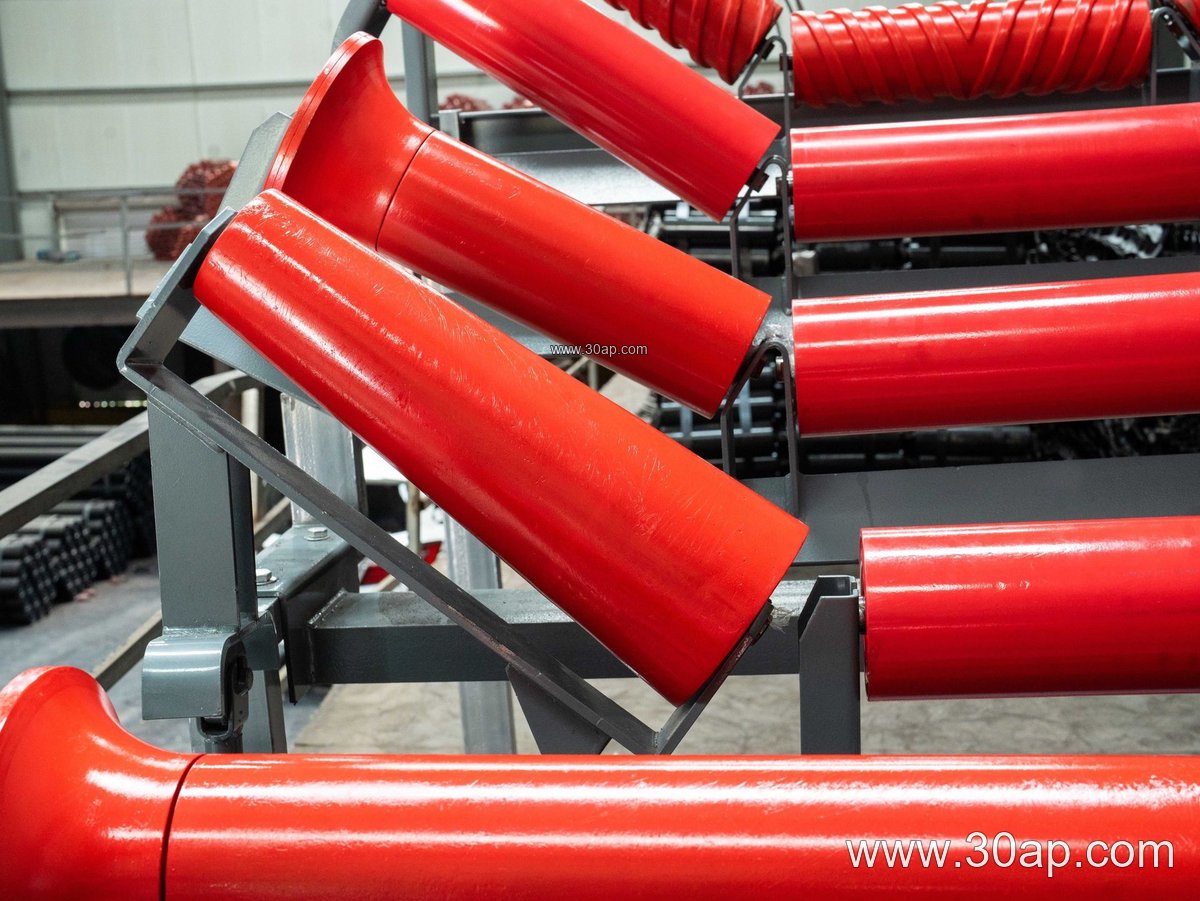
Trough angles of 20, 30, 35 and 45 degrees are common. A steeper angle deepens the trough and helps contain loose material, while a shallower angle suits wider belts and flatter loads. Forward-leaning rolls of about 1.5 to 2 degrees are used on self-aligning sets to encourage belt tracking.
Where Trough Idlers Are Used
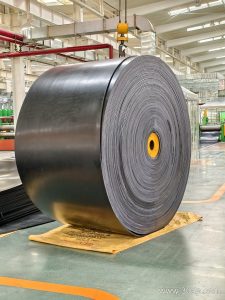
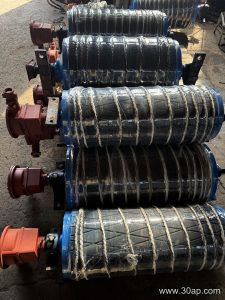
These carrying idlers appear wherever a belt moves loose material. In a quarry or aggregate line, troughing sets support crushed rock on the main haulage belt. In a coal washing plant or underground coal mining conveyor, flame retardant and anti-static belts run over trough idlers that must handle dusty, damp conditions. Cement plants use them on clinker and raw meal belts, while power plant coal handling and port ship-loading systems rely on wide troughing sets for high tonnage. The idler works together with the conveyor belt, conveyor pulley, idler roller and conveyor bracket to keep the whole run stable.
Matching Roll Diameter and Belt Width
Roll length changes with belt width, trough angle and roll configuration. The table below shows common reference values for a three-roll troughing set; side rolls and center rolls may differ, and final dimensions are set by design.
| Belt width | Typical roll length (three-roll set) |
|---|---|
| B500 | about 200 mm |
| B650 | about 250 mm |
| B800 | about 315 mm |
| B1000 | about 380 mm |
| B1200 | about 465 mm |
| B1400 | about 530 mm |
| B1600 | about 600 mm |
| B1800 | about 670 mm |
| B2000 | about 750 mm |
Roll diameter is chosen from belt speed, load and available space, not from belt width alone. A 500 mm belt and a 2000 mm belt may both use troughing idlers, but their roll sizes, shaft diameters and bearing selections will differ. Buyers should confirm the shaft diameter with the supplier rather than assume it from belt width.
What Buyers Should Check Before Ordering
- Confirm the trough angle and the number of rolls per set.
- State belt width, belt type and material being carried, since abrasive or hot loads may call for different shell treatment.
- Check bearing size and sealing arrangement for dusty or wet conditions.
- Ask about roll diameter and shaft diameter as a matched pair.
- Verify mounting dimensions against the existing conveyor bracket.
For abrasive stone or ore, a wear-resistant shell and good seals matter more than a large diameter. For impact zones near a crusher discharge, rubber-ring impact idlers are often placed just after the feed point, while standard troughing idlers continue down the line. In dusty cement or coal service, sealed bearings reduce maintenance stops.
Installation and Maintenance Notes
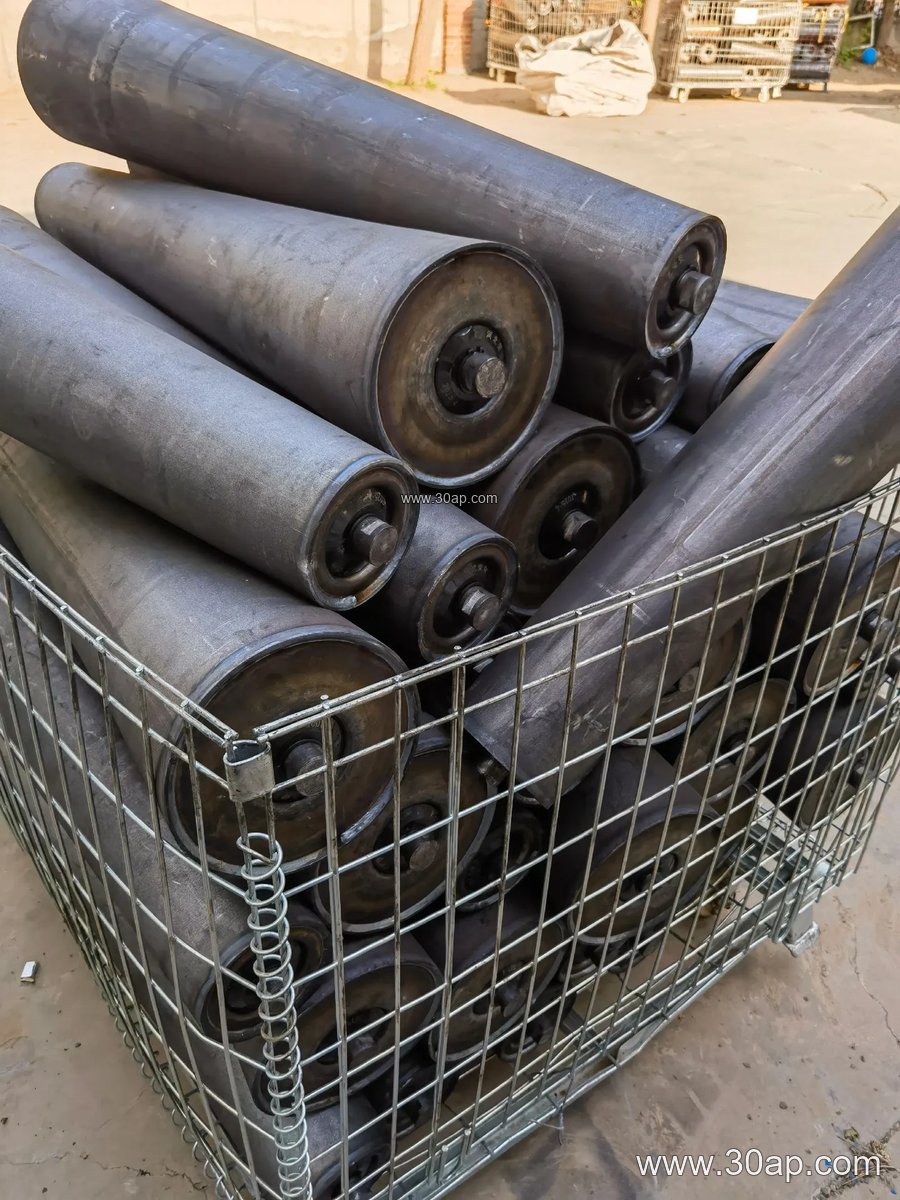
Align troughing sets square to the belt centerline and keep roll tops at a consistent height. A misaligned or worn idler can cause belt training problems that are often blamed on the conveyor pulley. Check for seized rolls, worn shells and damaged seals during routine walks. Replacing a single damaged troughing roller early is usually cheaper than allowing it to wear the belt edge.
Whether the line handles aggregate, iron ore, clinker or grain, the trough idler is a small but repeated investment. Specify it by duty, not by habit, and confirm dimensions with the roller supplier before the order goes out.