What a Bulk Material Conveyor Belt Does
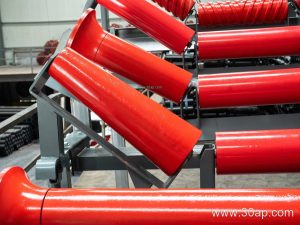
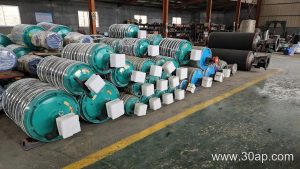
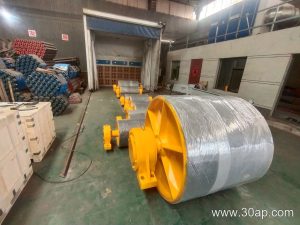
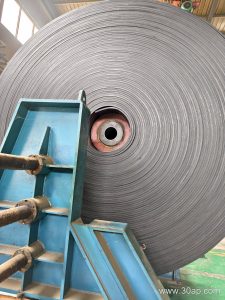
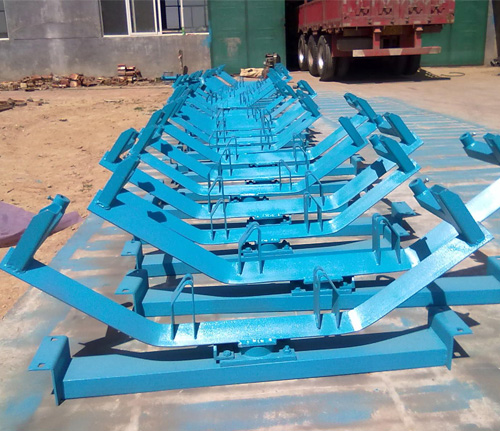
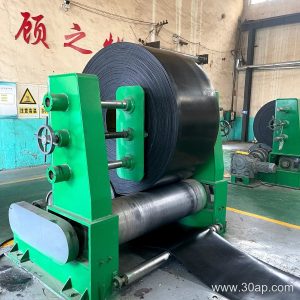
A Bulk Material Conveyor Belt is the load-carrying component of a continuous conveying system built to move loose, granular or lumpy material such as ore, coal, clinker, limestone, sand and gravel. In a mine, quarry, cement plant, power plant, port or sand and gravel yard, the belt forms an endless loop around the conveyor pulley at each end, rides on idler roller sets along the carrying side, and returns on the lower run. The conveyor bracket and frame hold all of this in alignment. The belt is the part that actually contacts the material, so its cover compound and carcass determine how well the whole line performs.
The term is a duty description rather than a single construction. Under it you will find rubber-covered fabric belts, steel cord belts, and special constructions for heat, oil, flame and abrasion exposure. The right choice depends on the material, the tonnage, the incline and the environment.
Construction of the Belt
A typical belt has three functional layers. The carcass provides tensile strength and resists elongation under load. The top cover protects the carcass from impact, abrasion and the material itself. The bottom cover protects against pulley contact and return-side wear.
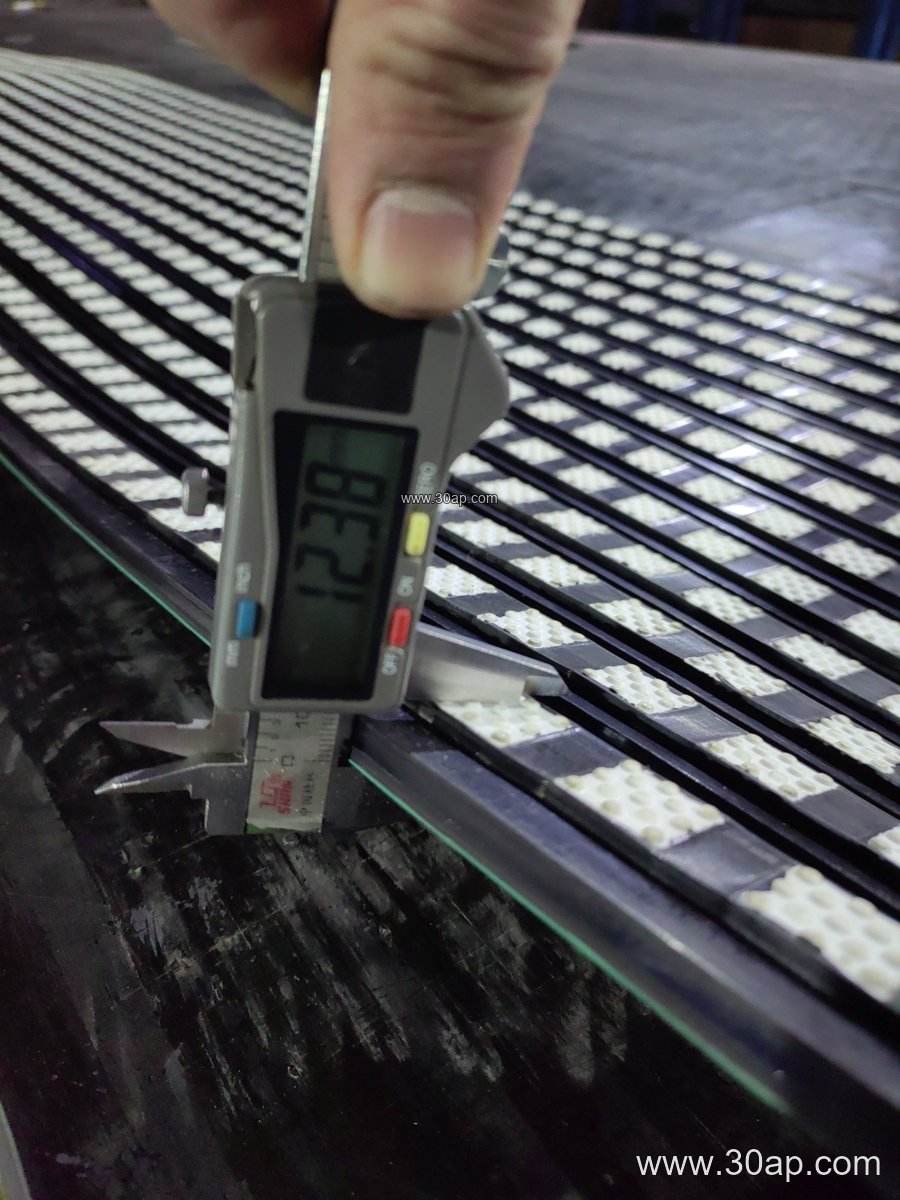
- Carcass: multi-ply fabric (EP or NN), single-ply heavy fabric, or steel cord. Ply count usually ranges from 2 to 6 in fabric constructions.
- Cover compound: natural or synthetic rubber, sometimes PVC or PVG for underground work. Cover thickness is quoted as top plus bottom, for example 4+2 mm or 6+2 mm.
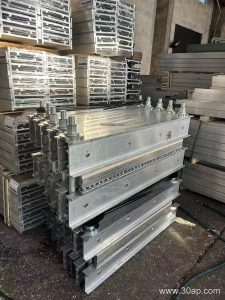
- Edges and splices: cut edges or moulded edges, joined by vulcanized splice, mechanical fastener or, for short runs, an Endless Conveyor Belt made to length.
Fabric belts are commonly specified by strength grade, such as EP200, EP400, EP630, EP1000 or EP1250, and by width. Steel cord belts use ST grades. These figures are reference values; actual construction is confirmed by the manufacturer against the conveyor design.
Common Belt Types and Where They Fit
The material and site conditions usually point to one family:
- EP Conveyor Belt — polyester/polyamide fabric carcass, a general workhorse for aggregate, cement and ore.
- NN Conveyor Belt — nylon/nylon carcass with good flexibility and impact absorption.
- Steel Cord Conveyor Belt — high tension capacity for long overland lines and high lifts.
- Heat Resistant Conveyor Belt — for clinker, sinter and hot ash in cement and power plant service.
- Flame Retardant Conveyor Belt and Anti-Static Conveyor Belt — typical for coal mining and underground work, often as PVG constructions.
- Abrasion Resistant Conveyor Belt — for sharp rock, iron ore and copper ore duty.
- Chevron Conveyor Belt, Skirted Conveyor Belt and Corrugated Sidewall Conveyor Belt — for steep inclines or where material must be contained.
- Pipe Conveyor Belt — encloses the load for dust control and curved routes.
These are not interchangeable. A heat grade cannot substitute for a flame grade in a coal mine, and a chevron belt is chosen for incline geometry, not as a general replacement for a flat belt.
Widths, Grades and Reference Data
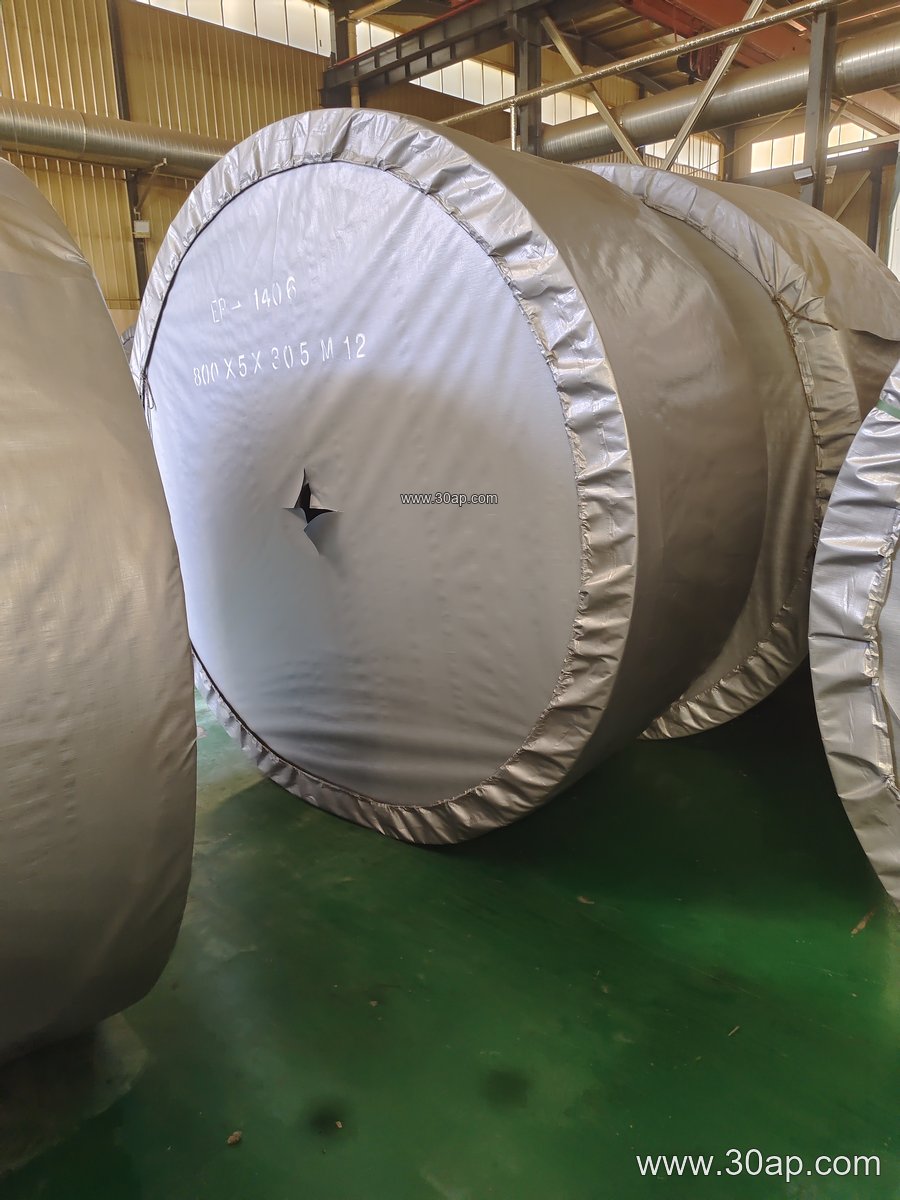
Belt width is matched to the required capacity and lump size, and to the existing pulley and idler geometry. Widths from B500 to B2000 are common, with wider and extra-wide belts available for large port and plant systems. The table below shows representative combinations; it is a reference, not a fixed rule, and no single width is tied to one pulley diameter.
| Item | Typical reference values |
|---|---|
| Belt width | B500, B650, B800, B1000, B1200, B1400, B1600, B1800, B2000 mm |
| EP strength grades | EP200, EP315, EP400, EP500, EP630, EP800, EP1000, EP1250, EP1600, EP2000 |
| Steel cord grades | ST1000, ST1250, ST1600, ST2000, ST2500, ST3150 |
| Cover thickness | 3+1.5, 4+2, 5+2, 6+2, 8+3 mm |
| Fabric plies | 2 to 6 layers, depending on grade and design |
| Special grades | Heat, oil, flame, cold, acid and chemical resistant; PVG800, PVG800S for underground coal |
Buyer Checklist Before Ordering
Start with the material: lump size, temperature, moisture, oil content and abrasiveness. Then confirm the conveyor data: capacity in tonnes per hour, belt speed, incline angle, trough angle, pulley diameters and take-up type. The drive, tail and bend pulleys each impose different bend and wrap conditions, and the belt must be rated for the tightest of them.
- Check the splice method and whether a vulcanized splice is required.
- Confirm cover thickness against impact and wear points, especially at transfer chutes.
- For underground coal work, verify flame retardant and anti-static properties are specified together.
- Ask for the manufacturer’s tension rating at the intended splice efficiency.
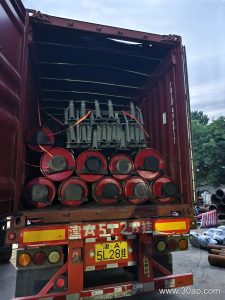
- Plan spare belt length and storage so the belt does not deform before installation.
Installation quality matters as much as the belt itself. Misaligned idler roller sets, worn pulleys and poor loading conditions shorten belt life faster than most material factors. Regular inspection of edges, covers and splices keeps a bulk handling line running through the demands of mining, cement, power and quarry operations.