What a Rubber Disc Return Idler Does
A rubber disc return idler is a lower-side carrying roller built with a series of rubber discs pressed onto a steel shaft or tube. On a conveyor belt, the return strand carries no material, yet it still picks up fines, dust and moisture from the load side. The rubber discs on this idler roller flex slightly under the belt and help shed sticky material before it wraps a pulley or builds up on a flat return roller. In a quarry, a coal washing plant or a cement plant, that small cleaning action can reduce belt tracking problems and downtime.
This is a specific return-side component, not a substitute for a drive pulley, tail pulley or bend pulley. Those conveyor pulleys transmit power or change belt direction, while the rubber disc idler only supports and cleans the returning belt. It is also different from a plain flat return roller, which offers a smooth surface but little scraping effect.
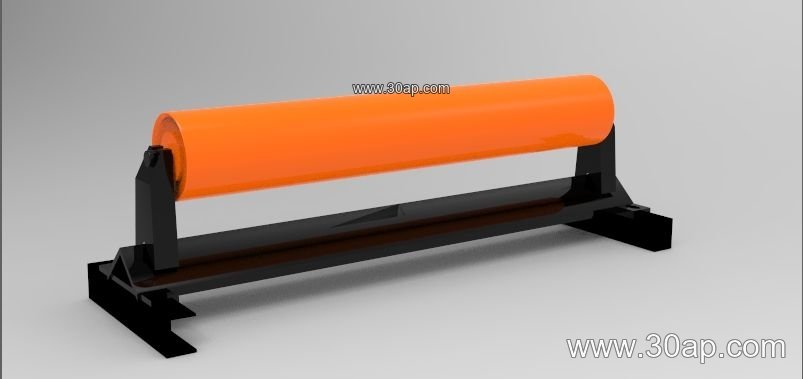
Construction and Materials
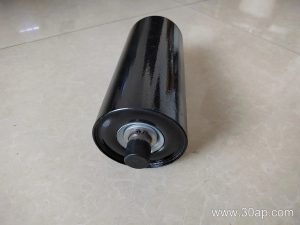
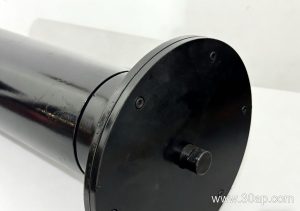
The body usually starts with a steel tube or a machined shaft, fitted with a bearing housing at each end. Rubber discs are mounted at intervals along the shell, separated by spacers, and compressed so they stay firmly in place. Common bearing sizes include 6204, 6205, 6305, 6306, 6308 and 6310, matched to the shaft and load rather than to belt width alone.
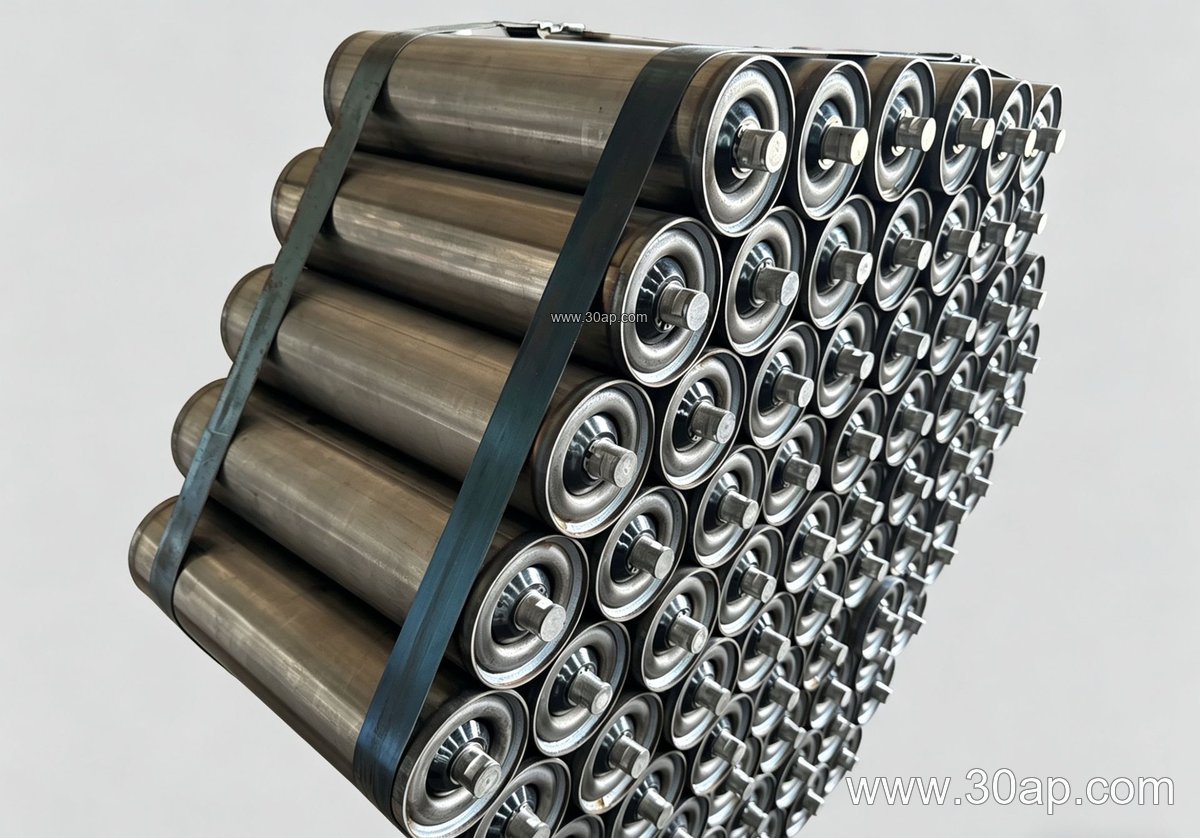
- Disc material: abrasion resistant rubber, sometimes oil resistant or anti-static grades
- Shell: welded steel tube or solid shaft, painted or coated
- Bearing: sealed deep groove ball bearing in a stamped or cast housing
- Sealing: labyrinth or contact seal to keep dust out
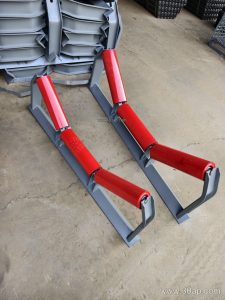
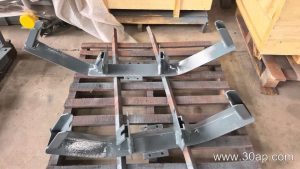
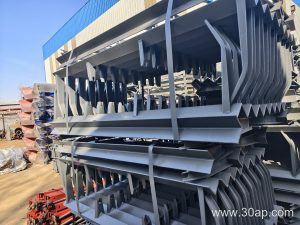
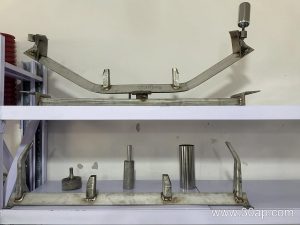
- Mounting: fixed to the conveyor bracket on the return frame
Disc diameter, disc spacing and the number of discs vary by design. A wider belt does not automatically fix the shaft diameter, and the roller length should follow the frame design, belt width and the return idler arrangement. Typical roller diameters for return positions include Ø89, Ø102, Ø108, Ø127, Ø133 and Ø159, but the final choice depends on load and belt speed.
Where It Fits on the Conveyor
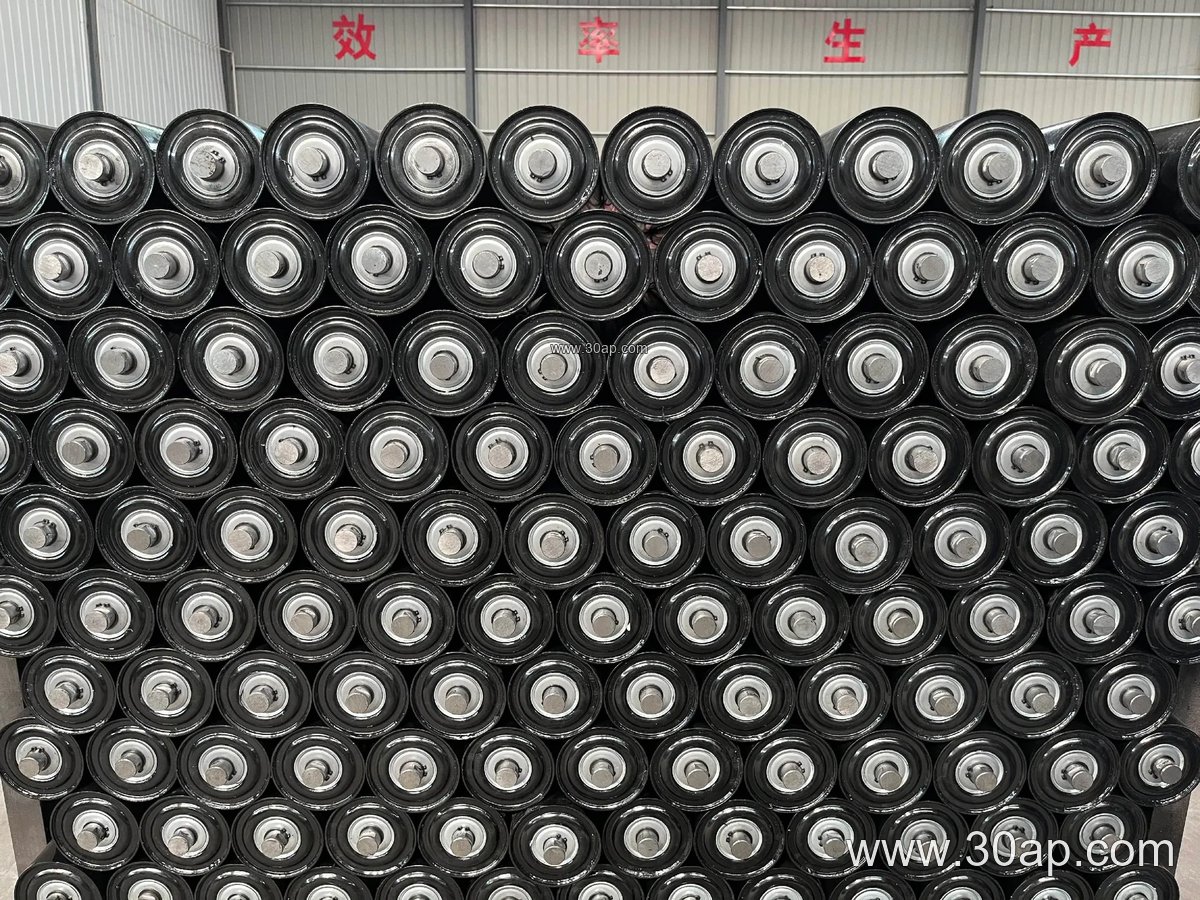
The rubber disc return idler is normally installed on the return strand, often just behind the head pulley or before the tail pulley, where the belt is most likely to carry back fines. In a sand and aggregate line, a stone crushing plant or a power plant coal handling system, it protects the tail pulley and helps keep the belt from mis-tracking. It can also be used at transfer points where spillage is common.
For abrasive bulk material, a plant may combine this idler with an Abrasion Resistant Conveyor Belt to reduce wear on both belt and roller. In dusty coal or underground mining conditions, a Flame Retardant Conveyor Belt is often specified on the same conveyor, and the idler should be selected with compatible anti-static properties where required. On long overland lines, a Steel Cord Conveyor Belt may run at higher tension, so the return idler frame and bearing selection deserve more attention.
Common Sizes and Selection Reference
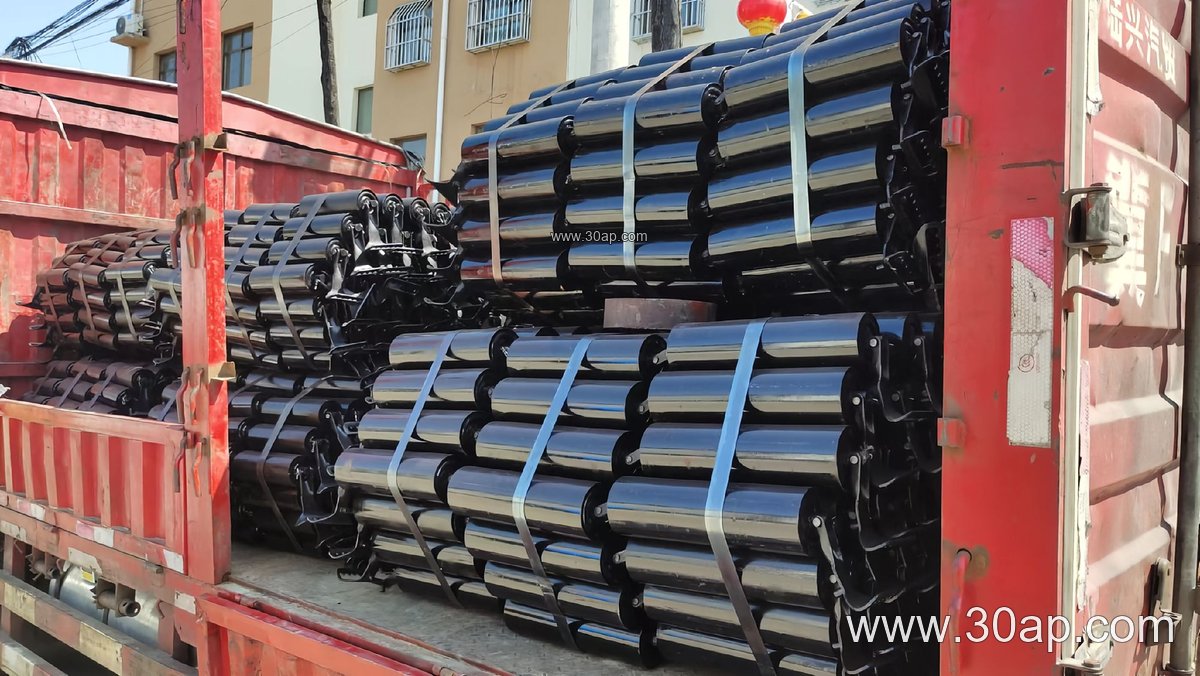
The following values are common reference points, not fixed matches. Roller length changes with belt width, frame type and return idler style, and side rollers on a troughing set can differ from the centre roller. A return idler is normally a single roller, but V-type return sets use two rollers at an angle.
| Belt width | Common return roller length (reference) | Typical roller diameter range |
|---|---|---|
| B500 | about 200 mm | Ø63 to Ø89 |
| B650 | about 250 mm | Ø76 to Ø108 |
| B800 | about 315 mm | Ø89 to Ø127 |
| B1000 | about 380 mm | Ø102 to Ø133 |
| B1200 | about 465 mm | Ø108 to Ø159 |
| B1400 | about 530 mm | Ø127 to Ø159 |
| B1600 | about 600 mm | Ø133 to Ø178 |
| B1800 | about 670 mm | Ø133 to Ø194 |
| B2000 | about 750 mm | Ø159 to Ø219 |
These figures are for orientation. The actual roller length and shaft size must be confirmed against the conveyor bracket spacing and the return frame drawing. Do not assume that one belt width can only match one pulley diameter or one shaft size.
Buyer Checklist
- Confirm the return frame type and bracket hole spacing before ordering
- Check disc hardness and spacing for the material being carried
- Match bearing sealing to dust and moisture levels
- For coal or underground work, confirm flame retardant and anti-static requirements
- Check roller balance and disc fit, especially on high-speed belts
- Keep spare discs and bearings for planned maintenance
A rubber disc return idler is a small item, but it affects belt life, pulley wear and housekeeping along the whole conveyor. Choose it together with the belt specification, the conveyor bracket layout and the duty conditions, and it will do its cleaning job without becoming a maintenance headache.